Looking for a Himalayan trek that offers towering peaks, ancient monasteries, and high-altitude passes without the crowds? The Manaslu Circuit might be exactly what you need. This restricted-area trek circles Nepal’s eighth-highest mountain, keeping trekker numbers low while delivering an authentic mountain experience. The 12-day version uses vehicle transfers to compress the journey without losing the high-altitude highlights.
In this blog, we cover everything you need to know about the Short Manaslu Circuit Trek 12 Days, including the complete day-by-day itinerary, current permit requirements and costs, altitude profiles, difficulty factors, accommodation options, best trekking seasons, and practical preparation tips for your 2026 adventure.
Short Manaslu Circuit Trek 12 Days Overview
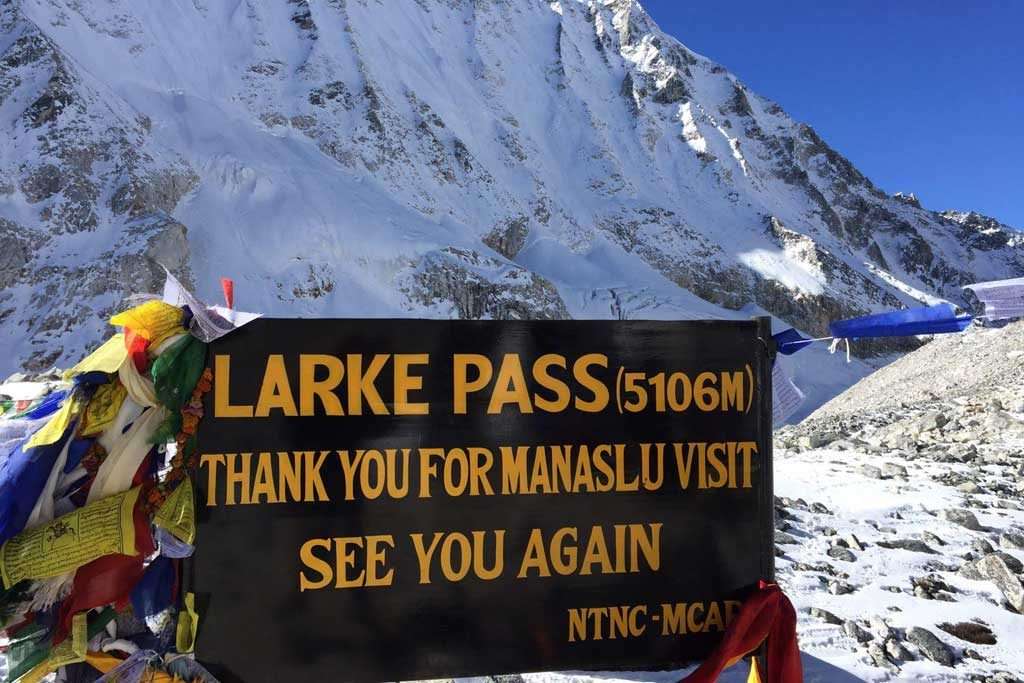
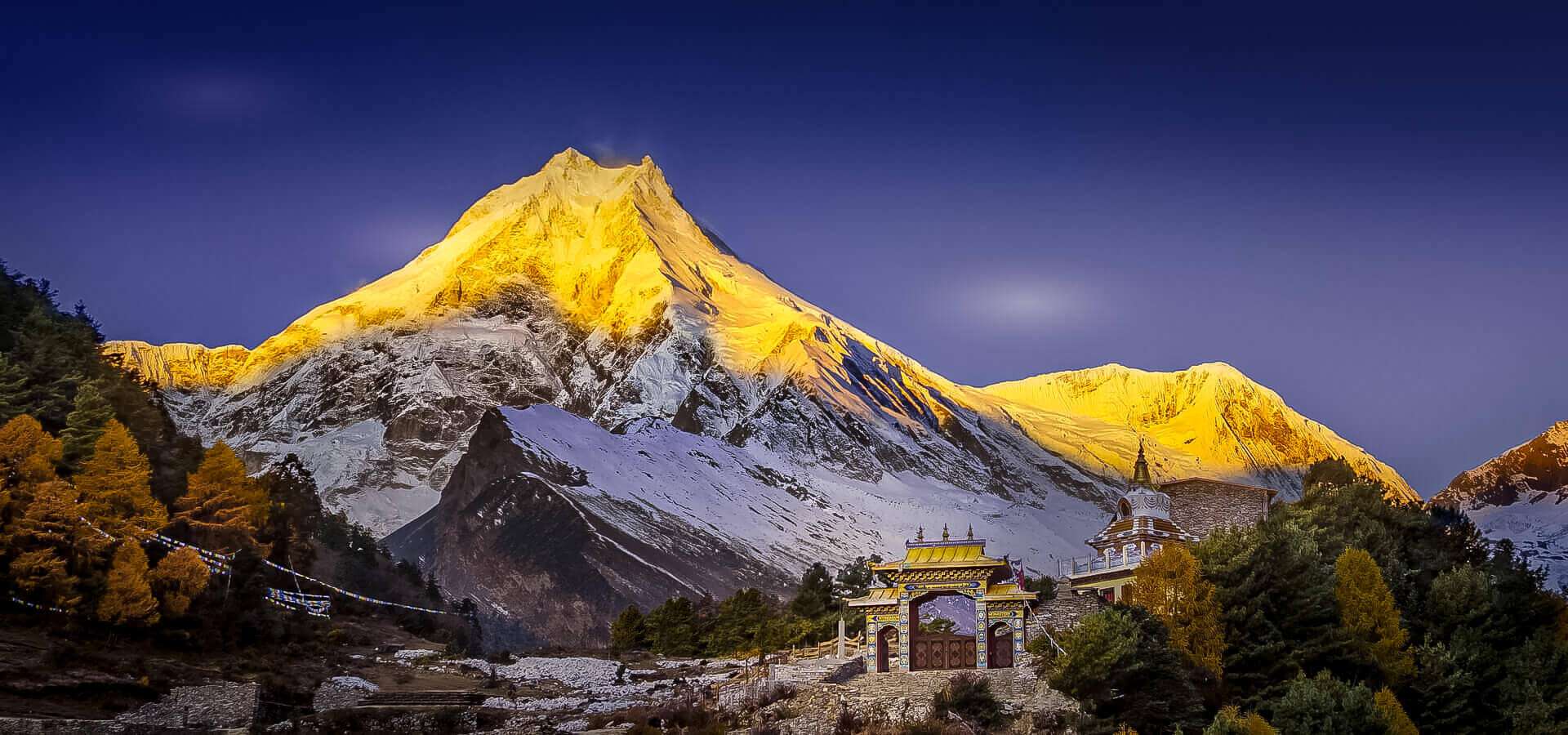
The Short Manaslu Circuit Trek is a rigorous 12-day Himalayan adventure that circles Mt. Manaslu (8,163m), the world’s eighth-highest peak. The route peaks at Larkya La Pass (5,106m) and passes through remote Tibetan-Buddhist villages where prayer flags snap in the wind and centuries-old monasteries cling to hillsides. Unlike the Annapurna or Everest regions, Manaslu sits in a restricted area—meaning solo trekking is not permitted, and every trekker requires a licensed guide plus permits processed through a registered agency.
What makes this the “short” version? Private vehicle transfers on both ends. You drive directly to Machha Khola on day one and exit via jeep from Dharapani on day twelve, cutting out lower-elevation walking days without sacrificing the high-altitude highlights. The result is the Manaslu Circuit Trek experience compressed into a tighter travel window.
Duration: 11 Nights/12 Days
Region: Manaslu Conservation Area, Nepal
Starting From: $850 TAXES INCL/PERS
Difficulty: Challenging/Strenuous
What Permits Are Required for the Manaslu Circuit Trek?
The Manaslu Circuit Trek requires three separate permits because the route passes through restricted and protected areas. All permits must be processed through a licensed trekking agency, and individual trekkers cannot obtain them independently. The permits include the Manaslu Restricted Area Permit, Manaslu Conservation Area Permit, and Annapurna Conservation Area Permit.
Permit costs vary by season and support conservation efforts, local community development, and tourism management throughout the region. Trekkers should carry printed or digital copies of all permits during the trek because checkpoints are located at multiple points along the trail.
Manaslu Restricted Area Permit
The Restricted Area Permit (RAP) is the primary government authorization for entering the Manaslu region. It requires a minimum group size of two trekkers and booking through a registered agency. Permit fees vary by season, with costs at $100 per person during peak months (September to November) and $75 per person during other periods. This permit reflects Manaslu’s status as a controlled trekking zone, which helps limit trekker numbers and preserve the region’s cultural and environmental integrity.
Manaslu Conservation Area Permit
The Manaslu Conservation Area Permit (MCAP) costs approximately $30 per person and supports environmental protection and community development in the region. This permit is required for all trekkers entering the Manaslu Conservation Area, which covers most of the circuit route. Funds collected through MCAP fees contribute to trail maintenance, waste management programs, and local infrastructure improvements that benefit both trekkers and resident communities.
Annapurna Conservation Area Permit
The Annapurna Conservation Area Permit (ACAP) costs approximately $30 per person and is required because the trail exits through Dharapani in the Annapurna region. The final two days of the trek pass through the Annapurna Conservation Area, making this permit mandatory. Trekkers should ensure their agency includes this permit in the package, as checkpoint officials verify documentation before allowing passage through the area.
How Difficult Is the Short Manaslu Circuit Trek?
The Short Manaslu Circuit Trek is challenging and rates as strenuous compared to other popular Himalayan routes. The difficulty comes from high altitude, long trekking days, varied terrain, and remote conditions. However, the trek is manageable for reasonably fit trekkers who prepare appropriately and follow proper acclimatization practices.
The 12-day itinerary includes a built-in acclimatization day at Samagaun, which significantly reduces altitude-related risks. Trekkers with prior multi-day hiking experience and good cardiovascular fitness typically complete the circuit successfully. Physical preparation should begin at least two months before departure.
Key difficulty factors include:
Altitude: Larkya La Pass exceeds 5,000 meters, where oxygen levels are roughly 50% of sea level
Daily Trekking Hours: Typically five to seven hours of walking per day, with day ten reaching eight to nine hours
Terrain: Rocky trails, steep ascents and descents, river crossings on suspension bridges
When Is the Best Time for the Manaslu Circuit Trek?
The best time for the Manaslu Circuit Trek is during autumn (October to November) and spring (March to May) when weather conditions are most stable. These seasons offer clear mountain views, comfortable temperatures, and safe trail conditions. Winter and monsoon months present significant challenges and are not recommended for most trekkers.
Autumn Season on the Manaslu Trail
October and November offer the most stable weather with clear mountain views and comfortable daytime temperatures. Post-monsoon conditions mean dry trails and minimal precipitation, making this Nepal’s peak trekking season. Temperatures at lower elevations range from 15 to 20 degrees Celsius during the day, while higher altitudes can drop below freezing at night. Visibility is excellent during autumn, providing the best photography opportunities and mountain panoramas from Larkya La Pass.
Spring Season on the Manaslu Trail
March through May brings warming temperatures and rhododendron blooms in lower forests, creating colorful landscapes along the trail. Mornings are typically clear with afternoon clouds building, especially later in the season. Spring offers slightly warmer conditions than autumn, making it a comfortable choice for trekkers sensitive to cold. However, visibility can be less consistent than autumn months, and occasional pre-monsoon showers may occur in late May.
Winter and Monsoon Seasons
December through February brings cold temperatures and potential snow closure at Larkya La Pass, making the crossing dangerous or impossible. Temperatures can drop to minus 20 degrees Celsius at high elevations, and teahouses may have limited services. June through August brings heavy rainfall, leeches in lower forests, and landslide risk along the trail. The monsoon season is not recommended for the Manaslu Circuit due to safety concerns and poor visibility.
What Accommodation and Food Options Are Available on the Manaslu Trail?
Accommodation on the Manaslu Circuit consists of basic teahouse lodges that provide simple rooms and meals throughout the trek. Food options include traditional Nepali dishes and international trekking menu items, with dal bhat being the most nutritious and economical choice. Facilities become more basic at higher elevations, especially near Larkya La Pass.
Teahouse Accommodation on the Manaslu Circuit
Teahouses along the Manaslu Circuit are more basic than those in Annapurna or Everest regions, reflecting the trail’s remote location and lower trekker numbers. Expect twin-share rooms with simple beds and blankets, though sleeping bags are recommended for warmth and hygiene. Hot showers are available at some stops for an extra fee, typically costing $2 to $5 per shower. Dharamsala before the pass offers only dormitory-style sleeping on wooden platforms with minimal facilities, as this is a temporary shelter rather than a permanent village.
Food and Drinking Water on the Manaslu Trail
Dal bhat (lentils, rice, and vegetable curry) is the staple meal and offers the best value and nutrition for trekkers. Most teahouses provide unlimited refills of dal bhat, making it ideal for maintaining energy during long trekking days. Noodle dishes, pasta, pancakes, and soups are also available at most stops. Menu variety decreases at higher elevations, and prices increase with altitude. Safe drinking water options include boiled water purchased at teahouses, filtered water using personal purification systems, or purification tablets. Avoid untreated tap water throughout the trek.
What Accommodation and Food Options Are Available on the Manaslu Trail?
Accommodation on the Manaslu Circuit consists of basic teahouse lodges that provide simple rooms and meals throughout the trek. Food options include traditional Nepali dishes and international trekking menu items, with dal bhat being the most nutritious and economical choice. Facilities become more basic at higher elevations, especially near Larkya La Pass.
Teahouse Accommodation on the Manaslu Circuit
Teahouses along the Manaslu Circuit are more basic than those in Annapurna or Everest regions, reflecting the trail’s remote location and lower trekker numbers. Expect twin-share rooms with simple beds and blankets, though sleeping bags are recommended for warmth and hygiene. Hot showers are available at some stops for an extra fee, typically costing $2 to $5 per shower. Dharamsala before the pass offers only dormitory-style sleeping on wooden platforms with minimal facilities, as this is a temporary shelter rather than a permanent village.
Food and Drinking Water on the Manaslu Trail
Dal bhat (lentils, rice, and vegetable curry) is the staple meal and offers the best value and nutrition for trekkers. Most teahouses provide unlimited refills of dal bhat, making it ideal for maintaining energy during long trekking days. Noodle dishes, pasta, pancakes, and soups are also available at most stops. Menu variety decreases at higher elevations, and prices increase with altitude. Safe drinking water options include boiled water purchased at teahouses, filtered water using personal purification systems, or purification tablets. Avoid untreated tap water throughout the trek.
What Are the Risks of Altitude Sickness on the Manaslu Trek?
Acute Mountain Sickness (AMS) occurs when the body cannot adapt quickly enough to reduced oxygen at altitude. Symptoms include headache, nausea, dizziness, and fatigue. The Manaslu Circuit reaches over 5,000 meters at Larkya La Pass, making altitude sickness a real risk that requires proper prevention and awareness.
Prevention strategies are built into the itinerary and should be followed carefully. Trekkers who recognize symptoms early and communicate with their guide can manage altitude sickness effectively. Severe cases require immediate descent and may need helicopter evacuation, which is why comprehensive travel insurance is mandatory.
Key prevention measures include:
Gradual Ascent: The itinerary limits daily altitude gain to recommended levels
Hydration: Drinking three to four liters of water daily helps acclimatization
Rest Day: The Samagaun acclimatization day is essential
Communication: Report any symptoms to your guide immediately
How Does the Short Manaslu Circuit Trek Compare to the Annapurna Circuit Trek?
The Manaslu Circuit and Annapurna Circuit are both classic Himalayan treks that cross high mountain passes, but they offer different experiences in terms of crowds, cultural immersion, infrastructure, and regulations. Choosing between them depends on whether you prioritize solitude and adventure or developed facilities and flexibility.
Factor
Manaslu Circuit
Annapurna Circuit
Crowds
Low (permit restrictions)
Moderate to high
Cultural Experience
Strong Tibetan influence
Mixed
Highest Point
Larkya La Pass (5,106m)
Thorong La Pass (5,416m)
Guide Requirement
Mandatory
Optional
Teahouse Quality
Basic
More developed
Manaslu suits trekkers seeking solitude and a more adventurous experience with authentic cultural immersion. The Annapurna Circuit Trek appeals to those wanting more developed infrastructure, the option to trek independently, and slightly higher altitude at Thorong La Pass. Both routes offer spectacular mountain scenery and rewarding high-pass crossings.
Why Book Your Short Manaslu Circuit Trek With Wilder Way Trekking?
Wilder Way Trekking provides comprehensive support and local expertise for the Short Manaslu Circuit Trek, ensuring a safe and well-organized experience from start to finish. Our Nepal-based team handles all permit processing, transportation arrangements, and on-trail logistics while maintaining transparent pricing and responsible tourism practices.
Key benefits of booking with Wilder Way Trekking include:
24/7 Support: From initial inquiry through trip completion
Local Expertise: Nepal-based team with regional knowledge
Transparent Pricing: Tax-inclusive quotes with no hidden fees
Responsible Tourism: Sustainable practices that benefit local communities
Pricing Packages
12 Daysfrom US$ 1350US$ 1150pp
Save $200 Per Pax
Group-Size Discounts
Discounts are based on your group size. We do not add anyone to your group.
No. of Persons
Price per Person
1 Pax
US$ 1150
2 - 4 Pax
US$ 1130
5 - 8 Pax
US$ 1100
9 - 15 Pax
US$ 1090
×
Enquiry Form
Included and Excluded
Transportation from Kathmandu via Arughat to Soti Khola (trek start) and from Dharapani (trek end) to Kathmandu by public bus.
All standard full-board (main course) meals (12 Lunches, 11 Dinners, and 12 Breakfasts) during the trek
Accommodations total 11 nights. Five nights room with private attached bathroom at Soti Khola, Lho, Samagaun(2N), and Bhimtang. Six nights standard room at Khorla Bensi, Philim, Ghap, Samdo, Dharamsala, and Dharapani (Generally twin sharing room)
Government Licensed English speaking Wilder Way Trekking experienced trek leader (guide) and porters to help trekkers luggage. (1 porter for every two trekkers, luggage weight limit per trekker is 9 kg.)
Guide and porters cost - their meals, insurance, salary, lodging, transportation, and other necessary equipment
Manaslu Special permit with Conservation Area Permit, and Annapurna Conservation Area Permit (ACAP) fees
Water purification tablets for safe drinking water
Snacks (cookies) and seasonal fresh fruits every day
Rescue arrangements during emergencies (funded by travel insurance)
Souvenir - company's T-shirt & cap
Wilder Way Trekking trek achievement certificate after the successful trek
Farewell dinner in Kathmandu at the end of the trek
International flight airfare
Nepal entry visa fees at Tribhuvan International Airport (paid in cash)
Excess baggage charges (limit is 9 kg per Person)
All accommodation and meals in Kathmandu, before and after we start our journey.
Extra night accommodation in Kathmandu due to early arrival or late departure, early return from the trek
Personal expenses (shopping, snacks, boiled water, hot (tea, coffee) and cold drinks, hot shower, alcohol, Wi-Fi, telephone call, battery re-charge fee, extra porters, etc
Personal clothing and gear
Travel insurance, which has to cover emergency high-altitude helicopter rescue and evacuation in addition to medical expenses (compulsory)
Tips for guide and porters
Additional costs due to circumstances beyond our control - including landslide, weather condition, itinerary modification due to safety concerns, illness, change of government policies, strikes, etc
All the costs and expenses not listed in "What is included in my Manaslu trek Package?" will be counted as excludes
Highlights of the Tour
A scenic drive from Kathmandu to Soti Khola
Views of the highest peaks in the world - Manaslu,(8,156m), Lamjung Himal, Mt.Annapurna II, etc
Trek along the Budhi Gandaki River gorge
The highest point on the trek - Larkya La Pass (5,106m/16,751ft)
Captivating flora and fauna - including the possibility of spotting endangered species like snow leopards
Observe Hindu and Buddhist culture
Trek through Manaslu Conservation Area
Itinerary
We start with a bus drive from Kathmandu to Soti Khola, the bus follows Prithvi Highway. Along the highway, you will be seeing huge mountains, pretty traditional villages, fast-flowing rivers, varied vegetation, and terraced fields. After you pass Dhading Besi, the road starts getting rough as we get nearer and nearer to the trekking zone.
After the last day's long bus ride, we start our trek from Soti Khola to reach Dobhan. We start by crossing Soti Khola, followed by Sal forest, and then crossing Budhi Gandaki. The trail continues through rice terraces, then up and around the mountain to Lapubesi. Then a wide path opens as Budhi Gandaki meanders among wide gravel. From the route, you can get glimpses of Shringi Himal. As you move ahead, you will reach Lapu Besi and then Khorla Besi, a small farm village. After hiking some more you will arrive at Tatobani, and cross a suspension bridge above Budi Gandaki to reach Dobhan.
You start the trek crossing a suspension bridge over the Yaru Khola River. The trail is fairly challenging as it climbs up to a large rock and takes us across a single log bridge taking you north. Further, the route takes you to the Gurung village of Jagat, eventually taking you to Philim, another Gurung village, via Sridibas. While on the trek, you will enjoy the views of Ganesh and Shringi Himal.
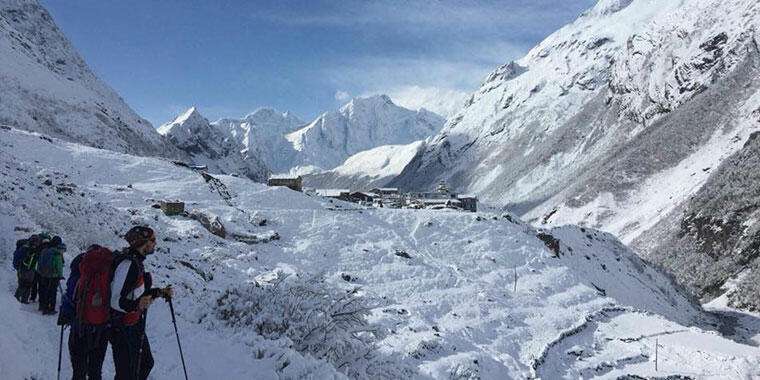
The journey takes us further up the river along the valley of the Budhi Gandaki River. Compared to the last day, the path is less steep, and within an hour of hiking, we will reach Chisapani village, but we continue on our route, north through terraced Ekle Bhatti village fields to grassy slopes dotted with pine trees. We will then be crossing the Budhi Gandaki bridge, and from the path, we will see the Shar Khola and Tsum Valley. You will then cross a bamboo forest to reach Deng. From Deng, the route ascends and descends several times until we reach Ghap - a Tibetan-style village. At Ghap, you can notice elegant carvings on Mani walls.
Today's path will consist of be passing below a huge overhanging rock mountain and forests full of different species of animals like langur monkeys and birds - including Danphe, the national bird of Nepal. You will be passing through a stone archway and entering Namrung - famous for its typical houses. From Namrung, we climb past the mani walls and enter a forest continuing the hike. Slowly, you will get to enjoy the glorious views of Manaslu North (7,157m) and Naike Peak (5,515m). Once you cross a small stream, you will reach Lho. Lho is a comparatively large settlement full of Tibetan-style chortens and gigantic mani walls.
From Lho, we descend to streams and then ascend once more. Around two hours of the hike takes you to the Shyaula plateau surrounded by Ngadi Chuli Peak (25,823ft / 7,879m), Hiunchuli (7,893m). From Shyala, our path slightly ascends and then drops down to a river - that originates from Pungyen Glacier. Then we pass several chortens and gompas to reach Thosang Khola. After Thosang Khola, we descend into a rock-strewn moraine, and little ahead lies Samagaun.
We acclimatize at Samagaon to adjust to the thin air due to higher elevation. However, we will not stay idle but explore this village and learn about the lifestyles of the locals and their Buddhist culture. We have other options - hiking to the Manaslu Base Camp or Birendra Lake (Tal) and then climbing the ridge to Pungyen Monastery. This monastery lies south of Samagaon and takes about a two-and-a-half-hour hike. It is hidden behind the ridge in front of Manaslu and gives us tremendous views of the glaciers. Similarly, Birendra Tal is a glacial lake at 3,450m where ice blocks tumble into the lake with thunderous displays.
Today's trek is comparatively more pleasant because you will be trekking at flatlands. You will be passing through pasture areas and slowly ascending to the valley. The trail leads us to juniper and birch forests and reaches down the Budhi Gandaki river, which you will cross on a wooden bridge over it. From the route, you will be getting amazing views of the mountains, especially Manaslu, as you reach Samdo - a Tibetan refugee village.
We start our walk down the edge of fields and old mani walls, then cross the wooden bridge over the Budhi Gandaki river to reach a valley. Then we hike past the Athahra Syar river, followed by Larke River. While on the route, you will be witnessing several Mani walls and prayer flags. After crossing two streams, you will get the view of Larkya Glacier, which is unquestionably magnificent. As we enjoy the view, we further trek around the valley of Salkha Khola and climb up again to reach the stone guest house (4,450m), which is not a lodge but a kind of shelter better known as Dharamsala or Larkya La Phedi.
Today will be an exciting day as we trek around the Manaslu crossing the Larkya La Pass (5,100m). We leave Dharamsala and start crossing the moraine. Then we will descend to a small lake. The trail begins to be rough and unclear as we cross the south of a steep grassy slope. Our route stays on the moraine to an edge marked by two landmarks. The prayer flags provide us the direction to our trekking as we descend to four frozen lakes. The trail climbs up once again leading to the Larkya La Pass. The Larkya La Pass (5,160m), thanks to its altitude, provides panoramic views of several mountains - Himlung, Cheo, Kang Guru, and the great Annapurna II. After admiring the natural beauty from the Larkya La Pass, the trail takes us to the top of the moraine, heading to the west and making steep, rough bends. Then, the descent begins, and the trail becomes easier to walk in and opens to a small meadow. The valley begins to widen as we near the large meadows, mani walls, and small houses, which indicates we have reached Bhimtang.
From Bimtang, after an early breakfast, we start our trail by crossing over the side of the moraine and descending to the headwaters of the Dudh Khola, which we cross on a wooden bridge. We continue through the pine and rhododendron woods to Hompuk (3,430m). From the route, you can enjoy the panoramic views of Phungi, Manaslu, Manaslu north peak, Cheo Himal, and Himlung Himal. We descend downhill for 30 minutes in the forested area to reach Sangore Kharka meadow. Then we will be crossing a landslide before making a steep climb to a ridge followed by a descent towards the river bank at Gho(2,575m). The route is filled with ups and downs, passing mostly through the fields but occasionally through dense pine forest. Less than an hour walk through the fields, and intermittent stands of rhododendron and oak trees take us to Tilije, a multi-ethnic community settlement. After resting at Tilije, we continue our trek crossing the Dudh Khola, and following along its bank, we descend through the scrub forest. The walls of the Marsyangdi Valley loom larger, and, finally, the houses of Dharapani appear in the distance. Passing through Thonje via a wooden bridge and through a chorten-shaped arch, we arrive at Dharapani after crossing a long suspension bridge over the Marsyangdi.
Today we will be on the road the whole day. After early morning breakfast, we leave Dharapani to Besishar on a local jeep or a bus. The scenic drive past typical villages, Marsayangdi river, Bhulbhule town will take four to five hours. To be on schedule, we should be reaching Besisahar before 3 pm to catch the last bus to Kathmandu. If we cannot catch a bus on time, we need to extend our trip by a day. The bus will move along the Prithivi Highway following the Marsyandi and Trisuli rivers and continue to Kathmandu, where your journey had started.
Route Map
Click to View Full Route Map
×
Frequently Asked & Question
Booking a trip on our website is easy and accessible. Simply browse through the trekking packages available and select the trip that suits your interest. Click on the" Book Now" button on the package runner, fill in your particular details and favored trip dates, and do with the secure payment process. Once your booking is verified, you'll admit a evidence dispatch with all the necessary trip details and farther instructions. However, our support platoon is always ready to help, If you encounter any issues or need backing during the booking process.
In Nepal, we accept a range of payment styles for your convenience. These include major credit and debit cards( Visa, MasterCard, American Express), as well as popular online payment platforms like PayPal. We also accept bank transfers and payments via eSewa or Khalti, which are generally used digital holdalls in Nepal. For any other payment options or backing, please communicate us, and we’ll be happy to help.
Yes, we offer group booking discounts for larger parties. If you are booking for a group, the discount amount depends on the size of the group and the specific trekking package. Typically, groups of 3 or more participants are eligible for a discount. For exact pricing and discount details, please contact us directly with your group’s size and the trek you’re interested in. We’re happy to offer customized packages and ensure a great experience for your entire group!
No. Manaslu is a restricted area requiring a licensed guide and an organized group of at least two trekkers.
No ATMs exist on the trail. Bring sufficient Nepali rupees from Kathmandu for personal expenses.
Coverage is limited and unreliable. Some teahouses offer paid Wi-Fi, but expect periods without connectivity.
Guides assess conditions daily. If the pass is impassable, the group waits for clearance or arranges helicopter evacuation from Samagaun.
Yes. Comprehensive coverage including helicopter rescue and high-altitude trekking is required.
Vegetarian meals including dal bhat and vegetable dishes are standard at all teahouses.
Yes. Options include extra acclimatization days, side trips to Tsum Valley, or combinations with other trekking regions.
Book Your Tour
Reserve your ideal trip early for a hassle-free trip; secure comfort and convenience!