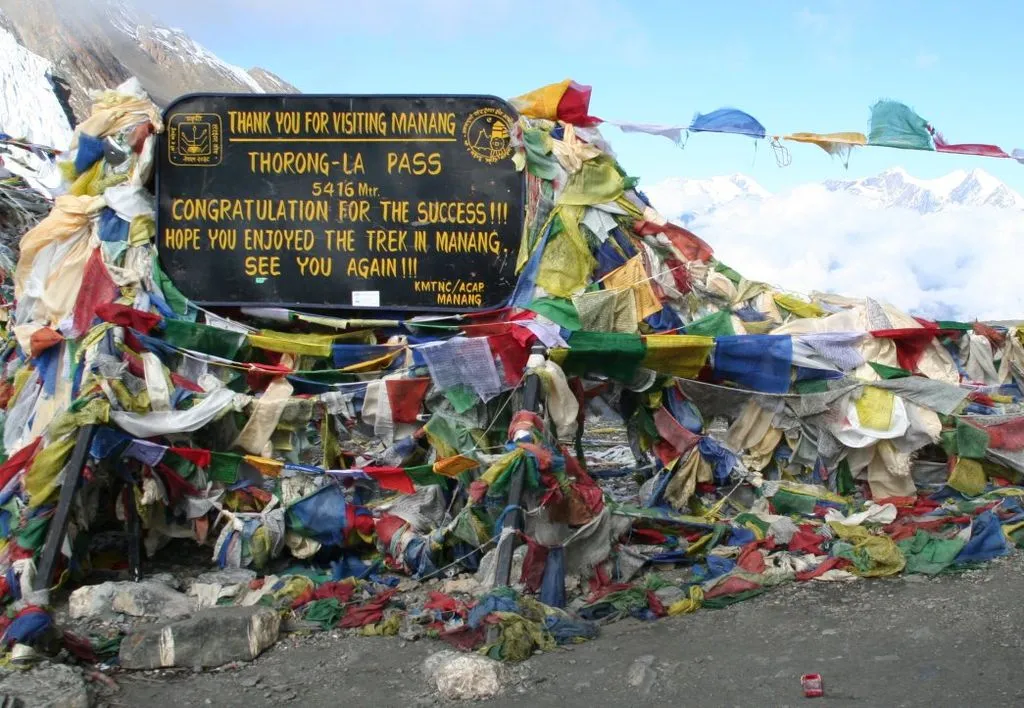
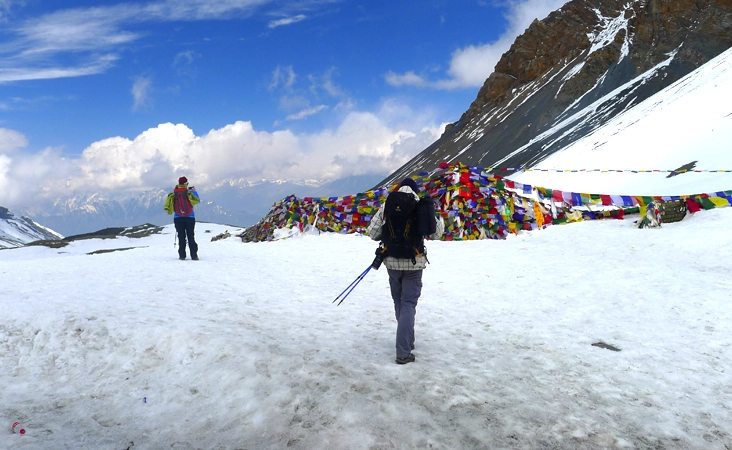
Have you ever wondered if you could experience the legendary Annapurna Circuit without taking three weeks off work? The classic route once required walking through rice paddies and dusty road sections for days before reaching the dramatic high-altitude terrain. Today, strategic jeep transfers make it possible to complete this iconic trek in just 10 days while still experiencing the highlights: Tibetan villages in Manang Valley, the 5,416-meter Thorong La Pass crossing, and the sacred Muktinath temple complex.
In this blog, we cover everything you need to know about the Annapurna Circuit 10 day trek, including the complete day-by-day itinerary, realistic costs, required permits, difficulty level, best trekking seasons, and practical tips to help you prepare for this shortened version of Nepal’s most famous circuit trek.
What Is the Annapurna Circuit Short Trek
The Annapurna Circuit Short Trek is a condensed version of Nepal’s classic 15 to 18 day route that uses jeep transfers to skip the lower road sections. You start with a 4WD ride from Besisahar to Chame, cutting out several days of walking along dusty roads that now see regular vehicle traffic. From Chame onward, the trail delivers everything that made the Annapurna Circuit famous: Tibetan-influenced villages in the Manang Valley, the challenging crossing of Thorong La Pass at 5,416 meters, and the sacred pilgrimage site of Muktinath.
The trade-off is straightforward. You gain time but lose the gradual acclimatization that comes with walking the lower sections. For trekkers with limited vacation days and reasonable fitness, the short version captures the essential experience without the extra week. The trek covers approximately 100 kilometers of actual walking, with the highest point at Thorong La Pass and overnight stays ranging from 2,670 meters in Chame to 4,925 meters at Thorong High Camp.
Can You Complete the Annapurna Circuit in 10 Days
Yes, you can complete the Annapurna Circuit in 10 days. The key is using strategic jeep transfers to skip the lower road sections. The traditional route requires walking from Besisahar through lower villages that now have road access, adding several days without significant scenic payoff. The short trek approach skips these road sections entirely and gets you straight to the mountain scenery.
The 10-day itinerary works best for trekkers with moderate fitness who have some prior hiking experience. Because you gain altitude more quickly than on the traditional route, arriving in good physical condition helps your body adapt to the thinner air. Most people who trek regularly or maintain a decent cardio fitness level handle the pace without major issues.
Approach
Duration
Starting Point
Trade-offs
Traditional Route
15-18 days
Besisahar (walking)
More gradual acclimatization, dusty road sections
Short Trek
10 days
Chame (via 4WD)
Faster pace, requires prior fitness
What Permits Do You Need for the Annapurna Circuit Trek
You need two permits to trek the Annapurna Circuit: the Annapurna Conservation Area Permit (ACAP) and the Trekkers’ Information Management System (TIMS) card. Both permits are mandatory for all trekkers entering the Annapurna region, and most organized trek packages include these fees in the total cost.
Getting permits sorted before you start trekking saves time and hassle on the trail. You can obtain both permits in Kathmandu through your trekking agency, or pick them up at the Nepal Tourism Board office. Some trekkers also get their ACAP at the checkpoint in Besisahar, though this can add delays if there are queues.
Annapurna Conservation Area Permit
The ACAP costs NPR 3,000 for foreign nationals and directly supports conservation work in the Annapurna region. Revenue from these permits funds trail maintenance, waste management programs, and community development projects in mountain villages. You will need two passport photos and a copy of your passport to apply. The permit gets checked at multiple points along the circuit, so keep it accessible in your daypack.
TIMS Card
The TIMS card is a safety registration system that records your trekking route, personal details, and emergency contact information. In case of natural disasters, accidents, or emergencies, the database helps rescue teams locate trekkers quickly. The card costs around NPR 2,000 and requires the same documents as the ACAP. Checkpoints along the trail will ask to see both your ACAP and TIMS card, so carry them together.
When Is the Best Time for the Annapurna Circuit Short Trek
The best time to trek the Annapurna Circuit is during autumn (September to November) and spring (March to May). These two seasons offer the most stable weather, clear mountain views, and comfortable trekking temperatures. Autumn is the peak season with the clearest skies, while spring brings blooming rhododendrons and slightly warmer conditions.
Winter and monsoon treks are possible but come with significant challenges. Winter brings heavy snow that can close Thorong La Pass for extended periods, while monsoon rains make trails slippery and obscure mountain views. Most experienced trekkers avoid these seasons unless they have specific reasons for going during off-peak times.
Season
Conditions
Visibility
Crowds
Spring (March-May)
Mild temperatures, rhododendron blooms
Clear views before pre-monsoon haze
Moderate
Autumn (September-November)
Stable weather, cool nights
Best visibility, crisp skies
Peak season
Winter (December-February)
Cold, possible snow on Thorong La
Clear but pass may close
Low
Monsoon (June-August)
Heavy rain, leeches on lower trails
Limited mountain views
Very low
Spring Season
Rhododendron forests explode with color during March and April, covering the lower trails in red, pink, and white blooms. Temperatures stay comfortable for trekking, though afternoon clouds sometimes roll in and hide the peaks. Spring sees fewer trekkers than autumn, so teahouses are easier to book and trails feel less crowded. The weather is generally stable, but occasional pre-monsoon showers can happen in late May.
Autumn Season
October and November bring the clearest skies and most reliable weather of the year. Mountain views stay sharp and unobstructed, making autumn perfect for photography and summit attempts. Nights get cold at higher elevations, but daytime temperatures remain pleasant for walking. The downside is popularity. Teahouses fill up fast, and popular sections of the trail can feel busy, especially around Manang and near Thorong La Pass.
Winter and Monsoon Conditions
Winter treks are doable but risky. Heavy snowfall can shut down Thorong La Pass for days or even weeks, and temperatures at high camp plunge well below freezing. You need proper cold-weather gear and flexibility in your schedule. Monsoon season from June to August brings daily rain, slippery trails, and leeches in the lower forests. Mountain views disappear behind clouds, and landslides occasionally block roads and trails.
How Difficult Is the Annapurna Circuit Trek
The Annapurna Circuit Short Trek is moderately difficult to challenging, mainly because of the altitude and the physical demands of crossing Thorong La Pass. You will walk five to seven hours daily over varied terrain that includes steep climbs, rocky descents, and high-altitude sections where the air gets thin. Previous trekking experience helps, but fit beginners with proper preparation can complete the circuit successfully.
The biggest challenge is not the distance but the altitude gain. Thorong La Pass sits at 5,416 meters, and your body needs time to adjust to the reduced oxygen levels. Trekkers who rush the itinerary or skip acclimatization days face a much higher risk of altitude sickness. Physical fitness matters, but pacing yourself and listening to your body matters even more.
Physical demands: Sustained uphill and downhill walking for several hours daily
Altitude challenge: Thorong La Pass requires proper acclimatization
Prior experience: Previous multi-day trekking helpful but not required
Preparation: Cardio training and hiking at least two months before departure
Cardiovascular fitness matters more than raw strength on this trek. Running, cycling, or stair climbing for several weeks before you leave helps your body handle the sustained effort at altitude. Practice hikes with a loaded backpack condition your legs and break in your boots, which prevents blisters and sore feet on the trail. For comprehensive preparation advice, check our guide on training for high altitude treks in Nepal.
Where Do You Stay and What Do You Eat on the Annapurna Circuit
You stay in teahouses along the Annapurna Circuit, which are basic mountain lodges that provide beds and meals. Rooms usually have twin beds with foam mattresses and blankets, though you should bring your own sleeping bag for warmth at higher elevations. Bathrooms are shared at most lodges, and hot showers cost extra (usually around NPR 200 to 500).
Food options are surprisingly varied considering you are trekking in remote mountains. Most teahouses serve a mix of Nepali, Tibetan, and Western dishes. Dal bhat is the most popular choice because it comes with unlimited refills and provides the calories you need for long trekking days. Prices increase as you gain altitude, so a meal that costs NPR 400 in Chame might cost NPR 800 at Thorong High Camp.
Common menu items include:
Dal bhat: Traditional Nepali meal of rice, lentil soup, vegetables, and pickles (unlimited refills)
Noodle soups: Thukpa and ramen available at most lodges
Tibetan bread: Popular breakfast item with honey or jam
Drinks: Tea, coffee, and bottled water (prices increase with altitude)
What Should You Pack for the Annapurna Circuit Trek
Pack layers for rapidly changing weather conditions, from hot afternoons in Manang to freezing mornings at Thorong High Camp. The key is bringing versatile clothing that you can add or remove quickly as temperatures shift throughout the day. A good rule is to pack light but cover all weather scenarios, from rain and wind to snow and intense sun.
Your trekking boots are the most important item. Make sure they are broken in before you start the trek to avoid blisters. Everything else on this list has been tested by thousands of trekkers on the circuit, so stick to the essentials and avoid overpacking.
Clothing and Layers
Moisture-wicking base layers
Insulating fleece or down jacket
Waterproof outer shell jacket and pants
Warm hat and sun hat
Gloves and liner gloves
Footwear
Broken-in trekking boots with ankle support
Warm socks (wool or synthetic)
Camp sandals or light shoes for evenings
Gear and Equipment
Trekking poles
Headlamp with extra batteries
Sunglasses with UV protection
Daypack and rain cover
Sleeping bag rated for cold temperatures
Toiletries and First Aid
Sunscreen and lip balm with SPF
Personal medications and altitude sickness tablets (consult doctor)
Hand sanitizer and wet wipes
Water purification tablets or filter
Tips for Trekking the Annapurna Circuit in 10 Days
1. Train at Least Two Months in Advance
Cardiovascular exercises like running, cycling, or stair climbing prepare your heart and lungs for sustained effort at altitude. Practice hikes with a loaded pack help condition your legs and break in your boots before the trek begins. You do not need to be an athlete, but showing up in decent shape makes the experience far more enjoyable and reduces your risk of injury or exhaustion.
2. Hydrate and Walk Slowly to Acclimatize
Drinking three to four liters of water daily helps your body adjust to altitude more effectively. Walking at a pace where you can hold a conversation without gasping reduces the strain on your system. The Nepali phrase “bistari bistari” means “slowly slowly,” and it is the best advice for high-altitude trekking. Rushing increases your altitude sickness risk and drains your energy faster.
3. Carry Cash for Higher Altitudes
ATMs disappear after Chame, and credit cards are rarely accepted in mountain teahouses. Bring enough Nepali rupees to cover personal expenses like hot showers, Wi-Fi, device charging, and snacks throughout the trek. A rough estimate is NPR 3,000 to 5,000 per day for extras beyond what your trek package covers.
4. Book a Licensed Guide and Porter
Nepal now requires all trekkers to hire a licensed guide for treks in national parks and conservation areas. Local guides provide invaluable knowledge about trail conditions, weather patterns, and cultural context. Porters carry your main bag, which lets you trek with just a light daypack and makes the daily walking far less exhausting.
5. Pack Layers for Rapid Weather Changes
Morning temperatures at Thorong High Camp can hover around -10°C, while afternoon sun in Manang might feel like 15°C. Having layers you can quickly add or remove prevents overheating during climbs and chilling during rest stops. The weather in the mountains changes fast, so being able to adjust your clothing quickly keeps you comfortable all day.
How Do You Stay Safe at High Altitude on Thorong La Pass
Acute Mountain Sickness (AMS) happens when your body cannot adapt quickly enough to reduced oxygen levels at high altitude. Symptoms range from mild headaches and fatigue to severe complications that require immediate descent. The best prevention is slow ascent, proper hydration, and taking acclimatization days seriously.
Recognizing symptoms early makes all the difference. Mild headaches and tiredness are common at altitude, but if symptoms get worse or new ones appear, you need to stop ascending and consider descending. Ignoring warning signs can lead to life-threatening conditions like high-altitude pulmonary edema (HAPE) or high-altitude cerebral edema (HACE).
Mild symptoms: Headache, fatigue, loss of appetite, mild nausea
Moderate symptoms: Severe headache, vomiting, difficulty sleeping
Severe symptoms: Confusion, breathlessness at rest (descend immediately)
The “climb high, sleep low” principle guides safe altitude gain. On acclimatization days, hiking to a higher elevation and returning to sleep at a lower camp helps your body produce more red blood cells without the stress of sleeping at the higher altitude. This is why the rest day in Manang includes a hike to Ice Lake or another high point before returning to the village for the night.
If symptoms appear, the most effective treatment is descent. Even dropping 300 to 500 meters often brings rapid relief. Do not push through severe symptoms hoping they will improve. Descending saves lives, and you can always try again once you have recovered.
What Side Treks Can You Add to the Annapurna Circuit
Several side treks extend the Annapurna Circuit and add extra adventure if you have more time. These detours take you to high-altitude lakes, viewpoints, and less-traveled valleys that most trekkers skip. Adding a side trek means more days on the trail, but the extra effort often rewards you with quieter trails and unique experiences.
The most popular extensions are Tilicho Lake, Ice Lake, and Poon Hill. Each offers something different, from remote high-altitude lakes to sunrise viewpoints over the Annapurna range. Your fitness level, available time, and personal interests will determine which side trek makes the most sense for your itinerary.
Tilicho Lake
Tilicho Lake sits at 4,919 meters and ranks as one of the highest lakes in the world. The detour from Manang adds two to three extra days to your itinerary. The trail to Tilicho is more remote and challenging than the main circuit, with fewer teahouses and rougher conditions. The lake itself is stunning, surrounded by snow-covered peaks and often partially frozen even in trekking season.
Ice Lake Above Manang
This half-day hike climbs to 4,600 meters and offers panoramic views of the Annapurna range. Many trekkers use Ice Lake as their acclimatization activity on the rest day in Manang. The trail is steep but well-marked, and reaching the lake takes about three to four hours from Manang village. The views from the top make the climb worthwhile, and the descent back to Manang is quick.
Poon Hill Extension From Pokhara
After completing the circuit, some trekkers add a two to three day trek to Poon Hill for sunrise views over the Annapurna and Dhaulagiri ranges. The Poon Hill trek is much easier than the circuit, with lower elevations and gentler trails. It is a nice way to wind down after the intensity of Thorong La Pass while still getting more mountain views.
Book Your Annapurna Circuit Short Trek With Wilder Way Trekking
Responsible tourism: Explore with minimal environmental impact
Competitive pricing: Transparent costs with taxes included
24/7 support: Assistance from inquiry to trek completion
Licensed guides: Experienced local guides for safety and cultural insight
Discounts are based on your group size. We do not add anyone to your group.
No. of Persons
Price per Person
1 Pax
US$ 950
2 - 4 Pax
US$ 899
5 - 8 Pax
US$ 850
9 - 15 Pax
US$ 799
×
Enquiry Form
Included and Excluded
Drive from Kathmandu to Besishar to Chame and Muktinath to Tatopani to Pokhara by local bus.
Pokhara to Kathmandu by tourist bus
One night accommodation with attached bathroom in in Pokhara
Total 8 nights - five nights rooms with an attached bathroom at Besishar, Chame, Pisang, Muktinath, and Tatopani. Three nights standard rooms at Manang, Ledar, and Phedi / High Camp (Twin Sharing Room)
All standard full-board meals (9 lunches, 8 dinners, and 10 breakfasts) during the trek
Government licensed experienced trek leader (guide) and porter to help trekkers luggage (2 trekkers will share 1 porter, luggage weight limit 9 kg per trekker).
Guides and porters meals, insurance, salary, lodging, transportation, and other necessary equipment
Annapurna Conservation Area Permit (ACAP) fee
Trekkers Information Management System (TIMS) card fee
All government, local taxes, and official expenses
Souvenir - a company's T-shirt & cap
WIlder Way Trekking Certificate of appreciation after the successful trek
Farewell dinner at the end of the trek at Kathmandu
International flight costs
Nepal entry visa fees at Tribhuwan Internationa Airport- (15 days - $25-30, 30 days- $40-50 and 90 days- $100-110)
Excess baggage charges (limit is 9kg weight per trekker)
All accommodations and meals in Kathmandu, before and after we start the journey
Lunch and dinner in Pokhara
Extra night accommodation and meals in Kathmandu and Pokhara due to early arrival, or late departure, or early return from the trek
Personal expenses - shopping, snacks, bottle or boiled water, hot drinks (tea, coffee), cold drinks, alcoholic drinks, shower, Wi-Fi, laundry, telephone call, battery re-charge fee, extra porters, etc.
Personal clothing and gear
Travel insurance which has to cover emergency high-altitude rescue and evacuation compulsory
Tips for guide and porters
Additional costs or delays caused by conditions beyond company control like landslides, bad weather conditions, itinerary modification due to safety concerns, illness, change of government policy, political strikes, mass movements, etc
All the costs and expenses which are not listed in "What is included in Annapurna Circuit Package (10 days)?" above
Highlights of the Tour
Thorong La Pass at 5,416 meter
Blue sheep at Yak Kharka
Spectacular views of Mt. Annapurna, Thorung Peak, Nilgiri, Chulu West, and Chulu east, Tukuche Peak, Dhaulagiri, Lamjung Himal, Annapurna II, and Annapurna IV
World’s deepest Kali Gandaki Gorge
Magnificent lakes, glaciers, gorges, and waterfalls
Visit Muktinath, a sacred place for both Hindus and Buddhists
Visit the beautiful Manang district and interact with its people
Jomsom’s busy marketplace
Visit Barge Monastery, the largest in Manang
Hot springs in Tatopani
Itinerary
Early morning after breakfast, we take a local bus to Besishar, which takes about 6-7 hours (190 Km). The route passes out of the valley along the picturesque Trishuli river to Besisahar, situated along the Marsyangdi River. Throughout your ride, you will see amazing terraced farms, beautiful villages, gorgeous Ganesh and Manaslu snow peaks.
We take a local bus to Chame. The bus route passes through several jungles and terrace farms along the Marsyangdi River. We will be passing through the peaceful Jagat Bazaar and stopping briefly at Dharapani (1860m) to register our permit. Dharapani is the main entry point for Annapurna Trek. Then, we continue our bus ride until we reach Chame. Chame has a busy bazaar and rejuvenating hot springs along the Marsyangdi river- where we can relax. From Chame, you can witness the fantastic views of Annapurna II (7,937m) and Lamjung Himal (6,932m) up the valley, and if you look back, you will be able to see the Manaslu (8,154m) and Peak 29 (7,833m)
Our actual steps on the trail start from Chame, first, we walk through a steep and narrow valley to catch the views of Paungda Danda Rock face, a curved rock face rising 1500m from the river. Along with Paungda Danda Rock, you will also get clear views of Annapurna II in the south and Pisang Peak in the northeast. Then we descend to the Manang Valley floor to reach Pisang - the destination for this day.
This day we continue our trek on the upper trails of Pisang via Geru. We choose this trail as it offers the outstanding northern face of Annapurna II, III, IV, Gangapurna, Tilicho, and Pisang Peak. As we ascend, you will feel the air turn cold, dry, and harsh. This trail will take you through several Tibetan-style settlements from where you get a chance to explore Buddhist culture before reaching Manang. In Manang, we will pay a short visit to Barge Monastery - the largest monastery in Manang.
The fifth day on our trail is challenging as we will be gaining an elevation of more than 500 meters. We first make our way to reach Tanki Manang (upper Manang Village). At Tanki Manang, you can see stone-built houses with flat roofs, and as you move ahead, you will realize that you are nowhere near any other settlements. The place is desolate. As you continue further, you will reach a tiny village - Gunsang, and shortly after, you will arrive at a peaceful meadow known as Yak Kharka. The path to Yak Kharka might have been challenging, but from Yak Kharka, the trail to Ledar is easy. We will spend our night at Ledar.
Today's trek will be a short one - 3 to 4 hours as it also helps the acclimatization process. We leave Ledar behind and continue our walk, which takes us across Jorsang River (4310m) and to Phedi (4,525m/14,525ft). Phedi is a Nepali word for the foot of the hill. We push ourselves forward to Thorung High Camp (4,925m/16,158 ft) for the night.
The most challenging part of the trip lies on our seventh day, as we will be crossing Thorong La Pass, one of the highest passes in the world, and the highest point of this trek. We wake up very early at 3 am to face this challenge and push ourselves against icy air and rough high-altitude trails, but the views from the pass are totally worth it. From the Thorong La Pass, on your north, you will see a panorama of majestic Himalayan peaks extending to Tibet, and as you turn back, you can see the Annapurna massifs. After enjoying the views from the Thorong La Pass, We descend to Muktinath. The descent is quite steep and will take between 3 to 4 hours. Muktinath is sacred for both Hindus and Buddhists - the Buddhists call it Chumig Gyatsa, which in Tibetan means Hundred Waters. Muktinath Temple has 108 water sprouts with icy-cold water flowing from Kali Gandaki. Moreover, you can also see the eternal flame that has been burning there for more than 2,000 years.
On our eighth day, we take public transport from Muktinath. The road heads down the valley to Jomsom. We will soon find ourselves at the bottom of Kali Gandaki river valley and to Jomsom, district headquarters of Mustang. Jomsom's bustling marketplace provides a great change from the scenic farms and rural villages we had previously visited. We will stop and rest for a while in Jomsom and catch a local bus to Tatopani. Our journey passes along the deepest gorge in the world, and it will take us from the arid high elevation terrain to the lowlands with lush jungle and farmlands. Throughout your bus journey, you get to enjoy the great views of the Annapurna and Dhaulagiri Himalayan ranges until we finally reach Tatopani. At Tatopani, we can take a dip in the nearby hot springs before settling for the night. (Tatopani means hot water in Nepali.)
We wake up early in our hotel in Tatopani and take a local transport, and head to Pokhara. Your journey will take roughly seven hours, and before reaching Pokhara, you need to pass the beautiful Beni Bazaar town. Pokhara is a tourist paradise with almost all the amenities you would ever require. We encourage you to explore Pokhara and arrange dinner for yourself. It must have been a long time since you missed your best food.
Finally, on the tenth day, early morning, you will return to Kathmandu on a tourist bus. The 200 km route first goes along the Marsyangdi River and then the Trishuli River while letting you enjoy the natural scenery and farmlands. The bus makes one last climb, and you will be back in Kathmandu. We hope that you had a memorable journey.
Route Map
Click to View Full Route Map
×
Frequently Asked & Question
Booking a trip on our website is easy and accessible. Simply browse through the trekking packages available and select the trip that suits your interest. Click on the" Book Now" button on the package runner, fill in your particular details and favored trip dates, and do with the secure payment process. Once your booking is verified, you'll admit a evidence dispatch with all the necessary trip details and farther instructions. However, our support platoon is always ready to help, If you encounter any issues or need backing during the booking process.
The Annapurna Base Camp Short Trek is considered a moderate- level journey, suitable for individualities with a reasonable level of physical fitness. It involves walking for 5 to 7 hours daily on rugged terrain with significant ascents and descents.
The ideal seasons for this journey are spring( March to May) and autum( September to November), offering stable rainfall, clear skies, and excellent mountain views.
Book Your Tour
Reserve your ideal trip early for a hassle-free trip; secure comfort and convenience!