What if you could trek into a valley where time stands still, where ancient Buddhist traditions remain untouched, and where outsiders were forbidden to enter until just over a decade ago? Tsum Valley, tucked near the Tibetan border in Nepal’s Manaslu region, is that rare sanctuary, a beyul, or sacred hidden land, where the Tsumba people have preserved their spiritual heritage for centuries.
In this blog, we’ll walk you through everything you need to know about the Tsum Valley Trek, 16-day itinerary, including the complete day-by-day route, altitude challenges, permit requirements, costs, accommodation options, best trekking seasons, and how to prepare physically for this moderate-to-challenging journey into one of the Himalayas’ last truly hidden valleys.
Tsum Valley Trek at a Glance
The 16-day Tsum Valley Trek is a cultural and spiritual journey into one of Nepal’s last hidden Himalayan sanctuaries. The route passes through ancient Tibetan-Buddhist villages and sacred monasteries like Mu Gompa and offers panoramic views of the Ganesh Himal and Sringi Himal ranges. Because Tsum Valley sits near the Tibetan border and remains a restricted area, all trekkers travel with a registered guide and obtain special permits through a licensed agency.
Duration: 15 Nights/16 Days
Region: Manaslu Conservation Area, Nepal
Maximum Altitude: 5,106m at Larke La Pass (3,700m if Tsum Valley only)
Difficulty: Moderate to challenging
Best Season: March to May and September to November
Where Is Tsum Valley and Why It Is the Hidden Valley of Nepal
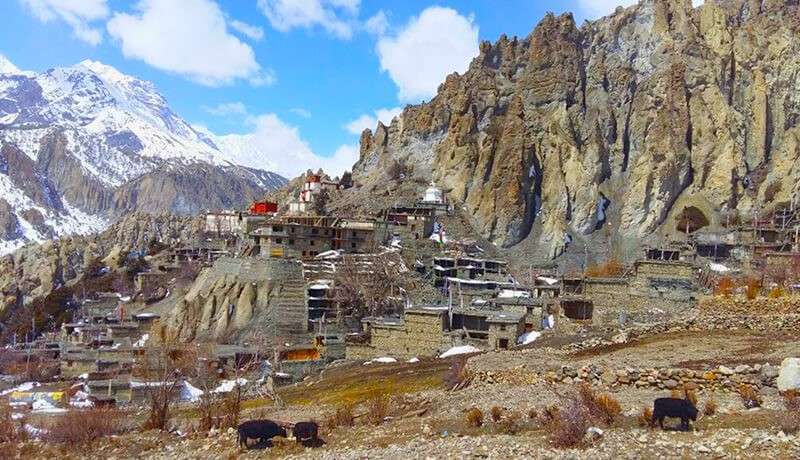
Tsum Valley sits tucked between the Ganesh Himal and Sringi Himal ranges in the upper Budhi Gandaki gorge of Gorkha District. The valley remained completely closed to outsiders until 2008, which preserved its Tibetan Buddhist heritage and traditional way of life almost entirely intact. Even today, the restricted status limits visitor numbers and keeps the trails remarkably quiet.
The name “Tsum” comes from the Tibetan word “Tsombo,” meaning vivid. Locals consider this a beyul, a term in Tibetan Buddhism for a sacred hidden valley blessed by Guru Rinpoche. The proximity to the Tibetan border means the culture, language, and architecture here feel distinctly Tibetan rather than Nepali, which is part of what makes this trek so different from the more popular routes.
Top Highlights of the Tsum Valley Trek
Few treks in Nepal combine spiritual depth, cultural immersion, and mountain scenery quite like this one. You walk through what feels like a living museum of Tibetan Buddhism while surrounded by some of the most dramatic peaks in the Himalayas.
Ancient Tibetan Buddhist Monasteries
The valley contains centuries-old gompas where monks and nuns still practice daily rituals. Prayer flags flutter across every ridge, and the sound of chanting drifts from monastery windows at dawn. Mu Gompa and Rachen Gompa are the most significant, though smaller shrines appear along nearly every stretch of trail.
Restricted Area Wilderness and Solitude
Limited trekker numbers keep the trails uncrowded. Unlike the busy Everest or Annapurna routes where you might pass dozens of trekkers per hour, you can walk for hours in Tsum Valley without seeing another foreign visitor.
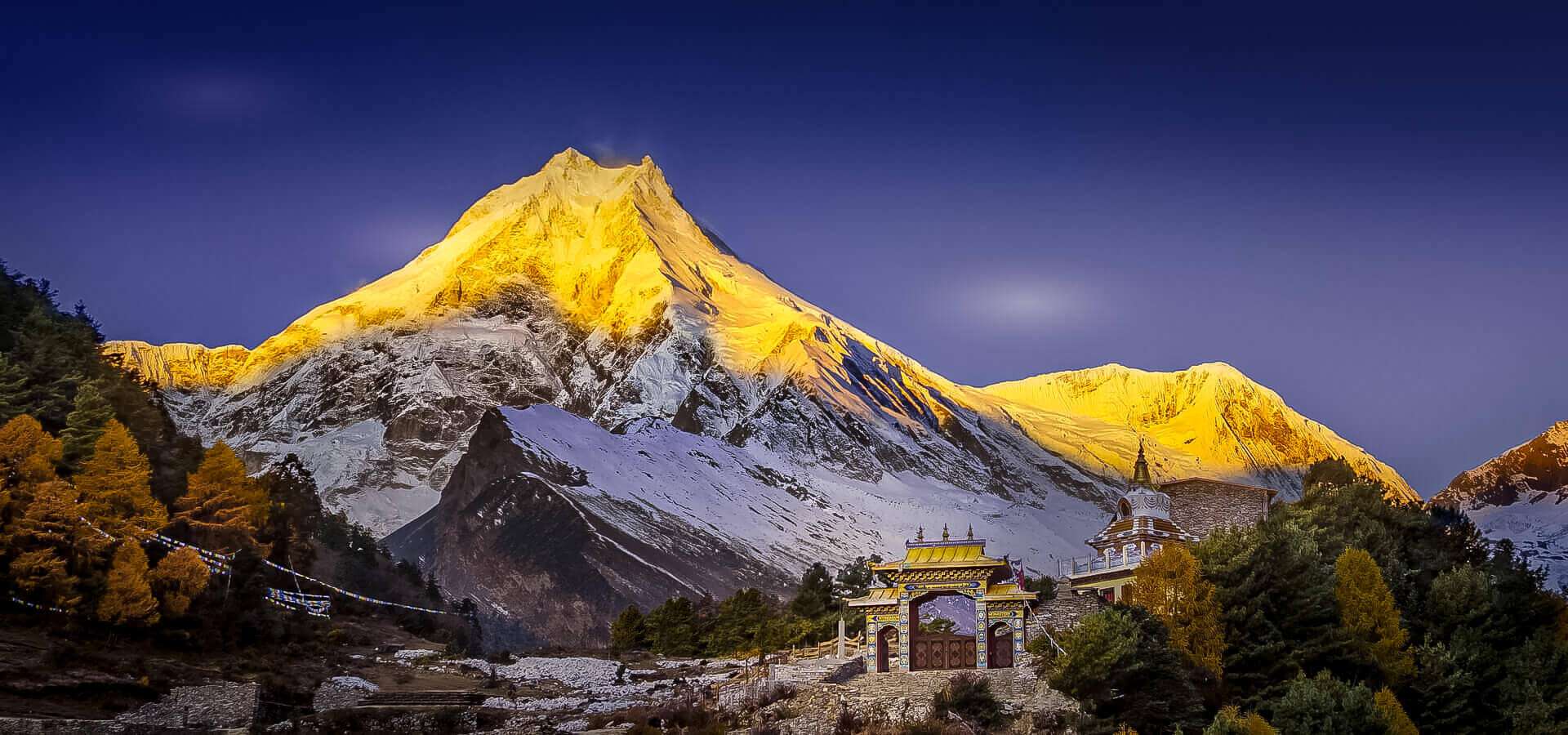
Views of Ganesh Himal, Sringi Himal and Boudha Himal
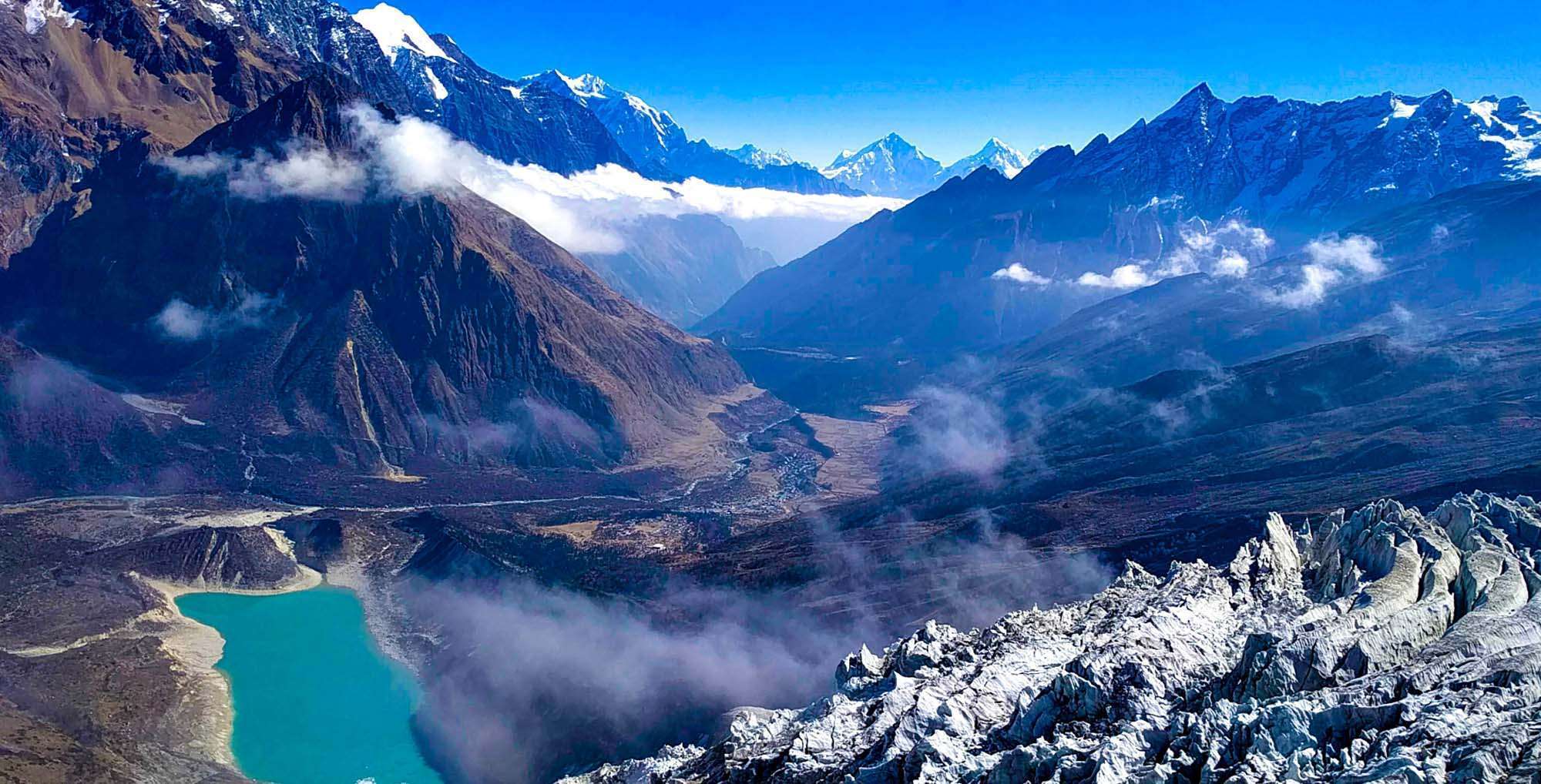
The panoramic mountain scenery unfolds gradually as you ascend. Snow-capped peaks frame the valley from nearly every angle, creating a natural amphitheater of ice and rock that reveals itself more fully with each day of walking.
Authentic Tsumba Culture and Mountain Villages
The Tsumba people speak a Tibetan dialect and maintain traditional dress, agricultural practices, and religious customs that have changed little over centuries. Stone-carved mani walls, long walls inscribed with Buddhist prayers, line the trails, some stretching hundreds of meters.
How Difficult Is the Tsum Valley Trek and What Is the Maximum Altitude?
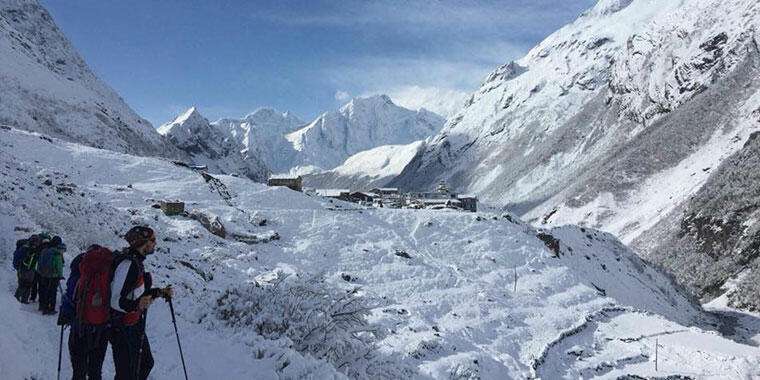
The Tsum Valley Trek is rated as moderate to challenging, but it does not require technical climbing skills. The difficulty comes from long walking days, rugged terrain, and altitude exposure rather than ropes or ice axes. Most trekkers with good fitness and some multi-day hiking experience can complete this trek with proper preparation and acclimatization.
If your itinerary includes crossing Larke La Pass, you reach 5,106 meters, a significant altitude that demands proper acclimatization. The Tsum Valley-only route tops out around 3,700 meters at Mu Gompa, which is considerably more manageable for trekkers concerned about high altitude.
Trail Conditions: Rocky paths, suspension bridges, river crossings, and forested sections
Daily Walking Hours: 5 to 7 hours on average, occasionally longer on pass days
Prior Experience: Suitable for fit trekkers with some multi-day hiking background
When Is the Best Time to Trek Tsum Valley?
The best time to trek Tsum Valley is during spring (March to May) and autumn (September to November), when weather conditions are stable and mountain views are clearest. These two seasons offer dry trails, comfortable temperatures, and excellent visibility for photography and trekking. Monsoon and winter present significant challenges including heavy rain, landslides, snow, and possible pass closures.
Autumn typically delivers the clearest mountain views, while spring brings warmer temperatures and wildflowers in the lower valleys. Either season works well, though autumn edges ahead for photography.
What Permits Are Required for the Tsum Valley Restricted Area?
The Tsum Valley Trek requires special permits because of its restricted area status near the Tibetan border. Solo trekking without an agency is not permitted, and all permits must be obtained through a registered Nepali trekking company, which handles the paperwork on your behalf. The specific permits you need depend on your exact itinerary and whether you cross Larke La Pass into the Annapurna region.
Tsum Valley Restricted Area Permit
This special permit validates your entry into the restricted zone and requires a minimum of two trekkers traveling together. Solo travelers can join scheduled group departures or pay a single supplement to trek with a guide. The permit is issued through a registered trekking agency and cannot be obtained independently.
Manaslu Conservation Area Permit
The MCAP supports local conservation projects within the Manaslu Conservation Area. Every trekker entering this region pays this fee regardless of their specific route. The permit helps fund environmental protection and community development programs throughout the area.
Annapurna Conservation Area Permit
ACAP is only required if your itinerary exits through Dharapani into the Annapurna region after crossing Larke La Pass. Not all 16-day routes require this additional permit, so the specific itinerary determines whether you pay for it. Your trekking agency will confirm which permits apply to your chosen route.
What Accommodation and Food Can You Expect on the Tsum Valley Trek?
Accommodation on the Tsum Valley Trek consists of basic tea houses that provide twin-bedded rooms with thin mattresses, shared bathrooms, and no heating. The lodges are simple but welcoming, and the hosts are friendly and accustomed to trekkers. Bringing a quality sleeping bag rated for cold temperatures makes a significant difference in comfort, especially at higher elevations where nighttime temperatures drop considerably.
Dal bhat, the traditional Nepali meal of lentils and rice, remains the most reliable and energy-dense option throughout the trek. Food variety decreases at higher elevations, where supplies arrive by porter or mule. Noodles, potatoes, Tibetan bread, and simple soups round out most menus. Portions are generous, and dal bhat typically comes with unlimited refills, which helps fuel long trekking days.
Drinking Water: Purification tablets or boiled water recommended
Charging Facilities: Available at some lodges for an extra fee
Hot Showers: Available at lower elevations for a fee, limited or unavailable higher up
Menu Options: Tibetan bread, noodle soups, momos, fried rice, and seasonal vegetables
What Are the Sacred Monasteries and Cultural Sites in Tsum Valley?
Tsum Valley is known as a beyul, a sacred hidden valley in Tibetan Buddhism, which draws pilgrims and spiritual seekers alongside trekkers. The monasteries here are not tourist attractions but active religious centers where daily practice continues as it has for centuries. Prayer flags flutter across ridges, and the sound of chanting drifts from monastery windows at dawn and dusk.
Mu Gompa
Mu Gompa is one of the largest nunneries in Nepal and sits near the Tibetan border at 3,700 meters. Resident nuns conduct daily prayer ceremonies, and visitors can observe or participate respectfully. The monastery offers stunning views of the surrounding peaks and serves as a spiritual center for the entire valley.
Rachen Gompa
This monastery in Upper Tsum houses ancient Buddhist scriptures and serves as an important religious center for the valley. The setting offers excellent mountain views, and the monastery plays a key role in preserving Tibetan Buddhist traditions. Visitors are welcome to explore the prayer halls and observe daily rituals.
Milarepa Cave at Piren Phu
Milarepa was a revered Tibetan Buddhist saint who spent years meditating in caves throughout the Himalayas. This particular cave holds deep pilgrimage significance for practitioners and is visited by both trekkers and Buddhist pilgrims. The cave is located along the trekking route and offers a glimpse into the spiritual history of the region.
Dephyudonma Gompa
Dephyudonma Gompa is a smaller but historically important monastery that plays a central role in local religious life and community gatherings. The monastery features traditional Tibetan architecture and colorful murals depicting Buddhist teachings. It is a peaceful stop along the trek and offers insight into the daily spiritual practices of the Tsumba people.
Can You Trek Tsum Valley Solo, or Do You Need a Guide?
Solo trekking without a licensed guide and agency is not permitted in Tsum Valley. The restricted area regulations require all trekkers to book through a registered Nepali trekking company to obtain the necessary permits. This rule exists because of the valley’s proximity to the Tibetan border and its protected status.
A minimum of two trekkers traveling together is required for permit issuance. Solo travelers can join scheduled group departures or pay a single supplement to trek with a guide and meet the requirements. All trekking agencies provide experienced local guides who are familiar with the terrain, culture, and safety protocols.
Can You Combine Tsum Valley With the Manaslu Circuit and Larke La Pass?
The 16-day itinerary described above includes crossing Larke La Pass and completing a portion of the Manaslu Circuit. However, alternatives exist for those seeking a less strenuous option or a different trekking experience. The combined route offers the most comprehensive experience, while the Tsum Valley-only option suits trekkers with less time or those preferring to avoid high-altitude passes.
Combined Route: Tsum Valley plus Larke La Pass crossing, more challenging, higher altitude, fuller experience
Tsum Valley Only: Out-and-back route without crossing the high pass, moderate difficulty, cultural focus
Trekkers who choose the combined route experience both the spiritual depth of Tsum Valley and the dramatic high-altitude crossing of Larke La Pass. The Tsum Valley-only route allows more time to explore monasteries, interact with local communities, and absorb the cultural richness without the physical demands of a 5,106-meter pass.
How Should You Prepare Physically for the Tsum Valley Trek?
Physical preparation for the Tsum Valley Trek should ideally begin several months before departure. The combination of long walking days, steep terrain, and altitude exposure demands a solid fitness foundation. Trekkers who arrive well-prepared enjoy the journey more and reduce the risk of injury or altitude-related issues.
Cardio Training: Build endurance through hiking, running, cycling, or stair climbing
Strength Training: Focus on legs and core for steep ascents and descents
Practice Hikes: Complete multi-day hikes with your trekking gear before departure
Altitude Simulation: If possible, train at higher elevations or use altitude training masks
Flexibility and Balance: Yoga or stretching routines help prevent injuries on uneven terrain
Trekkers should aim for at least three to four cardio sessions per week and two strength training sessions. Practice hikes with a loaded backpack help simulate trekking conditions and identify any gear issues before departure. Arriving in good physical condition makes acclimatization easier and allows you to fully enjoy the cultural and scenic highlights of the trek.
What Travel Insurance Do You Need for the Tsum Valley Trek?
Travel insurance covering helicopter evacuation up to high altitude is mandatory, not optional. The remote terrain and high passes mean evacuation may be necessary for altitude sickness or injury, and helicopter rescue costs can exceed $5,000 without coverage. Insurance provides peace of mind and ensures you receive proper medical care if needed.
Required Coverage: Helicopter evacuation, medical expenses, trip cancellation
Altitude Considerations: Ensure your policy covers trekking above 5,000m if crossing Larke La
Emergency Protocols: Guides carry first aid supplies and communication devices
Policy Verification: Confirm your insurance covers adventure trekking in Nepal
Trekkers should carry printed or digital copies of their insurance policy and emergency contact numbers. Guides are trained to recognize altitude sickness symptoms and will arrange descent or evacuation if necessary. Proper insurance coverage is a non-negotiable requirement for trekking in restricted and high-altitude areas like Tsum Valley.
Plan Your Tsum Valley Trek With Wilder Way Trekking
The Tsum Valley Trek combines spiritual depth, cultural immersion, and Himalayan grandeur in a single journey. As a government-registered operator with experienced local guides, Wilder Way Trekking handles all permits, logistics, and on-ground support. We ensure your trek is safe, well-organized, and culturally enriching from start to finish.
All Permits Handled: Restricted Area Permit, MCAP, and ACAP arranged on your behalf
Experienced Local Guides: Professional, English-speaking guides from the Manaslu region
Transparent Pricing: Starting from $1,450 per person (TAXES INCL/PERS), no hidden fees
Flexible Booking: Customize your itinerary or join scheduled departures
24/7 Support: WhatsApp and phone support from inquiry through return to Kathmandu
Safety First: Guides trained in first aid and altitude sickness recognition
Pricing Packages
16 Daysfrom US$ 1300US$ 1180pp
Save $120 Per Pax
Group-Size Discounts
Discounts are based on your group size. We do not add anyone to your group.
No. of Persons
Price per Person
1 Pax
US$ 1180
2 - 4 Pax
US$ 1100
5 - 8 Pax
US$ 1070
9 - 15 Pax
US$ 1050
×
Enquiry Form
Included and Excluded
Both-way transportation between Kathmandu and Arughat by local bus
Accommodations at best available lodges(Generally twin Sharing room)-15 Nights
All standard meals - 16 lunches, 15 dinners, and 16 breakfasts during the trek.
Government licensed English Speaking Wilder Way Trekking experienced trek leader (12 or above trekkers: 1 assistant guide).
Porters to help trekkers luggage. (2 trekkers:1 porter) Luggage weight limit per trekker is 9 kg.
Guides and porters' salary, their meals, insurance, lodging, transportation, and other necessary equipment
Tsum Valley special permit and Conservation Area Permit fees.
Water purification tablets for safe drinking water
Snacks (cookies) and seasonal fresh fruits every day
All government, local taxes, and official expenses
Arranging rescue operations in case of complicated health conditions (funded by travel insurance)
Souvenir - a company's T-shirt & a cap
Wilder way Trekking trek achievement certificate after the successful trek
Farewell dinner in Kathmandu at the end of the trek
International flight costs
Excess luggage charges (Luggage weight limit is 9 kg per person)
Visa fees at Tribhuvan International Airport. USD 50 for a 30-day sta
All accommodation and meals in Kathmandu, before and after the journey
Extra night accommodation in Kathmandu due to early arrival or late departure, early return from the trek.
Personal expenses (shopping, snacks, boil bottle water, hot (tea/coffee) and cold drinks, hot shower, alcohol, Wi-Fi, telephone call, battery re-charge fee, extra porters, etc
Personal clothing and gear
Travel insurance has to cover emergency high-altitude heli-rescue and evacuation (compulsory)
Tips for guide and porters
Additional costs due to delays caused by circumstances beyond our control, such as landslides, weather conditions, itinerary modification due to safety concerns, illness, changes in government policies, strikes, etc
All the costs and expenses not listed in "cost includes" are counted as excludes
Highlights of the Tsum Valley Trek 16 Days
Explore the remote and culturally preserved Tsum Valley in the Manaslu region of Nepal.
Trek through traditional Tibetan Buddhist villages including Chumling, Chhokang Paro, Nile, and Mu Gompa.
Visit the sacred Mu Gompa, one of the highest and most important monasteries in Tsum Valley.
Experience authentic Himalayan culture, ancient traditions, and centuries-old Buddhist heritage.
Enjoy spectacular views of Ganesh Himal, Sringi Himal, Boudha Himal, and surrounding snow-capped peaks.
Walk through pristine forests, deep river gorges, terraced farmlands, and alpine landscapes.
Discover ancient monasteries, mani walls, prayer flags, chortens, and sacred pilgrimage sites.
Visit the historic Rachen Gompa, a renowned Buddhist nunnery in the upper Tsum Valley.
Experience the peaceful atmosphere of a restricted trekking region with fewer crowds. Cross suspension bridges over the Budhi Gandaki River and scenic mountain streams.
Learn about the unique culture and lifestyle of the Tsumba people.
Explore hidden Himalayan valleys rich in spiritual and cultural significance.
Witness diverse flora and fauna within the Manaslu Conservation Area.
Stay in traditional teahouses and interact with welcoming local communities.
Follow ancient trade and pilgrimage routes connecting Nepal and Tibet.
Enjoy a moderate off-the-beaten-path trekking experience ideal for culture and nature enthusiasts.
Experience panoramic mountain vistas, remote settlements, and untouched Himalayan wilderness.
Combine adventure, spirituality, cultural immersion, and natural beauty in a single Himalayan journey.
Itinerary
After early morning breakfast, you will start the journey with a scenic drive to Arughat, followed by Soti Khola. The bus will follow the Prithivi Highway, west of Kathmandu, along the banks of the Trishuli river. After a few hours, you will reach Dhading Bensi, the district headquarters of Dhading. From Dhading Bensi, the bus will follow the Budhi Gandaki river and head to Arughat Bazaar, providing exceptional views of Mt. Manaslu and Ganesh Himal on the way. Arughat Bazaar is a compact settlement on both the banks of Budhi Gandaki and joined by a suspension bridge. A drive of about two hours from Arughat will take you to Soti Khola.
You will head to Machha Khola early morning. The trek begins by crossing the Soti Khola as you enjoy the attractive views of several waterfalls and rivulets. Then you will be walking inside a beautiful Sal forest and head to a ridge above the gigantic Budhi Gandaki rapids. You will then make your way to Liding and then to Khursane. From Khursane, you will descend by the sides of terraced farmlands to reach an ethnic Gurung village called Lapubesi. Then the path enters a wide valley, and you will follow the sandy river banks of Budhi Gandaki to reach Nauli Khola, which you must cross to reach Maccha Khola.
After early morning breakfast, you will trek through a fertile landscape, across several ups and downs, and reach Tharo Khola, which you will cross to enter Khorlabesi. Then, you will leave Khorla Besi behind and reach Tatopani. Tatopani means hot water in Nepali, and, sure enough, there is a natural hot spring at Tatopani. The valley you will be trekking on now starts to get narrower and leads to Budhi Gandaki River, which you need to cross on a suspension bridge. Then comes a stone staircase adorned with prayer flags to reach Tharo Bharyang. You will continue along a path paved with stones to Jagat, a town that lies west of the Budhi Gandaki River.
Before heading to Lokpa, we register our permits for Manaslu and Tsum valley at the entry checkpoint in Jagat. Then we will climb over a rocky ridge to Salleri, where we stop for a while to enjoy the views of Mount Sringi and descend to Sirdibas. At Sirdibas, we cross the longest suspension bridge in Nepal to enter Philim and continue our trek forward, reaching Ekle Bhatti and then Lokpa, the entry point of Tsum Valley. This village is the first village in the Tsum valley that allows us to view the beautiful Manaslu range. This village is isolated and said to have been blessed by Padmashamva centuries ago.
The day starts with a trek from Lokpa village, the route to Tsum Valley, although the actual entrance to Tsum Valley begins from a deep slender, and narrow gorge leading to Lokpa. From the path, you will get amazing views of the Boudha Himal (6,672m) and Ganesh Himal. The route then descends to the Lungwa river valley and progresses through a dense forest full of rhododendron, juniper, and pine. Then you will reach Gumling, and shortly afterward, you will arrive at Syar Khola, which means you have reached the village of Chumling. The short trek will leave you enough time to visit the three main monasteries of Chumling - The Panago Gompa, Mani Dhungyur, and Gurwa Gompa.
The destination for this day is Chhokangparo, and we begin early in the morning. The upper Tsum valley opens from Chhokang Paro, situated on flat land. Actually, there are two settlements in Chhokangparo, one is Chhokang, and the other is Paro. You will follow Shair Khola and reach Domje - the largest town in Tsum Valley. From Domje, you will climb uphill to reach Chhokagnparo and get stunning views of Ganesh Himal and Himalchuli. We are sure you will enjoy the local hospitality and taste their unique Tibetan tea (butter tea).
The Nile village is on the western side and is the last village north of the upper Tsum Valley. It is on the sunny side of the Shiar Khola, and you have to walk for twenty minutes to reach the Nile from Chhule. Along the way, you will pass the sacred Phiren Phu Cave, also called Pigeon Cave. People believe the Tibetan Buddhist master Milarepa meditated in this cave, and his footprints are imprinted on this cave. As you proceed, you will walk past green meadows and fertile but narrow landscapes. There are two more gumbas in this region, abundantly painted with Buddhist murals. In these Gumbas, you will find artistic scripts carved on the stones. In addition, you will also find scripts written on papers, and prayer flags make these gompas a socio-cultural asset. You will cross a suspension bridge on the Shair Khola to arrive at the Nile village.
After early morning breakfast, you will head out of Nile Village on a trail that gradually ascends to Mu Gompa - the largest monastery in this region. However, after 2 hrs of a trek from Nile village, you will first reach Dephyudonma Gumba (monastery), one of the oldest monasteries in the region, signifying the dawn of the Buddist religion in this valley. Mu Gompa, established in 1895, lies at the highest and farthest point in the Tsum Valley and contains many religious books, including Kangyur, a life-size statue of Avalokiteshwara, and portraits of Buddhist masters Padmasambhava and Tara. To reach Mu Gompa, you will pass through several yak pastures and arid Trans Himalayan terrain.
Shortly after breakfast, we head to Rechen Gompa, a nunnery situated in the Shiar Khola Valley in the foothills of the mountains bordering Nepal and Tibet. You will return through Chhule and continue down as far as Phurba. Then onwards, you will take a route on the east banks of Siyar Khola through boulder-covered plains to reach Rachen Gompa. This Gompa, built in 1905, houses Ngak-pa sect nuns. The Gompa’s interior contains several murals relating to Buddhism and its history.
The trek heads south, leading to Chhokangparo, on a route towards Chumling. Within two hours of the trek, you will see a small white Gompa at Gho (2,485m). From this monastery, you will descend on a path that eventually leads to a wooden bridge over Siyar Khola. After crossing this bridge, you will reach Domje, home to a Tibetan herbal medicine clinic and a school. From Domje, we head east, climbing through pine, juniper, and rhododendron forest, and from the path, you will see several mani walls and prayer flags. You will ascend one more time through the silver pine forest and reach Lungdang Gompa.Especially in spring, you will get breathtaking views, complete with blooming rhododendrons from the trails. Gumba Lungdang is home to about forty nuns and is known for its intense puja, which takes place from 6:00 to 7:30 pm. From the gompa, you can enjoy beautiful and astonishing views of the mountains all around.
Today will be an exciting day as you will trek to the Ganesh Himal Base Camp. You will start the trek by ascending, but the views will reward you amply. The path takes you through smaller valleys. Few people head towards Ganesh Himal Base Camp, so the trails might not be obvious, but you should not worry, as our guides will show you the path. You will reach Ganesh Himal Base Camp in about four hours. After appreciating the views from Ganesh Himal Base Camp, you will return back to Gumba Lungdang for the night.
We head back to Lokpa. At first, you will descend to Domje, taking the upper track, crossing the Laudang Khola. From Domje, you will head south, passing beautiful dense forests and crossing suspension bridges to Ripche (2,470m). Then you will descend to Batti Ghumlong and, from there, ascend a bit to reach Lokpa.
It is time to descend to Jagat, where you will rejoin the Budhi Gandaki river. From the trails, you will get a few glimpses of the mountains. Today’s hike through forests and terrain downhill should be pleasant and easy for your legs. You will cross several suspension bridges to reach Sirdibas village before arriving at Jagat.
After early morning breakfast, you will descend to Lapu Bensi. The trek will mostly be pleasant as you walk downhill, but the suspension bridges provide excitement. Before reaching Lapu Bensi, you will reach Machha Khola, then cross a suspension bridge over Nauli Khola, and follow the sandy Budhi Gandaki river bed to arrive at Lapu Bensi - a beautiful Gurung Village.
Today’s trek back to Arughat Bazaar will be a short one. Firstly, we follow the Budhi Gandaki river for a few hours to reach Soti Khola. From Soti Khola, we will take a jeep to Arughat Bazaar. After a couple of hours of driving, you will reach the Arughat Bazaar. Arughat Bazaar has small cafes and shops that you should consider visiting.
After early morning breakfast, we will drive you back to Kathmandu. The drive will be scenic as the bus moves by the side of the beautiful Trishuli river. The greenery of the hills will be eye-pleasing as well. Soon, the bus heads east to Kathmandu via the Prithivi Highway. Your trek package ends in Kathmandu. You are free to spend your time in Kathmandu as you wish.
Route Map
Click to View Full Route Map
×
Frequently Asked & Question
Booking a trip on our website is easy and accessible. Simply browse through the trekking packages available and select the trip that suits your interest. Click on the" Book Now" button on the package runner, fill in your particular details and favored trip dates, and do with the secure payment process. Once your booking is verified, you'll admit a evidence dispatch with all the necessary trip details and farther instructions. However, our support platoon is always ready to help, If you encounter any issues or need backing during the booking process.
In Nepal, we accept a range of payment styles for your convenience. These include major credit and debit cards( Visa, MasterCard, American Express), as well as popular online payment platforms like PayPal. We also accept bank transfers and payments via eSewa or Khalti, which are generally used digital holdalls in Nepal. For any other payment options or backing, please communicate us, and we’ll be happy to help.
Yes, we offer group booking discounts for larger parties. If you are booking for a group, the discount amount depends on the size of the group and the specific trekking package. Typically, groups of 3 or more participants are eligible for a discount. For exact pricing and discount details, please contact us directly with your group’s size and the trek you’re interested in. We’re happy to offer customized packages and ensure a great experience for your entire group!
Wi-Fi is very limited and cellphone coverage is unreliable throughout most of Tsum Valley. Some lodges offer paid Wi-Fi, but connectivity tends to be slow and inconsistent.
There are no ATMs on the trail. Trekkers carry sufficient Nepali rupees from Kathmandu for the entire trek, including tips, hot showers, and charging fees.
Some tea houses offer charging for a fee, but power availability is inconsistent. Bringing a portable power bank (10,000–20,000 mAh) ensures your devices stay charged.
Tap water is not safe to drink. Trekkers use purification tablets, UV purifiers, or purchase boiled water from tea houses.
Consulting a travel health clinic for personalized recommendations is advisable. Common vaccinations include Hepatitis A, Typhoid, and Tetanus.
Booking several months in advance is recommended, especially for peak autumn and spring seasons, to secure permits and accommodations.
Fit teenagers and active older adults can complete the trek with proper preparation. Prior trekking experience and consultation with a doctor are recommended.
Guides are trained to recognize symptoms and will arrange descent or helicopter evacuation if necessary. Travel insurance covering evacuation is mandatory for this reason.
Book Your Tour
Reserve your ideal trip early for a hassle-free trip; secure comfort and convenience!