Most trekkers heading to the Annapurna region face the same dilemma: join the crowds on the classic routes or find something quieter but risk missing the iconic views. The Mardi Himal and Khopra Danda combination solves that problem by linking two off-the-beaten-path trails into a single 13-day journey that delivers solitude, diverse terrain, and panoramas rivaling anything on the main circuits.
This guide covers the complete day-by-day itinerary, current costs and inclusions, permit requirements, best seasons, difficulty level, and practical details for planning your 2026 trek.
Overview of the Mardi Himal and Khopra Danda Trek
The 13-day Mardi Himal and Khopra Danda Trek is a stunning, less-crowded alternative in Nepal’s Annapurna region. The route combines two iconic ridges into a single journey, reaching roughly 4,500 meters at Mardi Himal Base Camp. You start with the ascent to Mardi Himal, continue across to Khopra Ridge, and finish with the classic Poon Hill sunrise.
What makes the combination work is the variety. You move through humid subtropical forests in the lower elevations, climb into alpine meadows where the trees thin out, and finally reach exposed ridgelines with 360-degree Himalayan panoramas. The route suits intermediate trekkers who want solitude, varied terrain, and close-up views of Annapurna, Dhaulagiri, and Machhapuchhre without the teahouse crowds found on more popular trails.
Trip Facts at a Glance
Detail
Information
Duration
12 Nights / 13 Days
Max Elevation
4,500m (Mardi Himal Base Camp)
Trek Difficulty
Moderate to Challenging
Best Seasons
Spring (March–May) and Autumn (September–November)
Start/End Point
Kathmandu
Accommodation
Teahouse Lodges
Meals
Breakfast, Lunch, Dinner Included
Permits Required for Mardi Himal and Khopra Danda Trek
The Mardi Himal and Khopra Danda Trek requires two specific permits for entry into the Annapurna Conservation Area. These permits are mandatory for all trekkers and help support conservation efforts, trail maintenance, and local community development throughout the region.
Both permits are arranged as part of the trek package, so you do not need to handle the application process yourself. Your guide will carry copies of your permits and present them at checkpoints along the trail. It is still recommended to keep digital or printed copies with you as backup.
Annapurna Conservation Area Permit
The Annapurna Conservation Area Permit (ACAP) is the mandatory conservation permit for entering the Annapurna Conservation Area. The permit fee supports trail maintenance, environmental protection, waste management, and local community development projects. ACAP is required for all trekkers on the Mardi Himal and Khopra Danda route, and checkpoints are located at various points along the trail where permits are checked and registered.
TIMS Card
The Trekkers’ Information Management System (TIMS) Card is a registration and tracking system used for trekker safety throughout Nepal. The card is required for all trekkers in the Annapurna region and helps authorities locate individuals in case of emergency or natural disaster. TIMS registration includes basic trekker information, itinerary details, and emergency contact numbers. Your trekking agency will arrange the TIMS card as part of the permit process before the trek begins.
Best Time for Mardi Himal and Khopra Danda Trek
The best time for the Mardi Himal and Khopra Danda Trek is during spring (March to May) and autumn (September to November). These two seasons offer the most stable weather, clear mountain views, and comfortable trekking conditions. Choosing the right season makes a significant difference in trail conditions, visibility, and overall trekking experience.
Winter and monsoon trekking is possible but comes with challenges. Winter brings colder temperatures and potential snow at higher elevations, while monsoon season brings heavy rain, leeches, and obscured mountain views. Most trekkers prefer spring or autumn for the best combination of weather, visibility, and trail conditions.
Spring Season Trekking Conditions
Spring (March to May) brings blooming rhododendron forests, stable weather, and clear mountain views throughout the Annapurna region. The forests along the Mardi and Khopra trails are particularly spectacular during spring, with vibrant red, pink, and white rhododendron flowers covering the hillsides. Daytime temperatures are comfortable for trekking, and the trails are generally dry and well-maintained.
While spring is a popular trekking season in Nepal, the Mardi Himal and Khopra routes remain less crowded than Annapurna Base Camp or the main Poon Hill circuit. Visibility is excellent during spring, making it ideal for photography and mountain views. Temperatures at higher elevations like Mardi Himal Base Camp can still be cold, especially at night, so proper layering is essential.
Autumn Season Trekking Conditions
Autumn (September to November) offers the best visibility, dry trails, and comfortable temperatures for trekking in the Annapurna region. The monsoon rains have cleared the air, resulting in crystal-clear mountain views and excellent photography conditions. Autumn is Nepal’s peak trekking season, and the combination of crisp air, snow-capped peaks, and stable weather makes it the most popular time for the Mardi Himal and Khopra Danda Trek.
Daytime temperatures are pleasant, though mornings and evenings can be cold at higher elevations. The trails are dry and well-maintained after the monsoon season. While autumn attracts more trekkers than other seasons, the Mardi and Khopra routes still offer a quieter experience compared to the main Annapurna circuits.
Winter and Monsoon Considerations
Winter (December to February) is possible for experienced trekkers but comes with colder temperatures and potential snow at higher elevations. Daytime temperatures can be comfortable in lower sections, but nights are freezing, especially at High Camp and Mardi Himal Base Camp. Some teahouses may close during winter, and trail conditions can be challenging with snow and ice on exposed ridgelines.
Monsoon season (June to August) brings heavy rain, leeches in the lower forests, and obscured mountain views due to clouds and fog. The trails become muddy and slippery, and the risk of landslides increases. The monsoon season is generally not recommended for the Mardi Himal and Khopra Danda route unless you are comfortable with challenging conditions and limited visibility.
Mardi Himal and Khopra Danda Trek Difficulty and Fitness
The Mardi Himal and Khopra Danda Trek is rated as moderate to challenging. Daily walking hours range from four to seven hours depending on the section, with significant elevation gains on several days. The terrain varies from stone staircases and forest trails to exposed ridgelines and alpine meadows.
Several weeks of cardiovascular preparation before departure helps considerably. Hiking, running, stair climbing, or cycling all work well for building the endurance needed for multi-day trekking at altitude. No technical climbing skills are required, but a reasonable fitness level is essential for enjoying the experience rather than merely surviving it. Trekkers should be comfortable walking uphill for extended periods while carrying a daypack.
Altitude Profile and Acute Mountain Sickness Prevention
Acute Mountain Sickness (AMS) is a condition caused by reduced oxygen levels at high elevations. The highest point on the Mardi Himal and Khopra Danda route is Mardi Himal Base Camp at 4,500 meters. Common symptoms include headache, nausea, dizziness, fatigue, and difficulty sleeping.
Prevention strategies include proper acclimatization, hydration, and recognizing early symptoms. The itinerary is designed with gradual altitude gains to help your body adjust. Your guide will monitor your condition throughout the trek and make decisions about pace, rest days, or descent if necessary.
Key prevention strategies include:
Hydration: Drinking plenty of water throughout each day helps your body acclimatize
Pace: Walking slowly and maintaining a steady rhythm allows your body to adjust to altitude
Rest: Taking acclimatization breaks as guided and avoiding overexertion
Medication: Considering Diamox (acetazolamide) after consulting a doctor before the trek
Descent: Guides monitor symptoms closely and will descend immediately if serious symptoms develop
Teahouse Accommodation and Food on the Trail
Teahouse trekking means no camping is required on the Mardi Himal and Khopra Danda route. Lodges are available along the entire route, providing basic but comfortable accommodation and meals. Teahouse trekking is the most popular style in the Annapurna region and offers a chance to experience local hospitality while supporting mountain communities.
Teahouse Lodging Along the Route
Rooms are basic but comfortable, usually with twin beds, blankets, and pillows. Shared bathrooms are common, and some lodges offer hot showers for an extra fee (typically 200 to 500 Nepali rupees). The Khopra section includes community-run lodges that support local livelihoods and provide income directly to mountain villages. Rooms are not heated, so a good sleeping bag or warm layers are recommended for cold nights at higher elevations.
Typical Meals and Drinking Water
Dal bhat, a traditional Nepali dish made with lentils, rice, and vegetables, is the staple meal on the trail and often comes with unlimited refills. Pasta, noodles, fried rice, momos (dumplings), soups, and eggs are also commonly available at teahouses. Menus become more limited at higher elevations due to supply challenges.
Safe drinking water options include purification tablets, boiled water purchased at teahouses, or bottled water. Carrying a reusable water bottle and purification tablets is the most environmentally friendly option and reduces plastic waste on the trail.
Packing List for Mardi Himal and Khopra Danda Trek
Proper gear improves comfort, safety, and enjoyment on the Mardi Himal and Khopra Danda Trek. A detailed packing list is provided upon booking, but the essentials below cover clothing, footwear, trekking gear, and personal items needed for the 13-day itinerary.
Clothing and Layering
Moisture-wicking base layers (top and bottom)
Insulating fleece or down jacket for warmth at higher elevations
Waterproof and windproof outer shell jacket
Trekking pants (quick-dry and comfortable)
Warm hat, gloves, and sunglasses with UV protection
Footwear
Broken-in waterproof trekking boots with good ankle support
Comfortable camp shoes or sandals for evenings at teahouses
Moisture-wicking hiking socks (bring several pairs)
Trekking Gear
Daypack (20 to 30 liters) for carrying water, snacks, and layers
Trekking poles for stability on steep sections and descents
Headlamp with spare batteries for early morning starts
Water bottles or hydration bladder (at least 2 liters capacity)
Optional sleeping bag liner for extra warmth and hygiene
Personal Items and Documents
Sunscreen (high SPF) and lip balm with UV protection
Personal medications and basic first aid supplies
Passport copies and travel insurance documents
Camera, power bank, and charging cable
Khayer Lake Side Trip and Trek Extension Options
Sacred Khayer Lake sits at 4,600 meters above Khopra Danda and is a challenging but rewarding higher-altitude day hike for trekkers with good acclimatization. The excursion adds an extra day to the itinerary and requires an early morning start. The lake holds religious significance for local communities and offers views that few trekkers experience.
Itineraries can also be customized with extra acclimatization days, rest days in Pokhara, or extended to include the Mardi Himal and Annapurna Base Camp combination for travelers seeking a longer adventure. Flexible itineraries allow you to match the trek to your available time, fitness level, and trekking goals.
The combined Mardi Himal and Khopra trek offers solitude along quieter routes, diverse terrain, and an iconic Poon Hill sunrise finish. Trekkers seeking a less crowded alternative to Annapurna Base Camp will find the Mardi and Khopra combination delivers comparable mountain views with a more authentic and peaceful trekking experience.
Why Book the Mardi Himal and Khopra Danda Trek With Wilder Way Trekking
Local Expertise: Nepal-based team with deep regional knowledge and years of guiding experience
Transparent Pricing: Tax-inclusive rates with no hidden costs or surprise fees
Responsible Tourism: Commitment to sustainable trekking practices and leaving only footprints
24/7 Support: Fast booking process and round-the-clock assistance before, during, and after your trek
Flexible Packages: Customizable itineraries to match your pace, interests, and available time
Discounts are based on your group size. We do not add anyone to your group.
No. of Persons
Price per Person
1 Pax
US$ 950
2 - 4 Pax
US$ 900
5 - 8 Pax
US$ 870
9 - 15 Pax
US$ 850
×
Enquiry Form
Included and Excluded
Transportation costs Kathmandu-Pokhara-Kathmandu on a tourist bus.
Private transport from Pokhara to Dhampus (trek start)and Nayapul (trek end) to Pokhara
Two nights accommodation with breakfast (room with attached bathroom) at Lake Himalaya in Pokhara
Accommodation (total ten nights) in trek regions - 2 nights rooms with attached bathrooms at Ghorepani and Deurali, Eight-night Forest Camp, High Camp, Low Camp, Landruk, Tadapani, Bayeli Kharka, Khopra Danda, and Swanta Generally, twin sharing rooms
All standard full-board (main course) meals (11 lunches, 10 dinners, and 11 breakfasts) in trek regions
Water purification tablets
Annapurna Conservation Area Permit (ACAP) fee
Trekkers Information Management System (TIMS) card fee
Snacks (cookies) and seasonal fresh fruits every day
Government-licensed Wilder Way Trekking experienced trek leader (guide). 1 porter for two trekkers, the maximum luggage weight limit per trekker is 9 kg.
Guides and porters costs - meals, insurance, salary, lodging, transportation, and other necessary equipment
All taxes and official expenses
Arranging rescue operations in health emergencies (funded by travel insurance)
Souvenir - company's T-shirt & cap
Wilder Way Trekking certificate of trek achievement
Farewell dinner at the end of the trek in Kathmandu
International flight airfare
Nepal entry visa fees at Tribhuvan International Airport. The current application fee is USD 50 for a 30-day stay)
Extra night accommodation and meals in Kathmandu and Pokhara due to early arrival, late departure, or early return from the trek.
Lunch and dinner in Pokhara
Personal expenses (shopping, snacks, bottled water or boiled water, hot shower, alcohol, Wi-Fi, hot (tea, coffee) and cold drinks, telephone call, battery re-charge fee, extra porters, etc
Excess luggage charges. Per trekker, luggage weight limit is 9 kg.
All meals and accommodation in Kathmandu, before and after the journey
Personal clothing and gear
Travel insurance has to cover emergency high-altitude helicopter rescue and evacuation along with medical treatment costs
Tips for guides and porters
Additional costs due to various reasons, such as delays caused by circumstances outside company control like itinerary modifications due to safety concerns, illness, landslides, weather conditions, change of government policies, strikes, etc
All the costs and expenses not included in "cost includes" are counted as excludes
Highlights of the Tour
2 Nights at the beautiful lake city of Pokhara
Mardi Himal High Camp (3,600m), Low Camp, Forest Camp (2600m)
Trek off the beaten track
Local cheese factory at Paudwar
Awe-inspiring views of Mt. Dhaulagiri (8,167m), Annapurna South (7,219m), Mt. Fang (7,647m), Mt. Nilgiri (7,061m), Himchuli (6,441m), Tent Peak (5,663m), and Mardi Himal (5,587m)
Optional Trek to the holy Kaire Lake
Amazing sunrise views from Poon Hill
Ghandrung village, Khopra Danda ridge
Mardi Himal Base Camp (4,500m)
Relaxing hot springs at Jhinu Danda
Gurung museum at Ghandruk
First-hand experience of rural Nepali village life
Itinerary
Early morning, we will board you on a tourist bus to Pokhara. The bus will roll along the Prithvi Highway for around seven hours before reaching Pokhara - the tourist capital of Nepal. On the way to Pokhara, you will see Machhapuchhare and Annapurna ranges. After reaching Pokhara, you are free to explore this fantastic city.
Early morning, you will leave Pokhara on a bus and head to Dhampus. The road is quite developed and, on the way, you will pass Phedi. The Dhampus village is ethnically diverse, consisting of Brahmins, Chhetris, and Gurungs. The trek trails start from Dhampus, and you will head to Deurali on a path that passes through lush forests, and in the background, you can enjoy the views of the Annapurna ranges. From Deurali, you can gain fantastic views of glaciers originating from Annapurna south.
The trails to Forest Camp are quite easy and exciting as they pass through maple, birch, rhododendron, and oak forests. The fresh smell of damp soil and decayed leaves keeps the trekking spirit alive. The trail first climbs up to the top of a ridge, then descends steeply and ascends one more time, taking you to the open grassland at Forest Camp.
You will leave Forest Camp, aiming to reach High Camp. You will be gaining a lot of altitude. So, it is wise to walk consistently. Once more, the trails pass through lush forests, and the occasional clearings allow you to enjoy the views of Mt. Machhapuchhre, Mardi Himal, and Annapurna mountains. After hiking for a few hours, you will reach Mardi Himal Low Camp, then ascend steeply to a ridge that finally takes you to the Mardi Himal High Camp.
You will wake up early to enjoy the early sun rays hitting the gigantic mountains from the Upper View Point of Mardi Himal. It will take about two hours to reach the Mardi Himal Base Camp from High Camp. From the Base Camp, you will enjoy the views of Annapurna I and III, Annapurna South, Himchuli, Tent Peak, Bharashikhar, and Mardi Himal. The sights of Mt. Machhapuchhare (Mt. Fishtail) look stunning from the Base Camp. After enjoying the views from Mardi Himal Base Camp, you will return to Low Camp to spend the night.
The descent to Landruk from Low Camp is steep and can be tough on your knees. The steepest section falls between Forest Base Camp and Landruk. However, this day’s walk will be effortless, and you can enjoy the dense forests, full of several bird species. Landruk looks like a sibling of a much larger village Ghandruk, with ethnic Gurungs making up the dominant demography.
After breakfast, you will initially descend to Modi river and ascend for a few more hours to reach Ghandruk, a traditional Gurung village famous for its stunning looks. From Ghandruk, you will also get great views of the Annapurna ranges and Machhapuchhare mountain. There is a Gurung museum at Ghandruk, which we shouldn’t miss visiting. The trails then pass through lush forests before reaching Tadapani.
We bid goodbye to Tadapani after breakfast, and take an off-beaten path through the isolated sections of the Annapurna region. The route passes through dense forests full of oak and rhododendron trees, and through the forest apertures, you can see the stunning views of Mt. Dhaulagiri, the world’s seventh tallest mountain.
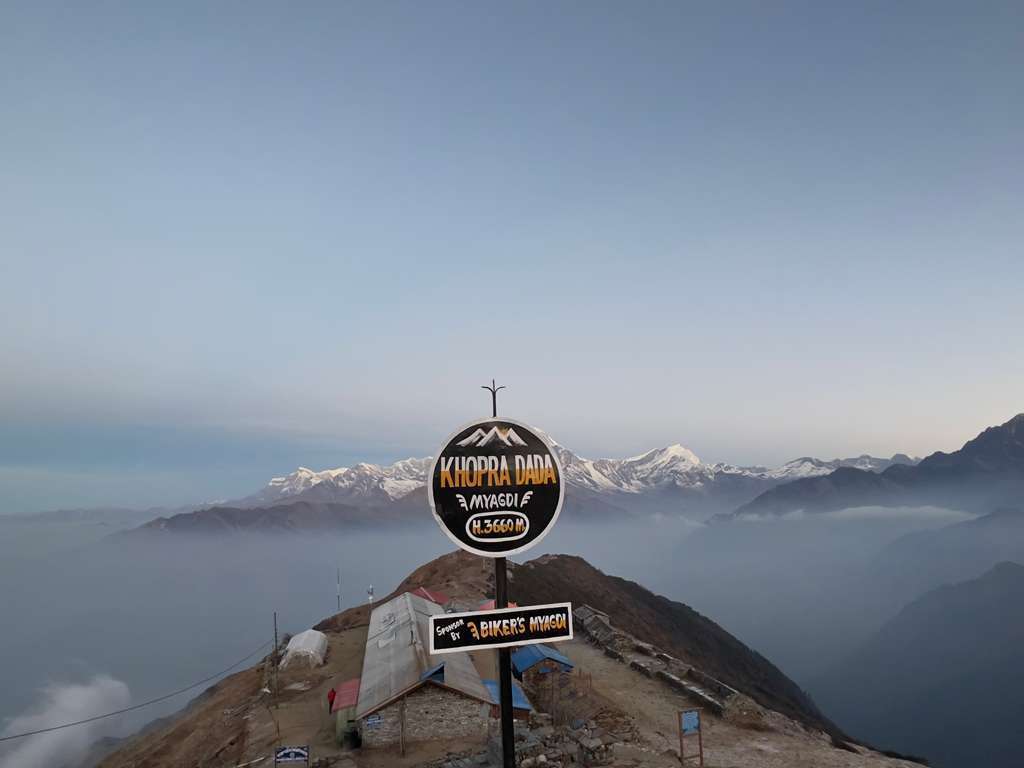
On this day, you will reach Khopra Danda (ridge), but first, you will bid Baeyli Kharka goodbye and trek through rich pasturelands to Chistibung. The trail provides you the opportunity to view yaks, pheasants, and Himalayan tahrs while ascending to Khopra ridge, known for superb views of Mt. Dhaulagiri (8,167m), Annapurna South (7,219m), Mt. Nilgiri (7,061m), and Mt. Fang (7,647m).
After reaching Khopra Danda, it is time to return, and on the first day, you will hike to Swanta, passing terraced fields and small settlements. Mt.Dhaulagiri will persist to dazzle you. You also have the option to visit the holy Khayar Lake. Swanta village is famous for its community cheese factory, and we shouldn’t miss tasting the local cheese.
You will leave Swanta early morning and head for Ghorepani. The route passes through thick forests, exposing you to incredible landscapes worthy of admiring. Eventually, you will cross a suspension bridge to enter Chittre village and follow the main trekking route that will take you to Ghorepani. Ghorepani is a major trek destination known for its fantastic views. With numerous accommodation options, most people who visit Poon Hill stay at Ghorepani.
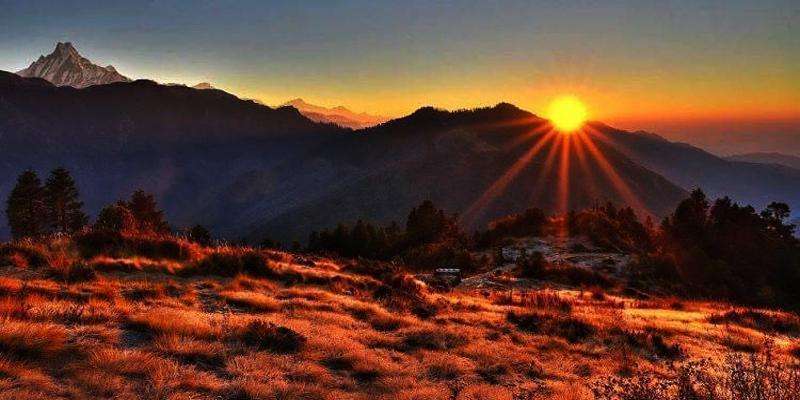
You will wake up very early in the morning to catch the sunrise from Poon Hill. It will take you around forty-five minutes to reach Poon Hill from Ghorepani. The panoramic view from Poon Hill is second to none, and many treks are designed around the grand views from Poon Hill. You can see a dozen snow peaks from Poon Hill, including the Annapurna ranges, Machhapuchhare, Gangapurna, Tukuche, Dhampus, Hiuchuli, Gurja Himal, and Nilgiri Himal. After enjoying the views from Poon Hill, you will trek through Birethanti and Ulleri to Nayapul. From Nayapul, we will drive to Pokhara.
After breakfast, you will board a bus to Kathmandu. The bus follows Prithivi Highway one more time and heads east to Kathmandu. It will take you around seven hours to reach Kathmandu. Your trek ends in Kathmandu. Hope you enjoyed your trek and created some life-lasting memories on the trails.
Route Map
Click to View Full Route Map
×
Frequently Asked & Question
Booking a trip on our website is easy and accessible. Simply browse through the trekking packages available and select the trip that suits your interest. Click on the" Book Now" button on the package runner, fill in your particular details and favored trip dates, and do with the secure payment process. Once your booking is verified, you'll admit a evidence dispatch with all the necessary trip details and farther instructions. However, our support platoon is always ready to help, If you encounter any issues or need backing during the booking process.
In Nepal, we accept a range of payment styles for your convenience. These include major credit and debit cards( Visa, MasterCard, American Express), as well as popular online payment platforms like PayPal. We also accept bank transfers and payments via eSewa or Khalti, which are generally used digital holdalls in Nepal. For any other payment options or backing, please communicate us, and we’ll be happy to help.
Yes, you can make changes to your reservation after booking, but it is subject to availability and certain conditions. If you need to modify your travel dates, trekking package, or any other details, please contact us as soon as possible. We will do our best to accommodate your requests, but please note that changes may incur additional fees, depending on the nature of the modification and the time remaining before the trip. We recommend contacting us at least a few weeks in advance for smoother adjustments.
Yes, we offer group booking discounts for larger parties. If you are booking for a group, the discount amount depends on the size of the group and the specific trekking package. Typically, groups of 3 or more participants are eligible for a discount. For exact pricing and discount details, please contact us directly with your group’s size and the trek you’re interested in. We’re happy to offer customized packages and ensure a great experience for your entire group!
While technically possible, hiring a guide is strongly recommended. The Mardi and Khopra trails are less clearly marked than main Annapurna routes, and guides improve navigation, safety, and permit arrangements.
Both routes receive significantly fewer trekkers than Annapurna Base Camp or the main Poon Hill circuit. The result is a quieter and more authentic trekking experience.
Yes, flexible itineraries based on available time, fitness level, or interest in extensions such as Khayer Lake can be arranged. Trekkers with limited time can also consider the standalone Mardi Himal Trek as a 7-day alternative.
Book Your Tour
Reserve your ideal trip early for a hassle-free trip; secure comfort and convenience!