$1,350$1,550/
Per Person
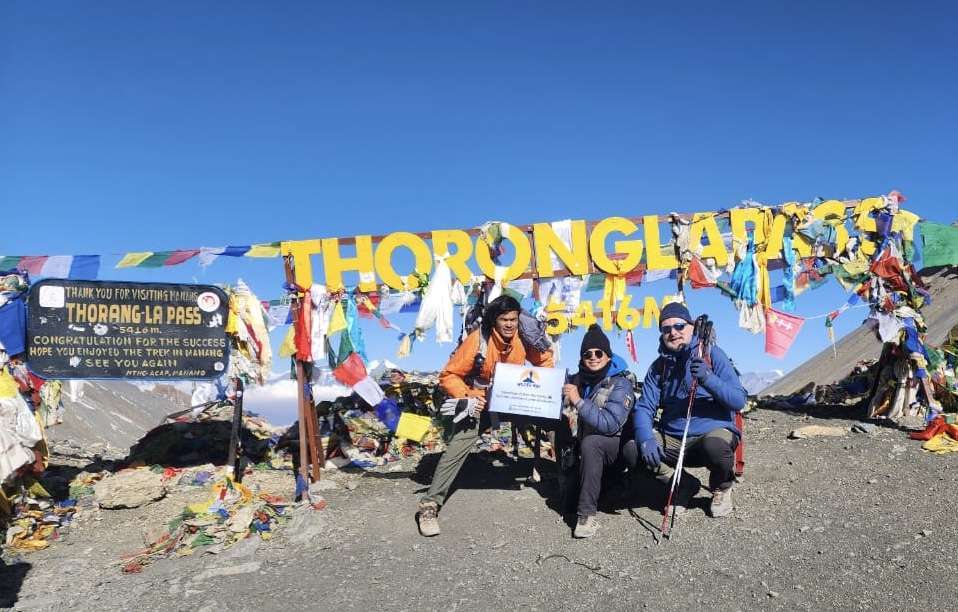
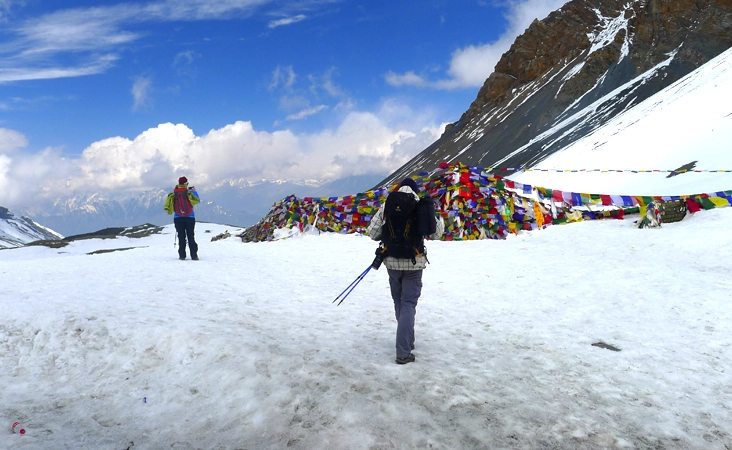
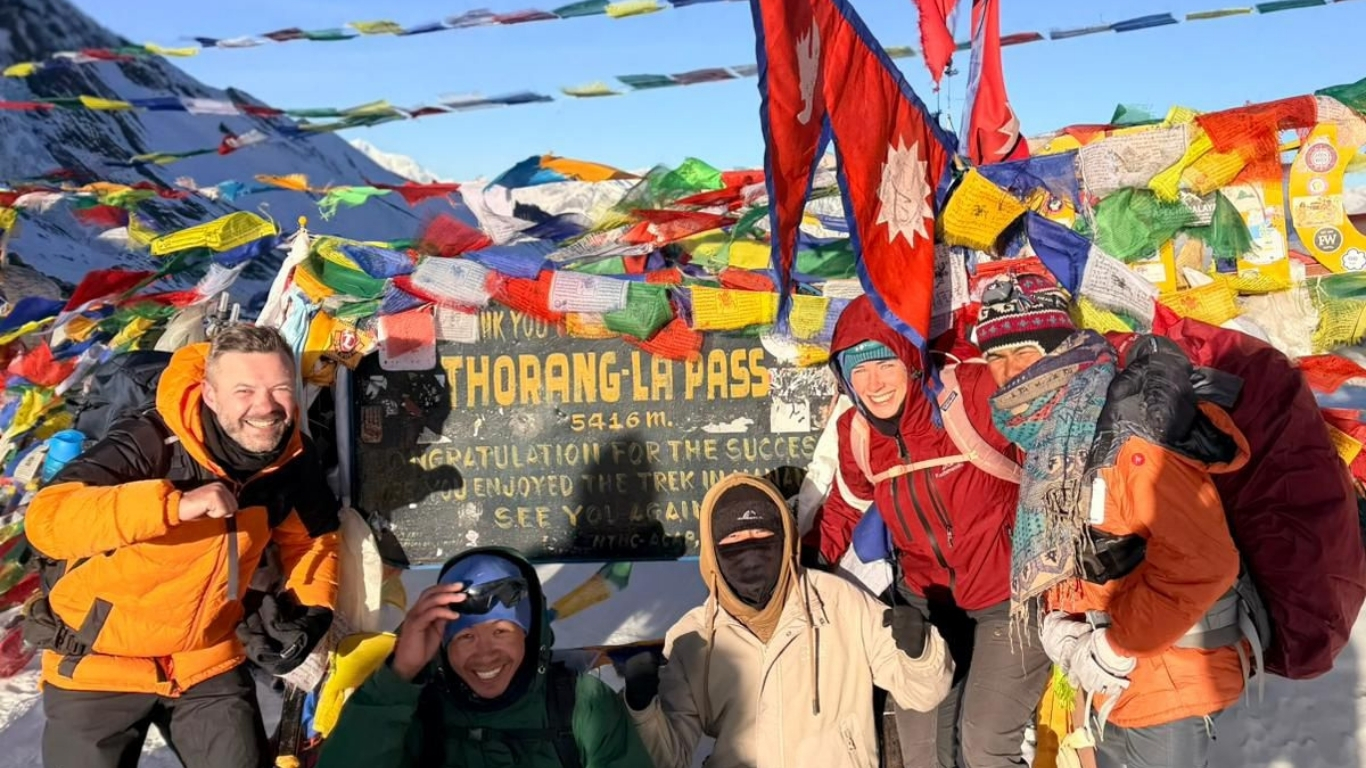
The Annapurna Trek 20 Days is the ultimate classic Himalayan circuit, offering a deeply immersive journey around the entire Annapurna massif. This comprehensive route transcends a typical mountain walk by taking you through a remarkable spectrum of climates, cultures, and landscapes. Starting from the lush, terraced foothills near Besisahar, you will gradually ascend through cascading waterfalls and dense bamboo forests into the stark, high-altitude desert of the Manang and Mustang regions. The climax of this adventure is the grueling yet exhilarating crossing of the 5,416-meter Thorong La Pass, followed by a spiritual descent into the sacred Muktinath Valley. Beyond the mountains, this 20-day itinerary is a cultural odyssey where you will share meals with Gurung, Thakali, and Tibetan communities, making it the most diverse and rewarding long-distance trek in Nepal.
Best time to do Annapurna Trek 20 Days
The best time for Annapurna Trek 20 Days is during the spring and autumn seasons. Spring spans from March to May, offering warm days and beautiful blooming rhododendrons along the trail. The morning skies are usually clear, giving you perfect views of the high peaks. Walking during these months makes the long daily distance feel much easier as the weather remains stable.
Autumn, from September to November, is another excellent window for this extended itinerary. The monsoon rains clear up, leaving the air crisp and the mountain views incredibly sharp. The trails are busy with fellow trekkers, creating a lively atmosphere in the teahouses. Your guide will help you manage the altitude and weather safely. You should avoid the winter months due to heavy snow blocking the high Thorong La pass.
What to expect in Annapurna Trek 20 Days
You can expect a diverse and life-changing journey on the Annapurna Trek 20 Days. This trail takes you from lush green valleys to the arid, high-altitude desert of the upper Mustang region. You will walk between five to seven hours daily, crossing the challenging Thorong La pass at 5,416 meters. The itinerary includes rest days to help your body adapt to the rising altitude.
Evenings on this long trek are spent in cozy teahouses, sharing meals with fellow hikers and experiencing local culture. The route transitions beautifully, showing you waterfalls, pine forests, and ancient Buddhist villages. Your guide will arrange all the necessary permits and ensure your pace is safe. While the facilities get more basic as you go higher, the stunning starry skies and mountain hospitality make every night special.
How difficult is Annapurna Trek 20 Days
The Annapurna Trek, 20 Days is a moderately difficult journey suited for active walkers. You do not need technical climbing skills, but the long duration and high altitude require good physical stamina. The hardest part is crossing Thorong La Pass, where the thin air makes breathing harder. A solid training routine a few months before the trip will help you enjoy this classic trail.
The itinerary is carefully planned to include acclimatization days in Manang, which lowers the risk of altitude sickness. You should still expect some tiring days, especially the long descent into Muktinath after the pass. The weather can change quickly, adding a mental challenge to the physical effort. With an experienced guide, the right permits, and steady pacing, most determined beginners can complete this famous circuit.
What to pack for Annapurna Trek 20 Days
When deciding what to pack for the Annapurna Trek 20 Days, you must focus on smart layering for changing weather. Bring a warm thermal base layer, an insulated down jacket, and a waterproof outer shell to handle cold winds at high altitude. Comfortable, broken-in trekking boots are essential for the long daily walks on rocky trails. You will also need a high-quality sleeping bag rated for cold temperatures, as teahouse blankets are often not warm enough during freezing nights.
Along with your main clothing, your packing list should include vital accessories to protect you from the mountain elements. Pack strong UV protection sunglasses, a warm woolen hat, and insulated gloves to guard against the freezing temperatures near Thorong La Pass. A headlamp with extra batteries is necessary for early morning starts, while trekking poles will save your knees on the steep descents. Finally, carry a basic first aid kit and water purification tablets to stay safe and hydrated throughout the journey.
Permits required for Annapurna Trek 20 Days
- ACAP Permit: Annapurna Conservation Area Permit, required to enter and trek through the protected region.
- TIMS Card: Trekkers’ Information Management System card, necessary for your safety and tracking on the trail.
- Note: Wilderway Trekking will arrange and process all these permits for you before your journey begins.
Why travel with Wilderway Trekking
- Expert Local Guides: Our certified guides have extensive experience with the 20-day circuit, ensuring your safety over the high Thorong La Pass.
- Smooth Logistics: We manage all buses, jeeps, permits, and teahouse bookings for a stress-free experience.
- Health Focused: Our itinerary includes proper acclimatization days, and our guides actively monitor your health daily.
- Fair Pricing: We offer clear, transparent costs with no hidden fees throughout the three-week journey.
- Guaranteed Departures: We respect your travel schedule and ensure your trek starts exactly as planned.
Permits required for Annapurna Trek 20 Days
- ACAP Permit: Annapurna Conservation Area Permit, required to enter and trek through the protected region.
- TIMS Card: Trekkers’ Information Management System card, necessary for your safety and tracking on the trail.
- Note: Wilderway Trekking will arrange and process all these permits for you before your journey begins.
Why travel with Wilderway Trekking
- Expert Local Guides: Our certified guides have extensive experience with the 20-day circuit, ensuring your safety over the high Thorong La Pass.
- Smooth Logistics: We manage all buses, jeeps, permits, and teahouse bookings for a stress-free experience.
- Health Focused: Our itinerary includes proper acclimatization days, and our guides actively monitor your health daily.
- Fair Pricing: We offer clear, transparent costs with no hidden fees throughout the three-week journey.
- Guaranteed Departures: We respect your travel schedule and ensure your trek starts exactly as planned.
Embarking on the Annapurna Trek 20 Days is a transformative journey that takes you through the incredible diversity of the Nepali Himalayas. From the lush green lowlands to the stark, windswept beauty of the highest pass, every single step offers a completely new perspective. The physical demands of crossing Thorong La are high, but the reward is an unmatched sense of peace and deep personal accomplishment. Choosing an affordable company for Annapurna Trek 20 Days ensures you can focus purely on this epic experience without any worry. Plan your great adventure today, explore the majestic mountains, and start the journey of a lifetime.
Pricing Packages
20 Days from US$ 1550 US$ 1350 pp
Save $200 Per Pax
Group-Size Discounts
Discounts are based on your group size.
We do not add anyone to your group. | No. of Persons | Price per Person |
| 1 Pax | US$ 1350 |
| 2 - 4 Pax | US$ 1299 |
| 5 - 8 Pax | US$ 1270 |
| 9 - 15 Pax | US$ 1250 |
Included and Excluded
- Airport arrival and departure transfer to/from hotel by private transportation.
- Full-day Kathmandu Valley sightseeing with a tour guide, on private transport, including entrance fees to world heritage sites
- Three-night accommodations with breakfast at a three-star hotel in Kathmandu
- Kathmandu to Bhulbhule (trek start) by local bus and Birethanti ( trek endpoint) to Pokhara by private transport service
- Pokhara to Kathmandu on a tourist bus
- One night accommodation with attached bathroom Hotel in Pokhara
- Best possible teahouse/lodge accommodation (twin sharing room) - 15 nights.
- All standard full-board (main course) meals (16 Lunches, 15 Dinners, and 19 Breakfasts) during the trek
- Government licensed and experienced trek leader(guide), assistant trekking guide (12 or above trekkers: 1 assistant guide), and porter to help trekkers luggage. 1 porter for every two trekkers.
- Guides and porters' costs, their meals, insurance, salary, lodging, transportation, and other necessary equipment
- Annapurna Conservation Area Permit (ACAP) Fee.
- Trekkers Information Management System (TIMS) card fee
- Snacks (cookies) and seasonal fresh fruits every day
- All government, local taxes, and official expenses
- Souvenir - a company's T-shirt & cap
- Wilder Way Trekking trek achievement certificate after the trek
- Farewell dinner at Kathmandu at the end of the trek
- International flight costs
- Nepal entry visa fees. Current rate is USD 50 for a 30-day stay.
- Excess baggage charges (Limit is 9 kg per person)
- Meals (lunch, dinner) in Kathmandu and Pokhara
- Extra night accommodation, meals in Kathmandu and Pokhara due to early arrival or late departure, and early return from the trek.
- Personal expenses (shopping, snacks, boil bottled water, hot (tea/coffee), cold and alcoholic drinks, hot shower, Wi-Fi, telephone call, battery re-charge fee, extra porters, etc
- Personal clothing and gear
- Travel insurance which has to cover emergency high-altitude rescue and evacuation compulsory
- Tips for guide and porters
- Additional costs or (due to) delays caused by circumstances beyond our control, like landslides, bad weather, itinerary modifications for safety concerns, illness, changes in government policies, strikes, etc
- All the costs and expenses not listed in "What is included?" are counted as excludes
Highlights of the Tour
- Cross the challenging Thorong La Pass at 5,416 meters
- Experience diverse landscapes from subtropical forests to arid high deserts
- Explore the ancient Tibetan-influenced villages of Manang and Mustang
- Visit the sacred Muktinath temple
- Enjoy spectacular sunrise views from Poon Hill
- Trek through the world's deepest Kali Gandaki gorge
Itinerary
You will arrive at Tribhuvan International Airport in Kathmandu. At the arrival terminal, you will find our representative holding a pamphlet with your name and our company logo. They will first greet you and present you with a marigold garland as a welcome gesture. Then, they will take you to your hotel in a private vehicle.
Kathmandu Valley is like a microcosm of Nepal. It is known for its unique architecture and rich culture. There are seven UNESCO World Heritage sites in Kathmandu, among which you will be visiting Pashupatinath, Swayambhunath (the Monkey temple), and the historic Durbar Squares. As you relish these wonders, our Kathmandu tour guide will provide you with information about these sites. After exploring Kathmandu for a day, you will prepare for the trek departure, scheduled for the next day.
We begin our Annapurna Circuit trek with a bus ride to Bhulbhule. You can enjoy beautiful views of terraced fields, subtropical jungles, and traditional villages throughout your ride as the bus rolls by the side of the Trishuli River along Prithivi Highway. From Bandipur, we leave Prithivi Highway and head north to Besisahar and to Bhulbhule. Situated along the Marshyangdi River, Bhulbhule is a gorgeous village that provides magnificent views of several snow peaks. After registering our permits at the Bhulbhule check-post, we explore this beautiful village. We will be spending our night at Bhulbhule.
Trekking begins. We start our trek through a pleasant trail, traversing through lush forests and terraced fields following the Marsyangdi River. The path is easy yet surprisingly beautiful as we pass through traditional settlements and farmlands to reach the isolated village of Jagat. Today's trek will be more like a warm-up, and it is a fun way to begin your trek in the Annapurna region. You will notice the declining settlements as we trek further. We halt at the peaceful village of Jagat to rest for the night.
After a peaceful stay at Jagat, we follow the trail to reach Dharapani. We enjoy several stunning waterfalls forming small sandy beaches on our way. Walking past the rice and potato fields and crossing numerous bridges, you will reach one of the biggest villages of Manang, Kodo. After a short climb of the stone Kani, you will reach Dharapani. Dharapani has a checkpoint where we will get our Annapurna permits checked before trekking further. We conclude our trek day at Dharapani and enjoy the delicious food of the place.
Along the Marsyangdi River, we follow a trail that passes through pine, fir, oak, and maple forest and head to Chame, the district headquarters of the Manang district. This area is covered with natural greenery. The views of glorious mountains - Lamjung Himal, Annapurna II, and Annapurna IV - will make your trek very fulfilling. We'll also stop by a small hot spring where we can relax all our sore muscles.
We leave Chame and head to Pisang today. As you trek through a steep and narrow valley, you will get glimpses of a massive rock wall, known as Pinguda Danda rock, which locals believe to be holy. You will find yourself wondering about this rock as you see it. Because this rock rises 1,500m from the river, it is undeniably beautiful. From the path, you can see a clear view of Annapurna II in the south and Pisang peak in the northeast. We descend further to the Manang Valley floor. The trail throughout the journey, without a doubt, looks breathtaking.
We start at the upper Pisang path, which steeply ascends to Ghyaru, providing stunning views of the north face of Annapurna (II, III, IV), Gangapurna, Tilicho, and Pisang Peak. The air starts to turn cold and dry. As you pass through small Tibetan-style settlements, you will witness Buddhist culture and realize that the trail is dotted with Buddhist shrines and mani walls. You will also visit one of the largest and most famous monasteries of Manang - Barge Monastery. As you trek ahead, you will reach a lively area that caters to many tourists, Manang. Manang is full of wonders, and we will be staying one more day at Manang for rest and acclimatization.
To acclimatize, we will spend one whole day in Manang. You are free to spend the entire day exploring this village. However, we will stay busy, taking part in side hikes. You are free to hike to Gangapurna Lake and spend the day admiring the beauty of Annapurna III, Tilicho, Pisang, and Chulu Peaks. There are several monasteries in this area that you might like to visit. We will also visit the Himalayan Rescue Association in Vajra Village to learn about acute mountain sickness, its symptoms, and precautions. After a relaxing day exploring the enigmatic village of Manang, we will have acclimatized to this altitude, and we will be ready to trek ahead the next day.
After a day of acclimatization at Manang, we will continue the trek. From Manang, we head to Tenki Village, crossing several beautiful streams. Further, we head out of Marshyangdi Valley northwest to Jar Sang Khola Valley on a trail full of uphills and downhills. You will also be passing through dense Juniper forests and a few pastures. Along the way lies Gunsan Village, known for houses with flat mud roofs. After crossing a small river on a wooden bridge, we make our way up the spectacular valley to an open, peaceful meadow known as Yak Kharka.
Today we head to the foot of Thorong La Pass - Thorong Phedi. From Yak Kharka, we first climb up to a ridge, then head down and cross the Marsyangdi river on a wooden bridge. Then, we will ascend one more time, following a narrow trail, and descend to Thorong Phedi. The uninhabited, rugged terrain is otherworldly and much different than the lush lowlands we passed on the way up during the initial trekking days. Thorong Phedi is well situated to cross the Thorong La Pass. We will stay at Thorong Phedi for the night.
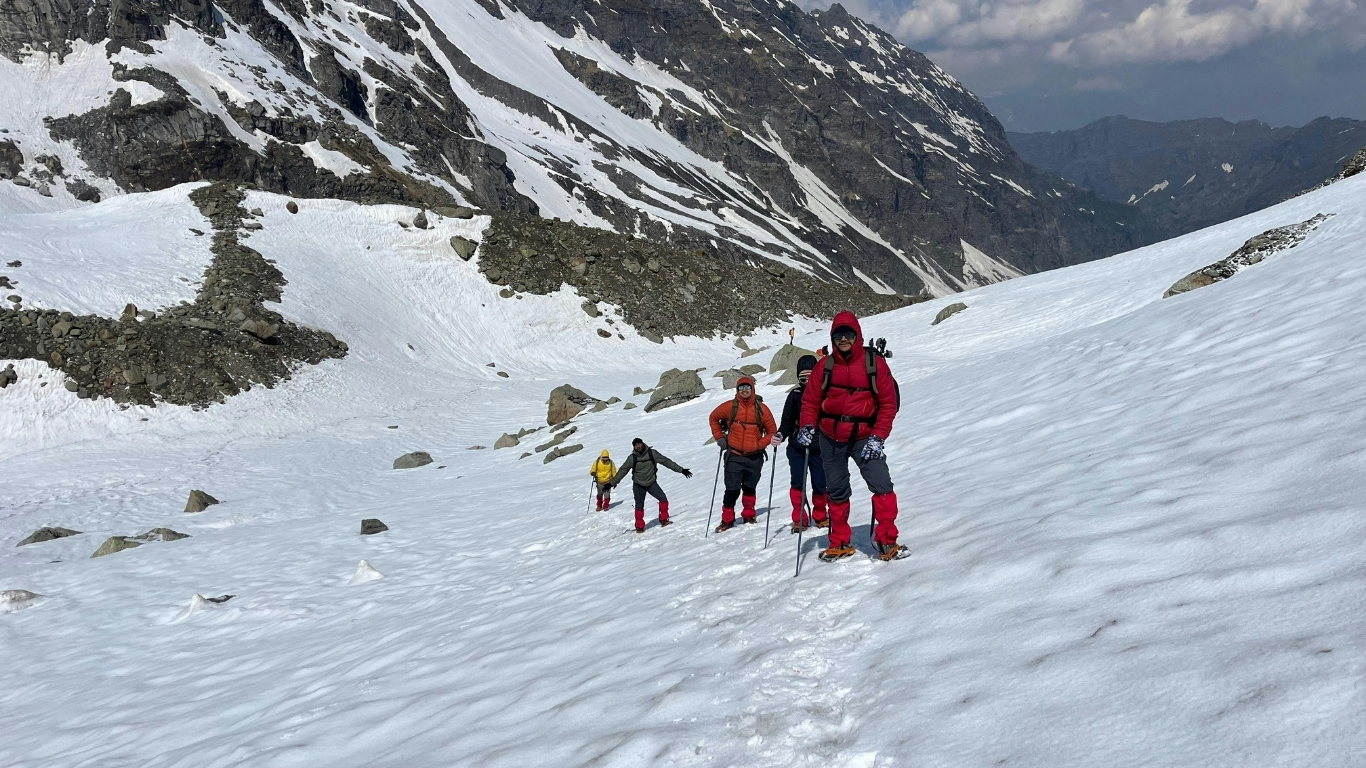
We begin this day as early as possible, ready to conquer the most challenging parts of the trek. From Thorong Phedi, we ascend to Thorong La Pass, the highest point of this trek. Due to the high elevation and low level of oxygen in the air, the hike will be challenging. We take this hike slow and steady and conquer it. However, despite the climbing difficulty, the view from the pass is unquestionably worth it. You will enjoy the panoramic views of glorious mountains extending northwards into Tibet, and on the other side, you will see the Annapurna massifs smiling back. From Thorong La Pass, we descend to Muktinath and visit the famous Muktinath temple. This site is holy for both Hindus and Buddhists. The Buddhists call it Chuming Gyatsa, which in Tibetan means "Hundred Waters". The name is quite fitting for a temple complex having 108 water sprouts. In addition, there is an eternal flame inside the temple premises. We will be staying at Muktinath for the night.
The hike today is comparatively concise and easy. You descend from Muktinath to Kagbeni, while on the way, you will witness famous sky caves. These caves are as old as 3,000 years, but no one is sure about their purpose. You can also have a short detour to the traditional villages of Chhyongkhar, Jhong, and Purang. A culturally rich place, Kagbeni is a package of wonders, and as you explore the narrow alleys of Kagbeni, you will discover several wonderful sites.
Today you will be trekking at the most enthralling parts of the trail, as you leave Jomsom for Marpha. The hike is easy to cover and consists of only a few downhills. We continue trekking along the Kaligandaki River until we reach Marpha. Marpha, an ethnic village, is hypnotizingly beautiful. All the houses are white, and the narrow alleys are fascinating. As you trek, you will witness captivating scenery, beautiful peaks, green forests- full of pine and oak trees, cold desert - and the world's deepest river gorge - the Kali Gandaki Gorge. The trail is a package of surprises as you observe the depth of the places you pass through. Marpha is also famous for its apple farming. The local baked apple pie and alcohol made from apples called 'Marpha' are a must-try of this place. You can hike up to a nearby small turquoise-green lake.
We follow the Kali Gandaki River as we head to Ghasa from Marpha. The motorable road is easy to walk, and you will be passing through several apple farms as you head back. The view is astonishing and relaxing. You walk past the Khobang Village on a narrow trail and move ahead to Larjung and then to Kalapani while enjoying the views of Annapurna peaks. After hiking along a wave-like trail from Lete, we reach Ghasa. We halt at Ghasa and enjoy this Tibetan-styled small village.
Today's trek to Tatopani will be an exciting one. Tatopani in Nepali means hot water. The natural hot springs, amidst a quiet and peaceful place, let you enjoy and relax in lukewarm water. The trail from Ghasa to Tatopani is broad and more comfortable to walk. The sound of birds chirping and the lush forest will make your trek very enjoyable. We end our day with a dip in the hot springs of Tatopani.
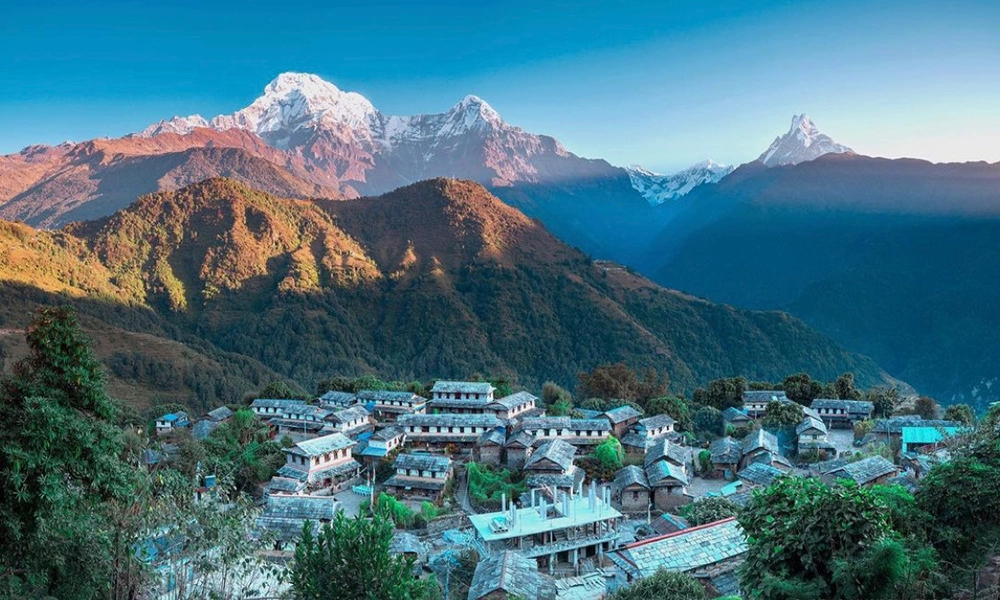
After a relaxing day enjoying the hot spring, we move forward to Ghorepani. We cross the east side of the Kali Gandaki River and ascend to Ghorepani past the villages of Sikha, Chitre, and several other ethnic Thakali villages. You will be hiking through trails along terraced farmlands surrounded by huge mountains and then continue through forests full of rhododendron, birch, and magnolia to reach Ghorepani, which sits on top of a ridge. As a popular hiking route, Ghorepani is often full of tourists, and here, you can find standard to luxurious restaurants and hotels.
Today you will ascend to Poon Hill (3,210m) Viewpoint early in the morning. From this viewpoint, you can enjoy the sun kissing the Annapurna Range and Dhaulagiri Massif. It is one of the most photographic spots on this trail, you will find yourself surrounded by stunning mountain peaks, and the cold fresh air from the peaks enhances your experience. After enjoying the views from Poon Hill, we head back to Ghorepani and enjoy breakfast. After breakfast, we descend to Birethanti, trekking through marvelous forests. From Birethanti, you will drive back to Pokhara. In Pokhara, you will be staying at a hotel near the famous Phewa Lake. As one of the most happening cities in Nepal, Pokhara is full of restaurants and bars. And, there are many things you can do in Pokhara like boating and paragliding.
After breakfast, we will drive back to Kathmandu on a tourist bus. It’s a 200-km route that follows the Marsyangdi River first and then the Trishuli River. Alternatively, you may also choose to return to Kathmandu by a 25-minute flight (not included in the package) from Pokhara. Our trek package completes at Kathmandu.
Our company representative will accompany you in a private vehicle to the international airport for your departure back home. We hope you’ve enjoyed the trip and will be back in Nepal for future trips.
Route Map
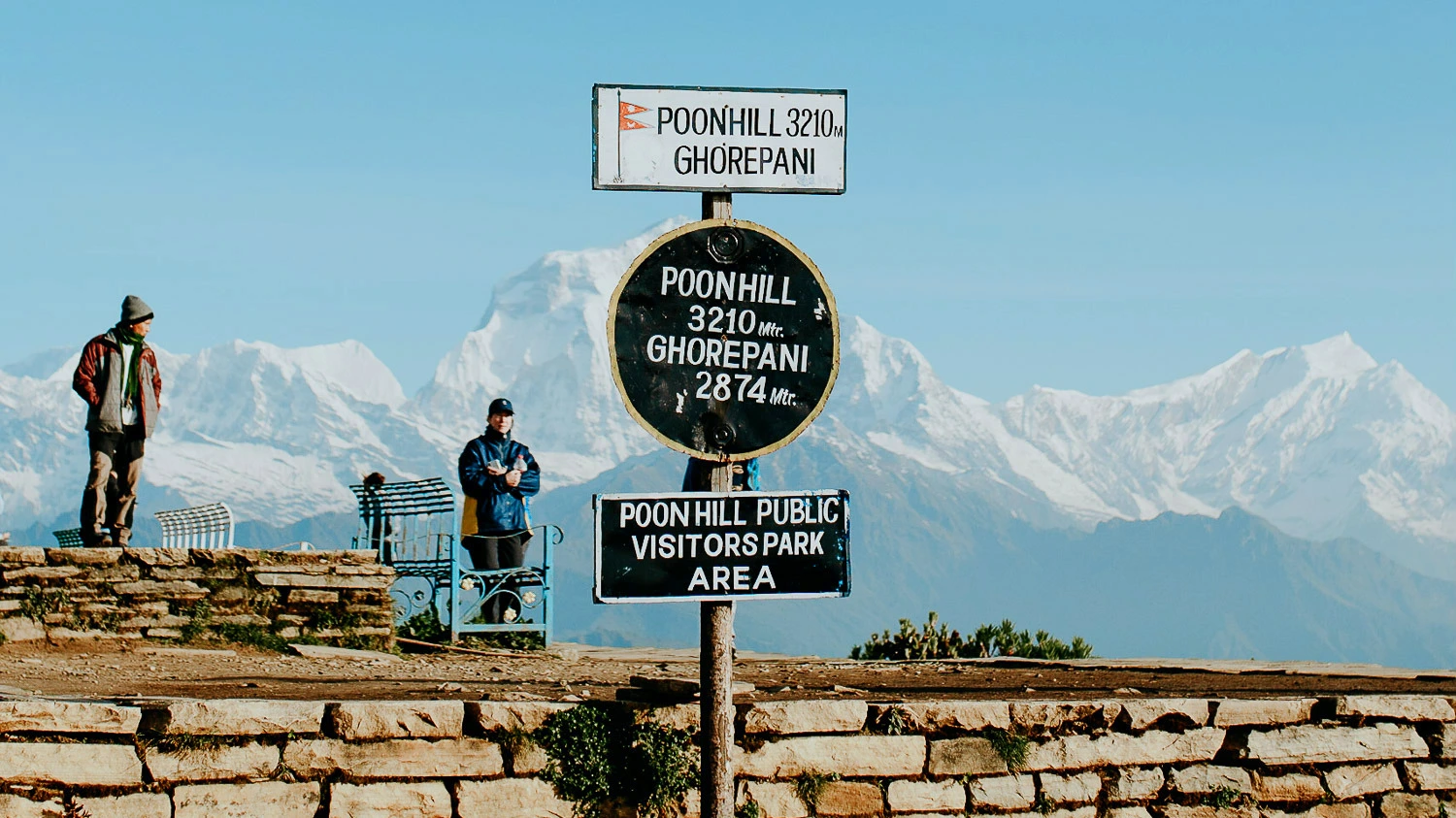
Click to View Full Route Map
Frequently Asked & Question
Booking a trip on our website is easy and accessible. Simply browse through the trekking packages available and select the trip that suits your interest. Click on the" Book Now" button on the package runner, fill in your particular details and favored trip dates, and do with the secure payment process. Once your booking is verified, you'll admit a evidence dispatch with all the necessary trip details and farther instructions. However, our support platoon is always ready to help, If you encounter any issues or need backing during the booking process.
The Annapurna Base Camp Short Trek is considered a moderate- level journey, suitable for individualities with a reasonable level of physical fitness. It involves walking for 5 to 7 hours daily on rugged terrain with significant ascents and descents.
The ideal seasons for this journey are spring( March to May) and autum( September to November), offering stable rainfall, clear skies, and excellent mountain views.
In Nepal, we accept a range of payment styles for your convenience. These include major credit and debit cards( Visa, MasterCard, American Express), as well as popular online payment platforms like PayPal. We also accept bank transfers and payments via eSewa or Khalti, which are generally used digital holdalls in Nepal. For any other payment options or backing, please communicate us, and we’ll be happy to help.
You need moderate physical fitness to complete this journey. You will walk five to seven hours daily for nearly three weeks, including a steep ascent to the 5,416-meter Thorong La Pass. Doing cardio and leg exercises a few months before your trip will make the long daily distances much easier and more enjoyable.
Teahouses provide basic but clean twin-sharing rooms with beds and blankets. Hot showers, Wi-Fi, and electricity are usually available for an extra cost. As you go higher into the Manang and Mustang regions, the facilities become simpler and the rooms get significantly colder at night.
Our itinerary includes a dedicated acclimatization day in Manang before you cross the high pass. Your guide will ensure you stay hydrated and walk at a slow, steady pace. Because you gain altitude over many days, your body adjusts naturally, but personal helicopter rescue insurance is still mandatory.
Teahouses offer extensive menus including dal bhat, pasta, noodles, and soups. Dal bhat is highly recommended because it is hygienic, nutritious, and provides unlimited refills. You can buy bottled water along the trail, but bringing water purification tablets is a much cheaper and eco-friendly option.
Yes, the pass is extremely cold and windy, especially during the early morning start in the dark. You must pack a warm down jacket, thermal base layers, windproof pants, a woolen hat, insulated gloves, and a good headlamp. Trekking poles are also highly recommended for the steep descent into Muktinath.