- 55 Views
- 33 Min Read
- (0) Comment
The Gosaikunda Trek takes you deep into Nepal’s Langtang region, where forest trails, mountain villages, and high Himalayan landscapes lead to the sacred Gosaikunda Lake at 4,380 m (14,370 ft). The journey is more than a mountain walk. For Hindu and Buddhist pilgrims, the lake holds deep spiritual importance, while trekkers come for its dramatic scenery, peaceful trails, and rewarding high-altitude experience. Its relatively easy access from Kathmandu makes it an appealing choice for travelers with limited time.
Before you set out, knowing the route, walking hours, altitude, cost, permits, weather, and preparation requirements can make the difference between a stressful trip and a memorable one. This complete guide explains the Gosaikunda Trek itinerary, route, difficulty, cost, best time, accommodation, packing list, altitude sickness, and practical safety tips, helping you prepare confidently before stepping onto the trail.
What Is the Gosaikunda Trek?
The Gosaikunda Trek is a Himalayan trekking route in Nepal’s Langtang region that leads to the sacred Gosaikunda Lake at 4,380 m (14,370 ft). The journey combines mountain scenery, forest trails, local settlements and religious heritage, making it a popular choice for trekkers who want a high-altitude experience without committing to a very long expedition.
Where Is Gosaikunda Located?
Gosaikunda is located in RasuwaDistrict of Nepal’s Langtang region, north of Kathmandu. The lake sits high in the mountains within the protected Langtang landscape and is surrounded by rocky slopes and other alpine lakes.
From Kathmandu, trekkers normally travel toward the northern trailhead before beginning the uphill journey. The exact starting point can vary according to the chosen itinerary and current road conditions.
What Is Gosaikunda Famous For?
Gosaikunda is famous for both its natural beauty and religious importance. The lake is regarded as a sacred place by Hindu pilgrims, while the wider area also has significance within Buddhist traditions.
The lake becomes particularly important during Janai Purnima, when pilgrims make the difficult journey to the high-altitude lake. For trekkers, this creates an unusual combination of Himalayan adventure and living religious tradition.
Gosaikunda Altitude
Gosaikunda elevation is 4,380 m (14,370 ft) above sea level. Reaching this height is one of the main challenges of the trek. The thinner air can make walking feel considerably harder than it does at lower elevations, even for physically fit travelers.
This is why a sensible pace, adequate hydration, proper clothing and an itinerary that allows the body to adjust to increasing elevation are important.
Gosaikunda and the Langtang Region
Gosaikunda is part of the wider Langtang region, one of Nepal’s important trekking areas. The journey can take you through lower forested landscapes before gradually entering a colder, more exposed alpine environment.
The changing landscape is one of the trek’s biggest attractions. Instead of seeing the same scenery throughout the journey, you experience forests, mountain settlements, open hillsides and eventually the stark surroundings of the sacred lake.
Key Takeaway: Gosaikunda is a sacred high-altitude lake in Nepal’s Langtang region, combining Himalayan scenery, pilgrimage culture and a challenging but achievable trekking experience.
Gosaikunda Trek Route and Map
The Gosaikunda Trek route takes you from the Kathmandu Valley toward the Langtang mountains before climbing through forested hills, traditional settlements and increasingly open alpine terrain. The final approach to Gosaikunda feels very different from the lower trail, with colder conditions, fewer trees and expansive mountain views around the sacred lake.
Gosaikunda Trek Route Overview
A commonly used route begins with road travel from Kathmandu toward Dhunche, followed by trekking through the Langtang hills toward Gosaikunda. The trail gradually gains elevation, so the journey is not simply about covering distance. The change in altitude becomes increasingly important as you approach the lake.
A typical route progression is:
- Kathmandu → Dhunche: Road journey toward the trekking area.
- Dhunche → Chandanbari: The trail enters forested mountain terrain.
- Chandanbari → Lauribina: The route climbs steadily toward higher elevations.
- Lauribina → Gosaikunda: The landscape becomes more exposed and alpine.
- Gosaikunda: Reach the sacred lake at 4,380 m (14,370 ft).
Kathmandu to Dhunche
Dhunche is an important access point for many Gosaikunda itineraries. Trekkers can travel from Kathmandu by bus, private vehicle or jeep depending on their budget, group size and preferred level of comfort.
The road journey can be tiring because mountain roads are slower and conditions can change. Rather than judging the trip only by the distance on a map, allow flexibility for traffic, road conditions and weather.
Dhunche to Gosaikunda
Once the trekking section begins, the trail climbs through changing landscapes. Lower sections generally have more vegetation and forest, while the higher sections become colder, rockier and more exposed.
The final climb toward Gosaikunda requires particular attention to altitude and pace. Walking slowly is not a weakness at this elevation. It gives your body more time to adjust while reducing unnecessary exhaustion.
Alternative Gosaikunda Routes
Gosaikunda can be approached through different route variations depending on the number of days available and the wider trek being planned. Some itineraries combine the lake with Lauribina La, Helambu or other parts of the Langtang region.
Because road access and trail conditions can change, the exact route should be confirmed before departure rather than treating one map as a permanent version of the trail.
Gosaikunda Trek Route at a Glance
| Section | Approx. Elevation | Travel Type |
| Kathmandu | 1,400 m | Road |
| Dhunche | Route-dependent | Trek/road access |
| Chandanbari | Route-dependent | Trek |
| Lauribina | Route-dependent | Trek |
| Gosaikunda | 4,380 m | Trek |
Route distances and intermediate elevations can vary by itinerary and the exact trail used, so confirm the final route with your trekking operator before publication or departure.
How Do You Get to Gosaikunda From Kathmandu?
Reaching Gosaikunda from Kathmandu usually involves road travel followed by trekking. You cannot normally drive all the way to the lake, so the journey has two clear parts: first reach the appropriate trailhead, then walk into the Langtang highlands. The exact starting point depends on your chosen itinerary and current road access.
Kathmandu to Gosaikunda by Road
The road takes you from Kathmandu toward the Langtang region. Dhunche is a common access point for Gosaikunda trekking, although some itineraries may use different starting locations.
Your transportation options can include:
- Public bus: Usually the lower-cost option for independent travelers.
- Private vehicle: More comfortable and flexible for small groups.
- Jeep: Useful when road conditions or group arrangements make a stronger vehicle preferable.
- Road travel time: Mountain roads can take considerably longer than the distance suggests, so keep some flexibility in your schedule.
Road conditions can also change with weather, construction and seasonal disruptions. Check the situation before leaving Kathmandu rather than relying only on a fixed travel-time estimate.
Kathmandu to Dhunche
The journey from Kathmandu to Dhunche takes you north through increasingly mountainous terrain. Once you leave the busy Kathmandu Valley, the landscape changes into hills, river valleys and mountain settlements.
For a private trek, arranging transportation in advance can make the start of the journey easier. Independent trekkers may choose public transportation, but should allow extra time because schedules and road conditions may not always be predictable.
How to Reach Gosaikunda
A simple way to plan the journey is:
- Arrive in Kathmandu and prepare your trekking equipment and documents.
- Travel toward the selected trailhead, commonly through Dhunche.
- Begin trekking after leaving the road-access section.
- Follow the established mountain trail, gradually gaining elevation.
- Reach Gosaikunda Lake at approximately 4,380 m (14,370 ft).
The most important point is to plan the road and trekking portions together. Arriving late at the trailhead and immediately trying to cover a long distance can make the first trekking day unnecessarily tiring.
Can You Reach Gosaikunda by Helicopter?
Helicopter access may be possible depending on operator availability, weather, landing conditions and applicable aviation restrictions. However, availability and pricing can change, so travelers should confirm directly with a current helicopter operator rather than relying on an old published price.
How Far Is Gosaikunda From Kathmandu?
Gosaikunda is relatively close to Kathmandu geographically, but the journey is much longer in practical terms because the route involves mountain roads and trekking. The exact distance depends on the road access point and trekking route selected.
How Far Is Gosaikunda From Dhunche?
Dhunche is one of the main access points used for Gosaikunda trekking, but the walking distance to the lake varies according to the route and itinerary. For that reason, it is better to use the specific itinerary’s trail distance rather than treating one number as universal.
How Difficult Is the Gosaikunda Trek?
The Gosaikunda Trek is moderate to challenging. It does not normally involve technical climbing, ropes or mountaineering skills, but the climb to 4,380 m (14,370 ft) makes the trek physically demanding. Steep uphill sections, stone trails, long walking days and changing weather can make the higher parts especially tiring. Good fitness and careful pacing are more important than previous climbing experience.
Gosaikunda Trek Difficulty Level
For most reasonably fit trekkers, Gosaikunda is achievable with proper preparation. The difficulty increases as the trail gains altitude, particularly on the higher sections where the air is thinner and the landscape becomes more exposed.
The trek should therefore be viewed as a high-altitude hiking challenge, not a technical mountaineering expedition.
What Makes Gosaikunda Trek Difficult?
Altitude
At 4,380 m, Gosaikunda is high enough for altitude-related problems to become a serious consideration. Even strong hikers can feel the effects of reduced oxygen at this elevation.
Steep Ascents
Some sections require sustained uphill walking. The climb can feel harder when combined with increasing altitude, so maintaining a steady pace is important.
Stone Steps
Parts of the trail include uneven stone paths and steps. These can place extra pressure on your knees and legs, particularly during long uphill or downhill sections.
Weather
Mountain weather can change quickly. Cold temperatures, wind, rain, fog or snow can make an otherwise manageable trail considerably more difficult.
Long Walking Days
The challenge is not only the steep sections. Several hours of continuous walking can leave you tired, especially when carrying a backpack and gaining altitude at the same time.
Is Gosaikunda Trek Suitable for Beginners?
Yes, beginners can complete the Gosaikunda Trek, provided they are reasonably fit, choose an appropriate itinerary and prepare for high altitude. Previous Himalayan trekking experience is helpful but not essential.
A first-time trekker should avoid rushing. Giving the body enough time to adjust to elevation, carrying manageable weight and walking at a comfortable pace can make a major difference.
Gosaikunda Difficulty Compared With Other Nepal Treks
| Trek | Difficulty | Main Challenge |
| Gosaikunda | Moderate to challenging | Altitude and steep climbs |
| Langtang Valley | Moderate | Uphill walking and altitude |
| Annapurna Base Camp | Moderate | Long climbs and stone steps |
| Everest Base Camp | Moderate to challenging | Altitude and longer trekking duration |
The important distinction is physical difficulty versus technical difficulty. Gosaikunda can be physically demanding because of altitude and terrain, but it is not normally a technical climbing route. You do not need mountaineering skills to follow the established trekking trail, but you do need preparation, sensible pacing and respect for the altitude.
Key Takeaway: Gosaikunda is physically demanding rather than technically difficult. Altitude, steep terrain, weather and long walking hours are the main factors that determine how hard the trek feels.
Gosaikunda Trek Distance and Walking Hours
The total distance of the Gosaikunda Trek depends on the route and itinerary you choose, so there is no single distance that applies to every trek. Road access can shorten the walking section, while longer itineraries may combine Gosaikunda with other trails in the Langtang region. Daily walking commonly involves several hours on mountain terrain.
How Long Is Gosaikunda Trek?
A Gosaikunda Trek can be planned over different numbers of days depending on the starting point, transportation, acclimatization needs and whether you continue beyond the lake. A shorter itinerary focuses mainly on reaching Gosaikunda, while a longer route allows more time for walking at a comfortable pace.
Total Trekking Distance
The walking distance changes according to the exact trail used. This is important when comparing trekking packages because two itineraries with the same number of days may not cover the same distance.
Rather than choosing a trek only by kilometers, consider daily walking hours, elevation gain and terrain. A shorter uphill day at high altitude can feel harder than a longer walk at a lower elevation.
Daily Walking Hours
Most trekking days involve several hours of walking, with the exact duration depending on the route, pace, weather and trail conditions. Higher sections can take longer because trekkers naturally slow down as the altitude increases.
Longest Walking Day
The longest day depends on the itinerary. Some organized routes divide the trail differently, while faster itineraries combine sections into longer walking days. Before booking, check the actual distance and walking hours for each day rather than relying only on the total trek duration.
Distance From Dhunche to Gosaikunda
The distance from Dhunche to Gosaikunda varies according to the route selected and where the itinerary places overnight stops. The following should therefore be treated as a planning framework rather than fixed route measurements.
| Route Section | Distance | Walking Time |
| Trailhead → Stop 1 | Route-dependent | Several hours |
| Stop 1 → Stop 2 | Route-dependent | Several hours |
| Stop 2 → Gosaikunda | Route-dependent | Several hours |
For publication, verify the exact distances and walking times against the final route used by Wilderway Trekking, especially because road access and trail variations can change the walking portion.
Best Time for Gosaikunda Trek
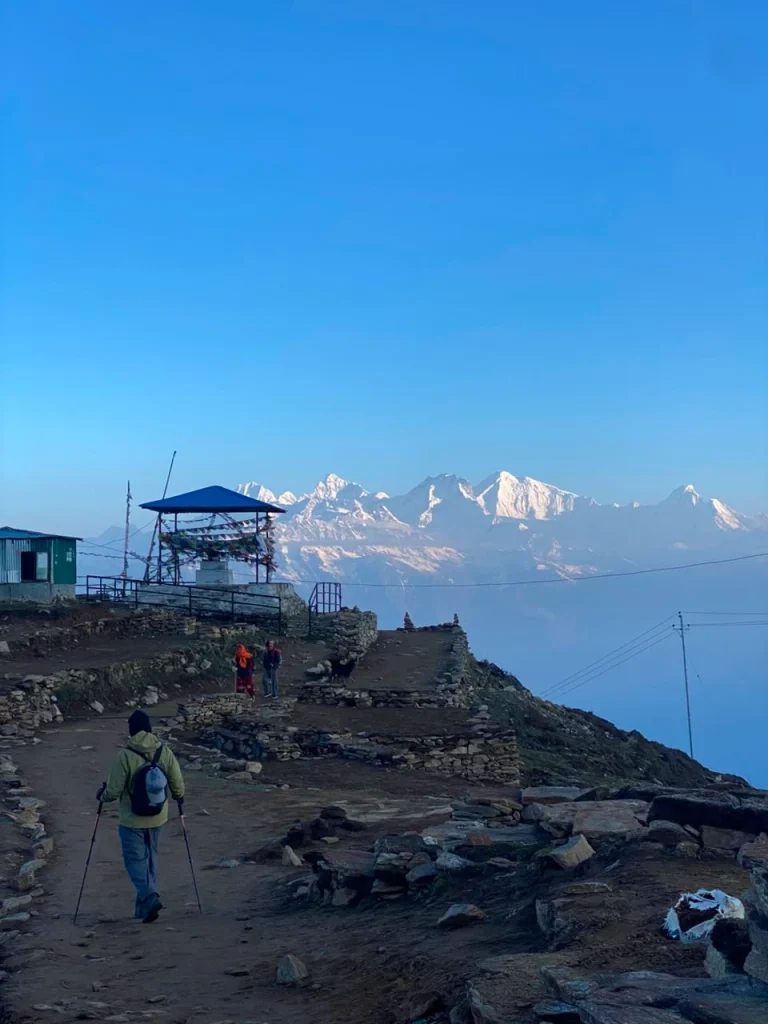
The best time for the Gosaikunda Trek is generally spring and autumn, when trekking conditions are usually more favorable. March to May brings improving mountain weather and flowering landscapes, while September to November often offers clearer skies and good mountain visibility. However, conditions can change from year to year, so trekkers should always check the latest weather and trail situation before departure.
Gosaikunda Trek in Spring
- March: Early spring can still feel cold at higher elevations, and snow may remain around the lake. Lower trails gradually become more comfortable as the season progresses.
- April: Usually a favorable month for trekking, with warmer conditions at lower elevations and increasingly pleasant mountain scenery.
- May: Generally warmer at lower elevations, while the higher sections remain cool. Visibility and trail conditions can vary as the season approaches monsoon.
Gosaikunda Trek in Monsoon
- June: Rain becomes more common, particularly on lower sections. Wet trails can make walking slower and less comfortable.
- July: Heavy monsoon conditions can bring rain, slippery paths, clouds and reduced mountain visibility.
- August: Rain remains a major consideration. Landslides and poor road conditions can also affect transportation to and from the trekking area.
Monsoon trekking is possible with suitable preparation, but it requires more flexibility and careful attention to weather and trail conditions.
Gosaikunda Trek in Autumn
- September: Conditions can improve as the monsoon gradually retreats, although early September may still experience rainfall.
- October: Often one of the most attractive periods for trekking, with generally pleasant conditions and good mountain visibility.
- November: Cooler temperatures become noticeable, especially at night and around the lake, but trekking conditions can remain favorable.
Gosaikunda Trek in Winter
- December: Cold conditions become more significant at high elevations, and snowfall can affect the upper trail.
- January: This is one of the coldest periods. Snow and freezing conditions may make the higher route more challenging.
- February: Winter conditions can continue, although temperatures gradually begin to improve toward the end of the month.
Winter trekking requires stronger preparation because snow, ice and cold can change the difficulty of the trail quickly.
Seasonal Comparison
| Season | Weather | Trail Conditions | Recommended? |
| Spring | Generally improving | Mostly favorable, possible snow at high altitude | Yes |
| Monsoon | Wet and cloudy | Slippery and potentially disrupted | With caution |
| Autumn | Generally stable and clear | Usually favorable | Yes |
| Winter | Very cold | Snow/ice possible at higher elevations | Experienced/prepared trekkers |
For most trekkers, spring and autumn provide the easiest balance of weather, trail conditions and mountain views. If you choose monsoon or winter, build extra flexibility into the itinerary rather than assuming the trail will have the same conditions shown in photographs from peak trekking seasons.
Gosaikunda Weather and Temperature
Gosaikunda weather changes significantly with altitude and season. Conditions around the lake are much colder than in Kathmandu or the lower trekking areas, particularly after sunset. Trekkers should prepare for cold, wind, rain or snow depending on the season rather than expecting one fixed temperature throughout the year.
Gosaikunda Temperature by Season
- Spring: Temperatures gradually become more comfortable during the day, although mornings and nights at the lake can remain very cold.
- Monsoon: Lower elevations are generally warmer but wetter. Clouds, rain and limited visibility can affect the higher trail.
- Autumn: Days are often comfortable for walking, while temperatures drop considerably after sunset.
- Winter: The coldest conditions occur at high elevations, with freezing temperatures and possible snow or ice around Gosaikunda.
Day vs Night Temperature
The difference between daytime and nighttime conditions can be substantial. Sunshine can make the trail feel relatively comfortable while walking, but temperatures fall quickly once the sun disappears.
This means a warm trekking jacket alone may not be enough. Proper layering, gloves, a warm hat and suitable sleeping gear become increasingly important near the lake.
Snow and Freezing Conditions
Snow and ice are more likely during the colder months, particularly around the higher sections of the route. These conditions can make stone trails slippery and increase the physical difficulty of the trek.
Winter travelers should check recent trail information and weather conditions before starting the higher part of the journey.
What Weather Should Trekkers Expect?
Expect changeable mountain weather rather than predictable conditions. Morning visibility may be good before clouds develop later, while rain or snow can appear depending on the season.
For this reason, preparation matters more than trying to predict the exact conditions. Carry waterproof protection, warm layers and appropriate footwear, and allow some flexibility in the itinerary if weather or trail conditions deteriorate.
Gosaikunda Trek Cost
The Gosaikunda Trek cost depends on your route, number of trekking days, transportation, accommodation, guide arrangements and whether you join a group or choose a private trek. A shorter itinerary can reduce accommodation and food expenses, while a private trip offers more flexibility but usually costs more. Because prices can change by season and operator, confirm current rates before booking.
How Much Does Gosaikunda Trek Cost?
There is no single price that applies to every Gosaikunda trek. Your final budget normally includes transportation from Kathmandu, accommodation and meals during the trek, guide or porter services, required permits and other personal expenses.
The best way to compare packages is to check what is actually included, rather than choosing only the lowest advertised price.
What Is Included in the Cost?
Depending on the trekking package, the cost may cover:
- Guide: Professional trekking guide and their expenses.
- Permits: Required trekking and conservation-area permits.
- Transportation: Road transportation between Kathmandu and the trekking starting or ending points.
- Accommodation: Teahouse or lodge stays along the route.
- Meals: Usually breakfast, lunch and dinner during the trekking period.
- Staff expenses: Guide, porter or other support staff where included.
- Insurance and evacuation: Usually not included unless specifically stated.
Always read the inclusion and exclusion list before making a booking.
What Is Not Included?
Common additional expenses can include:
- International flights
- Nepal visa fees
- Personal travel insurance
- Emergency evacuation
- Personal snacks and drinks
- Hot showers or charging fees where applicable
- Tips for trekking staff
- Personal equipment
- Extra accommodation or transportation caused by delays
These smaller expenses can add up, so keeping an emergency budget is sensible.
Budget vs Private Trek
| Cost Category | Budget/Group | Private/Organized |
| Transportation | Shared or standard | Private or arranged |
| Accommodation | Basic teahouse | Selected according to itinerary |
| Guide | Group guide | Private guide |
| Food | Standard meals | Standard meals |
| Permits | Required permits | Required permits |
| Flexibility | Lower | Higher |
Gosaikunda Trek Cost for Nepali Trekkers
For Nepali trekkers, the overall budget can be lower when transportation and services are arranged locally. The actual cost still depends on the number of days, accommodation standard, food choices, transportation and whether a guide or porter is used.
For an accurate current Gosaikunda Trek cost, calculate the trip from the actual itinerary rather than using a generic online figure.
Do You Need a Permit for Gosaikunda Trek?
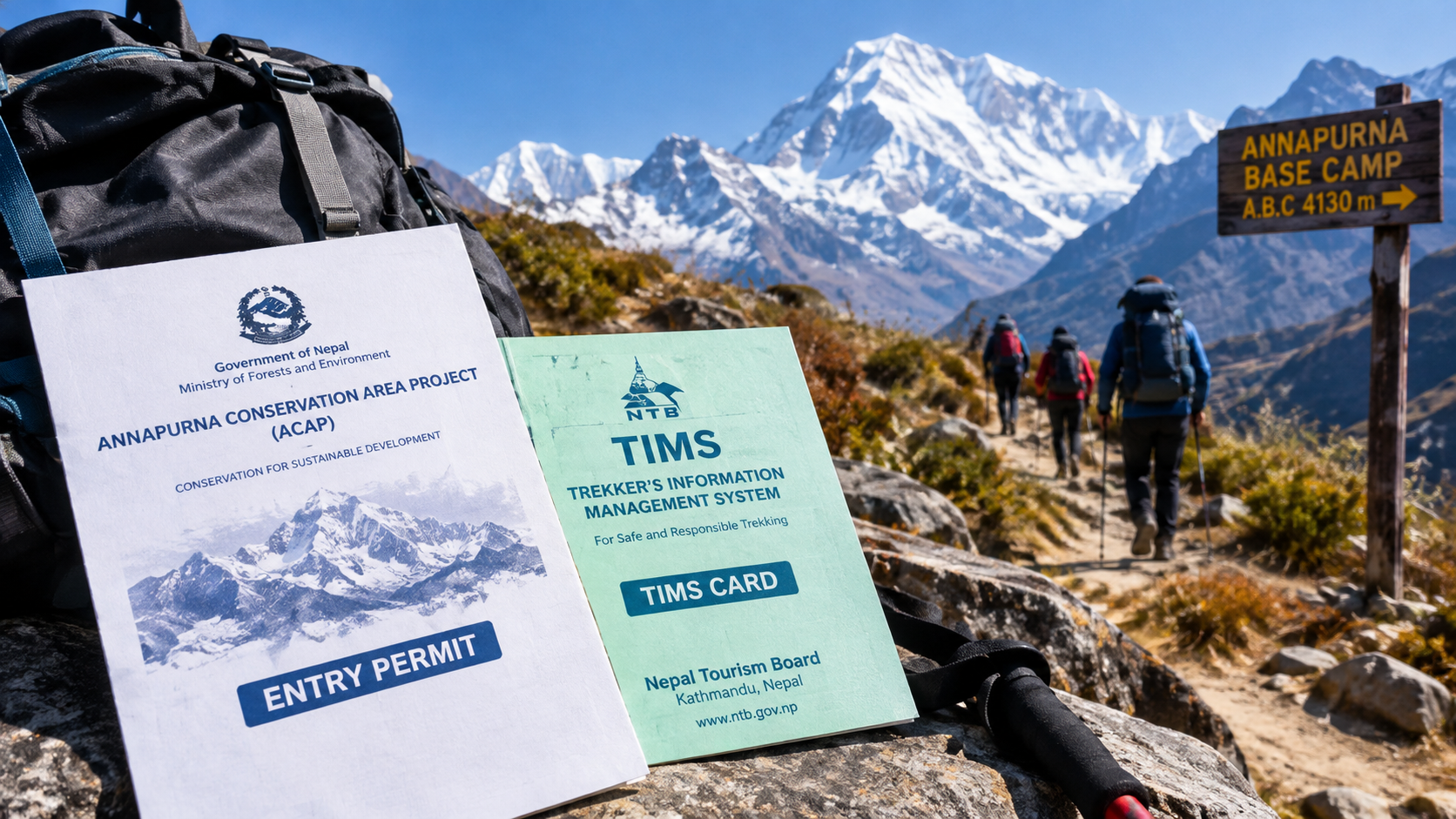
Yes, trekkers should carry the required permits for the Gosaikunda route, because the trek passes through the protected Langtang area. The exact permit requirements and fees can depend on the route and current regulations, so these details should be confirmed before departure rather than relying on an old fee list.
Required Permits
The main permit consideration is the Langtang National Park entry permit, as Gosaikunda lies within the Langtang protected area. Depending on the exact itinerary and current regulations, additional documentation may apply.
If you book through a trekking company, the operator can normally help arrange the required permits before you leave Kathmandu.
Where to Obtain Permits
Permits can generally be arranged through the appropriate tourism or national-park authorities, and trekking agencies can also handle the process for organized trips.
Carry your passport and required travel documents because permit applications may require identification details.
Permit Cost
Permit fees can change, particularly when government regulations or tourism policies are updated. Verify the current official fee before publication or departure rather than using an outdated figure from another trekking website.
For your Wilderway page, the final permit section should show the current authority, fee in NPR and USD, and the date checked.
Why Permits Matter
Permits are more than a formality. They help regulate access to protected trekking areas and support conservation and visitor management.
Before starting the trek, make sure your permits match your planned route. If your itinerary changes, ask your guide or trekking agency whether the existing permits remain valid for the new route.
Gosaikunda Temple, Religion and Cultural Significance
Gosaikunda is not only a trekking destination. Gosaikunda Lake is a sacred Himalayan site, especially important in Hindu tradition, and the journey to the lake has long been associated with pilgrimage. For trekkers, understanding this religious importance adds another layer to the experience beyond the scenery and physical challenge.
Why Is Gosaikunda Sacred?
Gosaikunda is regarded as a sacred lake in Hindu tradition. Pilgrims travel to the high-altitude lake to pray, perform religious rituals and take part in important festivals.
The combination of a remote mountain setting and religious significance makes the destination different from an ordinary alpine trekking stop. Trekkers should approach the area respectfully, particularly when visiting during pilgrimage periods.
Gosaikunda and Lord Shiva
Gosaikunda is strongly associated with Lord Shiva in Hindu tradition. According to religious belief, the lake is connected with Shiva and is considered a holy place.
This connection is one reason the lake holds such importance for Hindu pilgrims. The religious story is part of the cultural identity of the destination and continues to shape how people experience Gosaikunda today.
Gosaikunda During Janai Purnima
Janai Purnima is one of the most important periods for pilgrimage to Gosaikunda. Hindu devotees travel toward the lake to take part in religious observances, and the area can become much busier than during ordinary trekking periods.
For travelers visiting around the festival, the experience can feel very different from a quiet trekking journey. Accommodation, transportation and trail conditions may also require additional planning.
Hindu and Buddhist Traditions
Gosaikunda is primarily known for its Hindu religious significance, while the wider Langtang region also has strong Buddhist cultural traditions. This creates a culturally rich trekking environment where mountain communities, monasteries, religious practices and pilgrimage routes exist within the same broader landscape.
Trekkers should avoid reducing the area to a tourist attraction. Local customs and religious practices deserve the same respect as the natural environment.
Gosaikunda Temple
The religious sites around Gosaikunda are closely connected with pilgrimage to the lake. Visitors may see shrines and prayer-related activity around the sacred area.
The setting itself is striking: a high Himalayan lake surrounded by rocky mountain terrain, with religious activity continuing despite the demanding altitude.
The Pilgrimage Experience
For pilgrims, reaching Gosaikunda can be a deeply meaningful journey rather than simply a trekking achievement. The physical effort, high altitude and religious purpose are closely connected.
For non-pilgrim trekkers, the best approach is to observe respectfully, keep the surroundings clean and avoid disturbing people during prayers or ceremonies. The cultural significance of Gosaikunda is one of the reasons this trek feels different from many other Himalayan routes.
What Is the Gosaikunda Trek Like?
The Gosaikunda Trek gradually changes character as you gain altitude. You begin among greener hills and forested trails, then move through mountain villages and open landscapes before reaching the colder, more exposed surroundings of Gosaikunda Lake. The changing scenery is one of the strongest parts of the journey.
Forest Trails
The lower sections pass through forested areas where trees provide shade and the trail feels more sheltered. Depending on the season, you may see rhododendrons, moss-covered sections and other mountain vegetation.
Mountain Villages
Small settlements along the route provide opportunities to see everyday life in the Himalayan foothills. Teahouses and local homes become important resting points as the trail climbs higher.
Rhododendron Landscapes
Rhododendron forests can add striking color to the route during the flowering season. These sections make the lower and middle parts of the trek feel very different from the rocky landscape around the lake.
Alpine Terrain
As you approach Gosaikunda, vegetation becomes increasingly sparse. The trail feels more exposed, the air becomes colder and the surrounding landscape takes on a distinctly alpine character.
The First View of Gosaikunda Lake
The first sight of Gosaikunda can be one of the most memorable moments of the trek. After hours of climbing through increasingly rugged terrain, the lake appears among the surrounding mountains, creating a dramatic contrast with the forests below.
What a Typical Trekking Day Feels Like
A normal day combines several hours of walking with regular rest breaks, meals and time to enjoy the surroundings. The higher you go, the more important it becomes to slow your pace and pay attention to how your body feels.
From a guide’s perspective, the strongest trekkers are not necessarily the fastest ones. A steady pace, enough water, proper food and knowing when to rest often make a much bigger difference on a high-altitude trail.
Gosaikunda Trek Packing List
Packing for the Gosaikunda Trek requires a balance between staying warm at high altitude and keeping your backpack manageable. You may experience very different conditions during the same trek, from relatively mild lower trails to cold, windy and potentially snowy conditions around the lake. Pack for changing weather rather than carrying unnecessary items.
Clothing
Use a layering system so you can adjust your clothing as temperatures change. A moisture-wicking base layer, warm fleece, insulated jacket, trekking trousers and a waterproof outer layer are useful choices. Carry enough socks and underwear to stay comfortable throughout the trek.
Footwear
Good trekking shoes with reliable grip are important because the route can include uneven rocks, stone steps and wet sections. Break your shoes in before the trek rather than wearing completely new footwear on the trail.
Rain and Snow Protection
Weather can change quickly in the mountains, so carry a waterproof jacket and trousers, backpack rain cover and suitable protection for cold conditions. During winter or periods of possible snowfall, additional insulation and traction equipment may be useful depending on current trail conditions.
Sleeping Gear
Warm sleeping equipment is important because nights become much colder as you gain elevation. A suitable sleeping bag, thermal layers and a comfortable sleeping setup can make a major difference to recovery after a long walking day.
Water and Snacks
Carry a reusable water bottle or hydration system and make sure you have access to sufficient drinking water throughout the day. High-energy snacks such as nuts, energy bars and dried fruit can provide useful calories between meals.
Sun Protection
At higher elevations, strong sunlight can make exposed sections uncomfortable. Pack sunglasses, sunscreen, lip protection and a hat or cap.
First Aid
A small personal first-aid kit should cover basic problems such as blisters, minor cuts and muscle discomfort. Include any regular medication you personally need and keep important medicines accessible.
Documents and Electronics
Carry your passport or required identification, permits, insurance information, emergency contacts and some backup cash. A phone, power bank and charging equipment can also be useful, especially where electricity access is limited.
High-Altitude Essentials
Your high-altitude kit should include warm layers, gloves, a warm hat, sunglasses, sunscreen, water purification options and basic personal medication. Do not use altitude medication simply because it appears on a packing list; discuss medication such as acetazolamide with a qualified medical professional before your trek.
Gosaikunda Packing Checklist
Clothing: Base layers, fleece, insulated jacket, trekking trousers, waterproof jacket, socks and gloves.
Footwear:Broken-in trekking shoes, spare socks and lightweight camp footwear.
Protection:Sunglasses, sunscreen, hat, rain cover and waterproof bags.
Health: Personal medication, basic first aid, blister care and water purification.
Essentials:Passport/ID, permits, insurance details, cash, phone and power bank.
High altitude: Warm sleeping bag, insulated layers and equipment appropriate for the season.
A lighter, well-organized backpack is generally easier to manage than an overloaded one. Pack what you genuinely need, and check the expected conditions before departure so your equipment matches the season.
Gosaikunda Trek Safety and Altitude Sickness
Safety on the Gosaikunda Trek becomes increasingly important as the route climbs toward 4,380 m (14,370 ft). Altitude, changing weather, uneven trails and cold conditions can all affect how you feel. Good preparation helps, but trekkers should still pay attention to symptoms and avoid pushing higher when their body is not adjusting well.
Gosaikunda Altitude and AMS Risk
Gosaikunda is high enough for acute mountain sickness (AMS) to become a genuine concern. The risk is not determined only by fitness. A strong hiker can still develop altitude-related symptoms if they ascend too quickly.
The safest approach is to increase elevation gradually, maintain a comfortable pace and give your body time to adjust.
Common Symptoms
Watch for symptoms that develop after gaining altitude, including:
- Headache: A common early symptom that should not simply be ignored.
- Nausea: Feeling sick or uncomfortable can indicate that your body is struggling with the altitude.
- Dizziness: Unusual light-headedness or poor balance requires caution.
- Fatigue: Some tiredness is normal, but extreme weakness is not something to push through.
- Loss of appetite: A reduced desire to eat can occur at altitude and may make it harder to maintain energy.
- Sleep problems: Restless or disturbed sleep can occur as altitude increases.
Symptoms should be considered together with how quickly you have gained elevation and whether they are improving or getting worse.
How to Reduce Altitude Risk
- Ascend gradually: Avoid unnecessarily rapid gains in elevation.
- Walk slowly: A steady pace is more useful than trying to keep up with faster trekkers.
- Stay hydrated: Drink regularly throughout the day without forcing excessive amounts of water.
- Eat properly: Maintain enough food intake to support long walking days.
- Avoid alcohol: Alcohol can interfere with hydration and recovery and is best avoided at high altitude.
- Listen to your body: Do not treat worsening symptoms as something you simply need to overcome.
When to Stop Ascending
If altitude-related symptoms are developing or becoming worse, do not continue gaining elevation simply to stay on schedule. Stop, rest and inform your guide or trekking companions.
If symptoms do not improve or become more serious, descending to a lower elevation is generally more important than completing the planned itinerary.
When to Descend
Severe or worsening symptoms require urgent attention. Confusion, difficulty walking, severe breathlessness, unusual weakness or serious breathing problems should be treated as an emergency, and the affected person should descend and receive professional medical assistance as quickly as possible.
Serious altitude illnesses such as high-altitude pulmonary edema (HAPE) and high-altitude cerebral edema (HACE) can be life-threatening. Do not attempt to manage severe symptoms by simply resting at the same altitude.
Weather and Trail Safety
Weather can change quickly around Gosaikunda. Rain, snow, fog, strong wind and icy conditions can make the trail significantly harder to navigate.
Before starting each day, check current conditions with your guide or local accommodation staff. Carry waterproof layers, warm clothing and footwear with good grip, and allow extra time when trail conditions are poor.
Travel Insurance and Emergency Evacuation
Travel insurance should cover high-altitude trekking and emergency evacuation in Nepal, subject to the policy’s altitude and activity limits. Read the exclusions carefully before travelling.
If a serious emergency occurs, evacuation options depend on location, weather, availability and the severity of the situation. Keep your insurance details and emergency contacts accessible rather than packed deep inside your luggage.
Common Mistakes on the Gosaikunda Trek
Many problems on the Gosaikunda Trek are not caused by the trail itself but by poor planning. Walking too fast, ignoring altitude symptoms, carrying unsuitable gear or underestimating mountain weather can turn a manageable trek into an exhausting experience. Avoiding a few common mistakes can make the journey safer, more comfortable and more enjoyable.
Mistake 1: Choosing an Overly Fast Itinerary
Trying to reach Gosaikunda in too little time can increase fatigue and make altitude adjustment harder. Choose an itinerary that gives you enough time to walk comfortably and respond to changing conditions.
Mistake 2: Ignoring Altitude
Feeling strong at lower elevations does not guarantee that you will feel the same at 4,380 m. Pay attention to headache, dizziness, nausea, unusual fatigue and other changes after gaining altitude.
Mistake 3: Underestimating Weather
Mountain weather can change quickly. Leaving without adequate rain and cold protection can make a normal trekking day uncomfortable or even unsafe.
Mistake 4: Poor Footwear
Worn-out or unsuitable shoes can cause blisters, poor grip and discomfort on rocky or stepped sections. Use broken-in trekking footwear with good traction.
Mistake 5: Not Carrying Enough Water
Long walking days and higher elevations make regular hydration important. Carry enough water for the day’s route and use safe water sources or appropriate purification methods.
Mistake 6: Trekking Without Adequate Preparation
You do not need mountaineering experience, but you should prepare your legs, endurance and basic trekking skills before departure. A few weeks of regular walking, stairs and longer hikes can make the Gosaikunda trail feel much more manageable.
Who Is the Gosaikunda Trek Best For?
The Gosaikunda Trek can suit different types of travelers, but it is not equally suitable for everyone. The combination of altitude, uphill walking and changing weather means that fitness, preparation and the pace of the itinerary matter. A traveler does not need to be an experienced mountaineer, but should be comfortable with several hours of walking.
First-Time Trekkers
Beginners can choose Gosaikunda if they have reasonable fitness and prepare properly before the trip. The key is to avoid rushing and choose an itinerary that gives enough time for the body to adjust to increasing altitude.
Experienced Hikers
For experienced hikers, Gosaikunda offers a good opportunity to combine physical challenge with Himalayan scenery and cultural experiences. Those already comfortable with long mountain walks may find the route more manageable.
Pilgrims
Gosaikunda is an important destination for Hindu pilgrims, particularly during Janai Purnima. For pilgrims, reaching the lake can carry a deeper religious meaning than simply completing a trekking route.
Photographers
The changing landscapes make the trek attractive for photographers. Forests, mountain villages, alpine terrain and the lake itself provide very different subjects as the elevation increases.
Travelers With Limited Time
Gosaikunda can be a practical choice for travelers who want a high-altitude Himalayan experience without committing to one of Nepal’s longer trekking journeys. The exact number of days depends on the chosen route and transportation arrangements.
Families and Older Trekkers
Families and older travelers should assess the trek individually rather than assuming it will be easy because of its relatively short duration. Fitness, altitude tolerance, medical considerations, walking ability and season all matter.
A slower itinerary with appropriate support can make the journey more comfortable, but anyone with medical concerns should seek professional medical advice before undertaking a high-altitude trek.
Plan Your Gosaikunda Trek With Wilderway
A good Gosaikunda Trek starts with choosing an itinerary that matches your fitness, available time and comfort with high altitude. The route should not be rushed simply to reach the lake faster. Allowing enough time for steady walking, changing weather and unexpected trail conditions can make the experience safer and more enjoyable. Wilderway Trekking & Expedition focuses on practical itinerary planning, local trekking knowledge, responsible travel and support throughout the journey, helping trekkers understand what to expect before they start walking.
Ready to experience Gosaikunda? Explore the Langtang Gosaikunda Trek itinerary with Wilderway Trekking & Expedition and choose a route and pace that fit your travel plans.
Frequently Asked Questions About Gosaikunda
Where is Gosaikunda located?
Gosaikunda is located in Rasuwa District in Nepal’s Langtang region, about 4,380 meters (14,370 feet) above sea level. The sacred alpine lake is surrounded by rugged Himalayan landscapes and is reached by trekking through forests, mountain villages, and high-altitude terrain north of Kathmandu.
What is Gosaikunda famous for?
Gosaikunda is famous for its sacred lake, religious significance, and dramatic Himalayan scenery. The lake is particularly important to Hindu pilgrims who associate it with Lord Shiva, and thousands of devotees visit during Janai Purnima. For trekkers, Gosaikunda combines cultural significance with high-altitude landscapes and panoramic mountain views.
How difficult is the Gosaikunda Trek?
The Gosaikunda Trek is generally moderate to challenging, mainly because of its altitude and steep sections rather than technical climbing. The trail includes stone steps, uneven paths, forest climbs, and long uphill sections before reaching 4,380 meters (14,370 feet). Good fitness, gradual pacing, and proper acclimatization are important, especially for first-time high-altitude trekkers.
How many days do you need for the Gosaikunda Trek?
The Gosaikunda Trek can take anywhere from a few days to a week or more, depending on the starting point and route. Short itineraries involve longer walking days and faster elevation gain, while longer itineraries allow a more comfortable pace. The best itinerary should be based on daily walking hours, altitude gain, and acclimatization rather than the total number of days alone.
How far is Gosaikunda from Kathmandu?
Gosaikunda is relatively close to Kathmandu by Himalayan trekking standards, but the journey requires both road transportation and several days of walking. Trekkers commonly travel from Kathmandu toward Dhunche or another trail access point before continuing on foot. The actual travel distance varies according to the roadhead and trekking route selected.
What is the best time to trek to Gosaikunda?
Spring and autumn are generally the best seasons for the Gosaikunda Trek, particularly March to May and September to November. These periods usually offer more favorable trekking conditions and better mountain visibility than the monsoon months. October and November are especially popular for clearer Himalayan views, while spring brings warmer conditions and blooming vegetation at lower elevations.
What is the altitude of Gosaikunda Lake?
Gosaikunda Lake is located at approximately 4,380 meters (14,370 feet) above sea level. This elevation makes altitude one of the most important considerations on the trek. Trekkers should ascend gradually, maintain a steady pace, stay hydrated, and pay attention to symptoms such as headache, nausea, dizziness, or unusual fatigue.
Is the Gosaikunda Trek safe?
The Gosaikunda Trek is generally manageable with proper preparation, but altitude, weather, and changing trail conditions create genuine risks. Higher sections can become slippery, snowy, or difficult during poor weather. Trek with appropriate equipment, monitor your health, and do not continue ascending if serious altitude symptoms develop. Comprehensive travel insurance covering high-altitude trekking and emergency evacuation is strongly recommended.
Is Gosaikunda suitable for beginners?
Yes, reasonably fit beginners can complete the Gosaikunda Trek without technical mountaineering experience. The main challenge is reaching 4,380 meters (14,370 feet), where altitude can affect even fit trekkers. Beginners should choose a gradual itinerary, prepare with regular hiking and uphill walking, maintain a steady pace, and trek with an experienced guide if they are unfamiliar with high-altitude environments.
How much does the Gosaikunda Trek cost?
The cost of the Gosaikunda Trek depends on the itinerary, transportation, accommodation, guide services, permits, and group size. Shorter itineraries generally cost less, while longer routes require additional accommodation, meals, and transportation. When comparing trekking packages, check exactly what is included rather than choosing an operator based only on the lowest advertised price.