
- 37 Views
- 17 Min Read
- (0) Comment
Planning the Annapurna Circuit sounds exciting until you start adding everything together. How much will you actually spend on food? What about teahouses, permits, a guide, transport, insurance, gear and the famous Thorong La Pass? A realistic Annapurna Circuit Trek cost in 2026/2027 is around $700–$1,200 for a budget trip and roughly $1,200–$2,500+ for a guided trek, while premium or customized trips can go considerably higher.
The good news is that the Annapurna Circuit does not have to be an extremely expensive Himalayan adventure. In this blog, we break down the Annapurna Circuit Trek cost 2026/2027 including permits, accommodation, food, guide and porter fees, transportation, trekking gear, insurance, tips and other small expenses that are easy to forget. The actual amount depends on how many days you trek, your comfort level, and whether you add places such as Tilicho Lake.
Annapurna Circuit Trek Cost at a Glance
For most trekkers, a 12–18 day Annapurna Circuit falls into three broad budget categories. A basic teahouse trek costs less because you use simple accommodation, local food and public transportation. A guided trip costs more, but you get help with navigation, permits, accommodation, altitude management and logistics.
| Trekking style | Approx. cost | Typical duration | Usually includes |
| Budget / simple trek | $700–$1,000 | 12–16 days | Teahouse, local meals, basic transport |
| Mid-range guided trek | $1,200–$1,800 | 12–16 days | Guide, accommodation, meals, permits, transport |
| Guided + porter | $1,400–$2,200 | 12–18 days | Guide, porter, teahouses, meals, permits |
| Premium / customized | $2,500–$3,500+ | 12–18 days | Private service, better hotels, private transport, extra comfort |
These are planning ranges, not fixed package prices. Your cost can move quite a bit depending on whether you take a jeep, use local buses, fly from Jomsom, add Tilicho Lake, choose better rooms or stay additional acclimatization days.
And honestly, this is where many online cost guides become confusing. They give one number for the whole trek, but your Annapurna Circuit experience may be very different from another trekker’s.
How Much Do Annapurna Circuit Trek Permits Cost in 2026?
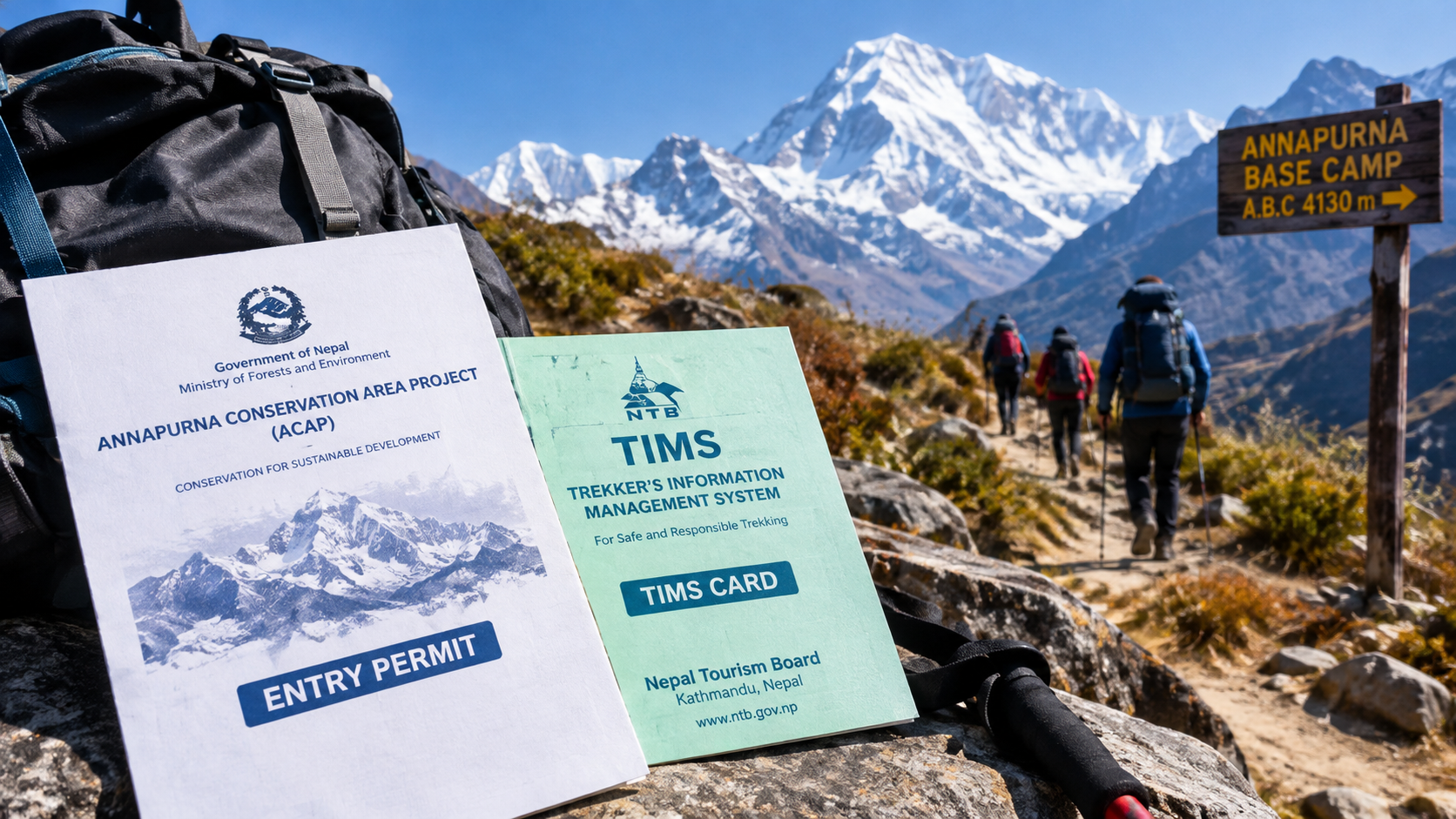
For the standard Annapurna Circuit Trek, the two main permit-related costs are the Trekkers’ Information Management Systems(TIMS) card and the Annapurna Conservation Area Permit (ACAP). According to the current published rates from the Nepal Tourism Board, foreign trekkers from non-SAARC countries pay NPR 3,000 for the ACAP and NPR 2,000 for TIMS, making the basic permit cost NPR 5,000 per person. SAARC nationals pay lower published rates.
The Annapurna Circuit is included among the routes covered by the current TIMS provision. However, trekkers should also check whether any local government, restricted-area, or route-specific charges apply to their exact itinerary. For a broader explanation of Nepal’s trekking permits, requirements, fees, and issuing authorities, see our detailed guide to Nepal trekking permits.
Current Permit Cost
| Permit | Foreign visitor | SAARC visitor |
| ACAP | NPR 3,000 | NPR 1,000 |
| TIMS | NPR 2,000 | NPR 1,000 |
| Basic total | NPR 5,000 | NPR 2,000 |
Permit rules can change, so it is better to check the latest official rate before leaving Kathmandu or Pokhara.
The important thing is not to confuse TIMS with a conservation-area permit. They are separate systems. TIMS is related to trekker registration and safety management, while ACAP is the entry fee for the Annapurna Conservation Area.
How Much Do Food and Accommodation Cost on the Annapurna Circuit?
Food and accommodation are usually the biggest day-to-day expenses on the Annapurna Circuit after transport and guide costs.
At lower elevations, prices are relatively manageable. As you climb toward Manang, Yak Kharka and Thorong Phedi, the same basic meal can cost more because supplies have to travel farther and higher into the mountains.
A reasonable independent trekker should generally plan around $20–$35 per day for accommodation and food, with higher spending possible at the highest settlements.
Teahouse Accommodation
Most trekkers stay in simple teahouses or lodges.
Typical planning prices are approximately:
- Lower elevations: $3–$7 per room
- Manang area: $5–$10
- Higher settlements: $6–$12+
- Hot shower: often an additional $2–$5
- Charging: often $1–$5
- Wi-Fi: commonly $2–$5, depending on location
One thing that surprises first-time trekkers is that the room can sometimes be very cheap if you eat your meals at the same lodge.
So don’t look at the room price alone. A $3 room that requires expensive meals may not actually be cheaper than a slightly more expensive room with reasonable food prices.
Food Costs
Food prices increase as you gain altitude.
You can expect roughly:
- Breakfast: $4–$8
- Lunch: $5–$9
- Dinner: $6–$12
- Tea/coffee: $1–$4
- Snacks: $2–$6
Dal bhat remains one of the most practical choices. It is filling, familiar to local trekking culture and often comes with additional servings.
Pizza, pasta, burgers and other Western dishes are available in many villages, but they usually become more expensive as you climb.
How Much Does a Guide Cost for the Annapurna Circuit?
A guide can add roughly $25–$40 per day, depending on the guide, season, service level and whether the arrangement is through a trekking agency.The current NTB TIMS provision includes the Annapurna Circuit Trek among routes requiring a licensed trekking guide and an agency-issued TIMS Card.This is an important change to older Annapurna Circuit information online. Some older articles still describe the Circuit as a trek where a guide is simply optional. Travelers should check the current rules rather than relying on an old blog post.
A good guide is not only there to show the way. On a route crossing Thorong La at 5,416 meters, practical experience with altitude, weather, accommodation and changing trail conditions can be very useful.For more details on the benefits and practical considerations of trekking with a guide in Nepal, see our dedicated guide.
What Does a Guide Usually Help With?
A professional guide can help with:
- Route navigation
- Permit arrangements
- Lodge selection
- Daily itinerary
- Altitude awareness
- Communication with local communities
- Weather and trail decisions
- Emergency coordination
- Basic cultural interpretation
The cheapest guide is not always the best value. A guide who understands the route well can make a big difference when the weather changes or someone in the group starts feeling unwell.
How Much Does a Porter Cost?
A porter generally costs around $15–$25 per day, depending on the arrangement, season and agency.A porter can normally carry a substantial portion of your trekking equipment, allowing you to walk with a lighter daypack.For two trekkers traveling together, sharing one porter can reduce the individual cost considerably.
For example, if a porter costs $20 per day and two people share the arrangement, the basic porter cost becomes around $10 per person per day before tips and any agency-related charges.When hiring porters, also ask about insurance, maximum carrying weight, accommodation and meals. The cheapest quote does not tell the complete story.
How Much Does Transport Cost for the Annapurna Circuit?
Transportation is another part of the budget that changes a lot depending on your itinerary.
The classic Circuit has changed over the years because roads now reach many sections of the route. Some trekkers use buses or jeeps for certain sections, while others walk more of the traditional route.
Typical Transport Budget
| Transport | Approximate planning cost |
| Kathmandu to Besisahar local bus | $8–$15 |
| Kathmandu to Besisahar tourist/private transport | $15–$100+ |
| Shared jeep on mountain roads | $10–$40+ |
| Private jeep | $80–$180+ |
| Jomsom to Pokhara flight | $100–$150+ |
| Jomsom to Pokhara road transport | Lower than flight, but longer |
Actual prices depend on season, road conditions, vehicle type and whether you share the vehicle.For many travelers, the most sensible option is a combination of walking and transport rather than trying to walk every road section.
How Much Does Travel Insurance Cost for the Annapurna Circuit?
Travel insurance can cost around $40–$150+, depending on your nationality, age, coverage, trip length and insurance company.But price should not be the only thing you check.The Annapurna Circuit reaches 5,416 meters at Thorong La, so your insurance needs to specifically cover trekking at your planned altitude.
Check whether your policy covers:
- High-altitude trekking
- Emergency medical treatment
- Helicopter evacuation
- Search and rescue
- Trip interruption
- Medical evacuation
- Lost baggage
Some cheap travel policies have altitude exclusions. That is one place where saving a few dollars can become a very bad idea later.
How Much Does Trekking Gear Cost?
If you already own good trekking equipment, your gear cost may be quite low.If you are starting from zero, however, gear can add several hundred dollars to the overall Annapurna Circuit budget.
Common Gear Costs
| Gear | Buy | Rental / alternative |
| Down jacket | $80–$250+ | $1–$3/day |
| Sleeping bag | $80–$300+ | $1–$3/day |
| Trekking poles | $20–$100 | Usually buy |
| Trekking boots | $70–$250+ | Better to own and break in |
| Backpack | $50–$200+ | $1–$3/day |
| Warm layers | $50–$150+ | Mixed |
| Headlamp | $10–$40 | Usually buy |
Kathmandu and Pokhara have many trekking shops where travelers can rent or buy equipment.For expensive items such as trekking boots, I would not recommend buying them on the morning you leave. Walk in them first. Blisters at 4,000 meters are not fun.
How Much Cash Should You Carry?
Carry enough Nepali rupees for the mountain section because card payments and ATMs cannot be relied on throughout the entire Circuit.A practical cash reserve depends on your itinerary, but NPR 30,000–50,000 per person can provide a useful buffer for an independent trekker when major prepaid costs are already covered.
You may need cash for:
- Meals
- Rooms
- Hot showers
- Charging
- Wi-Fi
- Snacks
- Drinks
- Local transport
- Emergency expenses
- Tips
Don’t wait until Manang to discover that your preferred payment method does not work.
How Much Does a 14-Day Annapurna Circuit Trek Cost?
For a 14-day itinerary, a realistic planning budget can look like this:
| Expense | Budget | Guided / Mid-range |
| TIMS + ACAP | ~$35–$40 | ~$35–$40 |
| Food & accommodation | $300–$450 | $350–$550 |
| Guide | $0* | $350–$550 |
| Porter | $0* | $210–$350 |
| Transport | $80–$180 | $120–$250 |
| Insurance | $50–$120 | $50–$120 |
| Gear | $50–$200 | $50–$200 |
| Miscellaneous | $50–$100 | $75–$150 |
| Approximate total | $700–$1,200 | $1,200–$2,200+ |
The independent option should only be considered where the current route rules permit it. Current NTB guidance lists Annapurna Circuit among routes requiring a licensed guide and agency-issued TIMS, so travelers should verify the current rules before planning an independent trek.
Is Annapurna Circuit More Expensive With Tilicho Lake?
Yes, adding Tilicho Lake usually increases the total cost, although the exact increase is not enormous if you are already completing the Circuit.You normally need additional trekking days, food, accommodation and transportation depending on your route.The bigger difference comes when you add other side trips or specialized crossings such as Mesokanto Pass.
For a standard Annapurna Circuit with Tilicho Lake, keeping an additional $100–$250 in your trekking budget is a reasonable planning buffer.The exact amount depends on your itinerary and whether you need additional transportation or accommodation days.
Annapurna Circuit vs Annapurna Base Camp Cost
The Annapurna Circuit generally costs more in total because it usually takes longer.
| Factor | Annapurna Circuit | Annapurna Base Camp |
| Typical duration | 12–18 days | 7–12 days |
| Budget range | $700–$1,200 | $500–$900 |
| Guided range | $1,200–$2,200+ | $900–$1,600+ |
| Highest point | Thorong La, 5,416m | ABC, 4,130m |
| Main permit area | ACAP + applicable TIMS | ACAP + applicable TIMS |
| Main attraction | Full Himalayan circuit | Annapurna Sanctuary |
ABC can be cheaper mainly because the itinerary is shorter, with fewer trekking days meaning fewer nights, meals, showers, charging fees and other daily expenses. The Annapurna Circuit, by comparison, takes you through a much wider range of landscapes, from subtropical valleys and traditional mountain villages to the high-altitude desert terrain around Manang and Mustang. If you are comparing the two routes in terms of cost, duration, scenery, difficulty and overall trekking experience, see our detailed guide to Annapurna Circuit vs Annapurna Base Camp.
What Is the Cheapest Way to Trek the Annapurna Circuit?
The cheapest approach is to control the expenses that increase every day rather than trying to save money on safety.
You can reduce your budget by:
- Using simple teahouses
- Eating mostly local dal bhat
- Sharing transport
- Renting expensive gear
- Carrying reusable water bottles
- Using a purification method
- Limiting unnecessary hot showers
- Avoiding expensive snacks every day
- Walking sections where practical
- Sharing a porter where permitted
- Planning your itinerary efficiently
But there are a few things I would not cut simply to save money: insurance, appropriate clothing, good footwear, emergency funds and a properly arranged guide where current rules require one.A cheap trek is good. An underprepared trek is different.
When Is the Cheapest Time to Trek Annapurna Circuit?
The shoulder periods around the main trekking seasons can sometimes provide better value, but weather should come before price.The major trekking seasons are generally spring and autumn, with March–May and September–November offering good trekking conditions in much of the Annapurna region. Nepal Tourism Board also identifies March–May and September–November as the best seasons for the Annapurna Conservation Area.
During less busy periods, you may find more flexibility with accommodation and transport, but conditions can also become less predictable.If your main objective is to cross Thorong La safely, don’t choose a date only because a lodge is a few dollars cheaper.
How Can You Reduce Annapurna Circuit Trek Cost?
There are several simple ways to keep your budget under control without turning the trek into a miserable experience.
1. Eat Local Food
Dal bhat is usually one of the most filling choices on the trail.
It provides carbohydrates, protein and enough energy for long trekking days. Western food is available, but pizza and pasta become noticeably more expensive at altitude.
2. Share Transportation
Sharing a jeep can reduce your transportation cost substantially.
Ask your agency, hotel or lodge whether other trekkers are traveling in the same direction.
3. Rent Expensive Gear
If you are unlikely to trek again soon, renting a sleeping bag or down jacket can make more sense than purchasing expensive equipment.
4. Carry a Water Filter
Buying bottled water every day can become surprisingly expensive.
A filter, purification tablets or another safe water-treatment system can reduce spending and plastic waste.
5. Plan Your Days Properly
Adding unnecessary rest days or changing transportation plans at the last minute can increase your budget.
A good itinerary gives you enough acclimatization without adding days that you don’t actually need.
What Extra Costs Do Trekkers Often Forget?
This is the part of the budget that catches people out.The advertised trek price might look reasonable until these smaller expenses start adding up.
Remember to budget for:
- Hot showers
- Device charging
- Wi-Fi
- Snacks
- Bottled drinks
- Extra meals
- Tips
- Gear rental
- SIM card/data
- Extra accommodation in Kathmandu or Pokhara
- Airport transfers
- Emergency transportation
- Additional trekking days
Even $5–$10 of small daily spending can become $70–$150 over a longer trek.So keep a buffer. It makes the trip less stressful.
Should You Book a Budget or Guided Annapurna Circuit Trek?
If you are experienced with Himalayan trekking, comfortable planning your own logistics and the current rules allow your exact arrangement, a budget approach can reduce costs.For many international visitors, however, a guided trip offers more than just someone walking in front of you.A good guide can help with accommodation, permits, route decisions, altitude awareness and communication. The current NTB TIMS provision specifically includes Annapurna Circuit among routes where a licensed guide and agency-issued TIMS are required.
For a first Himalayan trek, I would focus less on finding the absolute lowest price and more on understanding exactly what is included.A $900 package and a $1,300 package may look very different on paper, but if the cheaper package leaves permits, transport, guide insurance, meals or accommodation outside the price, the final cost may not be much lower.
What Should Be Included in an Annapurna Circuit Trek Package?
Before booking, ask for a written breakdown.A good package should clearly state whether it includes:
- Licensed trekking guide
- Porter
- TIMS
- ACAP
- Accommodation
- Meals
- Kathmandu transport
- Trailhead transportation
- Guide and porter insurance
- Guide/porter meals
- Guide/porter accommodation
- Government taxes
- Emergency assistance
- Airport transfers, if advertised
- Extra accommodation
Also ask what is not included.This small step can prevent the awkward “I thought that was included” conversation later.
Why Does the Annapurna Circuit Cost More at Higher Altitudes?
Prices rise because transportation becomes harder and supplies need to travel farther.Once you move beyond Manang and toward Yak Kharka, Thorong Phedi and Muktinath, the logistics are simply different from Kathmandu.Fuel, food, construction materials and other supplies may arrive by mule, porter or difficult mountain transport.
That is why a room that costs only a few dollars lower down can cost noticeably more at altitude.It is not always the lodge trying to charge tourists extra. Operating costs really do change.
A Realistic Annapurna Circuit Budget for 2026/2027
If you are planning the trek yourself, I would use the following as a practical starting point:
Budget trek: $700–$1,000
Comfortable guided trek: $1,200–$1,800
Guided with porter and extra comfort: $1,400–$2,200
Premium/customized: $2,500–$3,500+
Then keep another $100–$200 emergency buffer if possible.Your actual cost will depend on the route, duration, transport, accommodation, food choices, guide/porter arrangements and exchange rate.And if you add Tilicho Lake, extra acclimatization days or private transportation, increase the budget accordingly.
Conclusion
The Annapurna Circuit Trek cost in 2026/2027 can vary from around $700 for a carefully managed basic trek to $2,000 or more for a comfortable guided experience. Your biggest expenses are usually accommodation and food over the length of the trek, guide and porter services, transportation, and the extra comforts you choose along the way. Permits are important too, but they are only one part of the total budget.
The best way to plan your budget is to build it around your actual itinerary. Decide whether you want a simple teahouse experience, a guided trek, a porter, Tilicho Lake or more comfortable transportation, then keep some extra cash for unexpected expenses. The Annapurna Circuit is a long Himalayan journey, and having a realistic budget makes the experience much more enjoyable.
Last updated: September 2026. Trekking prices, permit regulations, transport fares, exchange rates and accommodation costs can change. Verify current permit requirements and fees with the relevant Nepal authorities before departure.
Plan Your Annapurna Circuit Trek With Wilderway
The cheapest Annapurna Circuit Trek is not always the best trip, and the most expensive one is not automatically the best either. What matters is understanding where your money goes and choosing an experience that matches your time, comfort and trekking goals.
- Choose your journey: Experience the classic Annapurna Circuit Trek and take time to enjoy the changing landscapes, mountain villages and high Himalayan terrain.
- Short on time: Choose the Annapurna Circuit Short Trek for a shorter itinerary designed around limited trekking time.
- Add Tilicho Lake: Extend your adventure with the Annapurna Circuit Trek with Tilicho Lake and experience another remarkable part of the Annapurna region.
- Plan around you: Your itinerary can be shaped around your available time, trekking experience, preferred comfort level and budget rather than simply following a fixed package.
- Travel with local support: A local trekking company can help arrange current permits, licensed guides, transportation and accommodation, while providing practical support when trail or weather conditions require changes.
- Protect what matters: Save money where it makes sense, but do not compromise on safety, proper equipment or reliable mountain support. The Annapurna Circuit is more than a destination on a map; it can be the journey you remember for years, from your first Himalayan trail to the moment you stand high above the valleys and realize you have crossed the mountains you once only dreamed of.
Frequently Asked Questions
How much does the Annapurna Circuit Trek cost in 2026/2027?
A realistic total budget is around $700–$1,200 for a basic trek and approximately $1,200–$2,200+ for a guided trek with more services. Premium or customized itineraries can cost $2,500–$3,500 or more.
How much are Annapurna Circuit permits in 2026?
For foreign visitors, the current NTB-listed ACAP fee is NPR 3,000, while current TIMS information lists NPR 2,000 for non-SAARC applicants on applicable routes. That gives a basic combined amount of around NPR 5,000 before other possible charges.
Is the Annapurna Circuit cheaper than Everest Base Camp?
It can be, depending on the itinerary and services. Annapurna generally has a wider range of road transportation and accommodation options, which can help control costs. However, your final cost depends on duration, guide, porter, transport and accommodation choices.
Do you need a guide for Annapurna Circuit?
Current Nepal Tourism Board information lists the Annapurna Circuit Trek among routes covered by the revised TIMS provision requiring a licensed trekking guide and agency-issued TIMS Card. Always check the current official rules before departure because regulations can change.
How much does a guide cost per day?
A reasonable planning range is around $25–$40 per day, although the actual rate depends on experience, season, agency and services included. Check whether insurance, accommodation, meals and transportation are included in the quoted price.
Is Annapurna Circuit cheaper than Annapurna Base Camp?
Usually, the total Circuit cost is higher because the Circuit generally takes longer. ABC can be completed in fewer days, so you spend less on accommodation, food and daily mountain expenses.
How much cash should I carry for Annapurna Circuit?
Carry enough Nepali rupees for the remote sections of the trek because ATMs and card facilities are not reliable everywhere. A buffer of around NPR 30,000–50,000 can be useful for an independent trekker after major prepaid costs are covered.
Can I reduce the Annapurna Circuit Trek cost?
Yes. Use simple teahouses, eat local food, share transportation, rent expensive gear, use safe water purification and avoid unnecessary expenses. But do not cut costs on travel insurance, proper clothing, footwear, emergency funds or required guide arrangements.