

- 319 Views
- 4 Min Read
- (0) Comment
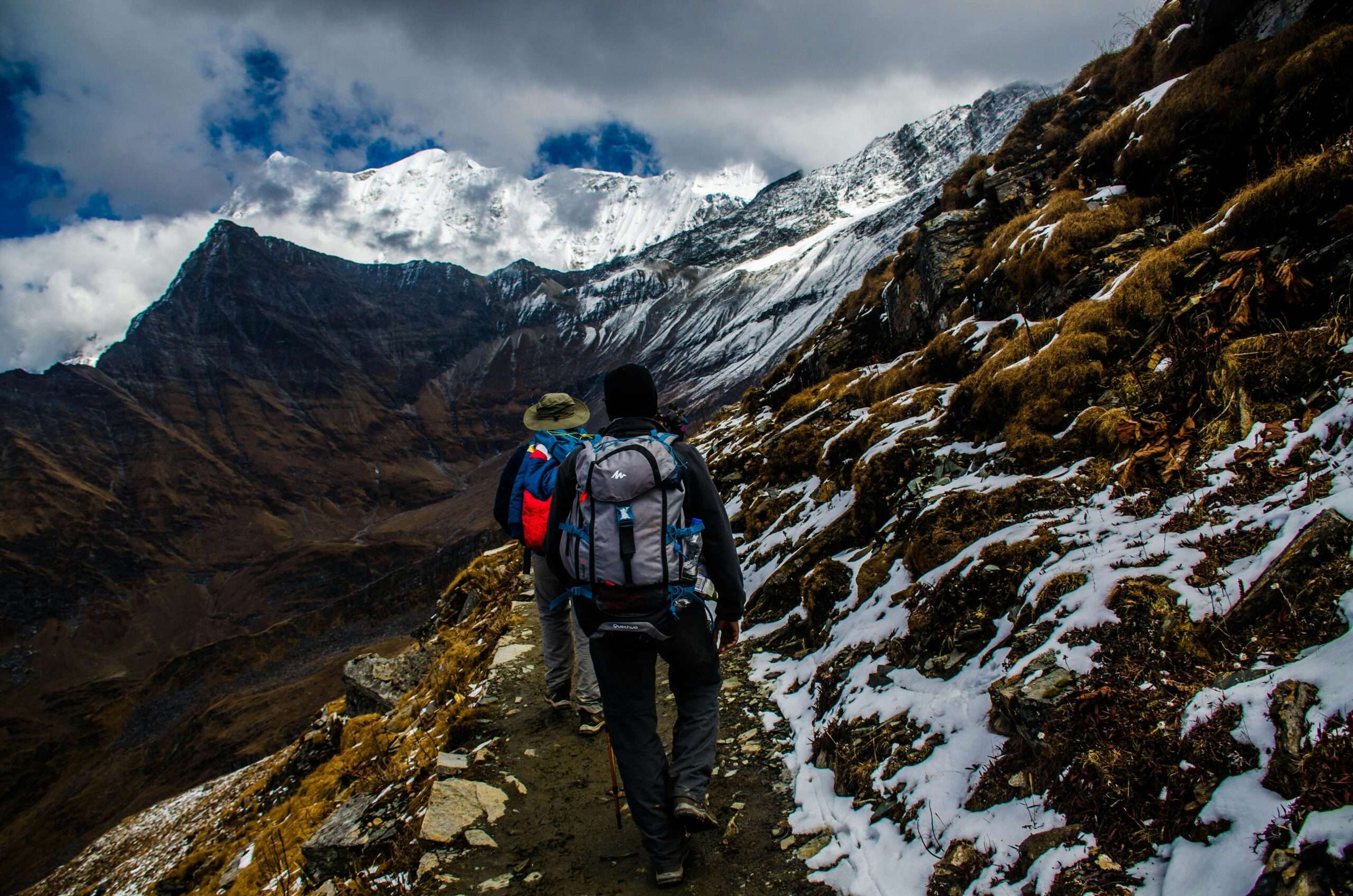
Have you ever imagined yourself standing at the bottom of the world’s altitudinous mountain, girdled by majestic Himalayan peaks? Don’t worry we are here to to help for the Everest Base Camp Trek Preparation. The Everest Base Camp(EBC) journey is the adventure of a continuance, offering an inconceivable blend of natural beauty, artistic discovery, and physical challenge.
Still, medication is crucial. From getting fit to packing the right gear, and understanding how to adapt, this companion will help you plan your journey to Everest Base Camp with confidence.

Fitness Preparation Are You Ready for the Challenge?
The EBC journey spans 12 – 14 days, covering rugged trails and steep ascents at mound where oxygen situations drop significantly. Do n’t worry, though — proper medication can help anyone with determination complete the journey.
Train for Abidance and Stamina
Cardiovascular fitness is essential for long trekking days.
- Cardio exercises handling, brisk walking, swimming, or cycling 3 – 5 times a week can prepare your lungs and heart for high- altitude trekking.
- Exercise Hikes Head to original trails or hills with a pack to mimic journey conditions. Gradationally increase distance and elevation gain.
Build Leg Strength and Core Stability
Trekking involves long stretches of uphill and upwardly walking. Strengthen your muscles to avoid fatigue.
- Leg Exercises Squats, lunges, and step- ups are excellent for erecting leg abidance.
- Core exercises Planks, sit- ups, and core reels will ameliorate balance and stability on uneven terrain.
Work on Recovery and Inflexibility
- Yoga and stretching can reduce muscle pressure and ameliorate overall mobility. Plus, they’re a great way to decompress after emphatic training sessions.
- Pro Tip for UK/ USA residers If you live in a flat area, hit the spa’s grade routine or stair rambler to pretend Nepal’s steep trails.
Packing Essentials for Everest Base Camp.

Packing the right gear can make all the difference between a smooth journey and gratuitous discomfort. Since rainfall conditions in the Himalayas can change fleetly, layering is the key to staying comfortable.
Clothing
- Base Layers humidity– wicking thermal covers and leggings for warmth.
- Mid Layers- Insulating coat or down jackets to keep you warm in indurating temperatures.
- External Layers- Leakproof and windproof jackets and trousers to cover against snow and rain.
Footwear
- Trekking thrills conclude for leakproof, ankle- supporting thrills that are well broken in before your journey.
- Socks hair socks for warmth and humidity control. Pack redundant dyads!
Accessories
- Headwear Bring a sunhat for day and a hair beanie for cold mornings.
- Sunglasses High UV- protection sunglasses to shield your eyes from the harsh Himalayan sun.
- Gloves Featherlight gloves for trekking and insulated gloves for colder mound.
Gear and Equipment
- Backpack A 30 – 40L daypack for rudiments like snacks, water, and layers.
- Sleeping Bag Rated to at least-15 °C to insure warmth during cold nights.
- touring Poles Useful for balance on uneven trails and reducing strain on your knees.
- Hydration Carry water bottles and sanctification tablets to avoid dehumidification.
Essentials to Pack
A first aid tackle, including altitude sickness drug (consult your croaker for Diamox). Sunscreen and lip attar with high SPF protection. Featherlight snacks like protein bars or trail blend for quick energy boosts.
Acclimatization: Avoiding Altitude Sickness
Altitude sickness is a real challenge during the EBC journey. As you lift over 3,000 measures( 9,800 bases), your body will need time to acclimate to lower oxygen situations.
- Follow the Golden Rule Climb High, Sleep Low lift gradationally and allow your body to utmost touring planners include rest days in Namche Bazaar( 3,440 m) and Dingboche( 4,410 m) to acclimatize.
- Stay Doused Dehumidification can worsen altitude sickness, so drink 3 – 4 liters of water daily. Avoid alcohol, as it dehydrates you and hampers
- Watch for Symptoms of Altitude Sickness Common symptoms include headaches, nausea, fatigue, and dizziness.However, descend incontinently and seek medical attention, If you witness severe symptoms.
- Use Medication Wisely Diamox can help help altitude sickness, but always consult your croaker before use. touring with educated attendants ensures proper monitoring and support if symptoms arise.
When to Go The Best Time for Everest Base Camp
Timing your journey for the right season ensures better rainfall and clearer views.
- Spring( March – May) Mild temperatures, blooming rhododendrons, and great visibility make this a popular season.
- Autum (September – November)Post-monsoon clarity offers stunning mountain views and stable conditions.
Pro Tip for UK/ USA Pedestrians Bespeak your breakouts and touring permits well in advance during these peak seasons to secure vacuity.
Mental Preparation: Trekking with the Right Mindset
Trekking to Everest Base Camp is as much a internal challenge as a physical bone . Long days, changeable rainfall, and introductory lodgment may test your tolerance.
Stay Positive and Motivated
- Focus on the inconceivable decor and the sense of achievement staying for you at Base Camp.
- Trek at your own pace; there’s no need to rush.
Embrace the trip
- Enjoy the artistic absorption, from visiting cloisters to interacting with the friendly Sherpa people. The journey is about further than just reaching the destination.

Start Your Everest Base Camp Adventure moment!
Proper medication can transfigure your Everest Base Camp journey from a daunting challenge into an indelible experience. With the right fitness, quilting, and adaptation strategies, you will be ready to take on the Himalayas with confidence.
Ready to Trek? Let’s Get Started!


Leave a comment: