
- 96 Views
- 24 Min Read
- (0) Comment
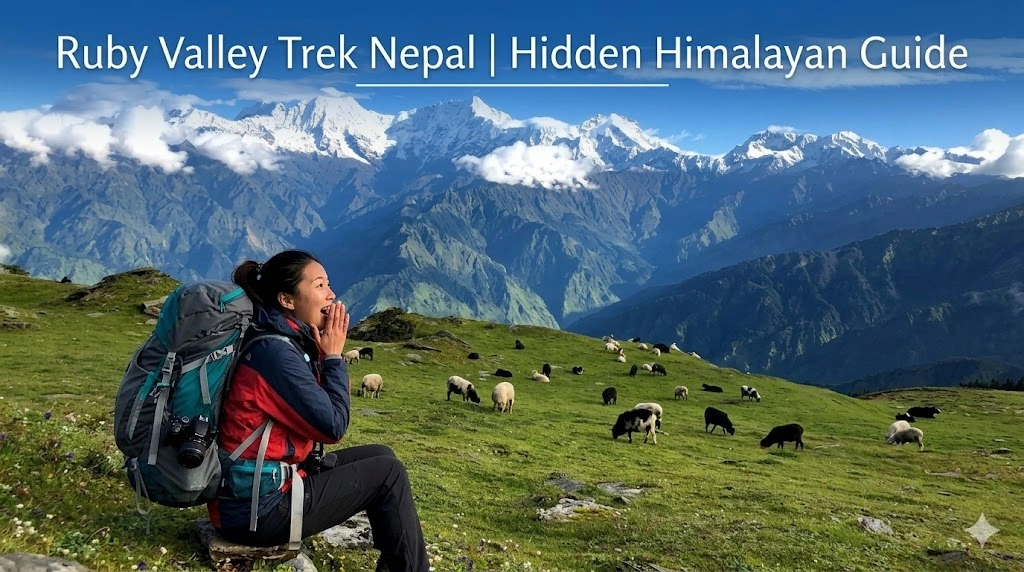
Ruby Valley Nepal is a hidden Himalayan region located between the Langtang and Manaslu trekking areas. Known for its untouched landscapes, traditional Tamang and Gurung villages, and spectacular views of Ganesh Himal, the valley offers a quieter alternative to Nepal’s more popular trekking destinations.
Visitors can experience authentic homestays, rich local culture, and scenic mountain trails without the crowds found on major trekking routes. This guide covers everything you need to know about Ruby Valley Nepal, including trekking routes, costs, permits, accommodation, difficulty level, transportation, and the best time to visit.
What Is Ruby Valley Nepal?
Ruby Valley Nepal is a remote Himalayan region in the Ganesh Himal area of central Nepal, situated between the popular Langtang and Manaslu trekking regions. The valley is known for its pristine landscapes, traditional mountain communities, and community-based tourism experiences that offer travelers a more authentic side of Nepal.
Unlike heavily visited trekking destinations, Ruby Valley remains relatively untouched by mass tourism. Visitors can explore scenic mountain trails, experience local culture firsthand, and enjoy spectacular Himalayan views while staying in villages that have preserved their traditions and way of life for generations.
Quick Facts About Ruby Valley
| Fact | Details |
| Region Name | Ruby Valley |
| Location | Between Langtang and Manaslu regions, Central Nepal |
| Mountain Range | Ganesh Himal |
| Provinces/Districts | Dhading and Rasuwa Districts |
| Highest Point | Pangsang Pass (3,842m / 12,605ft) |
| Trek Duration | 7–12 Days |
| Trek Difficulty | Moderate |
| Best Time to Visit | March–May and September–November |
| Accommodation | Homestays and Local Teahouses |
| Major Ethnic Groups | Tamang and Gurung |
| Main Attractions | Ganesh Himal views, cultural villages, forests, waterfalls |
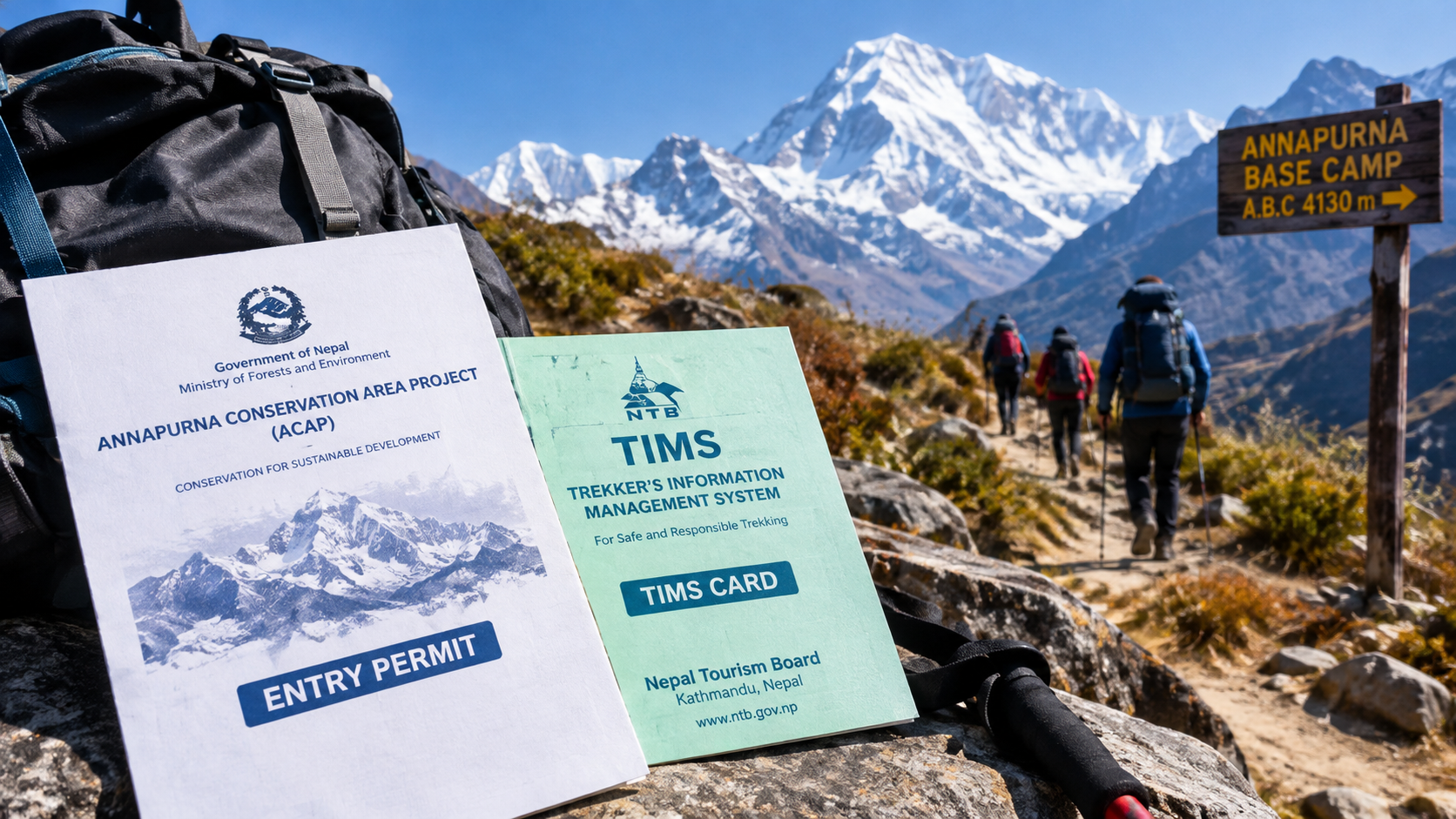
| Permit Requirements | Langtang National Park Entry Permit and TIMS (check latest regulations) |
| Starting Point | Syabrubesi or Dhading Besi |
| Ending Point | Dhading Besi or Syabrubesi |
| Mobile Network | Limited coverage in remote areas |
| ATM Availability | Not available on the trekking route |
| Unique Feature | Community-based trekking with authentic homestay experiences |
| Crowd Level | Low compared to Everest and Annapurna regions |
| Wildlife | Himalayan Thar, Langur Monkeys, Various Bird Species |
| Suitable For | Cultural trekkers, photographers, and off-the-beaten-path adventurers |
Key Takeaways
- Located in the scenic Ganesh Himal region of central Nepal.
- Offers authentic cultural experiences through village homestays.
- Features panoramic views of Ganesh Himal, Langtang, and Manaslu.
- Less commercialized than Everest and Annapurna trekking regions.
- Suitable for trekkers seeking off-the-beaten-path adventures.
Why It Remains One of Nepal’s Best Hidden Regions
Despite being located near two of Nepal’s most famous trekking destinations, Ruby Valley has remained largely undiscovered by international visitors. This is partly due to limited marketing and the region’s focus on sustainable, community-based tourism rather than large-scale development.
As a result, the valley retains a sense of authenticity that is becoming increasingly rare in the Himalayas. Travelers can enjoy quieter trails, genuine cultural interactions, and an atmosphere that feels far removed from Nepal’s busier trekking corridors.
Why Ruby Valley Is One of Nepal’s Most Underrated Trekking Destinations
Ruby Valley is one of Nepal’s most underrated trekking destinations because it combines spectacular Himalayan scenery, authentic cultural experiences, and peaceful trails that remain largely untouched by mass tourism. Located between the famous Langtang and Manaslu regions, the area offers everything many trekkers seek in Nepal without the crowds found on more established routes.

The Ruby Valley Trek typically takes 7–12 days and passes through traditional villages, forests, high ridges, and mountain viewpoints. Trekkers can enjoy community-run homestays, interact with local families, and experience a less commercialized side of Nepal while still enjoying stunning views of Ganesh Himal and surrounding peaks.
Location Between Langtang and Manaslu
Ruby Valley is located between the Langtang and Manaslu trekking regions in central Nepal, making it one of the country’s most strategically positioned hidden trekking areas. The region lies within the Ganesh Himal range and connects remote mountain communities through a network of scenic trails and traditional trade routes.
Its location allows trekkers to experience diverse landscapes ranging from terraced farmlands and rhododendron forests to high-altitude ridges. Most itineraries begin with a drive from Kathmandu and provide access to spectacular Himalayan viewpoints while avoiding the heavier traffic seen on neighboring trekking routes.
Ganesh Himal Mountain Views
Ruby Valley is famous for its outstanding views of the Ganesh Himal range, one of Nepal’s most beautiful yet least-visited mountain regions. Throughout the trek, travelers are rewarded with panoramic vistas of snow-covered peaks, deep valleys, and dramatic Himalayan landscapes that rival many of Nepal’s more famous trekking destinations.
Several viewpoints along the trail offer clear views of Ganesh Himal (7,422m), along with distant glimpses of Langtang Lirung and Manaslu. Sunrise and sunset are particularly impressive, as the mountains glow in shades of gold and orange, creating memorable moments for trekkers and photographers alike.
Rich Tamang and Gurung Culture
Ruby Valley is renowned for its rich Tamang and Gurung culture, which remains deeply rooted in the daily lives of local communities. The villages along the trekking route preserve traditional architecture, Buddhist practices, local dialects, and customs that have been passed down through generations.
As trekkers move through the valley, they can visit monasteries, prayer walls, and culturally significant sites while learning about local traditions. These authentic interactions provide a deeper understanding of Himalayan life and make the trekking experience about much more than mountain scenery alone.
Authentic Homestay Experiences
Ruby Valley offers authentic homestay experiences that allow visitors to stay with local families and experience daily life in the Himalayas. Unlike commercial trekking hubs, many accommodations in the region are community-run, creating a more personal and meaningful travel experience.
Guests typically enjoy home-cooked meals, traditional hospitality, and opportunities to learn about local customs directly from residents. These homestays not only enrich the journey but also support sustainable tourism by ensuring that trekking income benefits local communities.
Fewer Crowds Than Popular Trekking Routes
Ruby Valley attracts far fewer trekkers than destinations such as Everest Base Camp, Annapurna Base Camp, or the Manaslu Circuit. This lower visitor volume creates a peaceful trekking environment where travelers can enjoy nature, culture, and mountain views without competing for space on the trail.
The quieter atmosphere also allows for more meaningful interactions with local people and a stronger connection to the landscape. For trekkers seeking solitude, authentic experiences, and less crowded Himalayan adventures, Ruby Valley remains one of Nepal’s best-kept secrets.
Ruby Valley Trek Route, Map, and Itinerary
The Ruby Valley Trek follows a scenic route through the Ganesh Himal region between Langtang and Manaslu, connecting traditional Tamang and Gurung villages, forested trails, and high mountain viewpoints. Most itineraries last 7–12 days and reach their highest point at Pangsang Pass (3,842m/12,605ft), offering panoramic views of the Ganesh Himal range and surrounding Himalayan peaks.
The trek typically begins with a drive from Kathmandu to Syabrubesi or Dhading and passes through remote settlements where community homestays provide accommodation. The route is considered moderately challenging, making it suitable for trekkers with a reasonable fitness level who want a less crowded alternative to Nepal’s more popular trekking trails.
Where the Trek Starts
The Ruby Valley Trek usually starts from either Syabrubesi in Rasuwa District or Dundure Khola in Dhading District, depending on the chosen itinerary. Both trailheads are accessible by road from Kathmandu and serve as gateways to the remote villages and mountain landscapes of the Ganesh Himal region.
Most trekkers reach the starting point after a full-day drive from Kathmandu. Beginning from Syabrubesi allows easier access from the Langtang side, while the Dhading route provides a more direct approach into the heart of Ruby Valley. The choice often depends on transportation logistics and the overall trek itinerary.
Major Villages Along the Route
The Ruby Valley Trek passes through several traditional villages, including Gatlang, Somdang, Tipling, Chalish, Borang, and Sertung. These settlements are home to Tamang and Gurung communities and offer unique opportunities to experience local culture, traditional architecture, and Himalayan hospitality.
Each village provides a different perspective on mountain life, with homestays and community lodges serving as accommodation along the trail. Trekkers can enjoy local meals, interact with residents, and learn about cultural traditions while moving through diverse landscapes of forests, farmland, and alpine terrain.
Pangsang Pass Overview
Pangsang Pass is the highest and most scenic point of the Ruby Valley Trek, standing at approximately 3,842 meters (12,605 feet). The pass is famous for its breathtaking panoramic views of Ganesh Himal, Manaslu, Langtang, and several other snow-capped Himalayan peaks.
Reaching Pangsang Pass is one of the trek’s major highlights and does not usually require technical climbing skills. Most trekkers arrive after several days of gradual altitude gain, making the ascent manageable. Clear weather during spring and autumn often provides the best visibility for mountain photography and sightseeing.
Typical 9-Day Ruby Valley Trek Itinerary
A typical 9-day Ruby Valley Trek itinerary includes a drive from Kathmandu, trekking through villages such as Gatlang, Somdang, Tipling, and Chalish, crossing Pangsang Pass, and returning via the southern section of the valley. The itinerary balances cultural exploration with mountain scenery and moderate daily walking distances.
Daily hikes generally range from 4–7 hours depending on the route and elevation changes. Accommodation is usually provided through homestays and local lodges, while the trail offers a mix of forest walks, ridgeline traverses, and village-to-village trekking that showcases the region’s natural and cultural diversity.
Alternative Ruby Valley Circuit Trek Routes
Alternative Ruby Valley Circuit Trek routes allow trekkers to extend their journey by connecting with nearby regions such as Langtang, Ganesh Himal Base Camp, or sections of the Manaslu area. These variations provide additional mountain views, cultural experiences, and opportunities to explore lesser-visited parts of central Nepal.
Extended routes generally require 10–15 days and may involve higher elevations, longer walking days, and additional logistics. Trekkers considering these options should plan permits, transportation, and accommodation carefully, especially in remote sections where services are more limited than on standard trekking routes.
Itinerary Table
| Day | Route | Elevation (m / ft) |
| Day 01 | Kathmandu → Syabrubesi | Syabrubesi – 1,503m / 4,945ft |
| Day 02 | Syabrubesi → Chawatar → Gatlang | Gatlang – 2,337m / 7,690ft |
| Day 03 | Gatlang → Parvati Kund → Yuri Kharka → Somdang | Somdang – 3,271m / 10,760ft |
| Day 04 | Somdang → Pangsang Pass → Tipling | Pangsang Pass – 3,842m / 12,604ft / Tipling – 2,078m / 6,835ft |
| Day 05 | Tipling → Chalish Gaon | Chalish Gaon – 1,800m / 5,960ft |
| Day 06 | Chalish → Borang → Dhading Besi (drive) | Borang – 1,700m / 5,577ft / Dhading Besi – 580m / 1,902ft |
| Day 07 | Dhading Besi → Kathmandu | Kathmandu – 1,310m / 4,323ft |
Checklist Before Starting the Ruby Valley Trek
Permits
- Obtain all required trekking permits before leaving Kathmandu.
- Carry both printed and digital copies of permits.
- Keep your passport and passport-sized photos ready for permit processing.
- Verify the latest permit regulations before your trip.
Insurance
- Purchase travel insurance that covers high-altitude trekking.
- Ensure emergency helicopter evacuation is included.
- Confirm medical coverage for trekking above 3,000m.
- Carry a digital and printed copy of your insurance policy.
Trekking Gear
- Waterproof trekking boots with good ankle support.
- Layered clothing suitable for changing mountain weather.
- Warm jacket, gloves, hat, and thermal base layers.
- Trekking poles, headlamp, and reusable water bottles.
- Personal first-aid kit and essential medications.
Cash
- Withdraw sufficient Nepalese Rupees in Kathmandu.
- Carry small denominations for homestays and local purchases.
- Do not rely on ATMs along the trekking route.
- Keep emergency cash separate from your daily budget.
Local SIM Card
- Buy an NTC or Ncell SIM card before departure.
- Activate data packages in Kathmandu.
- Download offline maps and trekking apps.
- Inform family and friends that network coverage may be limited in remote areas.
Pro Tips
- Start hiking early each morning for clearer mountain views and cooler temperatures.
- Spend an extra day in villages if you want deeper cultural experiences with Tamang and Gurung communities.
- Carry water purification tablets to reduce plastic waste and save money.
- Pack lightweight but warm clothing, especially during spring and autumn.
- Bring a power bank because charging facilities can be limited in remote homestays.
- Respect local customs and ask permission before taking photographs of people.
- Hire a local guide to gain cultural insights and support community-based tourism.
- Trek during spring (March–May) or autumn (September–November) for the best weather and visibility.
Ruby Valley Trek Cost, Difficulty, and Practical Planning Guide
The Ruby Valley Trek is a moderately challenging trek that is generally more affordable than popular routes such as Everest Base Camp or the Manaslu Circuit. Most trekkers complete the journey in 7–12 days, staying in local homestays and community lodges while exploring the remote Ganesh Himal region.
Planning your budget, fitness preparation, permits, and transportation in advance will help ensure a smooth trekking experience. Costs vary depending on whether you trek independently or hire a guide and porter, but Ruby Valley remains one of Nepal’s best-value cultural trekking adventures.
Ruby Valley Trek Difficulty
The Ruby Valley Trek is considered a moderate trek suitable for beginners with good fitness and experienced trekkers seeking a quieter Himalayan route. The trail includes daily ascents and descents through forests, ridges, and mountain villages, but does not require technical climbing skills.
Most trekking days involve 4–7 hours of walking on uneven terrain. While the route is less physically demanding than high-altitude expeditions, proper preparation is important because some sections feature steep climbs and long hiking days between villages.
Altitude and Fitness Requirements
The highest point of the Ruby Valley Trek is Pangsang Pass at 3,842m (12,605ft), which places it below the extreme altitudes reached on many Nepal trekking routes. Most trekkers acclimatize naturally due to the gradual ascent profile of the itinerary.
A moderate level of fitness is recommended before starting the trek. Regular hiking, stair climbing, and cardiovascular exercise can significantly improve comfort on the trail. While altitude sickness is less common than on higher treks, trekkers should still stay hydrated and ascend steadily.
Accommodation and Homestays
Accommodation on the Ruby Valley Trek primarily consists of community-run homestays and simple teahouses operated by local families. These lodgings provide basic but comfortable facilities while offering visitors an authentic cultural experience.
Rooms are generally simple with twin beds, blankets, and shared bathroom facilities. Meals typically include traditional Nepali dishes, seasonal vegetables, and locally prepared food, allowing trekkers to experience genuine Himalayan hospitality throughout the journey.
Transportation Costs
Transportation is one of the major expenses when planning a Ruby Valley Trek. Most itineraries require road travel between Kathmandu and the trek’s starting and ending points, either by local bus or private jeep.
Public transportation offers the most economical option, while private jeeps provide greater comfort and flexibility. Road conditions can vary depending on the season, so travel times are often longer than distances might suggest.
Guide and Porter Costs
Hiring a licensed guide is highly recommended for the Ruby Valley Trek, especially for first-time visitors unfamiliar with remote Himalayan trails. Guides provide route navigation, cultural insights, and assistance in case of unexpected situations.
Porters can help carry trekking gear, allowing trekkers to enjoy the journey with a lighter backpack. Using local guides and porters also supports community tourism and contributes directly to the local economy.
Permit Costs
The Ruby Valley Trek may require permits depending on the specific route and current government regulations. Trekkers should always verify the latest requirements before departure, as permit policies can change.
Permits are usually obtained in Kathmandu before the trek begins. Carrying permits throughout the journey is essential because checkpoints may be present along certain sections of the route.
Ruby Valley Trek Cost Comparison
| Item | Budget | Standard | Premium |
| Accommodation (Per Night) | Homestay | Comfortable Homestay/Teahouse | Best Available Lodge |
| Meals (Per Day) | Basic Local Meals | Full Meal Plan | Expanded Menu Options |
| Transportation | Local Bus | Shared Jeep | Private Jeep |
| Guide (Per Day) | Shared Guide | Private Licensed Guide | Experienced Senior Guide |
| Porter (Per Day) | Shared Porter | Private Porter | Private Porter |
| Permits | Standard Permits | Standard Permits | Standard Permits |
| Daily Budget Estimate | $25–40 | $50–80 | $100–150+ |
| Estimated Trek Cost (9 Days) | $300–500 | $600–900 | $1,200+ |
Note: Costs vary by season, group size, transportation choice, guide services, and itinerary length. Always confirm current prices before planning your trek.
Best Time to Visit Ruby Valley Nepal
The best time to visit Ruby Valley Nepal is during spring (March–May) and autumn (September–November), when the weather is stable, mountain views are clear, and trekking conditions are at their best. These seasons offer comfortable temperatures, excellent visibility, and safer trail conditions compared to winter and monsoon months.
Ruby Valley can be visited throughout the year, but each season provides a different experience. Factors such as visibility, rainfall, temperature, and trail conditions can significantly affect your trekking itinerary, so choosing the right season is important when planning your adventure.
Spring (March–May)
Spring is one of the best seasons for the Ruby Valley Trek because it offers clear mountain views, mild temperatures, and colorful rhododendron forests. The trails come alive with blooming flowers, making the landscape particularly attractive for nature lovers and photographers exploring the Ganesh Himal region.
Daytime temperatures generally range from 10°C to 20°C (50°F to 68°F) at lower elevations, while higher sections remain cooler. Stable weather and longer daylight hours make spring ideal for trekking, cultural exploration, and enjoying panoramic views from viewpoints such as Pangsang Pass.
Autumn (September–November)
Autumn is widely considered the peak trekking season in Ruby Valley due to its crystal-clear skies and excellent mountain visibility. Following the monsoon rains, the air becomes cleaner, creating ideal conditions for viewing Ganesh Himal, Langtang Lirung, and surrounding Himalayan peaks.
Temperatures remain comfortable throughout the trekking route, and rainfall is minimal. The combination of stable weather, dry trails, and festive local celebrations makes autumn one of the most popular times to experience the Ruby Valley Trek.
Winter (December–February)
Winter offers a quieter trekking experience in Ruby Valley with fewer visitors and peaceful trails. Clear skies often provide excellent mountain views, especially during the mornings, while snow may occasionally cover higher elevations around Pangsang Pass and surrounding ridges.
Temperatures can drop below freezing at night, particularly above 3,000 meters. Trekkers visiting during winter should carry warm clothing and quality sleeping gear and be prepared for colder conditions and occasional weather-related trail disruptions.
Monsoon (June–August)
Monsoon is the least popular season for the Ruby Valley Trek due to frequent rainfall, muddy trails, and limited mountain visibility. Heavy rain can affect transportation, increase the risk of landslides, and make some sections of the route more challenging to navigate.
Despite these challenges, the region becomes exceptionally green and lush during the monsoon months. Travelers who prioritize solitude and vibrant landscapes may still enjoy the experience, but flexible itineraries and proper rain gear are essential.
Ruby Valley Season Comparison
| Season | Visibility | Temperature | Recommendation |
| Spring (March–May) | Excellent | 10°C–20°C (50°F–68°F) | Best for flowers, mountain views, and comfortable trekking |
| Autumn (September–November) | Excellent | 8°C–18°C (46°F–64°F) | Best overall season for trekking and photography |
| Winter (December–February) | Good to Excellent | -5°C–10°C (23°F–50°F) | Suitable for experienced trekkers seeking fewer crowds |
| Monsoon (June–August) | Limited | 15°C–25°C (59°F–77°F) | Not recommended due to rain and slippery trails |
Common Mistakes Trekkers Make in Ruby Valley
Many trekkers underestimate the unique challenges of the Ruby Valley Trek because it is less famous than Everest or Annapurna. While the route is not technically difficult, proper preparation, realistic expectations, and cultural awareness can significantly improve your experience in this remote Himalayan region.
Understanding these common mistakes before starting the trek can help you avoid unnecessary discomfort, plan more effectively, and enjoy a smoother journey through the villages, mountain passes, and homestays that make Ruby Valley special.
Mistake 1: Assuming It Is an Easy Village Walk
Many trekkers assume the Ruby Valley Trek is an easy walk between villages because it does not reach extreme altitudes like Everest Base Camp or the Manaslu Circuit. However, the trail involves steep uphill climbs, long descents, and daily hikes of 5–7 hours across rugged mountain terrain.
Although the highest point, Pangsang Pass (3,842m/12,605ft), is relatively moderate by Nepal trekking standards, the constant elevation changes can be physically demanding. Trekkers who arrive without proper fitness preparation often find the route more challenging than expected.
Mistake 2: Ignoring Homestay Limitations
A common mistake is expecting the same facilities available on Nepal’s popular trekking routes. The Ruby Valley Trek focuses on community homestays and local lodges, where amenities are basic and designed to provide an authentic cultural experience rather than luxury.
Electricity, hot showers, Wi-Fi, and charging facilities may be limited or unavailable in some villages. Trekkers who prepare for simple accommodations, carry a power bank, and maintain realistic expectations usually enjoy a much more rewarding experience in this remote Himalayan region.
Mistake 3: Packing for Popular Trekking Routes Instead
Many trekkers use packing lists created for Everest, Annapurna, or other commercial trekking regions without considering the unique conditions of Ruby Valley. Since the trek passes through remote villages with limited services, some commonly available supplies may not be accessible along the route.
A practical packing strategy should focus on lightweight clothing layers, rain protection, personal medications, cash, and basic trekking gear. Carrying unnecessary equipment can make the trek more difficult, while forgetting essential items may create challenges in remote sections of the trail.
Mistake 4: Skipping Local Cultural Etiquette
Some visitors focus entirely on the trekking experience and overlook the cultural traditions of the Tamang and Gurung communities they encounter along the route. Respecting local customs is an important part of responsible travel in Ruby Valley.
Simple actions such as greeting locals respectfully, removing shoes when appropriate, asking permission before taking photographs, and behaving respectfully around religious sites help create positive interactions. These cultural exchanges often become some of the most memorable parts of the trek.
Mistake 5: Underestimating Transportation Time
Many travelers underestimate how long it takes to reach and leave Ruby Valley due to Nepal’s mountain roads and changing road conditions. While the distances may appear short on a map, travel times can be significantly longer than expected.
The drive from Kathmandu to the trek’s starting point can take most of a day, especially during the monsoon season or periods of road maintenance. Adding extra buffer days to your itinerary helps avoid unnecessary stress and provides flexibility if transportation delays occur.
Expert Recommendations From Local Guides
Local guides who regularly lead treks through Ruby Valley often know viewpoints, cultural experiences, and hidden corners that many visitors miss. Their knowledge of the terrain, communities, and seasonal conditions can help trekkers enjoy a more rewarding and authentic Himalayan adventure.
The following recommendations are based on insights commonly shared by experienced local guides in the Ganesh Himal region. These tips can help you discover the best scenery, connect with local culture, and travel more responsibly throughout your journey.
Insider Tip 1: Best Sunrise Viewpoints
Pangsang Pass is widely considered the best sunrise viewpoint on the Ruby Valley Trek. Early morning light illuminates Ganesh Himal, Langtang Lirung, and surrounding snow-capped peaks, creating some of the most spectacular mountain panoramas in the region.
Local guides recommend reaching the viewpoint before sunrise to watch the first rays of sunlight hit the Himalayan skyline. Clear mornings during spring and autumn typically offer the most impressive visibility and photography opportunities.
Insider Tip 2: Hidden Ganesh Himal Photography Spots
While Pangsang Pass receives most of the attention, several ridgelines near Somdang and sections of the trail between Tipling and Chalish offer outstanding photography opportunities. These quieter locations often provide unique angles of Ganesh Himal without other trekkers in the frame.
Guides suggest carrying a camera or smartphone with extra battery power, as charging facilities may be limited. Sunrise and late-afternoon light generally produce the best conditions for landscape photography throughout the valley.
Insider Tip 3: Local Foods Worth Trying
One of the best ways to experience Ruby Valley is through its traditional food. Many homestays serve locally prepared meals such as dal bhat, dhindo, seasonal vegetables, homemade pickles, and locally grown millet-based dishes.
Sharing meals with host families offers insight into local traditions and daily life. Guides often encourage trekkers to try regional specialties rather than relying solely on familiar trekking foods available in larger destinations.
Insider Tip 4: Cultural Experiences Not to Miss
Visiting local monasteries, observing traditional village life, and participating in community gatherings are among the most memorable experiences in Ruby Valley. The region’s Tamang and Gurung communities have preserved customs and traditions that remain an important part of daily life.
Taking time to interact with local residents often provides a deeper understanding of the region than simply walking the trail. Many guides recommend spending extra time in villages such as Gatlang, Tipling, and Chalish to appreciate the cultural heritage of the area.
Insider Tip 5: How to Support Local Communities Responsibly
Supporting local communities begins with choosing community-run homestays, hiring local guides, and purchasing goods and services directly from village businesses. These actions help ensure that tourism benefits remain within the region.
Responsible trekking also includes respecting local customs, minimizing plastic waste, conserving water, and following Leave No Trace principles. Small decisions made by trekkers can have a positive impact on both the environment and the communities that welcome visitors to Ruby Valley.
Ruby Valley vs Langtang, Manaslu, and Annapurna
Ruby Valley Trek (Ganesh Himal region), Langtang Valley Trek, Manaslu Circuit Trek, and Annapurna Circuit Trek differ significantly in remoteness, infrastructure, cultural depth, and crowd levels, making each suitable for distinct trekking goals ranging from off-the-beaten-path exploration to well-developed classic Himalayan circuits with established teahouse networks and high-altitude challenges.
Comparison Table
| Feature | Ruby Valley Trek | Langtang Valley Trek | Manaslu Circuit Trek | Annapurna Circuit Trek |
| Crowds | Very low, isolated trails | Moderate, increasing popularity | Low–moderate, restricted area | High, very popular route |
| Difficulty | Moderate | Moderate | Challenging | Moderate–challenging |
| Infrastructure | Basic teahouses, limited services | Good teahouse network | Basic to moderate, regulated | Excellent teahouse system |
| Scenery | Ganesh Himal, terraced valleys, rural landscapes | Langtang Lirung, glaciers, alpine valleys | Manaslu (8,163m), dramatic gorges | Annapurna massif, Thorong La pass |
| Culture | Tamang & local hill communities | Strong Tamang Tibetan influence | Tibetan-influenced remote villages | Diverse ethnic mix (Gurung, Thakali, etc.) |
| Permit Complexity | Low | Moderate | High (restricted area permit) | Moderate |
| Remoteness | High (least commercialized) | Moderate | High | Low–moderate |
| Best For | Solitude seekers, cultural immersion | Scenic moderate trek | Adventure trekkers, restricted wilderness | First-time to experienced trekkers |
Which Trek Is Best for You?
Ruby Valley Trek: Choose Ruby Valley Trek if you want a remote, less-crowded Himalayan experience with authentic village culture, basic infrastructure, and peaceful trails away from mainstream trekking routes.
Langtang Valley Trek: Choose Langtang Valley Trek if you want a balanced trek close to Kathmandu with glacier views, moderate difficulty, and strong Tamang cultural immersion without extreme remoteness.
Manaslu Circuit Trek: Choose Manaslu Circuit Trek if you prefer a restricted, off-the-beaten-path adventure with high-altitude passes, Tibetan-influenced culture, and a challenging but less commercialized trekking route.
Annapurna Circuit Trek: Choose Annapurna Circuit Trek if you want a classic long-distance Himalayan trek with excellent infrastructure, diverse landscapes, high mountain passes, and flexible itinerary options.
Annapurna Base Camp Trek: Choose Annapurna Base Camp Trek if you want a shorter but dramatic Himalayan trek that takes you into a natural amphitheatre of Annapurna I, combining moderate difficulty with close-up mountain views and well-developed teahouse comfort.
Conclusion
Nepal’s trekking routes offer far more than the well-known classics. While Annapurna, Langtang, and Manaslu attract global attention, Ruby Valley reveals a quieter side of the Himalayas where village life, untouched trails, and living traditions remain deeply preserved. Each region offers a different rhythm of travel, shaped by landscape, culture, and level of remoteness.
If you are looking for something more personal and less crowded, Ruby Valley is a strong choice. It delivers authentic cultural encounters and peaceful mountain scenery without heavy tourist traffic. Explore guided Ruby Valley trekking packages with Wilderway Trekkingand turn a hidden Himalayan journey into a carefully supported, memorable adventure.
Frequently Asked Questions — Ruby Valley Nepal
Where is Ruby Valley Nepal located?
Ruby Valley lies in the central Himalayan region of Nepal between Langtang National Park and the Ganesh Himal range spanning Dhading and Rasuwa districts. The valley sits north of Kathmandu and offers direct views of Ganesh Himal (7,422 m / 24,350 ft) and surrounding peaks.
How difficult is the Ruby Valley Trek?
The trek is moderate with 5–7 hours of walking per day across forest trails, ridges, and village paths. No technical climbing is required, but steady fitness is needed due to continuous elevation gain and long trekking hours.
How many days does the trek take?
The Ruby Valley Trek usually takes 7–12 days depending on the itinerary, entry and exit points, and trekking pace. Short versions focus on viewpoints, while longer routes include deeper cultural exploration.
What permits are required?
Required permits typically include the Langtang National Park Permit and TIMS Card (Trekkers’ Information Management System). Costs usually range from USD 20 to 50 (NPR 2,600 to 6,600+) depending on route and nationality.
How much does Ruby Valley Trek cost?
The cost ranges from USD 35 to 60 per day for budget trekking, USD 70–120 per day for guided standard packages, and USD 900–1,600 total for full 7–12 day packages including guide, meals, accommodation, and permits.
What is the highest point on the trek?
The highest point is usually Pangsang La Pass (3,842 m / 12,605 ft), offering panoramic views of Ganesh Himal, Langtang Himal, and Manaslu ranges on clear days.
Can beginners do the trek?
Yes, beginners with basic fitness can complete the trek. The route is non-technical but requires endurance for uphill sections and multiple trekking days.
Are homestays available?
Yes, the route features authentic village homestays and small local lodges. These provide traditional meals and close cultural interaction with Tamang and Gurung communities.
When is the best time to visit?
The best seasons are spring (March–May) and autumn (September–November). Spring offers rhododendron blooms while autumn provides the clearest mountain views and stable weather.
Is Ruby Valley crowded?
No, it is one of Nepal’s least crowded trekking regions, making it ideal for solitude, nature immersion, and cultural experiences without tourist congestion.
Can I do the trek independently?
Independent trekking is possible in some sections, but hiring a licensed guide is strongly recommended due to remote trails, limited signage, and safety considerations.
Is internet available?
Mobile coverage exists in lower villages but is weak and inconsistent at higher elevations. Wi-Fi is rarely available along the route.
What wildlife can be seen?
The region hosts Himalayan langur, musk deer, Himalayan black bear (rare), and various Himalayan bird species depending on altitude and season.