


- 628 Views
- 3 Min Read
- (0) Comment
Top 15 Travel Tips for Visiting Nepal: A First-Timer’s Guide.
Nepal, a land of towering Himalayan peaks, ancient temples, and vibrant culture, is a dream destination for many travelers. Whether you’re planning to trek the Everest Base Camp trail, explore Kathmandu’s UNESCO World Heritage Sites, or simply immerse yourself in the natural beauty and hospitality of the country, these essential tips will help make your journey smooth and unforgettable.
1. Get Your Visa in Advance
Nepal offers visas on arrival for most nationalities, but you can save time by applying online before your trip. Ensure your passport is valid for at least six months and carry passport-sized photos for visa processing.
2. Choose the Best Season to Visit
The ideal times to visit Nepal are spring (March to May) and autumn (September to November). These seasons offer pleasant weather, clear skies, and great trekking conditions. Monsoon season (June to August) can bring heavy rains, while winter (December to February) can be extremely cold in higher altitudes.
3. Plan Your Trekking Permits
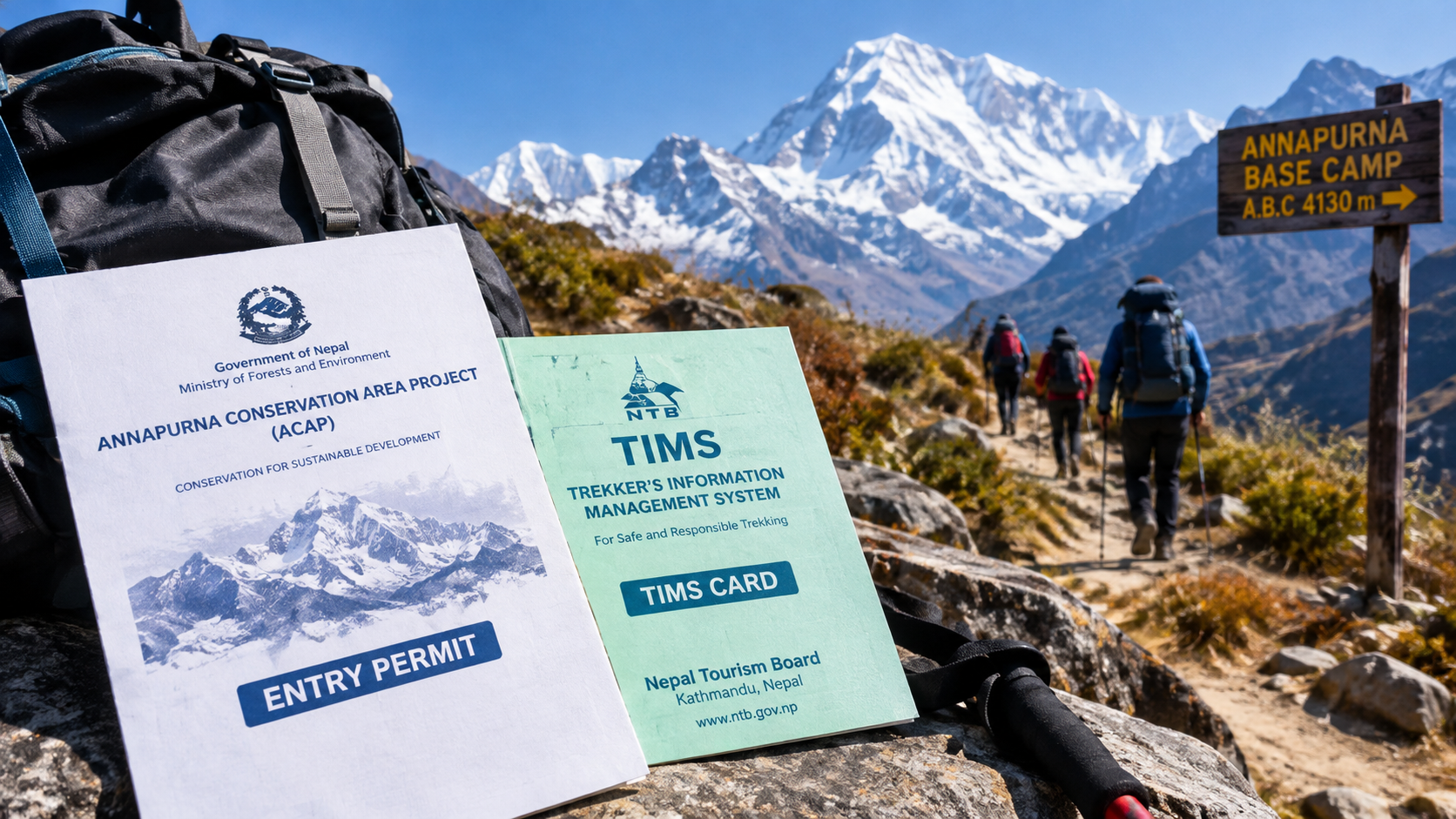
If you’re trekking in Nepal, you’ll need permits. The TIMS (Trekkers’ Information Management System) card and national park permits (e.g., Sagarmatha National Park for Everest treks) are mandatory. These can be arranged through trekking agencies or at official offices in Kathmandu and Pokhara.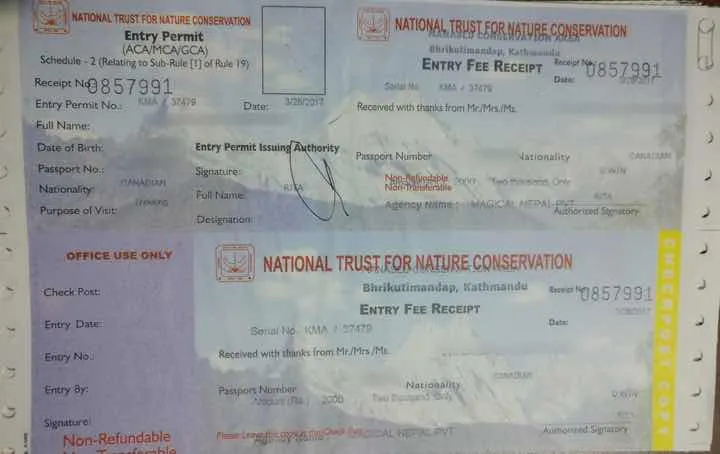
4. Pack Wisely for Your Adventure
Bring appropriate gear for the activities you’ve planned. For treks, essentials include sturdy hiking boots, layered clothing, a good-quality sleeping bag, and a water purifier. Don’t forget travel adapters (Nepal uses type C, D, and M plugs) and a power bank for remote areas.
5. Stay Hydrated and Acclimatize Properly
Altitude sickness is a common issue for trekkers in Nepal. Drink plenty of water, avoid alcohol, and ascend slowly to allow your body to adjust. Diamox tablets can help with acclimatization, but consult your doctor before using them.
6. Respect Local Culture and Traditions
Nepal is a deeply spiritual country. Dress modestly, especially when visiting temples and monasteries. Remove your shoes before entering sacred spaces and always walk clockwise around stupas. Be mindful not to touch anyone’s head—a sign of disrespect in Nepali culture.
7. Learn Basic Nepali Phrases
While many Nepalis speak English, knowing a few local phrases can go a long way in building rapport. For example:
Namaste – Hello
Dhanyabad – Thank you
Kati ho? – How much is it?
8. Carry Cash in Small Denominations
Nepal is largely a cash-based economy, especially in rural areas. Carry small denominations of Nepali Rupees (NPR) for daily expenses, as larger bills can be difficult to break.
9. Try Nepali Cuisine
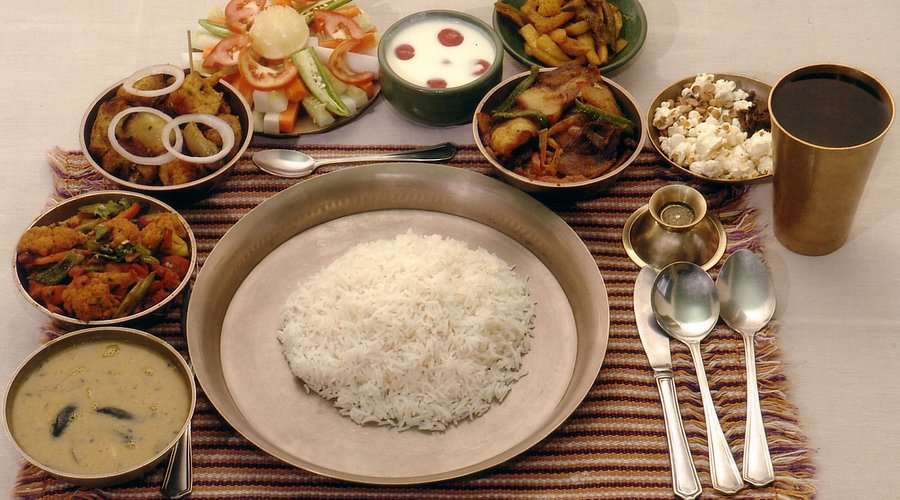
Don’t miss out on local dishes like dal bhat (lentil soup with rice), momos (dumplings), and sel roti (fried rice doughnuts). Be cautious with street food to avoid stomach issues, and drink only bottled or purified water.
10. Be Prepared for Power Outages
Load-shedding is common in Nepal, particularly outside major cities. Pack a flashlight or headlamp and ensure your devices are charged whenever possible.
11. Use Local Transportation Carefully
Public buses and microbuses are affordable but can be crowded and chaotic. Taxis and ride-hailing apps like Pathao are convenient in cities, while private jeeps are best for reaching remote trekking starting points.
12. Hire Guides and Porters for Treks
For a safer and more enjoyable trekking experience, hire a guide and/or porter. They provide local knowledge, handle logistics, and make your trek more comfortable. Hiring locally supports the community and ensures responsible tourism.

Leave a comment: