

- 318 Views
- 4 Min Read
- (0) Comment
Explore the Heart of the Himalayas
Trekking in Nepal offers more than just scenic trails. It’s a journey through breathtaking landscapes, vibrant culture, and untouched nature. Whether you’re chasing mountain views or spiritual peace, Nepal promises unmatched adventure.
Top Trekking Routes in Nepal
Everest Base Camp Trek
This iconic route takes you to the foot of the world’s highest mountain. Walk among towering peaks, pass through Sherpa villages, and witness the grandeur of Sagarmatha National Park. Best time: March–May and September–November.

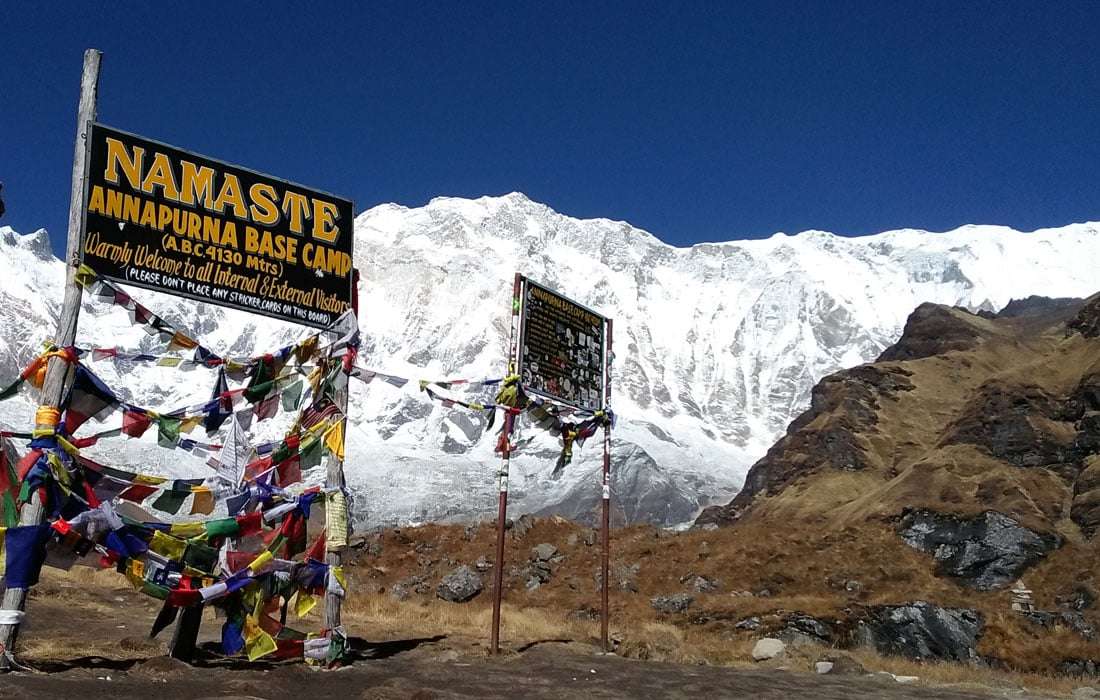
Annapurna Base Camp Trek
Perfect for beginners and experienced trekkers alike. This trail combines lush rhododendron forests, terraced farmlands, and panoramic mountain views. The Annapurna Sanctuary is both majestic and serene.
Langtang Valley Trek
Closer to Kathmandu yet filled with raw beauty, this trek offers alpine meadows, glaciers, and Tamang culture. It’s ideal for those with limited time but a deep desire for real Himalayan experiences.

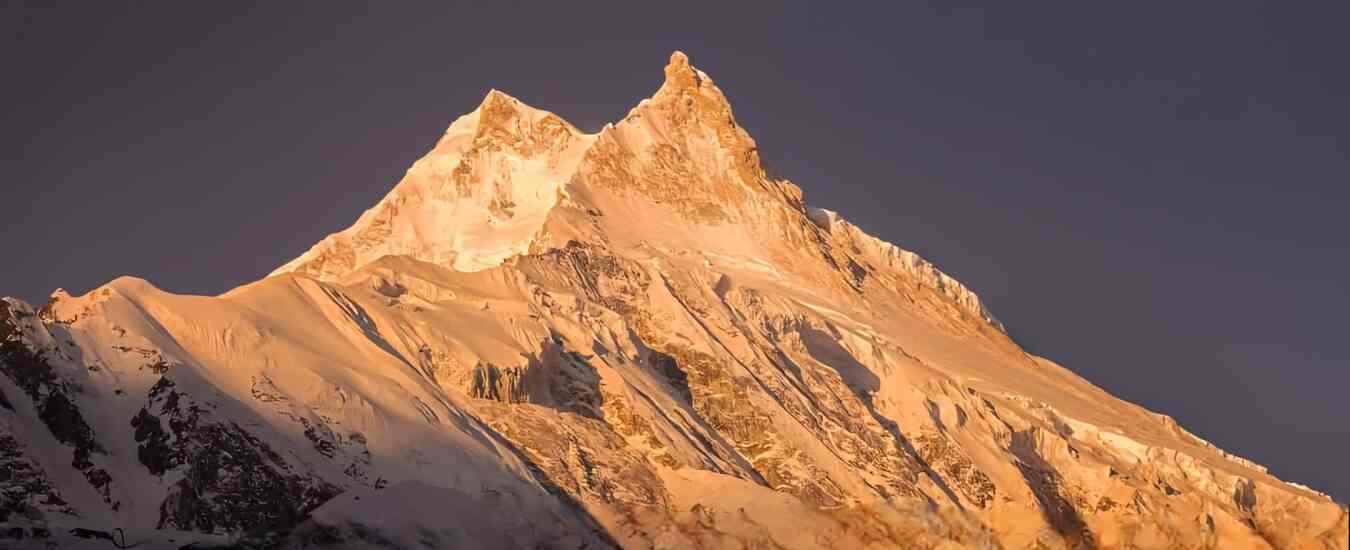
Manaslu Circuit Trek
Less crowded, but equally dramatic. Manaslu trek features high mountain passes, Buddhist monasteries, and rich biodiversity. This trail offers a quieter but equally fulfilling adventure.

Upper Mustang Trek
This is a cultural journey into the ancient kingdom of Lo. Explore desert-like terrain, centuries-old caves, and Tibetan-influenced culture. Permits are required due to its restricted area status.

When Is the Best Time to Trek in Nepal?
The most favorable months are spring (March–May) and autumn (September–November). During these times, skies are clear, and temperatures are moderate. Winter treks are possible at lower altitudes. Monsoon months (June–August) are rainy and not ideal for most routes.
Essential Trekking Gear Checklist
- Sturdy trekking boots
- Warm layers and waterproof jacket
- Sleeping bag (rated for -10°C or lower)
- Trekking poles
- Water purification tablets
- Headlamp and spare batteries
- Basic first-aid kit
- Pack light but smart. Comfort and safety go hand in hand on Himalayan trails.

Trekking Permits You Need
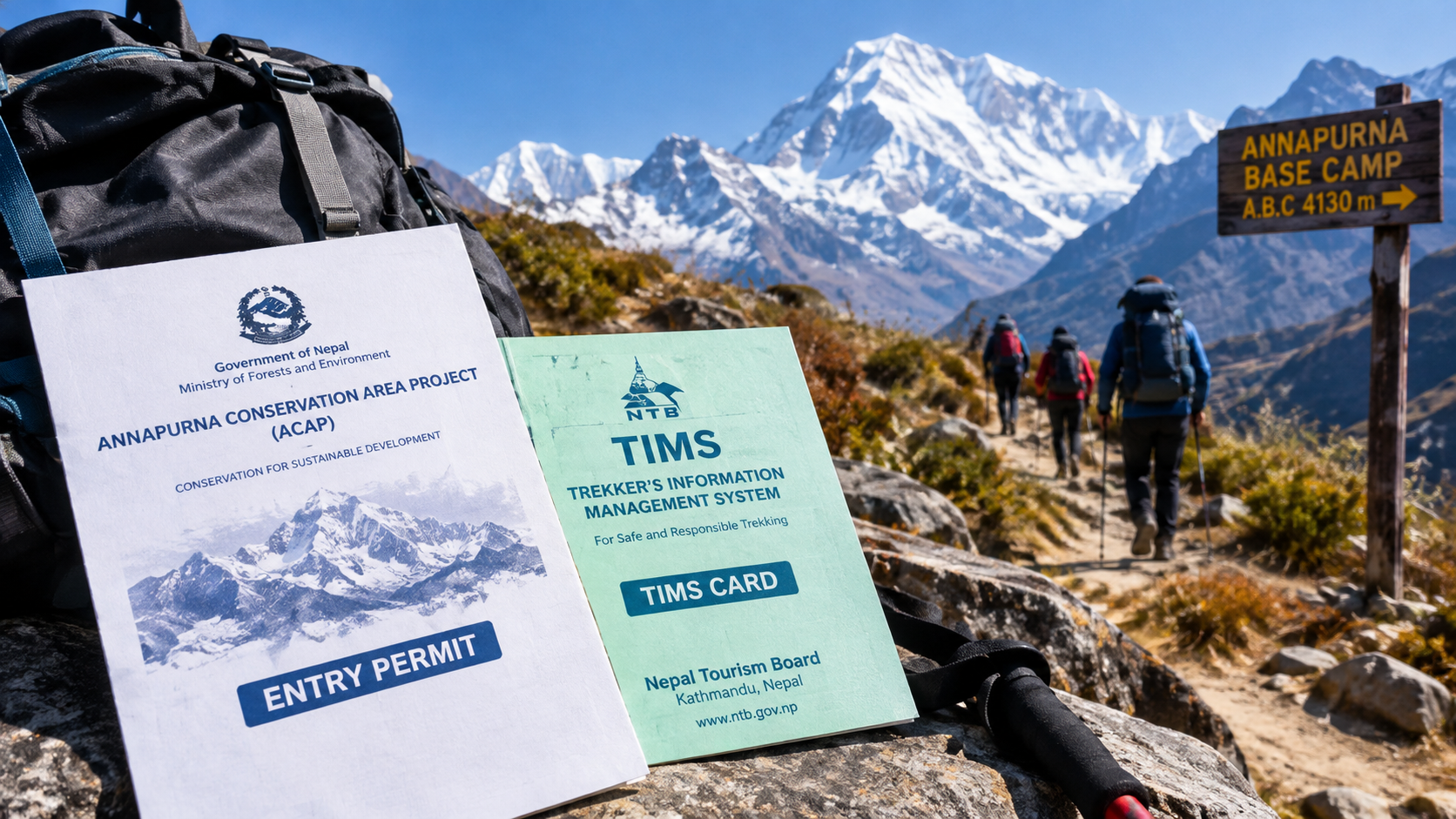
- Most treks require permits. The common ones are:
- TIMS Card (Trekkers’ Information Management System)
- Annapurna Conservation Area Permit (ACAP)
- Sagarmatha National Park Permit
- Restricted Area Permit (for regions like Upper Mustang and Manaslu)
- Your trekking company usually handles these, but independent trekkers must arrange them beforehand.
Why Trekking in Nepal Is Unmatched
Nepal isn’t just about mountains. It’s about the warm smiles of villagers, chanting monks, fluttering prayer flags, and ancient trails that lead to personal transformation. Every step in Nepal takes you closer to something greater than yourself.
Tips for a Safe Trekking Experience
- Acclimatize properly to avoid altitude sickness
- Stay hydrated and eat well
- Always hire a local guide or porter for support
- Respect local customs and environments
- Carry cash, as ATMs are rare on the trails
Sustainable Trekking in Nepal
Choose eco-conscious lodges. Avoid plastic bottles. Leave no trace. Supporting local businesses boosts communities and helps preserve the pristine trails for future adventurers.
Final Words: Make Nepal Your Next Trekking Destination
Trekking in Nepal is a life-changing experience. From Everest to Mustang, each trail tells a story. Walk through ancient paths and embrace the Himalayas like never before.
Pack your bag. Lace your boots. The mountains are calling.
Leave a comment: