


- 231 Views
- 5 Min Read
- (0) Comment
If you’re planning a Himalayan adventure in Nepal, the Langtang Valley Trek is one of the most rewarding yet accessible treks. But timing matters. Choosing the right season can transform your experience—from panoramic snow-capped peaks to rhododendron-filled forests and quiet alpine trails.
The best time to visit Langtang Valley Trek is spring (March–May) and autumn (September–November). These months offer clear skies, moderate temperatures, and ideal trekking conditions for beginners and experienced trekkers alike.
Whether you’re chasing blooming flowers, clear mountain vistas, or peaceful snow landscapes, this guide from Wilderway Trekking & Expedition Pvt. Ltd. will help you decide the perfect season for your Langtang adventure.
Why Langtang Valley Trek Is Special
Langtang Valley lies in the heart of Langtang National Park, north of Kathmandu, near the Tibetan border. Unlike Everest or Annapurna, Langtang offers:
- Authentic Tamang villages
- Dense rhododendron forests
- Yaks grazing in alpine meadows
- Himalayan views, including Langtang Lirung
- Stunning viewpoints like Kyanjin Ri
The region combines natural beauty, cultural immersion, and manageable trekking difficulty—making it ideal for international trekkers seeking less crowded trails.
Langtang Seasons Overview
Langtang experiences four distinct trekking seasons: spring, monsoon, autumn, and winter. Each offers a different adventure.
| Season | Months | Weather & Views | Best For |
|---|---|---|---|
| Spring | March – May | Mild temperatures, blooming rhododendrons, clear skies | Nature lovers, photographers, first-time trekkers |
| Summer / Monsoon | June – August | Rainy, lush green hills, limited mountain views | Budget travelers, solitude seekers |
| Autumn | September – November | Crisp air, crystal-clear mountain views, stable weather | Best overall trekking experience |
| Winter | December – February | Cold, snowy landscapes, peaceful trails | Experienced trekkers, snow lovers |
Spring (March – May): Blooming Beauty & Mild Weather
Spring is one of the most popular trekking seasons in Langtang.
Weather & Conditions:
- Day temperatures: 10–20°C
- Night temperatures: -5–5°C at high altitude
- Stable weather, occasional showers
Highlights:
- Rhododendron forests in full bloom
- Clear skies and crisp mountain views
- Active wildlife in Langtang National Park
- Moderate crowd levels
Pros:
- Comfortable weather for trekking
- Stunning floral landscapes
- Great for photography
Cons:
- Moderate crowds
- Tea houses may fill up, booking recommended
Best For: First-time trekkers, couples, nature enthusiasts, photographers.
Autumn (September – November): Clear Skies & Peak Views
Autumn is widely regarded as the best overall season for trekking in Langtang.
Weather & Conditions:
- Day temperatures: 8–18°C
- Night temperatures: -5–5°C
- Stable skies post-monsoon
Highlights:
- Outstanding visibility and crisp mountain panoramas
- Cultural festivals in villages (Dashain & Tihar)
- Dry trails ideal for trekking
Pros:
- Crystal-clear views of Langtang Lirung and surrounding peaks
- Reliable weather
- Excellent photography conditions
Cons:
- Higher number of trekkers
- Slightly higher trekking costs
- Advanced booking required
Best For: Trekkers seeking the most scenic experience with stable weather.
Winter (December – February): Snow & Solitude
Winter transforms Langtang into a peaceful, snowy landscape.
Weather & Conditions:
- Day temperatures: 5–10°C
- Night temperatures: -10°C or lower at higher altitudes
- Snowfall likely
Highlights:
- Quiet trails and empty tea houses
- Snow-covered alpine scenery
- Lower trekking costs
Pros:
- Solitude and peaceful experience
- Snowy vistas perfect for photography
- Fewer tourists
Cons:
- Cold nights and frozen streams
- Some high-altitude trails may be inaccessible
Best For: Experienced trekkers, snow lovers, photographers.
Monsoon (June–August): Green & Lush, but Rainy
Monsoon is the least popular but still possible for dedicated trekkers.
Weather & Conditions:
- Warm and humid
- Frequent rain showers
- Cloudy or blocked mountain views
Highlights:
- Vibrant green landscapes
- Powerful waterfalls
- Very few tourists
Pros:
- Discounts on trek packages
- Solitude on trails
- Botanical enthusiasts enjoy flora
Cons:
- Slippery trails and potential landslides
- Limited visibility for mountains
- Leeches in lower forests
Best For: Budget travelers, solitude seekers, and botanists.
Month-by-Month Weather & Crowd Table
| Month | Avg Temp (°C) | Crowd Level | Trekking Notes |
|---|---|---|---|
| January | -2–10 | Very Low | Extreme cold, fewer trekkers |
| February | 2–15 | Low | Trails improving, early blooms |
| March | 8–20 | Moderate | Start of rhododendron bloom, mild weather |
| April | 10–22 | Moderate | Peak bloom, clear mountain views |
| May | 12–24 | Moderate | Warmer, good visibility |
| June | 18–28 | Low | Monsoon begins, trails slippery |
| July | 20–30 | Very Low | Heavy rain, limited views |
| August | 20–29 | Very Low | Lush greenery, possible landslides |
| September | 12–22 | Moderate | Post-monsoon, clear skies |
| October | 10–20 | High | Best overall weather and visibility |
| November | 8–18 | Moderate | Crisp and dry, excellent for photography |
| December | 0–12 | Low | Cold, snow possible at high altitude |
Trek Planning Essentials by Season
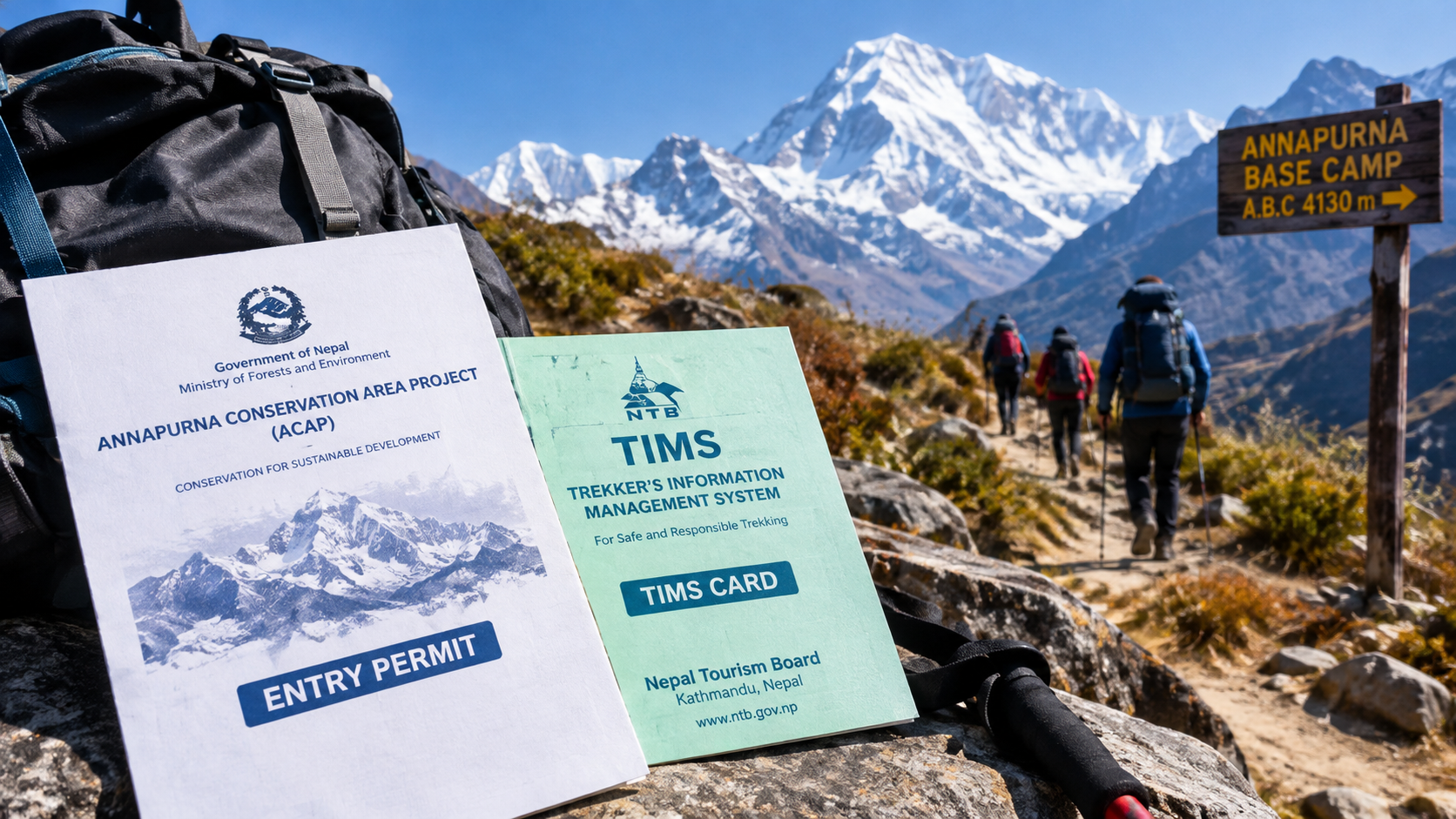
Permits: Langtang National Park Entry Permit + TIMS Card
Accommodation: Tea houses open year-round, but winter/monsoon have fewer options at higher altitudes
Packing Tips:
- Spring & Autumn: Layered clothing, trekking boots, sunglasses, and a down jacket
- Winter: Extra thermal layers, heavy sleeping bag (-15°C), gloves, hat
- Monsoon: Waterproof jacket, rain cover for backpack, quick-dry clothing
Why Trek with Wilderway Trekking & Expedition?
We are a local Nepal-based trekking company with first-hand expertise in Langtang:
- Licensed English-speaking guides
- Flexible itineraries for each season
- Weather-adjusted planning and altitude safety
- Support for local communities post-2015 earthquake
- Transparent pricing with no hidden fees
We don’t just guide treks — we create life-changing Himalayan experiences.
FAQs
Is the Langtang trek possible in monsoon?
Yes, but trails are slippery, visibility is limited, and rain is frequent. Monsoon trekking is suitable for experienced trekkers who prefer solitude.
Is December too cold for Langtang?
December is cold, especially above 3,500 m. With proper gear and a guided itinerary, trekking is possible.
Which month has the clearest mountain views?
October is generally the clearest, with stable skies and outstanding Himalayan panoramas.
How difficult is the Langtang trek by season?
Moderate difficulty overall. Spring & Autumn are easiest due to stable weather; Winter requires extra preparation for snow; monsoon adds slipperiness and risk.
Do tea houses operate year-round?
Most tea houses are open year-round, but some high-altitude lodges may close in winter or monsoon.
Final Recommendation
For the safest and most rewarding experience, choose:
March–April (Spring) or October–November (Autumn)
These months provide:
- Clear Himalayan views
- Comfortable trekking temperatures
- Stable trails
- Excellent photography conditions
No matter your season of choice, Langtang Valley promises breathtaking scenery and authentic cultural encounters.
Ready to Plan Your Langtang Adventure?
Whether you prefer blooming forests, crisp autumn skies, or peaceful snow landscapes, Wilderway Trekking & Expedition Pvt. Ltd. will craft your ideal seasonal itinerary.
✅ Contact us today for a personalized Langtang seasonal plan.
✅ Book your trek and experience the Himalayas with local expertise and safety.
The mountains are waiting — make your Langtang journey unforgettable.
Leave a comment: