
- 78 Views
- 34 Min Read
- (0) Comment
Have you ever wondered whether the extra days and effort to reach Tilicho Lake are really worth it? Many trekkers ask this before planning their trip, especially when deciding between the classic circuit and the longer route. Is Tilicho Lake Worth Adding to the Annapurna Circuit? For most hikers, the answer is yes. The breathtaking turquoise lake, dramatic mountain scenery, and quieter trails make the detour one of the most rewarding parts of the journey.
In this guide, you’ll discover the real advantages and disadvantages of adding Tilicho Lake to your itinerary. We’ll compare the extra time, distance, cost, and difficulty so you can decide if this side trip matches your fitness level, travel schedule, and trekking goals.
Is Tilicho Lake Worth Adding to the Annapurna Circuit?
Yes, Tilicho Lake is worth adding to the Annapurna Circuit if you have two or three extra days and are prepared for a slightly longer trek. Visiting Tilicho Lake (4,919m / 16,138ft), one of the world’s highest alpine lakes, adds unforgettable mountain scenery, quieter trails, and valuable acclimatization before crossing Thorong La Pass (5,416m / 17,769ft). If your priority is completing the trek in the shortest time or keeping costs lower, the classic Annapurna Circuit remains an excellent option.
Key Takeaways
- Visit one of the world’s highest alpine lakes at 4,919m (16,138ft).
- Adds approximately 2–3 trekking days to the classic Annapurna Circuit.
- Provides better acclimatization before crossing Thorong La Pass.
- Offers quieter trails and spectacular Himalayan scenery.
- Increases the total trekking distance and overall difficulty.
- Perfect for photographers and trekkers seeking a more complete Annapurna experience.
- The classic circuit is a better choice if you’re short on time or budget.
Quick Decision Table
| If You Want… | Recommendation |
| Spectacular alpine lake | Add Tilicho Lake |
| Shortest itinerary | Skip the detour |
| Better acclimatization | Add Tilicho Lake |
| Budget-friendly trek | Consider skipping |
| Outstanding photography | Definitely include it |
| A complete Annapurna adventure | Add Tilicho Lake |
What Is Tilicho Lake?
Tilicho Lake is one of the most beautiful high-altitude lakes in Nepal and one of the main highlights of the Annapurna region. Located inside the Annapurna Conservation Area, the lake attracts trekkers from around the world who want to experience dramatic Himalayan scenery beyond the classic Annapurna Circuit. Its peaceful setting, turquoise water, and surrounding snow-covered peaks make it a destination that many hikers consider the highlight of their entire trek.
Although Tilicho Lake requires a short detour from the main Annapurna Circuit, many trekkers believe the extra effort is worthwhile. The route passes through remote mountain landscapes, traditional villages, and rugged alpine terrain before reaching the lake. Besides its natural beauty, Tilicho Lake is also known for its cultural importance and provides an excellent opportunity to acclimatize before crossing Thorong La Pass, making it both a scenic and practical addition to the journey.
Where Is Tilicho Lake?
Tilicho Lake is located in Nepal’s Manang District within the Annapurna Conservation Area, one of the country’s most popular trekking regions. Trekkers leave the main Annapurna Circuit at Manang and follow a separate trail through Khangsar, Siri Kharka, and Tilicho Base Camp before reaching the lake. After visiting Tilicho Lake, most hikers return to the main trail near Yak Kharka and continue toward Thorong La Pass. This detour adds only a few days while offering one of the most rewarding experiences in the Himalayas.
How High Is Tilicho Lake?
Tilicho Lake sits at an elevation of 4,919 meters (16,138 feet) above sea level, making it one of the world’s highest alpine lakes. At this altitude, oxygen levels are much lower than at sea level, so trekkers may notice slower walking speeds and heavier breathing. Spending time acclimatizing in Manang before visiting the lake helps reduce the risk of altitude sickness. Walking at a steady pace, staying hydrated, and allowing your body time to adjust are essential for a safe and enjoyable visit.
Why Is Tilicho Lake Famous?
Tilicho Lake is famous for its crystal-clear blue water, spectacular mountain setting, and remote Himalayan location. Surrounded by towering cliffs and snow-covered peaks, the lake offers breathtaking scenery that looks different throughout the day as sunlight changes across the mountains. Unlike many other popular viewpoints in Nepal, Tilicho Lake provides a peaceful atmosphere where trekkers can enjoy nature without large crowds. For many visitors, reaching the lake becomes one of the most memorable moments of the entire Annapurna Circuit adventure.
Religious and Cultural Significance
Tilicho Lake is not only admired for its natural beauty but also respected for its religious and cultural importance. Many Hindus believe the lake is connected to the ancient Kak Bhusundi Lake described in the Ramayana, while local Buddhist communities also regard the surrounding mountains as sacred. Along the trekking route, visitors pass traditional villages, monasteries, prayer flags, and chortens that reflect the region’s rich Himalayan heritage. Respecting local customs and religious sites helps preserve the area’s unique cultural identity for future generations.
Why Trekkers Add Tilicho Lake to the Annapurna Circuit
Many trekkers choose to add Tilicho Lake to the Annapurna Circuitbecause it offers far more than an extra destination. The side trip combines one of the world’s highest alpine lakes with spectacular Himalayan scenery, quieter trails, and additional time for acclimatization. Although it adds a few days to the itinerary, the experience is often considered one of the most rewarding parts of the entire journey.
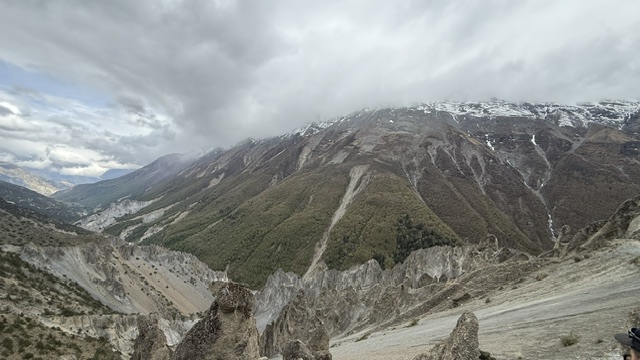
Whether you’re seeking dramatic landscapes, better mountain photography, or a more complete trekking adventure, Tilicho Lake delivers something unique. The detour allows you to explore remote sections of the Annapurna region that many trekkers never see. For those with enough time and reasonable fitness, adding Tilicho Lake creates a richer and more memorable Himalayan experience without changing the overall route of the Annapurna Circuit.
One of the World’s Highest Alpine Lakes
Tilicho Lake sits at an elevation of 4,919 meters (16,138 feet), making it one of the world’s highest alpine lakes. Reaching the lake feels like a major achievement after several days of trekking through the Manang Valley. The crystal-clear blue water, surrounded by towering cliffs and snow-covered mountains, creates a landscape unlike anywhere else on the Annapurna Circuit. For many trekkers, standing beside Tilicho Lake becomes one of the most unforgettable moments of their journey through the Himalayas.
Incredible Mountain Scenery
The trail to Tilicho Lake offers some of the most dramatic mountain scenery in the Annapurna region. Along the route, trekkers enjoy panoramic views of Tilicho Peak, Annapurna II, Annapurna III, Gangapurna, Nilgiri, and other Himalayan giants. The landscape constantly changes from green valleys and alpine meadows to rocky cliffs and glacial terrain. Every day brings new viewpoints, making the journey just as rewarding as reaching the lake itself.
Better Acclimatization Before Thorong La Pass
Adding Tilicho Lake also provides valuable acclimatization before crossing Thorong La Pass at 5,416 meters (17,769 feet). Spending extra time at higher elevations helps your body gradually adjust to thinner air, reducing the risk of altitude sickness. Many experienced guides recommend following a gradual ascent whenever possible. While visiting Tilicho Lake does not guarantee protection from AMS, the additional acclimatization days can make the crossing of Thorong La safer and more comfortable for many trekkers.
Less Crowded Than the Main Circuit
Although the Annapurna Circuit is one of Nepal’s most popular trekking routes, the trail to Tilicho Lake usually feels much quieter. Fewer trekkers choose the side trip, allowing you to enjoy peaceful walking trails, smaller teahouses, and a stronger connection with nature. The quieter atmosphere gives you more time to appreciate the mountains without large crowds. Many trekkers say this peaceful environment is one of the biggest reasons they recommend adding Tilicho Lake to their itinerary.
A Greater Sense of Adventure
Choosing the Tilicho Lake route adds an extra sense of adventure to the Annapurna Circuit. The trail passes through rugged mountain terrain, narrow paths, rocky slopes, and remote alpine landscapes that feel untouched compared to busier trekking routes. Reaching the lake requires additional effort, but that challenge makes the experience even more rewarding. For trekkers looking for something beyond the classic circuit, Tilicho Lake offers a journey that feels more adventurous and memorable from beginning to end.
Photography Opportunities
Tilicho Lake is a dream destination for photographers and nature lovers. The turquoise lake reflects the surrounding snow-covered peaks on calm mornings, creating stunning photo opportunities. Along the route, you’ll also capture glaciers, waterfalls, dramatic cliffs, traditional villages, prayer flags, and panoramic Himalayan landscapes. Sunrise and early morning often provide the clearest views and best lighting. Whether using a professional camera or a smartphone, the scenery around Tilicho Lake offers countless unforgettable photographs.
What Are the Downsides of Adding Tilicho Lake?
Although Tilicho Lake is one of the highlights of the Annapurna region, it is not the right choice for every trekker. The side trip requires extra time, more energy, and a flexible schedule. Higher altitude, changing weather, and additional expenses are all factors to consider before deciding whether to include the detour. Understanding these challenges will help you choose an itinerary that matches your fitness level, travel plans, and expectations.
Most trekkers who add Tilicho Lake say the rewards are worth the extra effort, but it is important to be realistic about the demands. If you have limited time, a tight budget, or little experience at high altitude, the classic Annapurna Circuit may be a better option. Knowing both the advantages and disadvantages allows you to make an informed decision and enjoy a safer, more comfortable trekking experience.
Adds Extra Days
Adding Tilicho Lake usually extends the Annapurna Circuit by two to three days. Most trekkers leave the main trail at Manang, spend nights at Siri Kharka and Tilicho Base Camp, visit the lake early the next morning, and then return to rejoin the circuit near Yak Kharka. If your travel schedule is flexible, the extra days are often worthwhile. However, if you have limited holiday time, the classic Annapurna Circuit may be a more practical choice.
More Physical Effort
The trail to Tilicho Lake is more demanding than the main Annapurna Circuit because it includes longer climbs, rocky paths, and loose mountain terrain. Some sections require careful footing, especially between Siri Kharka and Tilicho Base Camp. While no technical climbing is involved, the additional distance and elevation can make each day more tiring. Good fitness, steady pacing, and proper rest are important for enjoying the side trip safely and comfortably.
Higher Altitude
Tilicho Lake sits at 4,919 meters (16,138 feet), much higher than most villages along the Annapurna Circuit. At this elevation, the thinner air can increase the risk of altitude sickness if you ascend too quickly. Spending time acclimatizing in Manang before heading to the lake is highly recommended. Walking slowly, drinking plenty of water, and paying attention to your body’s signals are essential for reducing the risk of altitude-related health problems.
Unpredictable Weather
Mountain weather around Tilicho Lake can change quickly, even during the best trekking seasons. Clear mornings may become cloudy by afternoon, while snowfall, strong winds, or freezing temperatures can affect trail conditions at higher elevations. During the monsoon and winter months, weather becomes even more unpredictable. Starting your hike early in the morning and keeping a flexible itinerary helps you adapt safely to changing mountain conditions.
Additional Cost
Visiting Tilicho Lake increases the overall cost of your trek because of the extra days on the trail. You’ll spend more on accommodation, meals, guide and porter services, and personal expenses such as charging devices or hot showers. Although the additional cost is usually reasonable compared to the overall trip, it is worth including these extra expenses when planning your trekking budget to avoid unexpected surprises.
Possible Trail Closures
The route to Tilicho Lake may occasionally close because of heavy snowfall, landslides, rockfall, or unstable trail conditions. These situations are more common during winter and the summer monsoon season, although weather can affect the trail at any time. Local guides regularly monitor trail conditions and will recommend alternative plans if necessary. Keeping a flexible itinerary and following your guide’s advice are the best ways to stay safe in the mountains.
Tilicho Lake vs Skipping the Detour
Choosing whether to add Tilicho Lake to the Annapurna Circuit depends on your available time, budget, fitness level, and trekking goals. The classic Annapurna Circuit is already one of Nepal’s finest trekking routes, but the Tilicho Lake detour offers an even richer experience with dramatic mountain scenery and one of the world’s highest alpine lakes. Understanding the differences can help you decide which itinerary best suits your adventure.
For trekkers with two or three extra days, Tilicho Lake is usually a worthwhile addition. The detour increases the distance, cost, and physical challenge, but it also provides better acclimatization before Thorong La Pass and takes you through quieter, less-traveled trails. If your priority is completing the trek in the shortest time or on a tighter budget, the classic Annapurna Circuit remains an excellent choice.
Route Comparison
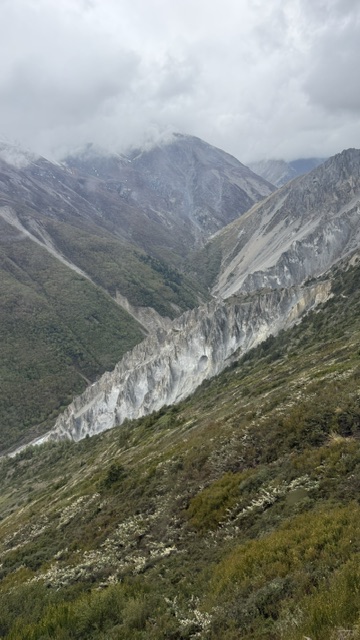
The classic Annapurna Circuit follows the main trekking route from Manang to Yak Kharka before crossing Thorong La Pass. With the Tilicho Lake option, trekkers leave the main trail at Manang and travel through Khangsar, Siri Kharka, and Tilicho Base Camp before returning to Yak Kharka. Although the detour follows the same circuit overall, it adds a unique section that many trekkers consider one of the most scenic parts of the Annapurna region.
Time Comparison
The classic Annapurna Circuit usually takes 12 to 14 days, depending on the itinerary and transportation. Adding Tilicho Lake extends the trek by approximately two to three days, bringing the total duration to around 14 to 16 days. The additional time allows for a more relaxed pace and improved acclimatization, but it also requires extra planning if you have limited vacation time.
Distance Comparison
Including Tilicho Lake increases the total trekking distance because of the return hike between Manang, Tilicho Base Camp, and the lake. Although the exact distance varies by itinerary, most trekkers walk approximately 25 to 35 kilometers (16 to 22 miles) more than those following the classic route. The additional distance is spread across several days, making it manageable for reasonably fit trekkers.
Difficulty Comparison
Both routes are considered moderately challenging, but adding Tilicho Lake makes the trek more demanding. The detour includes higher elevations, longer walking days, and rocky mountain trails leading to the lake. While no technical climbing is required, the extra altitude and distance increase the physical effort. Trekkers with good fitness and proper acclimatization generally complete the route without difficulty.
Scenic Value Comparison
The Annapurna Circuit offers outstanding mountain scenery, traditional villages, forests, and high mountain passes. Adding Tilicho Lake takes that experience a step further by including one of Nepal’s most spectacular alpine lakes surrounded by towering Himalayan peaks. Many trekkers consider the views around Tilicho Lake among the best in the Annapurna region, making the detour especially rewarding for photographers and nature lovers.
Budget Comparison
The classic Annapurna Circuit is usually the more affordable option because it requires fewer trekking days. Visiting Tilicho Lake increases the overall cost due to additional accommodation, meals, guide and porter services, and personal expenses. While the difference is not dramatic, travelers on a strict budget may prefer the standard circuit, whereas those seeking the fullest experience often find the extra cost worthwhile.
Comparison Table
| Factor | Annapurna Circuit Only | With Tilicho Lake |
| Duration | 12–14 days | 14–16 days |
| Distance | Approximately 160–180 km (99–112 miles) | Approximately 190–210 km (118–130 miles) |
| Cost | Lower overall cost | Higher due to extra trekking days |
| Difficulty | Moderate to Challenging | Challenging |
| Highest Altitude | Thorong La Pass (5,416m / 17,769ft) | Thorong La Pass (5,416m / 17,769ft) and Tilicho Lake (4,919m / 16,138ft) |
| Scenic Value | Excellent | Outstanding |
| Crowds | Busier on the main trail | Quieter around Tilicho Lake |
How Much Extra Time Does Tilicho Lake Add?
Adding Tilicho Lake to the Annapurna Circuit usually extends the trek by two to three days, depending on your itinerary and walking pace. Most trekkers spend one night at Siri Kharka, another at Tilicho Base Camp, and visit the lake early the following morning before returning to the main trail. The additional days also provide more time to adjust to the higher altitude before crossing Thorong La Pass.
For most trekkers, the extra time is a worthwhile investment. Beyond visiting one of the world’s highest alpine lakes, the detour offers quieter trails, outstanding mountain scenery, and better acclimatization. If your schedule allows for a 16-day itinerary, adding Tilicho Lake creates a more complete Annapurna trekking experience without significantly changing the overall route.
Standard Annapurna Circuit Duration
A standard Annapurna Circuit Trek typically takes between 12 and 14 days, depending on the starting point, transportation, and acclimatization schedule. This itinerary follows the main trail through Manang before crossing Thorong La Pass and descending to Muktinath. It is ideal for trekkers with limited time who still want to experience Nepal’s most famous trekking circuit. Many agencies also offer shorter versions by using jeep transportation to reduce the overall trekking days.
16-Day Itinerary
A 16-day Annapurna Circuit Trek with Tilicho Lake offers a comfortable pace while including the famous lake without rushing. The itinerary includes acclimatization in Manang, an overnight stay at Tilicho Base Camp, a visit to Tilicho Lake (4,919m / 16,138ft), and enough time to recover before crossing Thorong La Pass (5,416m / 17,769ft). This schedule balances adventure and safety, making it one of the most popular options for trekkers visiting the Annapurna region.
Shorter Itinerary Options
Some trekkers complete the Annapurna Circuit with Tilicho Lake in 13 to 15 days by driving farther along the road network or walking longer distances each day. While these shorter itineraries save time, they leave less opportunity for acclimatization and can make the trek more physically demanding. If you choose a shorter schedule, it is important to have previous high-altitude trekking experience and remain flexible in case weather or trail conditions cause delays.
Is the Extra Time Worth It?
For most trekkers, the answer is yes. The additional two or three days allow you to experience Tilicho Lake, enjoy quieter mountain trails, and improve acclimatization before reaching Thorong La Pass. Although the trek becomes slightly longer and more expensive, the scenery and overall experience often make the extra time worthwhile. If you have enough vacation days and want the best of the Annapurna region, the 16-day itinerary is one of the most rewarding choices.
How Difficult Is the Tilicho Lake Side Trip?
The Tilicho Lake side trip is considered moderately challenging and is more demanding than the main Annapurna Circuit trail. The route includes steep climbs, rocky paths, and high-altitude trekking, but it does not require any technical climbing skills. Most trekkers with good fitness, proper acclimatization, and a steady walking pace can complete the side trip safely and enjoyably.
The biggest challenges come from the elevation, longer walking days, and changing mountain weather rather than difficult terrain. Taking enough time to acclimatize in Manang, staying hydrated, and following your guide’s advice can make a significant difference. If you are prepared both physically and mentally, the journey to Tilicho Lake is achievable and highly rewarding.
Trail Conditions
The trail to Tilicho Lake is narrower and more rugged than the main Annapurna Circuit. Trekkers walk along rocky mountain paths, loose scree sections, gradual climbs, and exposed hillsides between Siri Kharka and Tilicho Base Camp. Some parts of the route require extra care, especially after rain or snowfall. Although the trail is well-established, good trekking boots and careful footing are essential. The route is not technically difficult but demands confidence when walking on uneven mountain terrain.
Elevation Gain
The side trip gradually climbs from Manang (3,540m / 11,614ft) to Tilicho Base Camp (4,150m / 13,615ft) before reaching Tilicho Lake at 4,919m (16,138ft). This significant elevation gain increases the physical challenge and the possibility of altitude sickness. Walking slowly and allowing enough time for acclimatization helps your body adjust to the thinner air. Most trekking itineraries include an acclimatization day in Manang before continuing toward the lake for this reason.
Walking Hours
Most trekking days on the Tilicho Lake route involve five to seven hours of walking, depending on weather, trail conditions, and your pace. The longest day is usually the hike from Tilicho Base Camp to Tilicho Lake and back before continuing toward Siri Kharka or Yak Kharka. Starting early in the morning helps avoid strong afternoon winds and gives trekkers the best chance of enjoying clear mountain views around the lake.
Fitness Requirements
You do not need to be an athlete to reach Tilicho Lake, but a good level of fitness is important. Preparing with regular hiking, stair climbing, cycling, or cardio exercises before your trip will make the trek more enjoyable. Strong legs, good endurance, and the ability to walk for several hours each day are more important than speed. A steady pace and regular breaks are the key to successfully completing the side trip.
Technical Difficulty
The Tilicho Lake trek is not a technical climb, so no ropes, crampons, or mountaineering experience are required during the normal trekking seasons. The challenge comes from the altitude, uneven trails, and changing weather rather than technical obstacles. Most healthy trekkers with proper preparation can complete the route safely. During winter or after heavy snowfall, however, trail conditions may become more difficult, and local guide advice becomes especially important.
Who May Find It Challenging?
The Tilicho Lake side trip may be more challenging for first-time trekkers, people with limited fitness, or anyone unfamiliar with high-altitude hiking. Those with knee problems or respiratory conditions may also find the steep climbs and thin air more demanding. Trekkers with limited vacation time may prefer the classic Annapurna Circuit instead. Choosing a well-paced itinerary, trekking with an experienced guide, and allowing enough acclimatization greatly improve the overall experience.
Tilicho Lake Altitude and Altitude Sickness
Tilicho Lake sits at an elevation of 4,919m (16,138ft), making it one of the highest alpine lakes in the world. At this altitude, the air contains much less oxygen than at lower elevations, so trekkers need to ascend gradually and give their bodies time to adjust. While many people reach the lake without problems, understanding altitude sickness and following proper acclimatization practices are essential for a safe trek.
Altitude sickness can affect anyone regardless of age or fitness, and there is no guaranteed way to predict who will experience symptoms. The best approach is to follow a well-planned itinerary, spend time acclimatizing in Manang, stay hydrated, and avoid rushing. Recognizing the early signs of Acute Mountain Sickness (AMS) and knowing when to descend can help prevent serious health problems during the trek.
Elevation Explained
Tilicho Lake is located at 4,919m (16,138ft), while nearby Tilicho Base Camp sits at approximately 4,150m (13,615ft). Most trekkers first acclimatize in Manang at 3,540m (11,614ft) before continuing higher. As elevation increases, oxygen levels decrease, making physical activity more demanding. Even simple tasks such as walking uphill or climbing stairs may feel harder. Moving slowly and giving your body time to adjust is the safest way to enjoy the journey.
AMS Risk
The risk of Acute Mountain Sickness (AMS) increases above 2,500m (8,202ft) and becomes more significant as you climb higher. Since Tilicho Lake is nearly 5,000 meters above sea level, every trekker should take altitude seriously. Although many people complete the trek without difficulty, climbing too quickly greatly increases the risk of AMS. Following a gradual ascent and listening to your guide’s advice are the best ways to reduce the chance of altitude-related illness.
Symptoms
Early symptoms of AMS include headache, loss of appetite, nausea, dizziness, unusual tiredness, difficulty sleeping, and shortness of breath during normal activity. These symptoms often begin several hours after gaining altitude. Mild symptoms usually improve with rest, hydration, and avoiding further ascent. However, if symptoms become worse or include confusion, severe breathlessness, or difficulty walking, immediate descent and medical assistance are essential.
Prevention
The best way to prevent altitude sickness is to ascend gradually and allow enough time for acclimatization. Most trekkers spend an extra day in Manang before continuing toward Tilicho Lake. Drinking plenty of water, eating regular meals, avoiding excessive alcohol, and walking at a comfortable pace also help your body adjust. Never ignore early symptoms or continue climbing if you feel unwell, as prevention is always better than treatment.
Acclimatization Benefits
The Tilicho Lake itinerary naturally includes additional time at higher elevations, giving many trekkers a better chance to acclimatize before crossing Thorong La Pass (5,416m / 17,769ft). Spending an extra night at Siri Kharka and Tilicho Base Camp allows the body to adapt gradually to thinner air. Although acclimatization cannot completely eliminate the risk of AMS, it significantly improves safety and comfort during the higher sections of the trek.
When to Turn Back
Turning back is the safest decision if altitude sickness symptoms continue to worsen despite resting. Severe headache, repeated vomiting, loss of coordination, confusion, chest tightness, or extreme difficulty breathing should never be ignored. Descending to a lower altitude is the most effective treatment for serious AMS. No mountain is worth risking your health, and experienced guides will always prioritize your safety over reaching the destination.
AMS Risk Table
| Elevation | AMS Risk |
| Below 2,500m | Low |
| 2,500–3,500m | Moderate |
| Above 3,500m | Higher |
Is Tilicho Lake Worth the Extra Cost?
Adding Tilicho Lake to the Annapurna Circuit increases the overall cost of your trek, but many travelers believe the extra expense is well worth it. The detour usually requires two or three additional trekking days, which means paying for extra accommodation, meals, and guide or porter services. In return, you get to visit one of the world’s highest alpine lakes and enjoy quieter trails, spectacular scenery, and a more complete Annapurna trekking experience.
If your budget allows for a slightly longer itinerary, Tilicho Lake offers excellent value for the memories and landscapes it adds to the journey. The increase in cost is relatively small compared to the overall trek, especially when booked as part of a guided package. For many trekkers, the breathtaking views and unique experience easily justify the additional investment.
Additional Accommodation
Adding Tilicho Lake usually requires one or two extra nights in mountain teahouses, most commonly at Siri Kharka and Tilicho Base Camp. Accommodation in this part of the Annapurna region is simple but comfortable, with twin-sharing rooms and shared facilities at higher elevations. Although the additional lodging increases your overall budget, the cost is relatively modest compared to the experience of spending more time in the high Himalayas.
Extra Meals
The extra trekking days also mean paying for additional breakfasts, lunches, and dinners. Food prices gradually increase with altitude because all supplies must be transported by porters, mules, or yaks. Most trekkers spend a little more on hot drinks, snacks, and drinking water as well. While these expenses add to the total budget, they remain a small part of the overall cost of visiting Tilicho Lake.
Guide and Porter Costs
If you are trekking with a guide or porter, adding Tilicho Lake increases their service days, which raises the overall package cost. However, many trekkers find this worthwhile because experienced local guides help with navigation, pace, weather decisions, and altitude management. A porter also makes the extra walking more comfortable by carrying your main luggage, allowing you to enjoy the journey with a lighter backpack.
Transportation
The Tilicho Lake side trip does not require additional long-distance transportation because it follows the existing Annapurna Circuit route. Your transport to the trek starting point and from the trek ending point remains the same. The only extra expenses come from the additional trekking days rather than extra vehicles. This makes Tilicho Lake a cost-effective extension compared to many other side trips in Nepal.
Cost vs Experience
For most trekkers, Tilicho Lake provides excellent value for the additional cost. Spending slightly more allows you to visit one of Nepal’s most spectacular alpine lakes, experience quieter mountain trails, and improve acclimatization before Thorong La Pass. If you have enough time and budget, the extra investment often results in a richer and more memorable trekking experience than following the standard Annapurna Circuit alone.
Estimated Cost Table
| Expense | Estimated Additional Cost (USD) |
| Extra accommodation (2–3 nights) | $20–40 |
| Extra meals | $30–60 |
| Guide (2–3 extra days) | $60–120 |
| Porter (2–3 extra days) | $40–80 |
| Transportation | Usually no additional cost |
| Estimated total additional cost | $150–300 |
Here’s the section following your format: H2 with 2 paragraphs (~70 words each) and each H3 around 80–90 words.
Best Time to Visit Tilicho Lake
The best time to visit Tilicho Lake is during spring (March to May) and autumn (September to November). These seasons offer the clearest mountain views, stable weather, and comfortable trekking conditions. Most trekkers choose these months because the trails are generally dry, visibility is excellent, and the chances of safely reaching Tilicho Lake are much higher than during winter or the monsoon season.
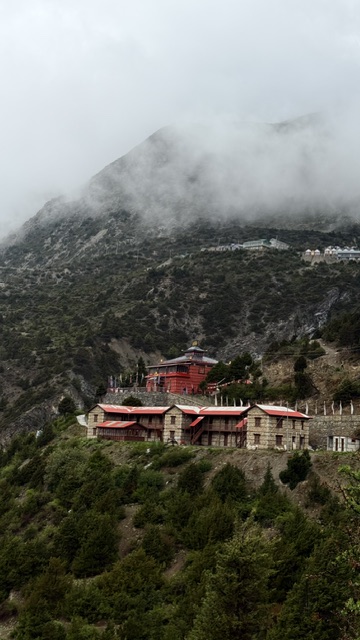
Although Tilicho Lake is accessible for much of the year, every season offers a different experience. Spring brings colorful rhododendron forests, while autumn provides crystal-clear Himalayan panoramas. Winter transforms the landscape with snow but creates more challenging conditions, and the summer monsoon brings frequent rain and possible landslides. Choosing the right season depends on your experience, flexibility, and what you hope to experience during the trek.
Spring
Spring, from March to May, is one of the most popular seasons for visiting Tilicho Lake. The weather is generally stable, daytime temperatures are comfortable, and rhododendron forests bloom across the lower trails. Snow usually remains on the higher mountains, creating spectacular scenery around the lake. Visibility is often excellent during the mornings, making this season ideal for photography. Because of the pleasant conditions, spring also attracts many trekkers, so popular teahouses can become busy during April.
Summer / Monsoon
Summer and the monsoon season, from June to August, are the least popular months for visiting Tilicho Lake. Heavy rainfall makes lower trails muddy and slippery, while landslides and rockfalls can affect sections of the route. Cloudy skies often hide the mountain views, reducing visibility around the lake. Leeches may also be present at lower elevations. Although the landscapes become lush and green, trekkers should be prepared for changing weather and possible itinerary adjustments.
Autumn
Autumn, from September to November, is widely considered the best season to visit Tilicho Lake. After the monsoon rains clear the atmosphere, the mountains appear exceptionally sharp and the skies remain blue for many days. Temperatures are comfortable during the day, although nights become colder at higher elevations. Stable weather, excellent trail conditions, and breathtaking Himalayan views make autumn the preferred choice for many trekkers planning the Annapurna Circuit with Tilicho Lake.
Winter
Winter, from December to February, offers peaceful trails and beautiful snow-covered landscapes around Tilicho Lake. However, temperatures often fall well below freezing at night, and heavy snowfall can block the trail or make the route unsafe. Some teahouses may also close during periods of severe weather. Winter trekking is best suited to experienced hikers who have proper cold-weather equipment and are prepared to adjust their plans if conditions become unfavorable.
Seasonal Comparison Table
| Season | Months | Trail Conditions | Mountain Views | Recommendation |
| Spring | March–May | Dry and comfortable | Excellent | Excellent |
| Summer / Monsoon | June–August | Wet, muddy, possible landslides | Limited | Fair |
| Autumn | September–November | Dry and stable | Outstanding | Excellent |
| Winter | December–February | Snow and ice at higher elevations | Good on clear days | Moderate |
Who Should Add Tilicho Lake to Their Trek?
Tilicho Lake is an excellent choice for trekkers who want more than the classic Annapurna Circuit experience. The side trip rewards those willing to spend a few extra days on the trail with spectacular mountain scenery, one of the world’s highest alpine lakes, and quieter trekking routes. While it requires additional time and effort, many travelers find the experience unforgettable and well worth the detour.
The decision to include Tilicho Lake depends on your interests, fitness level, and travel schedule. If your goal is simply to complete the Annapurna Circuit as quickly as possible, you may prefer the standard route. However, if you enjoy exploring remote places, photographing Himalayan landscapes, and taking on a slightly greater challenge, Tilicho Lake is likely to become the highlight of your trek.
Photographers
Tilicho Lake is one of the best photography destinations in the Annapurna region. The turquoise water, snow-covered mountains, glaciers, rocky cliffs, and colorful prayer flags create stunning landscapes throughout the journey. Sunrise often provides the clearest skies and the best lighting for mountain photography. Beyond the lake itself, the route passes through traditional villages, alpine valleys, and dramatic Himalayan scenery, giving photographers countless opportunities to capture memorable images every day of the trek.
Adventure Travelers
Adventure travelers looking for something beyond the standard Annapurna Circuit will enjoy the Tilicho Lake side trip. The route takes you across remote mountain trails, rugged landscapes, and higher elevations that feel more isolated than the main trekking route. The extra walking, changing terrain, and rewarding destination create a stronger sense of exploration. If you enjoy pushing yourself a little further while discovering less-crowded Himalayan trails, Tilicho Lake is an excellent addition.
Experienced Trekkers
Trekkers with previous high-altitude hiking experience often find Tilicho Lake a natural extension of the Annapurna Circuit. They are usually more familiar with walking at elevation, managing longer trekking days, and adapting to changing mountain weather. Although the route does not require technical climbing skills, previous trekking experience can make the journey more comfortable and enjoyable. Even first-time trekkers can complete the route successfully with proper preparation and a well-planned itinerary.
Nature Lovers
If you enjoy peaceful mountain landscapes and untouched natural beauty, Tilicho Lake is a destination you should not miss. The trail passes through forests, alpine meadows, rocky valleys, and glacial terrain before reaching the crystal-clear lake surrounded by towering Himalayan peaks. Wildlife such as blue sheep and Himalayan birds may also be seen along the route. The quieter environment allows you to slow down, appreciate nature, and experience the Himalayas away from the busier sections of the circuit.
Those with Flexible Schedules
Tilicho Lake is best suited for travelers who have enough time to add two or three extra days to their trek. A flexible schedule allows you to acclimatize properly, wait for better weather if needed, and enjoy the journey without rushing. Mountain conditions can sometimes change unexpectedly, so having additional time makes the experience less stressful. If your holiday schedule is tight, the classic Annapurna Circuit may be the more practical option.
Who Can Skip Tilicho Lake?
While Tilicho Lake is one of the most rewarding side trips in the Annapurna region, it is not essential for every trekker. The classic Annapurna Circuit already offers incredible mountain scenery, rich local culture, and the unforgettable experience of crossing Thorong La Pass. If your priorities are saving time, reducing costs, or keeping the trek less demanding, skipping the detour can still provide an amazing Himalayan adventure.
Choosing the standard Annapurna Circuit does not mean missing out on a great trek. Many travelers prefer the main route because it requires fewer days, involves less walking, and allows them to stay within their travel budget. Understanding your fitness level, schedule, and trekking goals will help you decide whether Tilicho Lake is the right addition or whether the classic circuit better suits your plans.
Travelers with Limited Time
If you only have around two weeks in Nepal, skipping Tilicho Lake is often the better choice. The standard Annapurna Circuit can usually be completed in 12 to 14 days, while adding Tilicho Lake extends the itinerary to about 14 to 16 days. Choosing the direct route allows you to enjoy the highlights of the Annapurna region without feeling rushed. It is an excellent option for travelers working with fixed holiday schedules or tight travel plans.
Budget Travelers
Tilicho Lake increases the overall trekking cost because of extra accommodation, meals, and additional guide or porter services. Although the extra expense is reasonable for many trekkers, those traveling on a strict budget may prefer the classic Annapurna Circuit. The standard route offers outstanding mountain scenery and cultural experiences while keeping daily expenses lower. If saving money is a priority, skipping the detour is a practical decision without sacrificing the overall trekking experience.
Families with Young Children
Families trekking with young children may find the classic Annapurna Circuit more suitable than adding Tilicho Lake. The extra distance, higher altitude, and longer walking days can be tiring for younger trekkers. Children also adjust to altitude differently than adults, making gradual ascent especially important. Choosing the shorter route allows families to enjoy the Annapurna region at a more comfortable pace while reducing physical demands and unnecessary fatigue.
Those Concerned About Altitude
Trekkers who are worried about altitude sickness or have previously experienced problems at high elevations may decide to skip Tilicho Lake. Although the side trip helps with acclimatization, it also takes you to 4,919m (16,138ft), where oxygen levels are much lower. If your main goal is to complete the Annapurna Circuit while limiting time at very high elevations, staying on the main trail may provide greater peace of mind.
Winter Trekkers During Heavy Snowfall
Winter trekking can be beautiful, but heavy snowfall sometimes makes the Tilicho Lake trail unsafe or temporarily inaccessible. Snow, ice, and avalanche risk may lead local guides or authorities to recommend avoiding the side trip. During these conditions, following the main Annapurna Circuit is often the safer option. Staying flexible and listening to local advice will help ensure a safe and enjoyable trek, even if visiting Tilicho Lake is not possible.
Final Verdict: Should You Add Tilicho Lake?
If you have around 16 days, a reasonable level of fitness, and want to experience the Annapurna region at its very best, adding Tilicho Lake is well worth it. The extra two or three days reward you with one of the world’s highest alpine lakes, quieter trails, spectacular Himalayan scenery, and better acclimatization before crossing Thorong La Pass. However, if you have limited time, a tighter budget, or prefer a shorter trek, the classic Annapurna Circuit remains an incredible adventure with outstanding mountain views and rich cultural experiences.
Our recommendation is simple: choose the Annapurna Circuit with Tilicho Lake if you’re looking for Nepal’s most complete Annapurna trekking experience. The additional time and cost are small compared to the unforgettable landscapes and memories you’ll gain. If you’re ready to take on this rewarding journey, explore our Annapurna Circuit Trek with Tilicho Lake – 16 Days package and let our experienced local team help you plan a safe, well-paced, and memorable Himalayan adventure.
Frequently Asked Questions
Is Tilicho Lake worth visiting?
Yes. Tilicho Lake (4,919m / 16,138 ft) is one of Nepal’s most spectacular high-altitude destinations and one of the highest lakes in the world. The detour rewards trekkers with breathtaking alpine scenery, dramatic mountain views, and a unique Himalayan experience that many consider the highlight of the Annapurna Circuit.
How many extra days does Tilicho Lake add?
The Tilicho Lake detour typically adds 2–3 days to the standard Annapurna Circuit itinerary. Most trekkers spend one night at Tilicho Base Camp before hiking to the lake and rejoining the main trail toward Thorong La Pass.
Can beginners visit Tilicho Lake?
Yes. Beginners with good physical fitness can visit Tilicho Lake by following a well-paced itinerary with proper acclimatization. Trekking with a licensed guide is recommended to improve safety and navigate the high-altitude terrain.
Is Tilicho Lake harder than Thorong La Pass?
No. While the trail to Tilicho Lake includes steep and rocky sections, Thorong La Pass(5,416m / 17,769 ft) is generally more challenging because it reaches a higher altitude and requires a longer ascent with a greater risk of altitude sickness.
Is Tilicho Lake safe?
Yes. Tilicho Lake is generally safe during the spring and autumn trekking seasons. However, some sections of the trail are prone to landslides, and weather conditions can change quickly. Trekking with an experienced guide and following local advice improves safety.
What is the altitude of Tilicho Lake?
Tilicho Lake sits at 4,919 meters (16,138 feet) above sea level. Due to its high elevation, trekkers should acclimatize properly in Manang before attempting the hike to reduce the risk of altitude sickness.
Do I need extra permits for Tilicho Lake?
No. Visiting Tilicho Lake does not require any additional permits beyond those needed for the Annapurna Circuit. Trekkers must obtain the Annapurna Conservation Area Permit (ACAP) and any other permits required under current trekking regulations.
Can I visit Tilicho Lake without completing the Annapurna Circuit?
Yes. Tilicho Lake can be visited as a separate side trip from Manang without crossing Thorong La Pass. After reaching the lake, trekkers can return to Manang using the same trail, making it a good option for those with limited time.
Is there accommodation at Tilicho Base Camp?
Yes. Tilicho Base Camp has several basic teahouses and lodges that provide accommodation, meals, and simple facilities for trekkers. Staying overnight allows an early morning hike to the lake when weather conditions are usually at their best.
Should I choose the Annapurna Circuit with or without Tilicho Lake?
Choose the Annapurna Circuit with Tilicho Lake if you have an extra 2–3 days, are well acclimatized, and want to experience one of Nepal’s most beautiful alpine lakes. If your schedule is limited or you prefer a less demanding trek, the standard Annapurna Circuit remains an exceptional Himalayan adventure.