- 84 Views
- 38 Min Read
- (0) Comment
Tilicho Lake stands at 4,919 m (16,138 ft) above sea level, making it one of Nepal’s highest alpine lakes and one of the highest lakes in the world that trekkers can visit. Understanding the Tilicho Lake altitude is important because the thin air at this elevation can affect every trekker differently. Knowing what to expect helps you prepare for a safer and more enjoyable journey.
The altitude is one of the biggest challenges on the Annapurna Circuit with Tilicho Lake. While the trail itself is not technical, the reduced oxygen at higher elevations increases the risk of altitude sickness. Learning about the lake’s elevation, oxygen levels, and proper acclimatization will help you plan your trek with confidence.
Tilicho Lake Elevation
Tilicho Lake is located at an elevation of 4,919 meters (16,138 feet) in Nepal’s Annapurna Conservation Area. The lake lies north of Manang and is reached by a side trail from the Annapurna Circuit. Most trekkers visit Tilicho Lake as part of the Annapurna Circuit Trek with Tilicho Lake, spending a night at Tilicho Base Camp before making an early morning hike to the lake. At this altitude, the air contains much less oxygen than at sea level, making gradual acclimatization essential for a safe visit.
How High Is Tilicho Lake Compared to Other Famous Destinations?
Tilicho Lake is higher than many famous trekking destinations around the world. It is much higher than Kathmandu (1,350 m), Machu Picchu (2,430 m), and Mount Kilimanjaro Base Camp (4,720 m). However, it is lower than Everest Base Camp (5,364 m) and Thorong La Pass (5,416 m). Although it is not Nepal’s highest trekking destination, Tilicho Lake is still high enough for trekkers to experience altitude-related symptoms if they ascend too quickly without proper acclimatization.
Why Oxygen Levels Decrease at High Altitude
As you climb higher, air pressure decreases, which means every breath contains less available oxygen. At Tilicho Lake altitude, your body must work harder to deliver oxygen to your muscles and brain. This is why trekking feels more difficult even on gentle trails. Many trekkers notice they breathe faster, tire more easily, and need extra rest breaks. A gradual ascent, proper hydration, and spending time acclimatizing in Manang help your body adjust to these conditions before reaching the lake.
Quick Facts Table
| Feature | Details |
| Elevation | 4,919 m (16,138 ft) |
| Region | Annapurna Conservation Area |
| Nearest Village | Manang |
| Typical Visit | Annapurna Circuit Trek with Tilicho Lake |
Does Tilicho Lake Cause Altitude Sickness?
Yes, Tilicho Lake can cause altitude sickness because it sits at 4,919 m (16,138 ft), where oxygen levels are much lower than at sea level. However, not everyone develops Acute Mountain Sickness (AMS). The risk depends on how quickly you gain altitude, whether you acclimatize properly, and how your body responds to the thinner air.
Many trekkers safely reach Tilicho Lake every year by following a gradual itinerary and taking enough time to acclimatize. Spending an extra day in Manang, staying hydrated, eating well, and recognizing the early signs of AMS greatly reduce the risk. Understanding how altitude sickness develops helps you make informed decisions and enjoy the trek more safely.
Quick Answer
Tilicho Lake is high enough for altitude sickness to occur, but AMS is not unavoidable. At 4,919 m (16,138 ft), the oxygen level is significantly lower than at sea level, making proper acclimatization essential. Most trekkers who follow a well-paced itinerary, stay hydrated, and avoid rushing reach the lake without serious problems. A carefully planned trek, such as the Annapurna Circuit Trek with Tilicho Lake – 16 Days, gives your body more time to adjust to the altitude.
Why AMS Can Occur at Tilicho Lake
AMS develops because the body receives less oxygen as altitude increases. At Tilicho Lake, the thinner air makes it harder for your lungs to supply enough oxygen to your muscles and brain. If you climb too quickly, your body may not have enough time to adapt, leading to symptoms such as headache, dizziness, nausea, and fatigue. Gradual ascent and proper acclimatization remain the most effective ways to reduce the risk.
Who Is Most at Risk?
Anyone can develop altitude sickness, regardless of age or physical fitness. Trekkers who ascend rapidly, skip acclimatization days, or have little experience at high altitude generally face a greater risk. People who ignore early symptoms or continue climbing despite feeling unwell are also more likely to experience severe AMS. Following your guide’s advice and maintaining a steady pace can greatly improve your chances of a safe and successful trek.
Can Fit Trekkers Get AMS?
Yes. Being fit does not protect you from altitude sickness. Strong hikers often walk faster than recommended, which can actually increase their risk by gaining elevation too quickly. AMS depends on how your body adapts to lower oxygen levels rather than your strength or endurance. Even experienced athletes can develop symptoms if they ignore acclimatization or push themselves too hard at high altitude.
Myth vs Reality About Altitude Sickness
| Myth | Reality |
| Only beginners get AMS. | Anyone can develop AMS, including experienced trekkers. |
| Good fitness prevents altitude sickness. | Fitness helps with endurance but does not prevent AMS. |
| Drinking more water completely prevents AMS. | Hydration helps, but proper acclimatization is still essential. |
| You can ignore a mild headache. | A headache may be the first sign of AMS and should be monitored carefully. |
| Medication alone prevents AMS. | Medicines like Diamox can help, but they cannot replace a gradual ascent and proper acclimatization. |
Understanding Altitude Sickness (AMS)
Altitude sickness, also called Acute Mountain Sickness (AMS), happens when your body cannot adjust quickly enough to high altitude. As you climb higher, oxygen levels decrease, making it harder for your body to function normally. Understanding how AMS develops is one of the most important steps in preparing for the Tilicho Lake altitude and staying safe throughout your trek.
Most cases of AMS are mild and improve with rest, hydration, and avoiding further ascent. However, ignoring symptoms can lead to serious altitude illnesses that require immediate descent and medical attention. Learning about the different types of altitude sickness will help you recognize the warning signs early and make the right decisions in the mountains.
What Is Acute Mountain Sickness?
Acute Mountain Sickness (AMS) is the most common altitude-related illness experienced by trekkers above 2,500 m (8,202 ft). It usually develops within 6 to 24 hours after gaining altitude too quickly. Common symptoms include headache, nausea, dizziness, tiredness, loss of appetite, and difficulty sleeping. Most trekkers with mild AMS recover after resting at the same elevation and allowing their bodies more time to acclimatize before continuing higher.
Why Does AMS Happen?
AMS occurs because there is less oxygen available at higher elevations. At Tilicho Lake (4,919 m / 16,138 ft), every breath contains significantly less oxygen than at sea level. Your body needs time to produce more red blood cells and improve oxygen delivery throughout the body. If you climb faster than your body can adapt, symptoms of altitude sickness may appear. A slow ascent and planned acclimatization greatly reduce this risk.
Types of Altitude Illness
Not all altitude illnesses are the same. AMS is the mildest and most common form, but if ignored, it can develop into more serious conditions that require immediate treatment. Knowing the differences between these illnesses can help you respond quickly and prevent life-threatening complications.
Acute Mountain Sickness (AMS)
AMS is the early stage of altitude illness and is usually mild if recognized quickly. Symptoms include headache, fatigue, nausea, dizziness, poor appetite, and trouble sleeping. Most trekkers recover by resting, drinking plenty of fluids, eating well, and avoiding further ascent until symptoms improve. Continuing to climb while experiencing AMS increases the risk of developing more serious altitude illnesses.
High Altitude Pulmonary Edema (HAPE)
High Altitude Pulmonary Edema (HAPE) is a serious condition where fluid builds up in the lungs, making breathing difficult. Symptoms include severe shortness of breath, a persistent cough, chest tightness, extreme weakness, and difficulty walking. HAPE is a medical emergency that requires immediate descent and urgent medical treatment. Without prompt action, it can become life-threatening.
High Altitude Cerebral Edema (HACE)
High Altitude Cerebral Edema (HACE) is the most dangerous form of altitude illness. It occurs when fluid builds up in the brain due to severe altitude exposure. Warning signs include confusion, loss of balance, difficulty speaking, unusual behavior, severe headache, and loss of consciousness. Anyone showing symptoms of HACE must descend immediately and receive emergency medical care as quickly as possible. Continuing to higher elevations can be fatal.
Symptoms of Altitude Sickness at Tilicho Lake
Recognizing the symptoms of altitude sickness early is one of the best ways to stay safe while trekking to Tilicho Lake. Most trekkers who develop AMS first notice mild symptoms, which often improve with rest and proper acclimatization. Ignoring these warning signs, however, can allow the illness to become more serious as you continue gaining elevation.
At Tilicho Lake altitude (4,919 m / 16,138 ft), every trekker should monitor how they feel throughout the journey. Even if you have trekked at high altitude before, your body may react differently each time. Knowing the difference between mild, moderate, and severe symptoms will help you decide when to rest, when to stop climbing, and when to descend.
Early Symptoms
Early symptoms of AMS usually appear within a few hours after reaching a higher elevation. They are often mild but should never be ignored. If you experience one or more of these symptoms, stay at the same altitude, drink plenty of water, eat a good meal, and rest until you feel better. Continuing to climb while symptoms persist can increase the risk of developing severe altitude illness.
Headache
A headache is the most common early sign of altitude sickness. It may feel mild at first but can become stronger if you continue climbing without acclimatizing. If your headache does not improve with rest, hydration, and simple pain relief, avoid gaining more altitude until it settles.
Fatigue
Feeling unusually tired is common at high altitude because your body is working harder with less oxygen. Simple activities such as walking uphill or climbing stairs may feel much more difficult than usual. Resting regularly and maintaining a slow, steady pace can help reduce fatigue.
Loss of Appetite
Many trekkers notice they feel less hungry after reaching higher elevations. Even if you are not hungry, it is important to continue eating regular meals. Your body needs energy to adapt to altitude, and skipping meals can make you feel weaker and slow your recovery.
Nausea
Mild nausea can develop as your body adjusts to thinner air. Some trekkers may also feel slightly sick to their stomach after eating or while walking uphill. Drinking enough water, eating light meals, and resting can often help relieve these symptoms.
Dizziness
Dizziness or light-headedness is another common sign of AMS. You may feel unsteady when standing up or walking on uneven trails. If dizziness becomes worse or is accompanied by difficulty walking, stop ascending immediately and inform your guide.
Moderate Symptoms
Moderate AMS symptoms include a severe or persistent headache, repeated vomiting, increasing weakness, difficulty sleeping, and worsening dizziness. At this stage, your body is struggling to adapt to the altitude. Do not continue climbing. Stay at the same elevation, rest, drink fluids, and monitor your condition closely. If symptoms do not improve within a short period or continue to worsen, descend to a lower altitude with your guide.
Severe Symptoms Requiring Immediate Descent
Severe altitude illness is a medical emergency. Warning signs include extreme shortness of breath while resting, loss of coordination, confusion, unusual behavior, inability to walk properly, chest tightness, or loss of consciousness. These symptoms may indicate High Altitude Pulmonary Edema (HAPE) or High Altitude Cerebral Edema (HACE). Immediate descent is the most effective treatment, and emergency medical assistance should be arranged as quickly as possible.
When Should You Stop Ascending?
You should stop ascending as soon as you notice symptoms of AMS that do not improve with rest. Never continue climbing with a persistent headache, nausea, dizziness, or unusual fatigue. If symptoms become moderate or severe, descend immediately to a lower elevation. The safest rule in the mountains is simple: never climb higher with worsening altitude sickness symptoms. Your health should always come before reaching Tilicho Lake or any mountain destination.
Tilicho Lake Altitude Profile
Understanding the altitude profile before your trek helps you prepare both physically and mentally. The journey to Tilicho Lake is designed to gain elevation gradually, giving your body time to adapt to thinner air. A well-planned itinerary reduces the risk of altitude sickness and makes the trek safer and more enjoyable.
Most trekkers visit Tilicho Lake as part of the Annapurna Circuit Trek with Tilicho Lake – 16 Days. The route includes an acclimatization day in Manang before continuing to higher elevations. This gradual ascent is one of the main reasons why the 16-day itinerary is recommended for first-time high-altitude trekkers.
Kathmandu to Manang
The journey begins in Kathmandu at 1,350 m (4,429 ft) before driving to Jagat and trekking through villages such as Dharapani, Chame, and Upper Pisang. Each day brings a gradual increase in altitude until you reach Manang (3,540 m / 11,614 ft). Most trekkers spend two nights here, including one full acclimatization day. This break allows the body to adjust before entering higher elevations where the risk of AMS increases significantly.
Manang to Shree Kharka
After acclimatizing in Manang, the trail climbs steadily to Shree Kharka (4,060 m / 13,320 ft). Although the walking distance is moderate, the higher altitude makes the trek more demanding. Most trekkers notice slower breathing and reduced energy during this stage. Walking at a comfortable pace, drinking plenty of water, and taking regular breaks help your body continue adapting to the thinner mountain air.
Shree Kharka to Tilicho Base Camp
The trail from Shree Kharka to Tilicho Base Camp (4,150 m / 13,615 ft) passes through rocky slopes and narrow sections beneath steep cliffs. Although the elevation gain is relatively small, the higher altitude makes the day feel more challenging. Most trekkers arrive at the base camp by afternoon, rest well, and prepare for an early morning hike to Tilicho Lake when weather conditions are usually more stable.
Tilicho Base Camp to Tilicho Lake
The hike from Tilicho Base Camp to Tilicho Lake (4,919 m / 16,138 ft) is one of the highlights of the trek. The trail climbs steadily over rocky terrain before reaching the turquoise lake surrounded by towering Himalayan peaks. Because this section reaches nearly 5,000 meters, many trekkers walk slowly and take frequent breaks. Spending too much time at the lake is not recommended due to the high altitude and changing weather conditions.
Tilicho Lake Back to Base Camp
After enjoying the views, trekkers usually return to Tilicho Base Camp before continuing back to Shree Kharka later the same day or the following morning, depending on the itinerary. Descending to a lower altitude reduces the risk of AMS and allows the body to recover. This approach follows the important trekking principle of “climb high, sleep lower,” which supports safer acclimatization during high-altitude journeys.
Elevation Gain Table
| Location | Elevation |
| Kathmandu | 1,350 m (4,429 ft) |
| Jagat | 1,300 m (4,265 ft) |
| Dharapani | 1,860 m (6,102 ft) |
| Chame | 2,610 m (8,563 ft) |
| Upper Pisang | 3,300 m (10,827 ft) |
| Manang | 3,540 m (11,614 ft) |
| Shree Kharka | 4,060 m (13,320 ft) |
| Tilicho Base Camp | 4,150 m (13,615 ft) |
| Tilicho Lake | 4,919 m (16,138 ft) |
AMS Risk by Elevation
The risk of Acute Mountain Sickness (AMS) increases as you gain altitude because the amount of available oxygen decreases. While most people feel comfortable below 2,500 meters, the chance of developing AMS becomes much higher above 3,500 meters. Since Tilicho Lake altitude is 4,919 m (16,138 ft), every trekker should understand the different risk zones before starting the journey.
Altitude affects everyone differently, and there is no way to predict exactly who will develop AMS. Some trekkers experience no symptoms, while others may feel unwell even after following a careful itinerary. Knowing the AMS risk at each elevation helps you recognize when extra caution, acclimatization, and slower walking are most important.
Risk Zones Explained
Altitude can be divided into four general risk zones based on the likelihood of developing AMS. Below 2,500 m (8,202 ft), the risk is usually low for healthy travelers. Between 2,500 m and 3,500 m, the body begins adjusting to thinner air, and mild symptoms may appear. Above 3,500 m, the risk becomes much higher, making proper acclimatization essential. At elevations above 4,500 m, oxygen levels are significantly reduced, and trekkers must closely monitor their health throughout the journey.
AMS Risk Table
| Elevation | AMS Risk |
| Below 2,500 m | Low |
| 2,500–3,500 m | Moderate |
| 3,500–4,500 m | High |
| Above 4,500 m | Very High |
Where Does Tilicho Lake Fit?
At 4,919 m (16,138 ft), Tilicho Lake falls into the very high AMS risk zone. This does not mean every trekker will become sick, but it does mean your body needs enough time to adapt before reaching the lake. A gradual ascent, an acclimatization day in Manang, proper hydration, and a slow walking pace greatly reduce the risk. This is why the 16-day Annapurna Circuit Trek with Tilicho Lake itinerary is recommended over shorter itineraries, as it allows your body to adjust naturally before reaching the highest point of the side trip.
How to Prevent Altitude Sickness at Tilicho Lake
The best way to prevent altitude sickness at Tilicho Lake altitude is to give your body enough time to adjust as you gain elevation. There is no guaranteed way to avoid AMS, but following a gradual itinerary, staying hydrated, eating well, and listening to your body greatly reduce the risk. Good preparation is far more effective than relying only on medication.
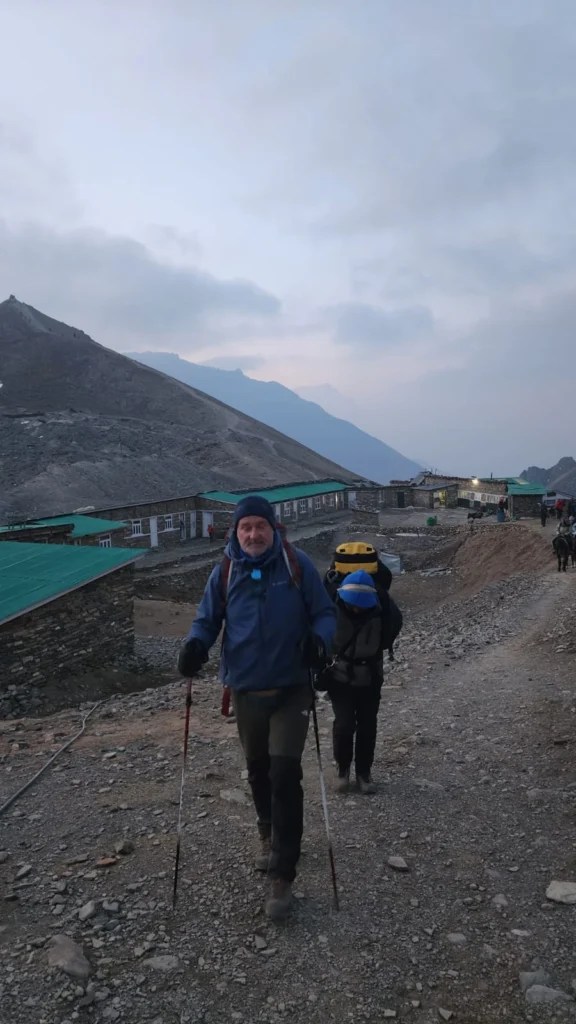
Most trekkers who complete the Annapurna Circuit Trekwith Tilicho Lake safely follow simple altitude rules every day. Walking slowly, taking regular breaks, and never ignoring early symptoms are key to a successful trek. These habits help your body adapt naturally and allow you to enjoy the journey with greater confidence.
Acclimatize Properly in Manang
Spending an extra day in Manang (3,540 m / 11,614 ft) is one of the most important parts of the trek. During this acclimatization day, most trekkers take a short hike to a higher elevation before returning to Manang to sleep. This follows the principle of “climb high, sleep low,” helping the body adapt to thinner air. Skipping this rest day increases the risk of AMS as you continue toward Tilicho Lake.
Ascend Gradually
A slow and steady ascent gives your body time to adjust to decreasing oxygen levels. Avoid climbing too much in a single day, especially after reaching 3,000 meters. The 16-day itinerary gradually increases elevation through Chame, Upper Pisang, Manang, Shree Kharka, and Tilicho Base Camp before reaching the lake. This pace supports better acclimatization and reduces the likelihood of altitude sickness.
Stay Hydrated
Drinking enough water is essential at high altitude because dehydration can make AMS symptoms worse. Aim to drink 3 to 4 liters of water each day, even if you do not feel thirsty. Warm drinks, soups, and herbal teas also help maintain hydration. Avoid waiting until you feel thirsty, as dehydration develops more quickly in the dry mountain air.
Eat Enough Calories
Your body burns more energy at high altitude, so eating regular meals is important even if your appetite decreases. Choose meals that are rich in carbohydrates, such as rice, potatoes, noodles, porridge, and bread, as they provide steady energy for trekking. Eating enough helps your body adjust to altitude and keeps your strength up during long walking days.
Avoid Alcohol and Smoking
Alcohol and smoking can slow your body’s ability to adapt to high altitude. Alcohol also contributes to dehydration and may make AMS symptoms worse. It is best to avoid alcoholic drinks while trekking above 3,000 meters. Limiting smoking is also recommended because it reduces the amount of oxygen available to your body during the trek.
Walk at a Comfortable Pace
Walking too fast is one of the most common mistakes trekkers make. A slow, steady pace allows your heart and lungs to adjust naturally to the thinner air. There is no advantage in reaching the next village first. Trekking comfortably, taking regular breaks, and breathing steadily help conserve energy and reduce the chance of developing AMS.
Sleep Well
A good night’s sleep helps your body recover after each trekking day. At higher elevations, some trekkers experience lighter sleep or wake up more often, which is normal. Staying warm, eating a healthy dinner, drinking enough water, and avoiding alcohol before bed can improve sleep quality. Proper rest supports better acclimatization and prepares your body for the next day’s climb.
Don’t Ignore Symptoms
Never ignore early signs of altitude sickness. A headache, dizziness, nausea, unusual tiredness, or loss of appetite may seem minor, but they can become more serious if you continue climbing. Tell your guide immediately if you feel unwell. Rest at the same altitude, monitor your symptoms, and descend if they worsen. Acting early is the safest way to prevent severe altitude illness.
Why the 16-Day Annapurna Circuit Itinerary Improves Acclimatization
A well-planned itinerary is one of the most effective ways to reduce the risk of altitude sickness. The 16-day Annapurna Circuit Trek with Tilicho Lake is designed to allow gradual elevation gain, proper rest, and safe acclimatization before reaching Tilicho Lake and crossing Thorong La Pass. Instead of rushing to higher elevations, the itinerary gives your body the time it needs to adapt naturally.
Many cases of AMS occur because trekkers try to complete the Annapurna Circuit too quickly. Saving one or two days may seem appealing, but a faster ascent increases the likelihood of headaches, nausea, fatigue, and more serious altitude-related illnesses. A longer itinerary provides a safer and more enjoyable trekking experience while allowing you to appreciate the region’s landscapes and culture.
Acclimatization in Manang
The scheduled acclimatization day in Manang (3,540 m / 11,614 ft) is one of the most important safety features of the 16-day itinerary. Instead of resting completely, trekkers usually take a short hike to a higher viewpoint before returning to Manang to sleep. This “climb high, sleep low” approach helps your body produce more red blood cells and improves oxygen delivery, reducing the risk of AMS before heading toward Tilicho Lake.
Gradual Elevation Gain
The itinerary follows a gradual ascent from Jagat through Dharapani, Chame, Upper Pisang, and Manang before reaching Shree Kharka, Tilicho Base Camp, and finally Tilicho Lake. Daily elevation gains are carefully managed to help your body adapt step by step. This steady progression is much safer than climbing rapidly to high altitude, where the risk of AMS increases significantly.
Why Rushing Increases Risk
Ascending too quickly is the leading cause of altitude sickness. When your body does not have enough time to adjust, oxygen levels in your blood decrease faster than your body can compensate. This may lead to headaches, dizziness, poor sleep, nausea, and exhaustion. Trekkers who rush their itinerary are also more likely to ignore early symptoms because they are focused on staying on schedule rather than protecting their health.
Why 10-Day Itineraries Carry Higher Risk
Some operators offer very short Annapurna Circuit itineraries that reduce trekking days by using additional road transport or eliminating acclimatization time. While these trips save time, they also increase the speed of ascent and leave little opportunity for the body to adapt. As a result, trekkers are more likely to experience AMS, particularly when approaching Tilicho Lake or Thorong La Pass.
Why 16 Days Is Better Than 15 Days for Most Trekkers
For most trekkers, an extra day makes a noticeable difference in comfort and safety. The 16-day itinerary provides a more relaxed pace, allows sufficient acclimatization in Manang, and reduces the pressure to cover long distances every day. It also offers flexibility if weather conditions change or if additional rest is needed. Although the journey takes one day longer, the improved safety, lower AMS risk, and more enjoyable trekking experience make it a worthwhile investment for most visitors.
Diamox and Altitude Medication
Altitude medication can help reduce the risk of altitude sickness, but it should never replace proper acclimatization. The most effective way to stay healthy at Tilicho Lake altitude is still to ascend gradually, stay hydrated, and listen to your body. Medicines such as Diamox may support acclimatization, especially for trekkers with previous altitude-related problems, but they work best when combined with a well-planned itinerary.
Before taking any altitude medication, consult your doctor or a qualified healthcare professional. Everyone responds differently to high altitude, and medical advice should be based on your health history, current medications, and travel plans. Understanding how Diamox works and when it may be appropriate helps you make informed decisions before your trek.
Should You Take Diamox?
Diamox (acetazolamide) is commonly used to help prevent Acute Mountain Sickness by speeding up the body’s natural acclimatization process. It is not mandatory for trekking to Tilicho Lake, and many trekkers complete the journey without taking it. However, your doctor may recommend Diamox if you have experienced altitude sickness before or are considered at higher risk. Even when taking Diamox, you should continue following proper acclimatization practices and never rely on medication alone.
When Should You Start?
If your doctor recommends Diamox, it is commonly started before reaching high altitude and continued during the ascent according to medical advice. The exact timing and dosage vary depending on your individual health and your doctor’s recommendations. Never begin taking altitude medication without professional guidance, and do not increase or change the dosage on your own during the trek.
Side Effects
Like all medicines, Diamox can cause side effects. Some trekkers experience tingling in the fingers or toes, frequent urination, changes in taste, or mild nausea. These effects are usually temporary and vary from person to person. If you experience severe side effects or an allergic reaction, stop taking the medication and seek medical advice immediately. Always carry any prescribed medicines in their original packaging during your trek.
Consult Your Doctor Before Travel
The safest approach is to discuss your trekking plans with your healthcare provider well before traveling to Nepal. Your doctor can evaluate your medical history, explain whether Diamox or another medication is suitable, and advise you on managing any existing health conditions at high altitude. Remember that no medication can guarantee protection against AMS. The best prevention remains a gradual ascent, proper acclimatization, good hydration, and immediate action if symptoms develop.
What Should You Do If You Develop AMS?
If you develop symptoms of Acute Mountain Sickness (AMS), the most important step is to take them seriously. Mild symptoms often improve with rest and proper acclimatization, but continuing to climb can quickly make the condition worse. Early recognition and prompt action are the safest ways to prevent serious altitude illness while trekking to Tilicho Lake.
Never ignore persistent headaches, dizziness, nausea, or unusual fatigue at high altitude. Tell your guide immediately if you feel unwell and avoid ascending until your symptoms improve. If symptoms become severe, descending to a lower elevation is the most effective treatment and should never be delayed.
Mild Symptoms
Mild AMS symptoms include a headache, slight dizziness, fatigue, nausea, loss of appetite, or difficulty sleeping. If you notice these signs, stop ascending and remain at the same elevation. Drink plenty of water, eat light meals, rest, and monitor your condition for several hours. Most trekkers recover after allowing their bodies more time to acclimatize. Only continue the trek once your symptoms have completely resolved.
Moderate Symptoms
Moderate symptoms include a worsening headache, repeated vomiting, increasing weakness, severe dizziness, or difficulty walking normally. These signs indicate that your body is not adapting well to the altitude. Do not continue climbing under any circumstances. Rest immediately, inform your guide, and begin descending if symptoms do not improve within a short period. Continuing upward can significantly increase the risk of developing HAPE or HACE.
Severe Symptoms
Severe altitude illness is a medical emergency. Warning signs include severe shortness of breath while resting, chest tightness, confusion, loss of coordination, unusual behavior, difficulty speaking, or loss of consciousness. These symptoms may indicate High Altitude Pulmonary Edema (HAPE) or High Altitude Cerebral Edema (HACE). Immediate descent is essential, and emergency medical assistance should be arranged without delay.
Emergency Descent
Descending to a lower altitude is the most effective treatment for worsening altitude sickness. Even a descent of 500 to 1,000 meters (1,640 to 3,281 feet) can make a significant difference. Never wait until morning if severe symptoms appear during the night. Your guide will help choose the safest and quickest route to a lower elevation while monitoring your condition throughout the descent.
Helicopter Rescue
If severe AMS, HAPE, or HACE makes walking impossible or weather and terrain prevent a safe descent, a helicopter evacuation may be necessary. Helicopter rescues are available in the Annapurna region, but they should only be used in genuine emergencies. Comprehensive travel insurance that covers high-altitude helicopter rescue and medical evacuation is strongly recommended before starting the trek. Your guide or local authorities can coordinate the rescue if it becomes necessary.
Tilicho Lake Weather and Its Impact on Altitude
Weather plays a major role in how your body responds to high altitude. Cold temperatures, strong winds, snowfall, and rapid weather changes can make trekking more demanding and may increase the effects of altitude. Choosing the right season not only improves trail conditions but also helps reduce the physical stress associated with the Tilicho Lake altitude.
Spring and autumn are generally considered the safest and most comfortable seasons for visiting Tilicho Lake because they offer stable weather and better visibility. Monsoon and winter bring additional challenges such as slippery trails, heavy snowfall, and colder temperatures, which can make trekking more difficult and affect acclimatization.
Spring (March to May)
Spring is one of the best seasons to visit Tilicho Lake. Daytime temperatures are moderate, skies are often clear, and rhododendron forests bloom along the lower sections of the trail. Snow may still remain near Tilicho Base Camp and the lake early in the season, but conditions usually improve by April and May. The stable weather and gradual warming make spring an excellent time for acclimatization and high-altitude trekking.
Monsoon (June to August)
The summer monsoon brings frequent rainfall to the lower Annapurna region, making trails muddy and increasing the risk of landslides. Cloud cover often reduces mountain views, and travel delays are more common. Although the Manang area lies in a rain-shadow region and receives less rainfall, reaching Tilicho Lake can still be affected by unstable weather. Trekkers should carefully monitor forecasts and remain flexible with their itinerary.
Autumn (September to November)
Autumn is widely regarded as the best trekking season for Tilicho Lake. After the monsoon, the air becomes clear, providing outstanding views of the Annapurna and Dhaulagiri ranges. Daytime temperatures are pleasant, nights become colder at higher elevations, and trail conditions are generally excellent. The combination of stable weather and good visibility makes autumn the most popular time for the Annapurna Circuit with Tilicho Lake.
Winter (December to February)
Winter offers peaceful trails and beautiful snow-covered landscapes, but it is also the most challenging season for reaching Tilicho Lake. Heavy snowfall can block the trail to Tilicho Base Camp or make the route unsafe. Temperatures often drop well below freezing at night, increasing the risk of cold-related illnesses and making acclimatization more demanding. Winter treks should only be attempted with experienced guides and flexible travel plans.
How Weather Can Increase AMS Risk
Cold weather, dehydration, poor sleep, and physical exhaustion can make it more difficult for your body to adjust to high altitude. Strong winds and freezing temperatures may also increase energy loss, while storms can delay travel and force trekkers to spend longer at high elevations. Regardless of the season, staying warm, drinking 3–4 liters of water daily, eating enough calories, and following a gradual ascent remain the best ways to reduce the risk of altitude sickness at Tilicho Lake.
Tilicho Lake vs Thorong La Pass: Which Is Harder?
Both Tilicho Lake and Thorong La Pass are major highlights of the Annapurna Circuit, but they present different challenges. Tilicho Lake (4,919 m / 16,138 ft) is famous for its breathtaking alpine scenery and side-trip adventure, while Thorong La Pass (5,416 m / 17,769 ft) is the highest point of the Annapurna Circuit and is widely considered the trek’s most demanding day. Understanding the differences helps you prepare for both sections.
Many trekkers find the hike to Tilicho Lake physically demanding because of its rocky terrain and high altitude. However, crossing Thorong La Pass usually requires a longer walking day, a higher elevation, and an early morning start in freezing temperatures. Both sections require proper acclimatization, but most experienced guides consider Thorong La Pass the greater overall challenge.
Altitude Comparison
Tilicho Lake sits at 4,919 m (16,138 ft), while Thorong La Pass reaches 5,416 m (17,769 ft), making it nearly 500 meters (1,631 feet) higher. This higher elevation means there is even less oxygen available, increasing physical effort and the likelihood of altitude-related symptoms. Although both locations require careful acclimatization, the higher altitude gives Thorong La Pass a greater physiological challenge.
Physical Difficulty
The hike to Tilicho Lake involves a steady climb over rocky trails with some narrow sections below steep slopes. In contrast, crossing Thorong La Pass requires a long uphill ascent followed by a lengthy descent to Muktinath. Trekkers often spend more hours walking on pass day, making it physically more demanding even for experienced hikers. Good endurance and pacing are essential for both sections.
Walking Hours
A round trip from Tilicho Base Camp to Tilicho Lake generally takes 5 to 7 hours, depending on trail conditions and individual pace. Crossing Thorong La Pass usually requires 7 to 9 hours of continuous trekking from High Camp to Muktinath. The longer duration, combined with the higher altitude and cold morning temperatures, makes Thorong La the more exhausting trekking day.
AMS Risk
Both Tilicho Lake and Thorong La Pass are located above 4,500 meters, placing them in the very high AMS risk zone. However, Thorong La Pass presents a slightly higher risk because of its greater elevation. Trekkers who follow a gradual itinerary with proper acclimatization in Manang significantly reduce the likelihood of developing altitude sickness during both sections of the trek.
Which Day Is More Challenging?
For most trekkers, Thorong La Pass is the more challenging day. The combination of a higher altitude, longer trekking hours, colder temperatures, and a significant climb before sunrise makes it the toughest section of the Annapurna Circuit. Tilicho Lake is still physically demanding, but the shorter distance and the opportunity to return to a lower sleeping altitude after the hike make it slightly easier for most people.
Comparison Table
| Factor | Tilicho Lake | Thorong La Pass |
| Elevation | 4,919 m (16,138 ft) | 5,416 m (17,769 ft) |
| Walking Hours | 5–7 hours (round trip) | 7–9 hours |
| Terrain | Rocky trail, steep sections, alpine lake approach | Long uphill climb, high mountain pass, extended descent |
| AMS Risk | Very High | Very High (Higher than Tilicho Lake due to elevation) |
| Main Challenge | High altitude and rocky terrain | Higher altitude, longer trekking day, colder conditions |
| Difficulty | Challenging | More Challenging |
Common Mistakes That Increase Altitude Sickness Risk
Most cases of altitude sickness are not caused by poor fitness but by avoidable mistakes during the trek. Many trekkers become too focused on reaching Tilicho Lake or Thorong La Pass and ignore the basic rules of acclimatization. Understanding these common mistakes can significantly reduce your risk of AMS and make your trek safer and more enjoyable.
The good news is that most altitude-related problems can be prevented through careful planning and sensible trekking habits. Walking at a steady pace, staying hydrated, eating enough, and listening to your body are simple but effective ways to improve acclimatization. Avoiding the following mistakes will help you enjoy the Tilicho Lake trek with greater confidence.
Trekking Too Fast
Walking too quickly is one of the biggest causes of altitude sickness. Many trekkers try to keep a fast pace or compete with others on the trail, forcing their bodies to gain elevation before they have properly acclimatized. A slow and steady pace allows your heart and lungs to adjust naturally to lower oxygen levels. Remember, high-altitude trekking is about endurance, not speed.
Skipping Acclimatization
Skipping the acclimatization day in Manang is one of the most serious mistakes a trekker can make. This extra day gives your body time to adapt before climbing above 4,000 meters. Missing this important rest day may save time, but it greatly increases the risk of AMS. Proper acclimatization is one of the main reasons why the 16-day Annapurna Circuit itinerary is considered safer than shorter alternatives.
Dehydration
The dry mountain air causes your body to lose water more quickly through breathing and physical activity. Even mild dehydration can worsen headaches, fatigue, and other AMS symptoms. Drink 3–4 liters of water daily, along with soups or herbal tea, to stay properly hydrated. Avoid waiting until you feel thirsty, as thirst is often a late sign of dehydration at high altitude.
Ignoring Symptoms
Many trekkers dismiss early AMS symptoms, hoping they will disappear on their own. A mild headache, dizziness, nausea, or unusual tiredness should never be ignored. Inform your guide immediately and remain at the same altitude until symptoms improve. Continuing to climb despite these warning signs can lead to serious altitude illnesses such as HAPE or HACE.
Poor Nutrition
Your body needs more energy at high altitude because it works harder with less oxygen. Skipping meals or eating too little reduces your energy levels and slows acclimatization. Choose carbohydrate-rich foods such as rice, potatoes, noodles, porridge, and bread, which provide steady energy for long trekking days. Eating regularly also helps your body cope with the physical demands of high-altitude trekking.
Drinking Alcohol at High Altitude
Alcohol increases dehydration and may interfere with your body’s ability to acclimatize. It can also make it more difficult to recognize the early symptoms of altitude sickness because some effects are similar. Most trekking guides recommend avoiding alcohol entirely after reaching higher elevations, particularly above Manang, until you have safely descended to lower altitudes.
Carrying an Overloaded Backpack
A heavy backpack increases physical strain, causing you to tire more quickly and making high-altitude trekking feel even harder. Carry only essential items in your daypack and let your porter transport the rest of your luggage if possible. A lighter load allows you to maintain a comfortable pace, conserve energy, and reduce unnecessary stress on your body during the climb to Tilicho Lake and Thorong La Pass.
Expert Advice from Wilderway Trekking Guides
High-altitude trekking is safest when you are supported by experienced local guides who understand the terrain, weather, and early signs of altitude sickness. At Wilderway Trekking, our guides prioritize your health over reaching the destination. Every itinerary is designed to encourage gradual acclimatization, and every decision on the trail is made with safety in mind.
Years of guiding trekkers through the Annapurna region have shown that early action prevents most altitude-related problems. Our team continuously monitors each trekker’s condition, encourages healthy trekking habits, and is prepared to respond quickly if AMS symptoms develop. This proactive approach helps create a safer and more enjoyable journey to Tilicho Lake.
How Our Guides Monitor AMS
Our licensed trekking guides watch for the early signs of altitude sickness throughout the trek. They regularly ask about headaches, dizziness, nausea, sleep quality, appetite, and overall energy levels. Even mild changes in a trekker’s condition are taken seriously. If necessary, guides adjust the pace, recommend additional rest, or advise against further ascent until symptoms improve, helping reduce the risk of more serious altitude illnesses.
Daily Health Checks
Daily health checks are a normal part of guided high-altitude trekking. Each morning and evening, guides speak with trekkers about how they are feeling and monitor for any symptoms of AMS. This simple routine helps identify potential problems before they become serious. Early detection allows guides to make informed decisions about the day’s trekking plan and ensure everyone remains safe throughout the journey.
Recommended Hydration Strategy
Our guides encourage trekkers to drink 3–4 liters of water every day, even when they do not feel thirsty. Regular hydration is combined with warm soups, herbal teas, and balanced meals to support acclimatization. Guides also remind trekkers to avoid excessive caffeine and alcohol at higher elevations, helping the body adjust more effectively to the reduced oxygen levels found near Tilicho Lake and Thorong La Pass.
Emergency Response Procedures
If a trekker develops moderate or severe AMS symptoms, our guides immediately follow established emergency procedures. Depending on the situation, this may include stopping the ascent, descending to a lower elevation, arranging additional support, or coordinating a helicopter evacuation if medically necessary. Every decision is based on the trekker’s condition, weather, trail access, and overall safety, with health always taking priority over completing the itinerary.
Why a Proper Itinerary Matters
A carefully planned itinerary is one of the most valuable safety measures on any high-altitude trek. Our 16-day Annapurna Circuit Trek with Tilicho Lake includes gradual elevation gain, a dedicated acclimatization day in Manang, and realistic daily walking distances. This balanced schedule gives your body the time it needs to adapt naturally, reducing the likelihood of AMS while allowing you to fully enjoy one of Nepal’s most spectacular trekking adventures.
Final Thoughts: Can You Safely Trek to Tilicho Lake?
Yes, most trekkers can safely reach Tilicho Lake (4,919 m / 16,138 ft) with the right preparation, a gradual itinerary, and proper acclimatization. While the Tilicho Lake altitude presents a real challenge, altitude sickness is not inevitable. Understanding the risks, recognizing early symptoms, and following safe trekking practices greatly improve your chances of completing the journey successfully.
The key to a safe and rewarding experience is allowing your body enough time to adapt to the thinner mountain air. Choosing a well-designed itinerary, trekking with experienced guides, staying hydrated, and avoiding unnecessary risks will help you enjoy one of Nepal’s most spectacular alpine destinations with confidence.
If You’re a First-Time Trekker
First-time trekkers can visit Tilicho Lake successfully if they prepare well and choose a gradual itinerary. You do not need mountaineering experience, but good physical fitness, realistic expectations, and proper acclimatization are essential. Walking at a comfortable pace and following your guide’s advice are far more important than trekking speed.
If You’re Concerned About Altitude
If altitude sickness is your biggest concern, do not let it discourage you from visiting Tilicho Lake. Most AMS cases are mild and can be prevented by ascending gradually, staying hydrated, eating well, and resting when necessary. Listening to your body and never ignoring symptoms are the most effective ways to stay safe throughout the trek.
If You Follow a Proper Acclimatization Plan
A carefully planned acclimatization schedule dramatically improves your chances of completing the trek without serious altitude problems. Spending an extra day in Manang, following the principle of “climb high, sleep low,” and avoiding rapid elevation gain allow your body to adapt naturally. These simple strategies make high-altitude trekking significantly safer and more enjoyable.
Our Recommendation
If you want to experience one of Nepal’s highest alpine lakes while minimizing the risks of high-altitude trekking, choose an itinerary that prioritizes safety over speed. The Annapurna Circuit Trek with Tilicho Lake – 16 Days provides gradual elevation gain, a dedicated acclimatization day in Manang, and experienced local guides who monitor your health throughout the journey. With careful preparation and responsible trekking practices, you can confidently enjoy the turquoise waters of Tilicho Lake and the unforgettable landscapes of the Annapurna region.
Frequently Asked Questions
What is the altitude of Tilicho Lake?
Tilicho Lake is located at 4,919 meters (16,138 feet) above sea level in Nepal’s Annapurna Conservation Area. At this elevation, oxygen levels are significantly lower than at sea level, making proper acclimatization essential. Most trekkers visit the lake as part of the Annapurna Circuit Trek with Tilicho Lake after spending an acclimatization day in Manang.
Is Tilicho Lake higher than Everest Base Camp?
No. Tilicho Lake (4,919 m / 16,138 ft) is lower than Everest Base Camp (5,364 m / 17,598 ft). However, Tilicho Lake is still high enough for trekkers to experience Acute Mountain Sickness (AMS). Following a gradual itinerary and allowing enough time for acclimatization are just as important here as they are in the Everest region.
Can beginners visit Tilicho Lake?
Yes. Beginners with a reasonable level of fitness can trek to Tilicho Lake if they follow a properly planned itinerary with adequate acclimatization. The route does not require technical climbing skills, but it does involve long walking days, steep mountain trails, and high altitude. Trekking with an experienced local guide is highly recommended.
Will everyone get altitude sickness?
No. Altitude sickness can affect anyone regardless of age or fitness level, but not every trekker develops symptoms. Your risk depends on how quickly you gain elevation, how well your body acclimatizes, and whether you follow safe trekking practices. Walking slowly, staying hydrated, and resting in Manang significantly reduce the risk.
Is Diamox necessary for the Tilicho Lake trek?
Diamox is not essential for every trekker, but some people use it to help prevent altitude sickness after consulting their doctor. It should never replace proper acclimatization, hydration, or a gradual ascent. If you have previously experienced AMS or have concerns about high altitude, seek medical advice before your trek.
How many acclimatization days do I need?
For most trekkers, one full acclimatization day in Manang (3,540 m / 11,614 ft) is recommended before continuing toward Tilicho Lake. This rest day gives your body time to adapt to higher elevations and helps lower the risk of altitude sickness during the most demanding sections of the trek.
Can I sleep at Tilicho Lake?
No. There are no lodges or overnight facilities at Tilicho Lake. Trekkers usually stay at Tilicho Base Camp (4,150 m / 13,615 ft), hike to the lake early in the morning, spend a short time enjoying the scenery, and then return to the base camp or continue back toward the Annapurna Circuit trail.
What is the safest itinerary for Tilicho Lake?
A 16-day Annapurna Circuit Trek with Tilicho Lake is one of the safest itineraries because it includes gradual elevation gain, a dedicated acclimatization day in Manang, and realistic daily trekking distances. This approach gives your body enough time to adjust naturally before reaching Tilicho Lake and crossing Thorong La Pass, reducing the risk of altitude sickness while making the trek more enjoyable.