

- 132 Views
- 4 Min Read
- (0) Comment
Introduction: Why Langtang Region Is Nepal’s Most Underrated Himalayan Treasure
The Langtang region of Nepal is one of the closest Himalayan trekking destinations from Kathmandu—yet it remains quieter and more authentic than Everest or Annapurna.
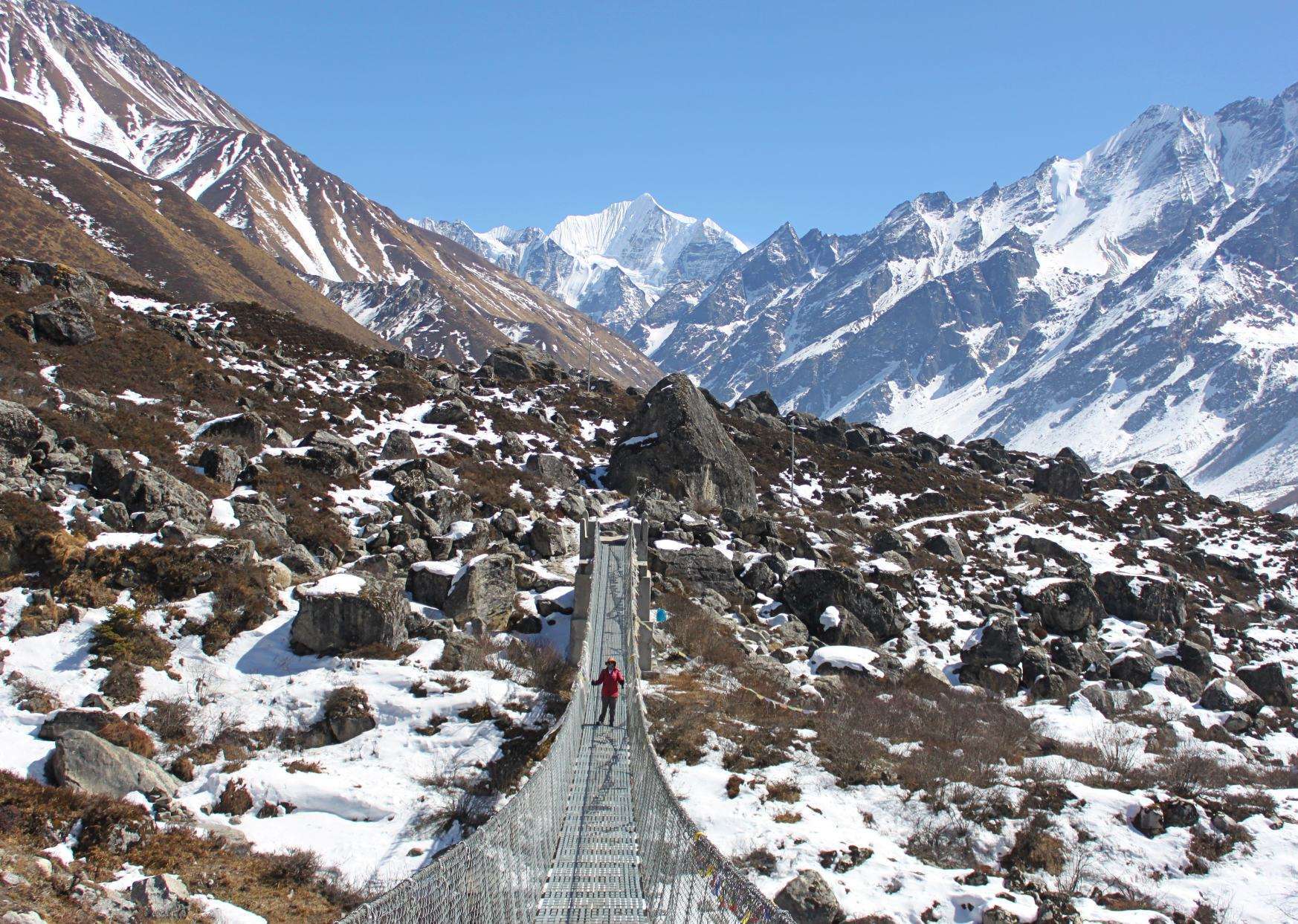
Located north of Kathmandu and bordering Tibet, the region is home to dramatic mountain views, ancient Tamang culture, sacred alpine lakes, dense bamboo forests, and rare wildlife like the red panda.
If you want a Himalayan experience without extreme crowds, Langtang offers:
- Short access from Kathmandu
- Diverse trekking routes
- Rich biodiversity
- Deep cultural immersion
- Authentic village stays
This guide covers everything: geography, trekking routes, wildlife, culture, conservation, permits, and why Langtang is perfect for 2026 adventures.
Where Is the Langtang Region?
The Langtang region lies inside Langtang National Park, Nepal’s first Himalayan national park, established in 1976.
It stretches north of Kathmandu and borders Tibet (China). The gateway to the region is Syabrubesi, about 7–8 hours by road.
Geographic Highlights:
- Elevation range: 1,000 m to over 7,200 m
- Major peak: Langtang Lirung (7,227 m)
- Sacred lakes: Gosaikunda
- Glacial valleys and high mountain passes
Because of this elevation diversity, Langtang offers subtropical forests, alpine meadows, glaciers, and snow peaks—all in one region.
Langtang Trekking Routes Explained
One major weakness in competitor blogs is that they only mention Langtang Valley. To build topical authority, we must cover all sub-regions.
1. Langtang Valley Trek
The classic route.
Perfect for moderate trekkers.
Highlights:
- Bamboo and rhododendron forests
- Tamang villages
- Kyanjin Gompa monastery
- Langtang glacier views
Duration: 7–10 days
Difficulty: Moderate
2. Gosaikunda Lake Trek
This trek centers around the sacred high-altitude lake.
Gosaikunda is holy to Hindus and Buddhists and is especially busy during Janai Purnima festival.
Duration: 6–9 days
Difficulty: Moderate to challenging
3. Tamang Heritage Trail
Less crowded and culturally rich.
You experience:
- Traditional stone houses
- Local hot springs
- Authentic Tamang hospitality
Duration: 5–7 days
Difficulty: Easy to moderate
4. Langtang–Helambu Circuit
A longer, immersive Himalayan journey connecting multiple valleys.
Best for trekkers wanting fewer crowds and deeper wilderness.
Wildlife of Langtang Region
Langtang is one of Nepal’s most biodiverse protected areas.
Mammals:
- Red Panda
- Himalayan black bear
- Snow leopard (rare, high altitude)
- Musk deer
- Himalayan tahr
Birds:
Over 250 bird species, including the Himalayan monal and pheasants.
The red panda thrives in bamboo forests between 2,200 and 4,800 meters, making Langtang one of the best places in Nepal for ethical wildlife trekking.
Culture of the Langtang Region
The region is home primarily to the Tamang community.
Their culture reflects strong Tibetan Buddhist influence:
- Prayer wheels and mani walls
- Monasteries like Kyanjin Gompa
- Yak herding traditions
- Traditional cheese production
Unlike Everest, which has become heavily commercialized, Langtang still feels culturally intact.
The 2015 Earthquake and Langtang’s Resilience
In April 2015, a devastating earthquake triggered avalanches that buried Langtang village.
The region has since rebuilt with stronger infrastructure and renewed commitment to sustainable tourism.
Today, trekking here supports local recovery and community livelihoods directly.
Best Time to Visit Langtang Region
Spring (March–May)
- Rhododendrons bloom
- Clear mountain views
- Excellent wildlife activity
Autumn (September–November)
- Stable weather
- Peak trekking season
- Best visibility
Winter is possible but cold.
The monsoon brings leeches and limited mountain views.
Langtang Permits & Travel Logistics
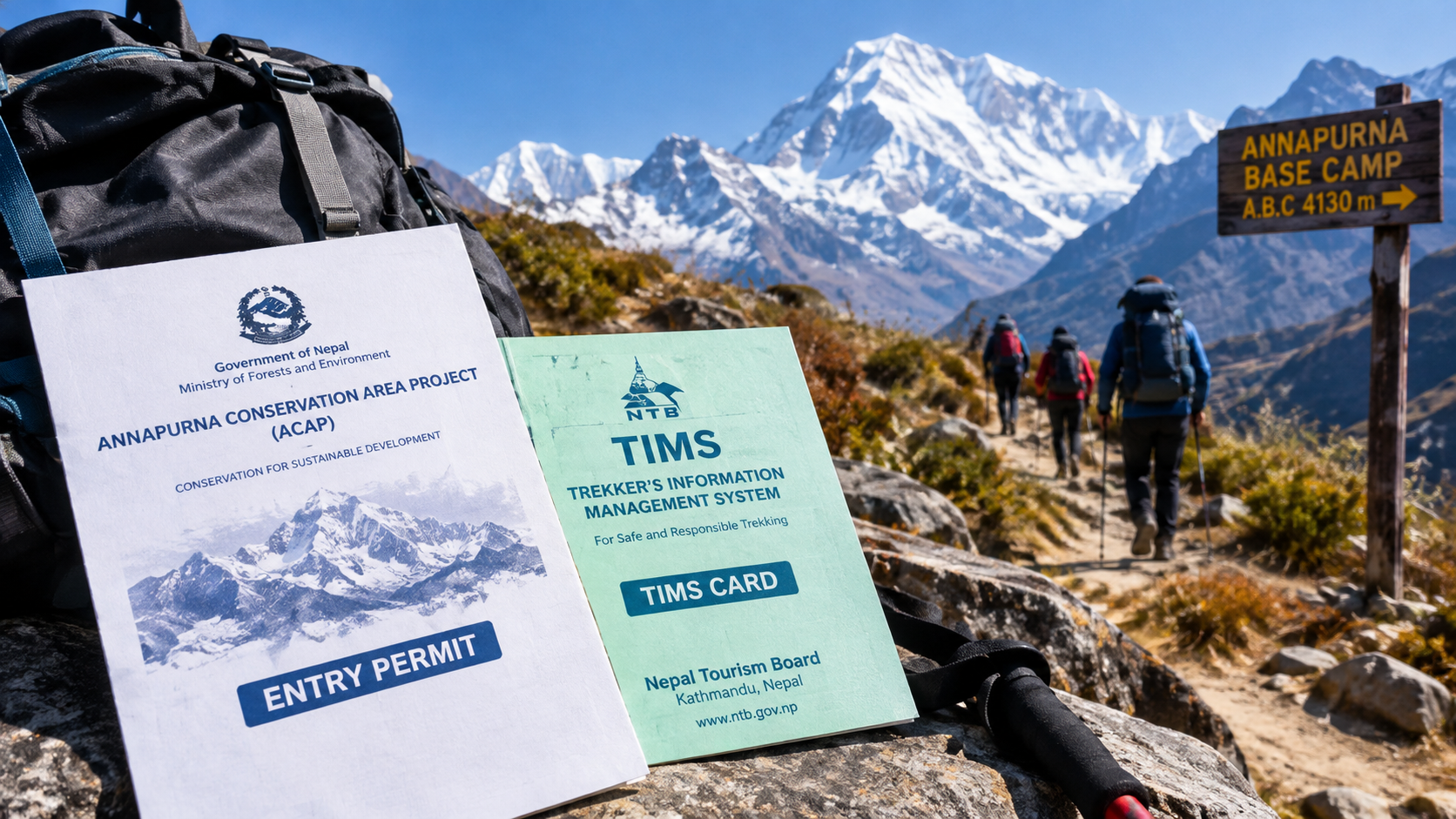
To trek in the Langtang region, you need:
- Langtang National Park Entry Permit
- TIMS Card
Access:
Kathmandu → Syabrubesi by jeep or bus (7–8 hours).
Accommodation:
Tea houses with basic but comfortable rooms. Most serve dal bhat, noodles, soups, pancakes, and Tibetan bread.
Why Langtang Is Better Than Everest for Many Trekkers
| Feature | Langtang | Everest |
|---|---|---|
| Distance from Kathmandu | Close | Requires flight |
| Crowds | Low to moderate | High |
| Cost | Affordable | Expensive |
| Cultural immersion | Strong | Commercialized |
| Wildlife | High | Limited |
Langtang offers a raw, authentic Himalayan feel without logistical complications.
Frequently Asked Questions
Is the Langtang trek difficult?
The Langtang Valley trek is moderate and suitable for beginners with basic fitness.
How many days do you need for Langtang?
7–10 days is ideal for Langtang Valley. Longer routes take 12–14 days.
Is Langtang safe after the earthquake?
Yes. Trails, lodges, and infrastructure have been rebuilt and are safe for trekking.
Can you see red pandas in Langtang?
Yes, but sightings are rare. Hiring a local guide increases chances.
Why Choose Wilderway for Langtang Region Trekking?
Wilderway focuses on:
- Small group departures
- Local expert guides
- Responsible wildlife practices
- Cultural respect
- Sustainable tourism
We go beyond standard itineraries and design immersive Langtang journeys tailored to your pace and interests.
Final Thoughts: Langtang Is Nepal’s Hidden Himalayan Gem
The Langtang region combines mountains, culture, wildlife, spirituality, and accessibility in one compact Himalayan experience.
For trekkers who want authenticity over crowds, biodiversity over commercial routes, and cultural depth over luxury—Langtang is the perfect choice.
And 2026 is the perfect year to explore it before it becomes the next Everest.
Leave a comment: