


- 187 Views
- 11 Min Read
- (0) Comment
You know those adventures that end up being totally different from what you pictured? That’s exactly how the Langtang Valley trek surprised me. If you’ve ever scrolled through dreamy photos and read about hiking in Nepal, you might think you know what you’re in for. But nothing preps you for the actual wildness—the rough road rides, the villages rebuilt after tragedy, or the honest-to-goodness hospitality in teahouse kitchens.
Maybe you’re planning your first Himalayan trek, or just want an escape from the madness of city life. Either way, Langtang has a way of humbling and helping you feel at home all at once. Also, it’s right near Kathmandu—so you get massive mountains and cultural depth, but without crazy logistics or weeks away. Plus, being on the trail means living simply: layered clothes, shaky wooden bridges, hot soup, and those golden-hour mountain views that almost make you cry.
I hadn’t realized how much the valley would challenge, delight, and change me—physically, for sure, but it’s the little moments that stuck. Want to know what really goes down on Nepal’s “Valley of Glaciers” trek, beyond the glossy guides? Here’s what I wish someone had told me before I laced up my boots.
Planning and Preparation for the Langtang Valley
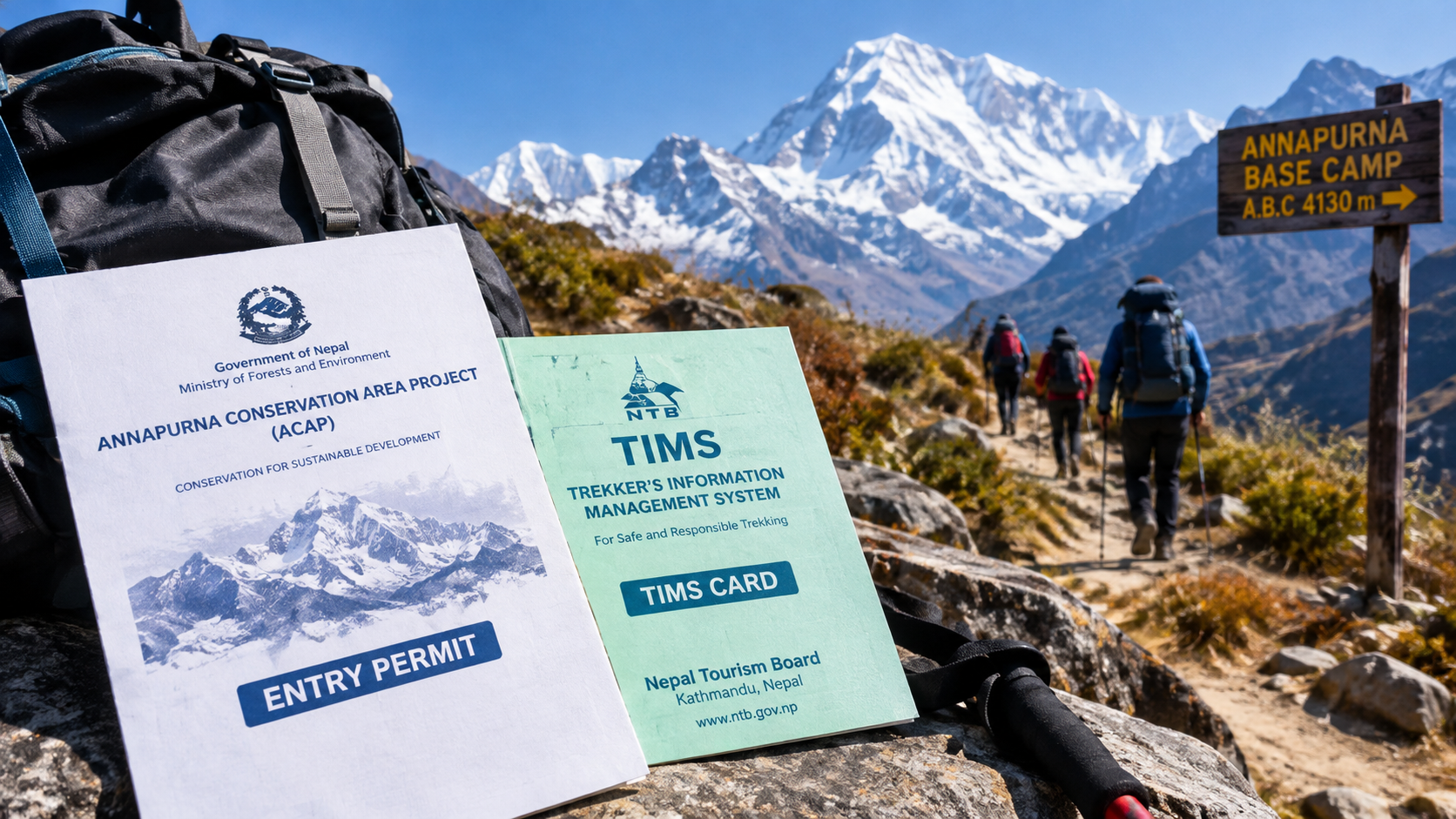
Let’s dive into what you actually need to sort out before heading off. Since 2023, it’s required to hire a licensed guide for the Langtang trek—no more solo trips, officially. You’ll need two permits: the Trekking Information Management System (TIMS) card and a Langtang National Park EntryPermit. Both are easily arranged in Kathmandu, but don’t wait until the last minute. The TIMS card costs around 2000 rupees, with the park permit adding another 3000 rupees for foreign trekkers. Have a few passport photos ready, too.
The best seasons for Langtang are spring (March-May) and autumn (September-November). During these months, you get clear skies, blooms, great mountain views, and—the big one—open lodges. Winter can be stunningly quiet but harsh, with snow sometimes making higher sections impassable. Monsoon, from June to August, is rainy, leech-slick, and often blocked by landslides. Always ask about current trail conditions before leaving Kathmandu—Langtang’s roads and tracks shift with the weather.
You’ll start your journey from Syabrubesi, about 6-9 hours north of Kathmandu by rough, twisty road. You can grab the public bus for a budget ride, trading comfort for the thrill of bumping elbows with locals (and dust). Shared or private jeeps cost more but save you from sore backsides and shave off some travel time.
Pack with smart layers in mind: base layers, fleece, waterproof jacket, and something extra warm for the chilly teahouse nights (it can drop well below freezing up high). Sturdy hiking boots, a sleeping bag rated for cold, trekking poles, power bank, a good map or offline GPS, and a basic medical kit are musts. Oh, and bring toilet paper and a water filter—trust me. Teahouses offer blankets but not always enough to keep you toasty.
Consider hiring a porter if you want to keep your pack light or just enjoy the trail fully. Local guides offer not just directions, but cultural stories and, honestly, they know which teapots are always hot and where grandma controls the kitchen. Since guides are now mandatory, finding one supports the community and helps you make connections you couldn’t on your own.
Once you have those basics sorted, you’re ready to tackle the trail itself and all the unpredictabilities it throws at you.
Trail and Trekking Experience on Langtang Valley Route
Your first taste of the trail comes with long days and dramatic scenery. Most folks take 6-9 days for the standard out-and-back trek between Syabrubesi and Kyanjin Gompa. The route itself is about 65-80 kilometers, depending on side trips like Kyanjin Ri or Tserko Ri.
The lower valley starts lush—with bamboo forests, fluttering prayer flags, and the sound of roaring rivers. Switchbacks lift you out of subtropical woodlands and into open alpine meadows sprinkled with yak dung and tiny wildflowers. Early days have you winding through village clusters: you’ll hit Lama Hotel, Ghoda Tabela, Langtang Village, then Mundu, and eventually the yak-bell-lined lanes of Kyanjin Gompa.

Each day’s hiking ranges from 5-7 hours, with gradual but serious altitude gain. The climb is steady—sometimes gentle, sometimes steep enough to get you gasping, especially between Bamboo and Lama Hotel. Don’t underestimate the grind; the altitude sneaks up on you as you push above 3000 meters. Kyanjin Gompa sits at 3870 meters, and if you do the side hikes—Kyanjin Ri (4773m) or Tserko Ri (about 5000m)—you’ll feel every meter in your breathing and legs.
The trail feels different each day, from riverside stumbles to snowfields where trekking poles become vital. Suspension bridges might give you a thrill, and in peak season, you’ll cross paths with trekkers from everywhere. Weather is its own adventure—clear skies can shift to snow or clouds in one afternoon, especially in shoulder months. Watch for current conditions, since late snow or monsoon mud can force detours.
Despite ups and downs, the trek is moderate in difficulty. No technical climbing, but day-after-day mileage and thin air mean you should pace yourself, hydrate, and never be shy about taking long tea breaks. Honestly, it’s not a race—the best moments come when you slow down and pay attention to what’s going on in the valley.
Cultural Insights and Local Experiences in the Langtang Valley
Now, this is where the trek really sets itself apart. The Langtang Valley is home to the Tamang people, whose traditions run deep and are closely tied to Tibetan Buddhism. Winding through hamlets like Langtang and Kyanjin Gompa, you’ll see mani stone walls etched with prayers, colorful prayer flags fluttering above shrines, and ancient monasteries echoing with chanting monks.
Hospitality here means something special—teahouse owners often treat guests like family, with snowy-cheeked kids peeking in on your meals and elders sharing stories after dinner. The dining room stove is the social center; don’t be surprised if you join a spontaneous dance, or if the chef invites you to taste their homemade yak cheese. The cheese factory in Kyanjin Gompa is legendary—stop by for a sample and watch the yak herders at work.
The valley has scars, too. In 2015, a devastating earthquake and landslide buried Langtang Village. Since then, the community has rebuilt with grit and resilience. You’ll pass memorials with the names of locals and trekkers lost, and the sense of loss—and strength—lingers in conversations and rebuilt lodges. For many, that moment of quiet at the memorial is the most moving part of the journey.
Family ties stretch across the valley: teahouse owners often recommend cousins’ or siblings’ places in the next village, and there’s a real sense of looking out for each other. As you move higher, daily routines revolve around yak and cattle herding, planting small fields, and hand-churning cheese. Guests are invited to help, or at least watch, if they’re curious.
Embrace those cultural moments—they’re every bit as memorable as the mountain views and the reason many people fall in love with Langtang.
Accommodation, Food, and On-Trail Amenities
Let’s be honest: teahouses are basic but cozy, and there’s something satisfying about their simplicity. Every village has several options, usually run by local families who take pride in their service. Most offer small private rooms or shared dorms with wooden beds, a couple heavy blankets, and sometimes a pillow. Heating, when available, comes from the dining room stove—leave your boots nearby overnight and they’ll be almost dry by morning.
Bathrooms are a mix of Western and squat toilets, usually shared, and hot showers are hit-or-miss. Where you find them, expect to pay extra or wait your turn. Electricity and Wi-Fi exist in some spots, but don’t count on either past lower villages. A portable charger is a lifesaver.
Menus tend to repeat: breakfast is porridge, eggs, pancakes, or Tibetan bread; lunch and dinner options often rotate between dal bhat (rice, lentil soup, veg curry with unlimited refills!), fried noodles, momos, and potato dishes. High up, yak cheese, fresh baked bread, and seabuckthorn juice are local treats. Prices rise with altitude—think 500-900 rupees for meals or 400-1000 rupees per night for rooms. Buying snacks or bottled water along the way gets expensive fast, so bring a water filter or purification method to fill up at lodges or streams.
You’ll pay cash for most things, so withdraw enough in Kathmandu—ATMs along the trail are rare and often out of service. You might bargain a little for rooms outside of peak season, but meals are usually fixed price. Don’t get too hung up on luxury; you’re here for the warmth around the stove and a good night’s rest before another big day.
Highlights and Challenges of the Langtang Valley Trekking Experience
So what are the best (and hardest) bits? The cinematic views from Kyanjin Ri and Tserko Ri are worth every step—the panorama is wild: Langtang Lirung gleaming above jagged ridges, with distant glaciers and piles of prayer flags marking your achievement. Sunrises from the high points are especially magical, painting the valley with copper and gold.
The wildlife can surprise you: Himalayan tahrs bounding across a slope, langur monkeys swinging above the river, and, if you’re lucky, a glimpse of musk deer or even the elusive red panda. Most sightings happen in the forested lower sections, so keep your eyes peeled.
Altitude is a challenge for everyone, regardless of fitness. Even strong trekkers get headaches, shortness of breath, or sleepless nights. Go slow, drink water constantly, and mention any symptoms to your guide—not worth ‘toughing out’ something serious. Weather is a wild card: in spring, blizzards can close high trails; in autumn, sudden clouds roll in and cover those famous peaks within minutes. Landslides sometimes reroute the trail, especially after heavy rain.
Socially, the atmosphere is special—meals with strangers who become friends, laughter around the dinner stove, and the comfort of a guide who notices when you’re struggling but don’t want to admit it. At times, teahouses can fill up fast in peak season, so booking ahead or arriving early helps. The road in and out adds another ‘adventure within an adventure’—those bumpy hours in the jeep are unforgettable, for better or worse!
Through all these highs and lows, it’s the emotional moments—the rebuilt villages, quiet shrines, and resilient smiles—that stick with you. That’s the real heart of the Langtang trek, and what makes it more than just another hike.
Let’s wrap up with what really matters about trekking Langtang Valley. This isn’t just a checklist of mountain highlights or a race to the next village. It’s about building resilience, connecting with Tamang communities, and embracing a journey marked by hospitality and hope.
You’ll face bumpy roads, wild weather, and the tests of altitude. But you’ll also find real friendships, meaningful memories at earthquake memorials, and a new respect for what locals have rebuilt here. That blend of natural beauty and personal story is what makes Langtang different. So, if you’re even halfway thinking about it, get your permits, pack your layers, and jump in—adventure is waiting, even if it’s not exactly what you expected.If you prefer a hassle-free experience, consider joining Langtang Vallry Trek led by experienced local guides.
Frequently Asked Questions
Do I need a guide for the Langtang Valley trek now?
Yes, as of 2023, all trekkers must hire a licensed guide for the Langtang Valley trek. This rule is enforced to improve safety and support local communities.
How much cash should I bring for the trek?
You should budget around 3000-3500 rupees per day for meals and accommodation, plus extra for permits, snacks, transport, and any emergencies. There are few or unreliable ATMs along the route, so bring enough Nepali rupees from Kathmandu.
When is the best time to go trekking in Langtang Valley?
The best seasons are autumn (September-November) and spring (March-May) for clear weather, stable trails, and open teahouses. Winter can be cold and snowy; monsoon (June-August) is risky due to rain and landslides.
What are the biggest risks and how can I stay safe?
Altitude sickness is the main risk. Acclimatize slowly, hydrate well, and watch for symptoms like headaches and nausea. Weather changes fast, so pack layers and check forecasts. Always follow your guide’s advice for the safest experience.
What is accommodation like on the trail?
You’ll mostly stay in simple teahouses or guesthouses with basic beds and shared bathrooms. Hot showers, Wi-Fi, and electricity may be available in some places for a small fee, but not everywhere and not always reliable.
Can I drink the water on the Langtang trek?
Tap or stream water is not safe to drink untreated. Bring a water filter, purification tablets, or buy bottled water at teahouses (more expensive at higher altitudes). Staying hydrated is essential, so plan ahead for safe drinking water.
Leave a comment: