

- 152 Views
- 3 Min Read
- (0) Comment
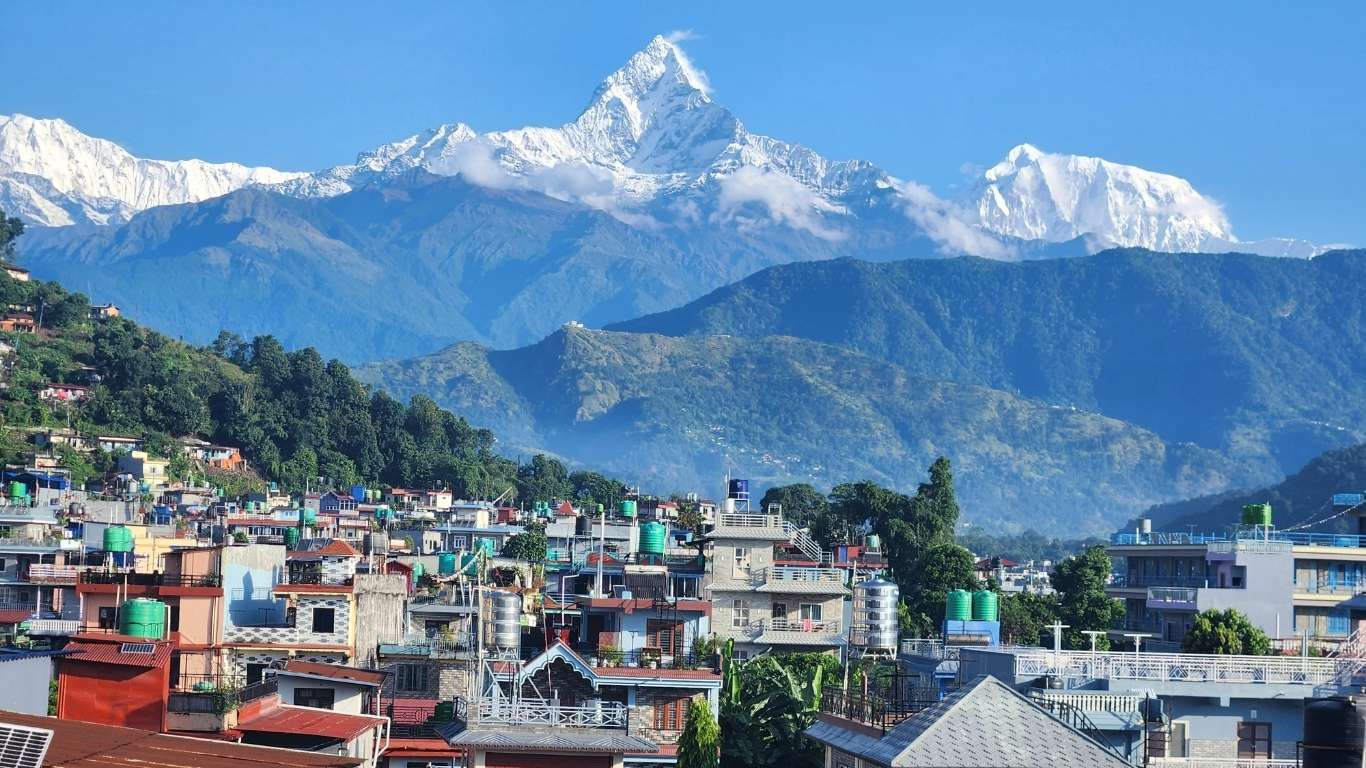
Nepal Tourism Guide: Nepal is one of the few destinations where adventure, culture, and responsible travel exist naturally together. For travelers from the United States, Nepal offers an experience that feels genuine—far from crowded tourism circuits and mass-produced travel.
From Himalayan trekking routes to ancient cities and rural villages, Nepal rewards travelers who want meaningful journeys, not just photos.
Adventure Travel in Nepal
Nepal is internationally known for trekking, but adventure here goes far beyond reaching high altitudes.
Trekking in the Himalayas
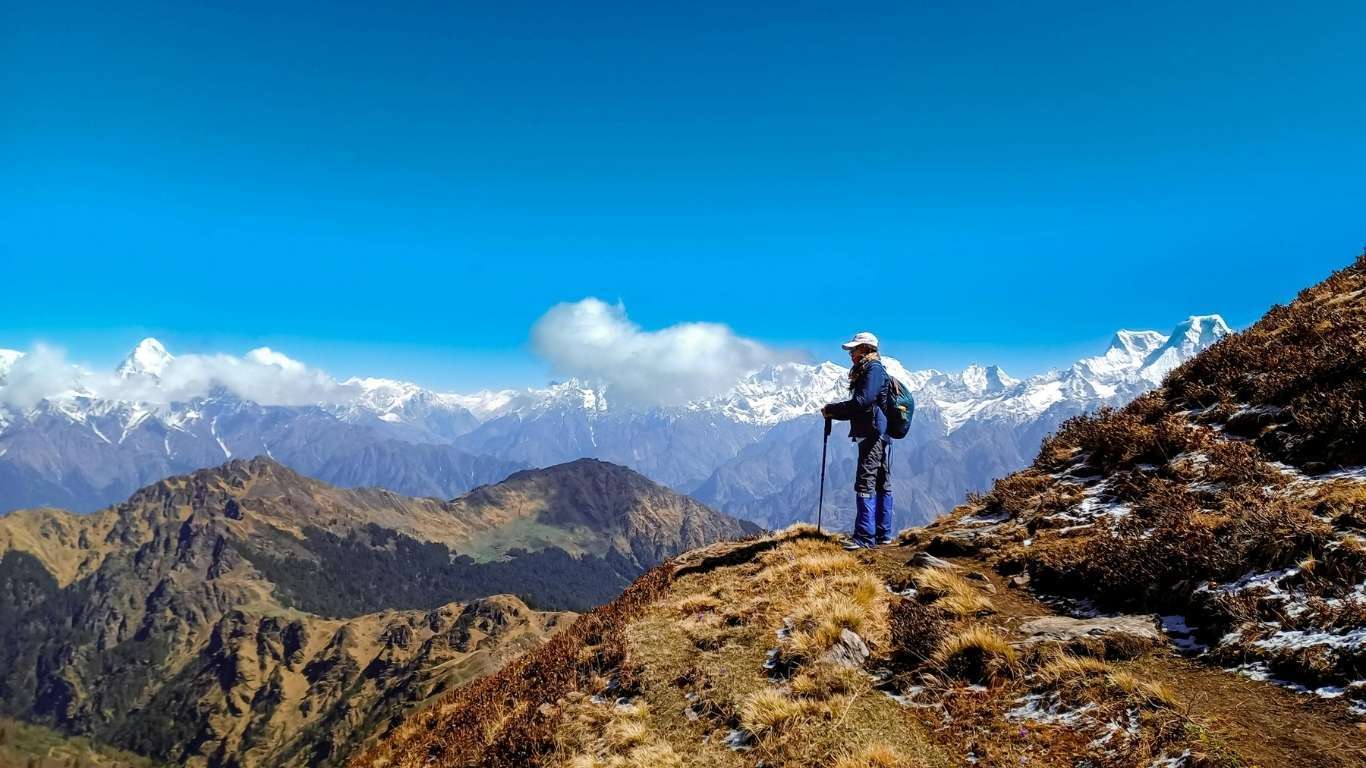
Nepal is home to the world’s most iconic trekking routes, suitable for both first-time trekkers and experienced hikers.
Top trekking regions include:
- Everest Region – Classic Himalayan landscapes and Sherpa culture
- Annapurna Region – Diverse scenery, villages, and flexible itineraries
- Langtang Region – Less crowded trails with strong cultural depth
- Off-the-Beaten-Path Routes – Khopra Danda, Upper Mustang, and remote community trails
Tea house trekking allows travelers to stay in locally run lodges, keeping travel comfortable while supporting local families.
Other Adventure Experiences
In addition to trekking, Nepal offers:
- White-water rafting on Himalayan rivers
- Jungle safaris in Chitwan and Bardia National Parks
- Paragliding in Pokhara
- Mountain biking and village walking tours
Adventure in Nepal feels personal and grounded, not rushed or commercial.

Cultural Experiences in Nepal
Culture is part of everyday life in Nepal, not something staged for visitors.
Historic Cities and Sacred Sites
The Kathmandu Valley is rich in UNESCO World Heritage Sites, including:
- Pashupatinath Temple
- Boudhanath and Swayambhunath Stupas
- Bhaktapur and Patan Durbar Squares
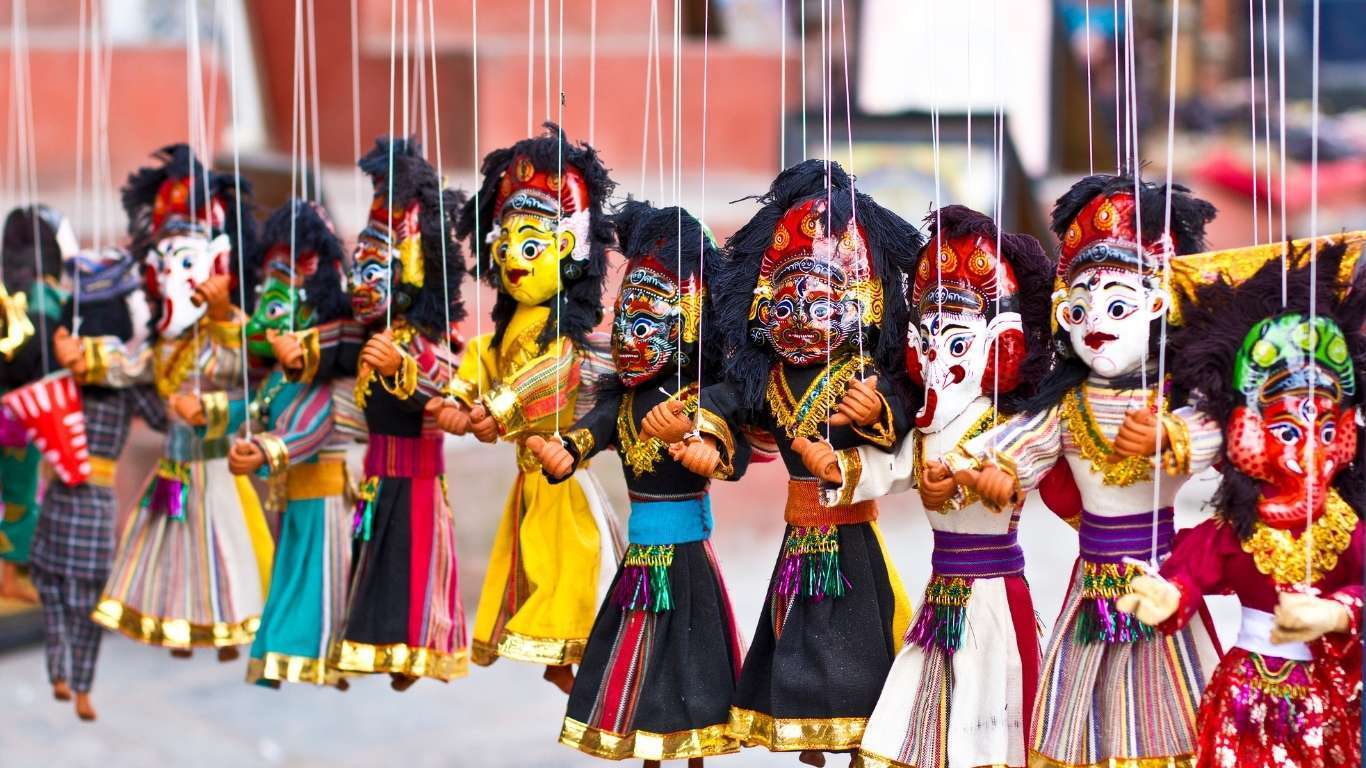
These sites are living spaces where rituals, prayers, and traditions continue daily.

Village Life and Local Traditions
Outside major cities, village life remains deeply rooted in tradition. Visitors are often welcomed into homes, invited for tea, and introduced to local customs.
For many American travelers, these moments of connection become the highlight of their journey.

Responsible Travel in Nepal
Responsible tourism is essential in Nepal, where travel directly affects local communities and fragile ecosystems.
- Supporting Local Communities
- Responsible travel helps support:
- Licensed local guides and porters
- Family-owned tea houses and lodges
- Community schools and conservation initiatives
Choosing locally operated trekking companies ensures tourism benefits stay within Nepal.
Environmental Responsibility
Travelers are encouraged to:
- Reduce plastic waste
- Use refillable water bottles
- Stay on marked trails
- Respect wildlife and natural landscapes
Sustainable trekking practices help preserve Nepal’s mountains for future generations.
Cultural Respect
Simple actions go a long way:
- Dress modestly at religious sites
- Ask before taking photos of people
- Learn basic Nepali greetings
- Respect local traditions and beliefs
These efforts are deeply appreciated by local communities.
Practical Travel Information for Americans
Visa and Entry
U.S. citizens can obtain a visa on arrival in Kathmandu for 15, 30, or 90 days.
Best Time to Visit Nepal
- Spring (March–May): Clear views, blooming landscapes
- Autumn (September–November): Best weather for trekking
- Winter: Quieter trails, colder at altitude
- Monsoon: Green landscapes, limited trekking access
Health and Safety
Nepal is generally safe for travelers. Important tips include:
- Allow time for altitude acclimatization
- Carry travel insurance covering trekking
- Drink filtered or bottled water
- Trek with experienced local guides
Why Nepal Appeals to American Travelers
- Nepal continues to attract U.S. travelers because it offers:
- Authentic experiences over luxury tourism
- Affordable long-haul adventure travel
- Deep cultural interaction
- A slower, more meaningful pace of travel
Many travelers leave Nepal feeling changed—not because of what they saw, but because of how they experienced it.
Planning a Responsible Trip to Nepal
- To make the most of your journey:
- Plan at least 10–14 days
- Combine trekking with cultural exploration
- Choose ethical, Nepal-based trekking companies
- Travel with flexibility and cultural curiosity


Leave a comment: