

- 101 Views
- 6 Min Read
- (0) Comment
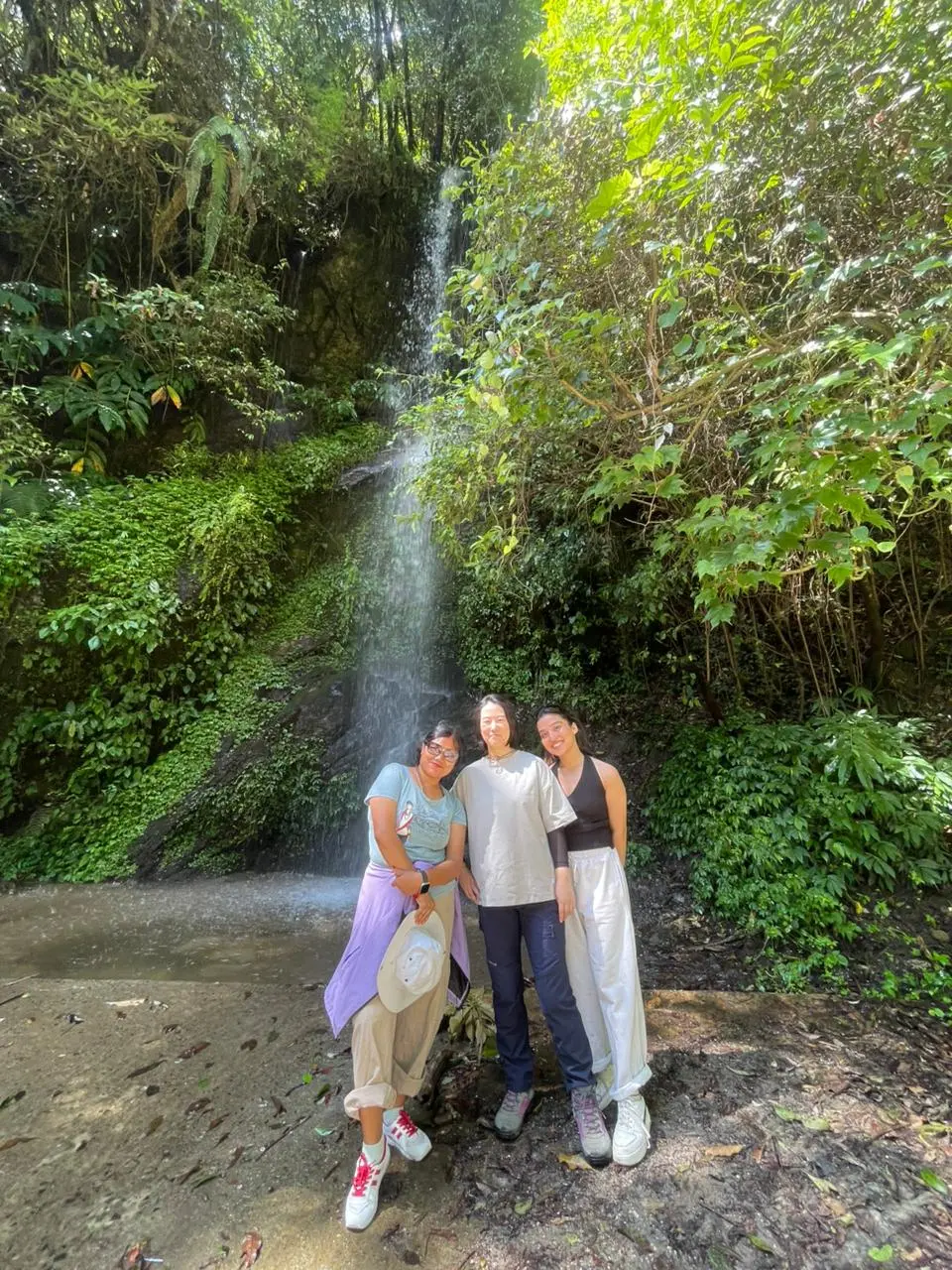
Over the past few years, something interesting has been happening in Kathmandu Valley. Every Saturday morning, buses to Sundarijal, Budhanilkantha, Tokha, and Fulbari are filled with young people wearing hiking shoes, carrying small backpacks, and chasing fresh air.
Hiking in Kathmandu is no longer just a leisure activity. It has become a lifestyle.
At the center of this movement stands Shivapuri Nagarjun National Park—the green crown of Kathmandu and the heartbeat of the valley’s youth hiking culture.
Based on a detailed study of hiking behavior among Kathmandu youth, this article explores why young people are choosing short hikes over long Himalayan expeditions, how their behavior is reshaping tourism, and what this means for the future of ecotourism in Nepal.
The Rise of Hiking Culture in Kathmandu Valley
Kathmandu is busy, polluted, and fast-paced. For many young people, especially students and early professionals, life revolves around screens, traffic, and deadlines.
After the pandemic, priorities changed.
Health became important. Mental wellness became important. Nature became important.
Instead of waiting for long annual treks to Everest or Annapurna, youth began choosing day hikes near Kathmandu. These short escapes provide:
- Fresh air
- Physical exercise
- Social bonding
- Affordable adventure
- Instagram-worthy views
And the most accessible place for all of this? Shivapuri.
Search trends for “hiking near Kathmandu,” “day hike from Kathmandu,” and “Shivapuri trekking route” have steadily increased. The park has quietly become the weekend playground for the valley’s youth.
Why Shivapuri Nagarjun National Park Is the Top Hiking Choice
Located just about 12 km north of Kathmandu city, Shivapuri offers something rare—wilderness within reach.
Elevation & Landscape
- Elevation range: 1,350m to 2,732m
- Highest point: Shivapuri Peak
- Subtropical to temperate forests
- Panoramic views of the Himalayas and Kathmandu Valley
This makes it ideal for both beginners and regular hikers.
Biodiversity & Watershed Importance
Shivapuri is more than a hiking spot. It is a crucial watershed area supplying drinking water to Kathmandu, including the Bagmati River system.
The park protects:
- Over 2,000 plant species
- Rare butterflies
- Mammals like leopard and Himalayan black bear
- Important bird species
For young hikers, this biodiversity adds meaning to the journey.
Popular Hiking Routes
The park offers multiple entry points and trail options:
- Sundarijal – Mulkharka – Chisapani
- Panimuhan – Nagi Gumba – Shivapuri Peak
- Fulbari Gate – Jamacho
- Tokha – Jagat – Gurung Gaun
These routes allow flexibility — from 3-hour hikes to full-day adventures.
Accessibility is the biggest reason Shivapuri wins over longer treks.
Who Hikes in Shivapuri? (Youth Demographics)
Based on field research and survey data, the majority of hikers in Shivapuri fall within a specific demographic pattern.
Age Group
The dominant age group is 20–25 years old.
College students and recent graduates lead the hiking trend. Why?
- Flexible schedules
- Active social media use
- Fitness awareness
- Budget-friendly travel preference
Young adults prefer short, repeatable outdoor experiences instead of expensive long expeditions.
Gender Trend
Interestingly, female participation slightly exceeds male participation.
This shows:
- Growing confidence in outdoor travel
- Safer perception of Shivapuri
- Rise of women-led hiking groups
Hiking is becoming a space for empowerment and independence.
Occupation Pattern
Most visitors include:
- Students
- Regular hikers/trekkers
- Nature photographers
- Spiritual seekers
- Researchers
This diversity shows that Shivapuri is not just for adventure — it serves recreational, cultural, and academic purposes.
Why Kathmandu Youth Love Hiking
Research and observation reveal six major motivations behind the hiking boom.
1️⃣ Escape from Pollution & Urban Stress
Kathmandu’s air quality pushes youth toward greener spaces.
2️⃣ Physical Fitness
Hiking is seen as an affordable gym alternative.
3️⃣ Mental Wellness
Nature reduces anxiety and improves focus.
4️⃣ Spiritual Connection
Sites like Nagi Gumba and Bagdwar attract spiritual visitors.
5️⃣ Social Bonding
Group hikes strengthen friendships.
6️⃣ Adventure & Exploration
Youth seek mini-adventures without leaving the valley.
Hiking today is about experience, not just destination.
How Much Does Hiking in Shivapuri Cost?
Contrary to exaggerated assumptions, hiking in Shivapuri is affordable.
Average Day Hike Cost (Approximate)
- Entry fee (Nepali): NPR 100
- Transportation: NPR 100–300
- Food & tea: NPR 500–1,000
- Optional guide: NPR 1,000–2,000
Total estimated range: NPR 1,000–3,000 per person
This affordability explains the repeat-visit trend among youth.
Economic Impact on Local Communities
The hiking trend benefits buffer zone communities.
Positive Economic Effects:
- Growth of tea houses
- Rise of small grocery stores
- Homestay development
- Local guide employment
- Transport income
Instead of migrating for work, local youth can earn within their communities.
Hiking has quietly strengthened the micro-economy around Shivapuri.
Environmental Impact: A Double-Edged Sword
As visitor numbers increase, sustainability becomes critical.
Positive Impacts
- Increased conservation awareness
- Revenue for biodiversity protection
- Youth engagement in eco-tourism
- Promotion of nature-based tourism
Negative Impacts
- Trail erosion
- Plastic waste
- Noise pollution
- Wildlife disturbance
- Concentrated tourism pressure
Without proper waste management and visitor regulation, ecological balance could suffer.
Responsible hiking is now more important than ever.
SWOT Analysis: Shivapuri as a Youth Hiking Hub
Strengths
- Close to Kathmandu
- Rich biodiversity
- Religious + natural attractions
- Affordable access
Weaknesses
- Limited infrastructure
- Poor marketing strategy
- Fire management challenges
Opportunities
- Eco-tourism expansion
- Research partnerships
- Youth volunteer programs
- Guided educational hikes
Threats
- Climate change
- Overcrowding
- Illegal resource use
- Human-wildlife conflict
If managed well, Shivapuri can become a model urban national park in South Asia.
Post-Pandemic Hiking Boom: What Changed?
After COVID-19, domestic tourism increased dramatically.
Youth began choosing:
- Local travel over international travel
- Nature experiences over city entertainment
- Weekend hiking groups
Social media amplified this shift. A single scenic photo from Shivapuri inspires dozens of new hikers.
Nature became both therapy and trend.
The Future of Hiking Tourism in Kathmandu Valley
If current trends continue, hiking near Kathmandu will grow even more.
To sustain this growth, several steps are necessary:
1️⃣ Sustainable Trail Management
Rotate trail use to prevent erosion.
2️⃣ Waste Management System
Install eco-friendly trash bins and strict monitoring.
3️⃣ Digital Promotion Strategy
Promote lesser-used routes to reduce crowd pressure.
4️⃣ Youth Awareness Campaigns
Educate young hikers about conservation responsibility.
5️⃣ Volunteer & Citizen Programs
Encourage clean-up drives and eco-education hikes.
Shivapuri has the potential to become a benchmark for sustainable urban tourism.
FAQs About Hiking in Shivapuri
Is Shivapuri good for beginners?
Yes. Many routes are beginner-friendly, especially the Sundarijal and Fulbari trails.
How long does a typical hike take?
Most day hikes take 4–7 hours depending on the route.
Do you need a permit?
Yes, entry tickets must be purchased at the gate.
What is the best season to hike?
Spring (March–May) and Autumn (September–November) offer the best weather.
Is it safe?
Generally yes, but hikers should follow park rules and avoid isolated routes alone.
Conclusion: Hiking Is No Longer a Hobby — It’s a Movement
Hiking among Kathmandu youth is not a temporary trend. It reflects:
- A shift toward healthier living
- Greater environmental awareness
- Rising domestic tourism culture
- Desire for affordable adventure
Shivapuri Nagarjun National Park has become more than a forest reserve. It is now a social, economic, and cultural space shaped by young people.
If managed responsibly, it can stand as Nepal’s model urban national park—where conservation and recreation grow together.
So next weekend, instead of scrolling endlessly, pack your bag, respect the trails, and experience the green heart of Kathmandu.
Nature is closer than you think.


Leave a comment: