

- 144 Views
- 4 Min Read
- (0) Comment
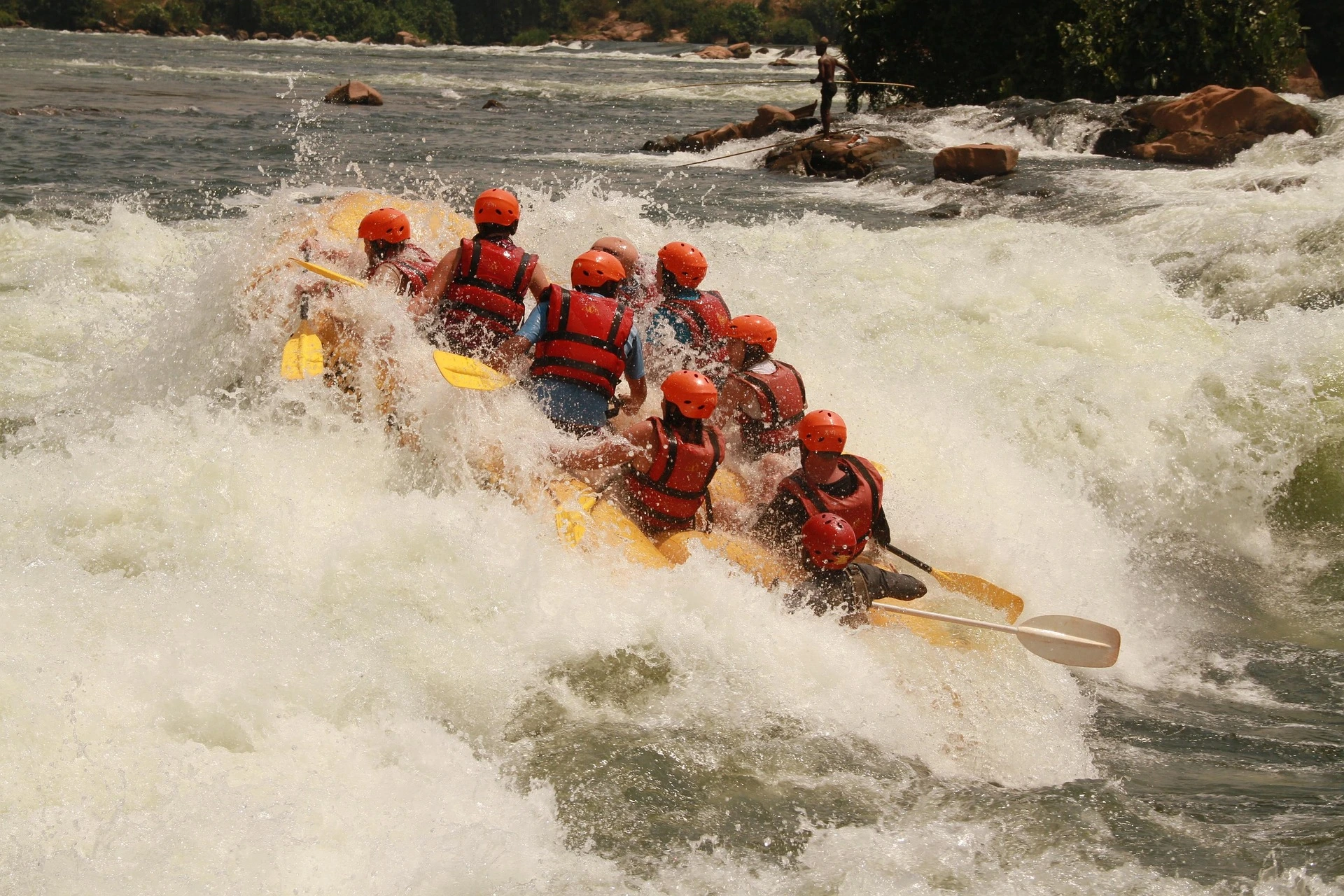
Adventure tourism in Nepal is globally synonymous with trekking and mountaineering. However, Nepal’s river systems form an equally powerful yet under-documented pillar of adventure tourism. Among them, the Trishuli River stands as the most commercially active rafting river in the country.
This research-driven guide analyzes rafting in Trishuli from economic, demographic, sustainability, and geo-access perspectives—especially focusing on search intent from Kathmandu.
Wilderway Trekking does not operate rafting trips. Instead, this article aims to build topical authority in Nepal’s broader adventure tourism ecosystem.
Geographic Overview of Trishuli River
The Trishuli River originates from Gosainkunda in the Langtang region and flows through:
- Rasuwa
- Nuwakot
- Dhading
- Chitwan
Before merging into the Narayani river system.
Why This Location Matters
- 3–4 hours from Kathmandu
- On the highway corridor connecting Kathmandu and Pokhara
- Easily accessible for domestic travelers
- Ideal for weekend adventure tourism
This accessibility is the single biggest reason behind its commercial dominance.
Historical Evolution of Commercial Rafting in Nepal
Modern rafting exploration began in the late 1960s.
Commercialization accelerated after:
- Establishment of Himalayan River Expeditions
- Formation of the Nepal Association of Rafting Agents(NARA)
- Government permit regulation systems
Rafting is now recognized as a formal adventure tourism segment.
Market Demand Analysis
Age Distribution
Survey-based data indicates:
- 20–25 age group dominates participation
- Youth-led demand is strongest
- Student groups represent major volume
Insight: Rafting is highly youth-sensitive and responds strongly to academic holiday cycles.
Gender Participation
- ~72% male
- ~28% female
Growth opportunity exists in:
- Women-focused rafting promotions
- Safety awareness campaigns
- Inclusive adventure positioning
Occupation Trends
Primary categories:
- Students (largest share)
- Photographers
- Teachers
- Business executives
This shows rafting spans across income levels.
Purpose-Based Participation Analysis
Tourist motivations include:
- Tourism exploration
- Scenic natural immersion
- Adventure and thrill
- Cultural experience
Interestingly, tourism promotion ranks slightly higher than pure thrill-seeking.
This repositions rafting as
A hybrid experience between adventure sport and nature-based tourism.
Why Kathmandu Drives Demand:
- Dense youth population
- University clusters
- Corporate offices
- Easy highway connectivity
Trishuli’s success is directly tied to Kathmandu’s proximity.
The 4 A’s Model Applied to Trishuli
Attraction
- Grade II–III+ rapids
- Scenic river valleys
- Semi-tropical climate
Accessibility
- 3–4 hour road access
- Highway connectivity
Accommodation
- Riverside lodges
- Camping areas
- Budget-friendly setups
Amenities
- Trained guides
- Equipment standards
- Safety briefings
These pillars collectively explain market sustainability.
Economic Contribution
Rafting supports:
- River guides’ employment
- Transport operators
- Riverside hospitality businesses
- Equipment suppliers
- Food service providers
It is particularly significant for:
- Rural employment diversification
- Weekend domestic tourism economy
Sustainability & Climate Considerations
Environmental Challenges:
- Climate change altering water volume
- Riverbank pollution
- Increased domestic tourism waste
Long-term sustainability requires:
- Permit regulation
- Waste control mechanisms
- Community engagement
- Statistical tracking
Growth without regulation may harm ecological integrity.
SWOT Analysis of Trishuli Rafting
Strengths
- Strategic location
- Established reputation
- Youth demand
Weaknesses
- Inconsistent data recording
- Seasonal variability
Opportunities
- Corporate retreat market
- Female participation expansion
- Domestic tourism growth
Threats
- Environmental degradation
- Competition from other rivers
- Infrastructure limitations
Growth Outlook (2026–2030)
Factors supporting growth:
- Expanding Nepal’s middle class
- Adventure-based domestic tourism
- Social media travel culture
- Short-trip weekend trends
Critical development areas:
- Data segmentation in tourism statistics
- Improved digital marketing
- Environmental protection enforcement
Conclusion: Trishuli River Rafting in Nepal—A Strategic Adventure Asset
The Trishuli River represents far more than a weekend adventure escape. It stands as one of Nepal’s most strategically positioned and commercially viable river systems, bridging accessibility, youth-driven tourism demand, and rural economic contribution. Its proximity to Kathmandu has been instrumental in shaping its popularity, making it the most searched and most accessible rafting corridor in the country.
Research indicates that rafting in Trishuli is primarily driven by young domestic travelers, students, and short-duration adventure seekers. However, this demographic concentration also highlights untapped growth segments—particularly female participation, corporate adventure retreats, and structured eco-tourism development.
From an economic standpoint, rafting contributes to local employment, transport services, hospitality businesses, and small-scale tourism enterprises. Yet, long-term sustainability will depend on improved data recording, stronger environmental safeguards, and responsible growth strategies. Climate variability, river pollution, and unmanaged tourism pressure pose emerging challenges that must be addressed through collaborative planning between industry stakeholders and regulatory bodies.
For Nepal’s broader adventure tourism ecosystem, Trishuli offers an important case study. It demonstrates how accessibility, moderate difficulty levels, and proximity to urban centers can transform a natural river system into a high-frequency tourism product. At the same time, it underscores the importance of balancing commercial expansion with ecological responsibility.
By documenting and analyzing destinations like Trishuli, Wilderway Trekking aims to contribute to informed travel awareness and deeper understanding of Nepal’s adventure landscape. Knowledge-driven tourism content not only builds authority but also supports sustainable decision-making within the industry.
In the evolving future of Nepal’s adventure sector, rivers like Trishuli will continue to play a defining role—provided growth is guided by research, regulation, and environmental responsibility.
FAQ SECTION
Is Trishuli River rafting suitable for beginners?
Yes, most rapids fall within Grade II–III+, making them appropriate for first-time rafters with professional guidance.
How far is the Trishuli River from Kathmandu?
Approximately 3–4 hours by road.
What is the best season for rafting in Trishuli?
September–November and March–May are considered ideal seasons.
Why is the Trishuli River more popular compared to other rivers?
Its accessibility from Kathmandu and moderate rapids make it Nepal’s most commercially viable rafting river.
Is rafting data separately recorded in Nepal tourism statistics?
Currently, rafting arrivals are often grouped under “other purposes,” limiting specific sector analysis.
Leave a comment: