- 55 Views
- 21 Min Read
- (0) Comment
Syabrubesi is where the road from Kathmandu begins to feel like a Himalayan journey. The settlement in Rasuwa District is more than a place to stop before a trek. It is a meeting point between mountain roads, Tamang communities, trekking routes, local businesses and the high landscapes of northern Nepal. From here, travellers connect with the Langtang Valley, Gosaikunda and the Tamang Heritage Trail, while the surrounding villages offer a closer look at everyday mountain life.
For trekkers, Syabrubesi can be the beginning of a journey toward forests, glaciers, high passes and Himalayan villages. For local families, it is also a place of work, trade and tourism. Hotels, lodges, restaurants, transport operators, guides, porters, shops and homestays all form part of the economy that grows around visitors. The devastating August 2026 disaster brought new uncertainty to this important corridor, damaging infrastructure and disrupting lives. Understanding Syabrubesi today therefore means understanding both its role as a Himalayan gateway and the recovery journey ahead.
Why Is Syabrubesi Important to Himalayan Adventure?
Syabrubesi is important because it connects travellers with several major Himalayan experiences while also serving as a local tourism and transport centre for the northern Langtang area. Its importance extends beyond trekking: the settlement links mountain communities, cultural tourism, accommodation, transport, supplies and routes into the high Himalaya.
Syabrubesi as a Gateway to the Langtang Region
Geographically, Syabrubesi sits in Rasuwa District in northern Nepal and functions as an important road-to-trail transition point for Langtang journeys. A traveller may begin the day surrounded by road traffic and village activity and soon find the landscape changing into forested hills, river valleys and increasingly dramatic mountain terrain.
The settlement’s position gives it a practical role in trekking logistics. Trekkers can organize accommodation, food, guides, porters and supplies before continuing toward the Langtang Valley. That makes Syabrubesi part of the trekking experience rather than simply a line on an itinerary.
The Connection Between Syabrubesi and Gosaikunda
Syabrubesi is also associated with trekking routes toward the sacred Gosaikunda landscape. Gosaikunda attracts both trekkers and pilgrims because the high-altitude lake combines Himalayan scenery with deep religious significance.
The journey toward the lake is considerably different from the lower valley environment around Syabrubesi. As altitude increases, forests give way to more exposed mountain landscapes, and preparation becomes increasingly important.
Syabrubesi and the Tamang Heritage Trail
The Tamang Heritage Trail adds a cultural dimension to the region. Instead of focusing only on reaching a high viewpoint or mountain destination, this experience allows travellers to spend time in Tamang villages, encounter local hospitality and understand how communities have adapted to life in the Himalayan foothills.
Homestays can make this experience particularly meaningful because accommodation becomes part of the cultural exchange rather than simply a place to sleep.
Why Trekking Businesses Depend on Syabrubesi
Syabrubesi supports a network of local businesses and workers, including:
- Hotels and lodges
- Restaurants and teahouses
- Transport operators
- Trekking guides
- Porters
- Grocery and equipment shops
- Local suppliers
- Homestays
- Small family-run businesses
Key Takeaway: Syabrubesi matters not simply because trekkers pass through it, but because it connects Himalayan trails, communities, culture and tourism livelihoods.
Where Is Syabrubesi and How Do You Reach It?
Syabrubesi is in Rasuwa District of Bagmati Province in northern Nepal and is commonly reached by road from Kathmandu. Because the journey follows mountain corridors, travel conditions can change with weather, landslides, road maintenance and other disruptions, so current transport information should always be checked before departure.
Syabrubesi Location in Nepal
Syabrubesi lies in the Langtang area of Rasuwa District, north of Kathmandu. Its geographical position explains much of its importance: it sits along the access network used by travellers heading toward the Langtang Himalaya and nearby trekking destinations.
The surrounding landscape gradually changes as travellers leave Kathmandu. Urban areas give way to hills, rivers, agricultural settlements and increasingly mountainous terrain.
Kathmandu to Syabrubesi
The traditional approach is a road journey from Kathmandu. Depending on circumstances, travellers may use a public bus, shared jeep, private vehicle or organized trekking transport.
The journey should not be treated like a fixed-distance city transfer. Mountain roads can take considerably longer when weather, traffic, roadworks or landslides affect the route.
For travellers visiting after a major natural disaster, this becomes even more important. A route that was operational previously may not remain operational after a flood or landslide.
Syabrubesi Road and Mountain Connectivity
Road connectivity is central to Syabrubesi’s tourism economy. It carries trekkers, food, construction materials, local residents and commercial supplies.
That same dependence creates vulnerability. When a major road corridor is disrupted, the impact reaches much further than transportation. Lodges may receive fewer visitors, shops may struggle to receive supplies, and families dependent on tourism can lose income.
What Travellers Should Check Before Travelling
Before travelling toward Syabrubesi, check:
- Current road conditions
- Weather forecasts
- Local government notices
- Transport availability
- Accommodation availability
- Trekking trail conditions
- Current security and safety information
Pro Tip: Do not assume that a temporary post-disaster road arrangement is permanent infrastructure. Always verify the current situation shortly before travelling.
Which Himalayan Treks Can You Explore From Syabrubesi?
Syabrubesi is closely associated with the Langtang trekking network, including the Langtang Valley, Gosaikunda and Tamang Heritage routes. The exact starting point and route can vary by itinerary, transport conditions and current trail access, but Syabrubesi remains one of the region’s key trekking gateways.
Langtang Valley Trek
The Langtang Valley Trek is one of the best-known journeys associated with Syabrubesi. The route moves through Langtang National Park and follows a mountain valley surrounded by increasingly dramatic Himalayan scenery.
Trekkers encounter villages, forests, rivers and high-altitude landscapes before reaching areas around Kyanjin Gompa. The route combines natural scenery with the culture and hospitality of mountain communities.
For travellers looking for a relatively focused Himalayan trekking experience without committing to a very long expedition, the Langtang Valley offers a strong combination of accessibility, mountain scenery and cultural depth.
Gosaikunda Trek
The Gosaikunda Trek provides a different Himalayan experience. Rather than focusing only on a valley journey, the route leads toward a high-altitude sacred lake surrounded by rugged mountain landscapes.
Gosaikunda is important to Hindu and Buddhist traditions and becomes especially significant during pilgrimage periods. The trek therefore brings together physical adventure and spiritual travel.
Tamang Heritage Trek
The Tamang Heritage Trail is especially valuable for travellers interested in culture. Its appeal lies in village life, traditional hospitality, local food, homestays and interaction with Tamang communities.
Rather than rushing through the area, travellers can slow down and allow the villages themselves to become part of the journey.
Langtang and Gosaikunda Combined Routes
Travellers with more time and appropriate fitness can combine parts of the Langtang and Gosaikunda trekking networks. Such itineraries can provide a broader experience of the region, from forested valleys to high alpine environments.
The right combination depends on available time, fitness, acclimatization, weather and current trail conditions. A route that looks attractive on a map still needs to be evaluated according to real trail conditions.
Other Regional Trekking Possibilities
The wider Langtang region offers additional routes and cultural experiences. Instead of treating Syabrubesi as a destination with only one trek, it is better understood as a gateway into a broader network of Himalayan journeys.
For detailed route planning, see the Langtang Valley Trek, Gosaikunda Trek and Tamang Heritage Trek guides.
What Makes Syabrubesi Special Beyond Trekking?
Syabrubesi is special because its identity is not limited to trekking logistics. The surrounding Tamang communities, mountain lifestyle, local food, homestays and traditional hospitality give the area a cultural character that cannot be captured by elevation statistics alone.
Tamang Culture and Heritage
Tamang communities have a deep cultural presence in the region. Traditional homes, local customs, food, hospitality and Buddhist cultural influences contribute to the identity of villages around the Langtang area.
For visitors, cultural tourism should not mean treating local traditions as a performance. The better experience comes through respectful interaction, staying locally, eating local food and taking time to understand the community.
Homestay Experiences
A homestay can change the rhythm of a journey. Instead of arriving at a commercial lodge, eating quickly and leaving early, travellers may have more opportunity to interact with a host family and observe everyday village life.
This can also direct tourism income more directly toward local households.
Mountain Life Around Syabrubesi
Life around Syabrubesi is shaped by a mixture of agriculture, tourism, local trade and family businesses. Tourism has become an important part of the local economy, particularly through accommodation, transportation, guiding and supplies.
The seasonal nature of mountain tourism means that good trekking periods can be extremely important for household income.
Why Cultural Tourism Matters
Cultural tourism can diversify the reasons people visit Syabrubesi. When visitors stay longer and spend locally, the economic benefit can spread beyond transport operators and trekking companies.
Key Takeaway: The value of Syabrubesi is cultural as well as geographical; its communities are part of what makes the journey into the Langtang Himalaya distinctive.
What Was the Impact of the August 2026 Disaster on Syabrubesi?
On August 26, 2026, a sudden and catastrophic flash flood swept through the Bhote Koshi–Trishuli river system, severely affecting parts of Rasuwa and downstream districts; Syabrubesi was among the settlements reporting extensive damage to homes, hotels, shops, roads and public infrastructure.
What Happened on August 26, 2026?
The disaster began suddenly along the Bhote Koshi river system. Early reporting from Rasuwa described a powerful surge entering Nepal from the Tibetan side and affecting Timure, Syabrubesi and downstream areas. Authorities initially warned communities along the Trishuli about rapidly rising water levels while rescue teams attempted to assess the damage.
Later scientific and satellite-based assessments described the event as an exceptionally destructive debris flood moving through the Lhende Khola–Bhote Koshi–Trishuli system. The exact scientific understanding of the event has continued to develop, so current reporting should be preferred over early speculation.
Why Syabrubesi Was Particularly Vulnerable
Syabrubesi’s location along a mountain river corridor is central to understanding the damage.
Mountain settlements often have limited flat land, which means roads, businesses and buildings can be concentrated around river valleys and transport corridors. When a powerful flood enters such a narrow landscape, infrastructure can be exposed simultaneously.
The disaster therefore affected more than one category of infrastructure. Roads, buildings, vehicles, shops and tourism businesses were all part of the disruption.
What Infrastructure Was Affected?
Reported impacts included:
- Roads
- Bridges
- Houses
- Hotels
- Shops
- Vehicles
- Public infrastructure
- Hydropower-related infrastructure
The Department of Roads’ current road information also records a major closure associated with the flood event, while local reporting documented extensive damage along the route connecting the Rasuwa corridor.
Impact on Local Families and Tourism Businesses
The most important part of the disaster story is not the infrastructure itself. It is the people whose livelihoods depend on that infrastructure.
A damaged hotel means lost income for a family. A blocked road can prevent food and supplies from arriving. A destroyed vehicle can affect a transport operator’s entire livelihood. A reduction in trekking activity can affect guides, porters, restaurants, shops and homestays.
That is why recovery should be understood as both physical reconstruction and economic recovery.
How Did the Disaster Affect Travel to Syabrubesi and the Langtang Region?
The August 2026 disaster severely disrupted access through the Rasuwa corridor, meaning travellers cannot assume that the normal Kathmandu–Syabrubesi journey or onward trekking arrangements are operating as they did before the disaster. Road access, bridges, accommodation and trails must be assessed separately before travel.
Road Connectivity After the Disaster
The damage extended along the river corridor connecting settlements toward the northern border. Kathmandu Post reported that flooding destroyed a substantial section of the road linking Betrawati with Rasuwagadhi.
This matters to trekkers because Syabrubesi depends heavily on road access. A trekking destination can remain geographically intact while becoming difficult or impossible to reach safely.
Alternative Routes and Temporary Connectivity
Temporary access arrangements may develop during recovery, but travellers should not treat an alternative route as a permanent solution.
Authorities, local administrations and transport operators may change access arrangements as roads, bridges and slopes are assessed and repaired.
For this reason, current information should be checked immediately before departure rather than relying on an itinerary prepared months earlier.
Why Road Reopening Does Not Mean Normal Tourism Has Returned
Road access and trekking readiness are two different things.
A road may reopen while:
- Bridges remain temporary
- Slopes remain unstable
- Trekking trails require separate inspection
- Landslide risks remain
- Accommodation capacity is reduced
- Local communities are still recovering
This distinction is particularly important in Himalayan travel.
How Travellers Should Verify Conditions
Before travelling, confirm:
- Road access from Kathmandu
- Current local government notices
- Trail conditions
- Bridge conditions
- Accommodation availability
- Weather forecasts
- Advice from experienced local guides or operators
What Does Syabrubesi Need to Recover?
Syabrubesi’s recovery will require more than clearing a road. It involves rebuilding transport infrastructure, homes, tourism businesses and livelihoods while creating a more resilient system for future emergencies.
Rebuilding Roads and Bridges
Permanent recovery requires road clearance, bridge reconstruction, slope stabilization and stronger infrastructure where appropriate.
Temporary connectivity can help communities regain access, but long-term reconstruction needs to consider the river environment and the risks associated with mountain terrain.
Rebuilding Homes and Tourism Businesses
Recovery also means rebuilding:
- Hotels
- Shops
- Homestays
- Restaurants
- Transport businesses
- Family homes
For a tourism-dependent settlement, these businesses are part of the community’s economic infrastructure.
Restoring Local Livelihoods
The tourism economy can be visualized simply:
Traveller → Transport → Lodge → Food → Guide → Porter → Local suppliers
When one part of that chain stops, the effect spreads through the community.
Building a More Resilient Tourism Corridor
Future resilience can involve:
- Better early-warning systems
- Emergency communication
- Stronger infrastructure
- Evacuation planning
- Disaster preparedness
- Better coordination between authorities and communities
Key Takeaway: Recovery is not only about rebuilding roads. It is about restoring homes, livelihoods, tourism confidence and safer access for mountain communities.
Why the Tamang Heritage Trail Matters to Syabrubesi’s Future
The Tamang Heritage Trail can play an important role in Syabrubesi’s future because it spreads the value of tourism beyond a single trekking route and places local culture, village stays and community interaction at the centre of the experience.
A Cultural Alternative to Conventional Trekking
A cultural trek does not need to be defined only by altitude or mountain viewpoints. Village-based travel can offer a slower experience built around local accommodation, food and interaction.
Preserving Tamang Heritage Through Tourism
Responsible tourism can help create an economic reason to preserve cultural traditions without turning them into performances for visitors.
The goal should be respectful exchange. Travellers should ask before photographing people, follow local customs and understand that cultural spaces are living communities rather than attractions designed solely for tourists.
How Visitors Can Support Local Communities
Visitors can contribute by:
- Staying in locally owned accommodation
- Hiring local guides
- Eating locally
- Purchasing locally made products
- Respecting cultural practices
- Following local restrictions
When Is the Best Time to Visit Syabrubesi?
Spring and autumn are generally preferred periods for trekking in the Langtang area because conditions are often more favourable for mountain travel, while winter brings colder conditions and monsoon brings heavier rain and greater road and landslide concerns.
Spring: March to May
Spring generally brings improving trekking conditions, warmer temperatures and landscapes coming alive with vegetation and flowering rhododendrons.
It is a strong period for travellers who want a combination of comfortable lower-elevation conditions and mountain scenery.
Autumn: September to November
Autumn is traditionally one of Nepal’s busiest trekking seasons. After the monsoon, clearer mountain views can make the Langtang region particularly attractive.
October and November are often especially popular for trekking, although actual conditions vary from year to year.
Winter: December to February
Winter brings colder temperatures, particularly at higher elevations. Snow and freezing conditions can affect higher routes, so itinerary selection becomes more important.
Monsoon: June to August
Monsoon brings substantial rainfall to much of Nepal. Mountain roads can be affected by landslides, while trekking trails may become muddy and slippery.
The August 2026 disaster demonstrates why travellers should take river and slope conditions particularly seriously.
Post-Disaster Travel Considerations
Normal seasonal advice is not enough after a major disaster.
There should be no blanket statement that Syabrubesi is “safe after” a particular date unless current authorities and local conditions support that conclusion. Recovery progresses section by section.
Syabrubesi Travel Guide: What Should You Know Before You Go?
Syabrubesi is a Himalayan gateway in Rasuwa that provides access to Langtang, Gosaikunda and Tamang Heritage experiences, with accommodation, food, transport and trekking services available locally; however, after the August 2026 disaster, travellers must verify current access and services before travelling.
Syabrubesi Travel Facts
| Travel Factor | What to Know |
| Location | Rasuwa, northern Nepal |
| Main role | Himalayan trekking gateway |
| Major routes | Langtang, Gosaikunda, Tamang Heritage |
| Culture | Tamang heritage |
| Access | Road from Kathmandu, subject to conditions |
| Accommodation | Hotels, lodges and homestays |
| Best general seasons | Spring and autumn |
| Main consideration | Check current conditions |
Accommodation in Syabrubesi
Syabrubesi has traditionally served trekkers with hotels, lodges and other accommodation options. After a major disaster, however, travellers should confirm which properties are operating rather than assuming the pre-disaster accommodation network is unchanged.
Food and Drinking Water
Food availability is part of trekking preparation. Travellers should use established accommodation and food providers and carry appropriate backup snacks for trekking days.
Safe drinking water practices remain important, particularly as infrastructure can be disrupted following floods.
Transport
Road transport is one of the most important considerations. Confirm departure arrangements, current road conditions and whether vehicles are reaching the intended destination.
Guides and Porters
Local guides and porters provide more than companionship. Their knowledge of weather, trail conditions, local customs and route changes can be extremely valuable.
Cash, Connectivity and Supplies
Remote Himalayan areas should not be treated like major cities. Travellers should plan for limited connectivity and carry enough essential supplies and cash for their itinerary.
Following infrastructure damage, these considerations become even more important.
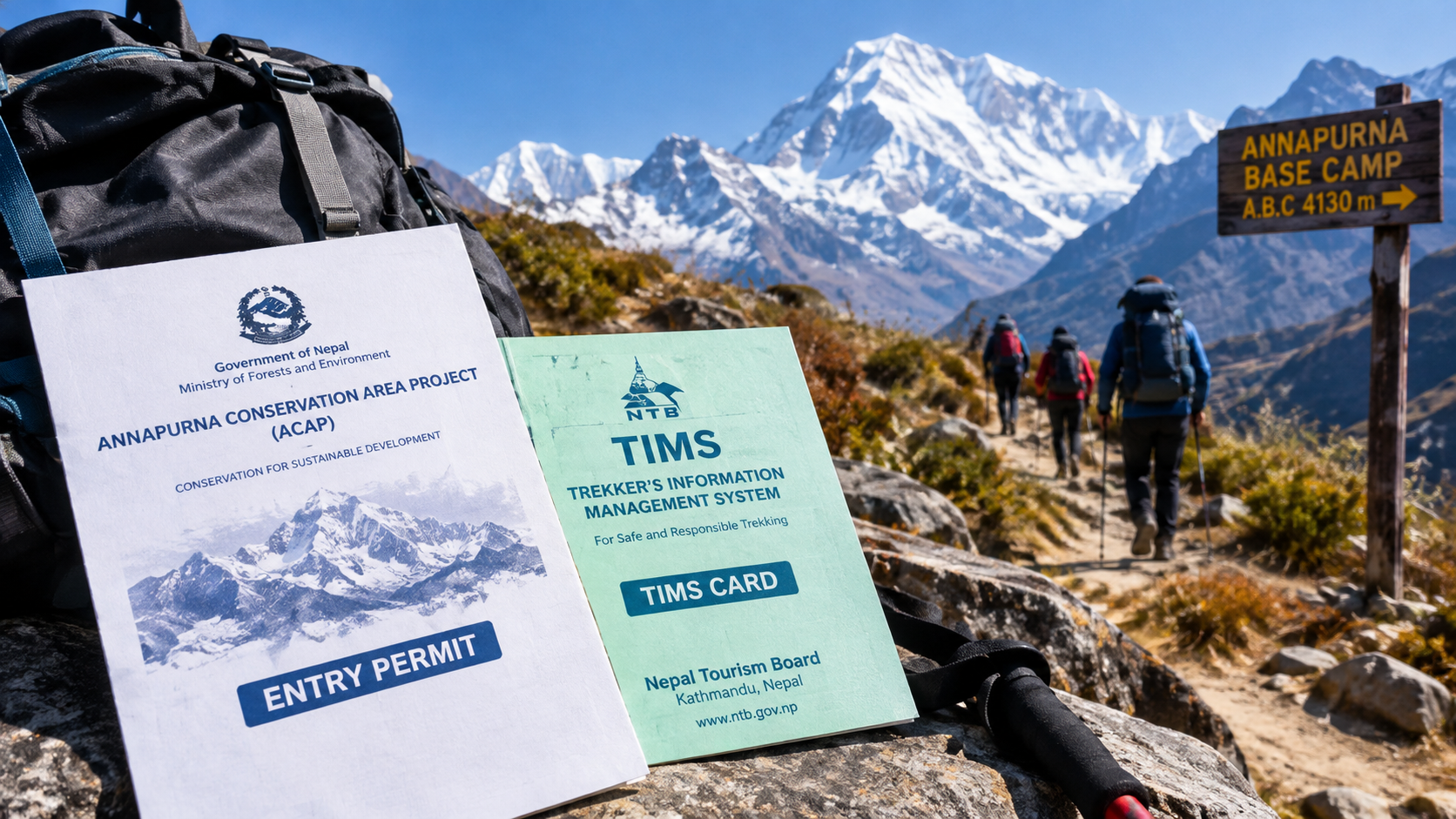
Permits and Trekking Documentation
Permit requirements depend on the specific route and can change. Travellers should confirm the current requirements with the relevant authorities or an established trekking operator before departure.
Do not rely on old permit prices copied from outdated trekking pages.
Common Mistakes Travellers Make in Syabrubesi
Syabrubesi is easy to underestimate because many travellers see it as the place where their trek starts. The better approach is to treat it as an important mountain community and logistics hub.
Assuming Road Conditions Are Permanent: Mountain roads can change quickly because of rainfall, landslides, construction and other disruptions, so always check the latest access conditions before travelling.
Treating Syabrubesi Only as a Transit Stop: Arriving late and leaving early can mean missing the settlement’s local atmosphere, mountain setting and cultural character.
Ignoring Weather and Landslide Conditions: Rainfall and unstable slopes can affect roads and trails, making current weather and local conditions important when deciding whether to continue.
Entering Restricted or Damaged Areas: Never enter damaged infrastructure or restricted zones simply to take photographs or explore, as conditions may remain dangerous even when they appear accessible.
Booking Without Checking Current Conditions: A confirmed itinerary should never take priority over current safety information. Recheck transportation, roads and route conditions before departure.
Missing the Tamang Cultural Experience: If your schedule allows, slow down in Syabrubesi, interact respectfully with local communities, try local food and learn about the Tamang heritage that gives the area its distinct character.
How Can Travellers Support Syabrubesi’s Recovery?
When authorities and local communities determine that travel is appropriate, tourism can contribute to recovery by directing spending toward local businesses rather than treating Syabrubesi only as a passage point.
- Choose locally owned hotels, restaurants, shops and services whenever possible to keep tourism income within the community.
- Hire local trekking guides and porters where appropriate, helping create direct income for mountain communities.
- Stay in homestays or community-based accommodation when available to support local households and experience village life.
- Avoid damaged or restricted areas and never treat disaster-affected locations as tourist attractions.
- Share only recent, reliable travel information and avoid spreading old photographs, rumours or unverified claims.
Travel When Authorities and Communities Say It Is Appropriate
Responsible tourism does not mean travelling at any cost.If infrastructure is not ready, postponing the journey is the responsible decision. When access is restored, returning respectfully can become part of the longer recovery story.
Why Syabrubesi Still Matters to Nepal’s Himalayan Future
Syabrubesi remains important because it represents the intersection of trekking, culture, transport and mountain livelihoods. Its future is connected not only to the Langtang Valley but also to Gosaikunda, the Tamang Heritage Trail and the wider Himalayan tourism economy.
A Gateway to Major Himalayan Trails
Syabrubesi provides access to several important trekking experiences in the northern Himalaya, giving the settlement a role that extends beyond a single itinerary. It serves as an important starting point for journeys toward Langtang, Gosaikunda and other mountain trails in the wider region.
A Home to Mountain Communities
Behind every trekking route are families, farmers, drivers, lodge owners, guides, porters and local suppliers. Their livelihoods are closely connected with the region, and their daily lives continue beyond the seasonal flow of trekkers.
A Cultural Gateway to Tamang Heritage
The Tamang communities around Syabrubesi add an important cultural dimension to the Himalayan journey. Travelers can experience local hospitality, traditions, village life and mountain landscapes together, making the area more than simply a stop before the trail begins.
A Tourism Economy Worth Rebuilding
Tourism provides income for many people in and around Syabrubesi, from accommodation and transportation to guiding, food and local supplies. However, recovery should move at a responsible pace, allowing infrastructure and communities to regain stability rather than prioritizing tourism before conditions are ready.
A Symbol of Himalayan Resilience
Syabrubesi has faced difficult periods before, and the August 2026 disaster has created another serious challenge for the community. Recovery will involve more than restoring roads and physical access; it will also mean rebuilding livelihoods, confidence and long-term resilience.
Syabrubesi is not only a place trekkers pass through. It is part of the Himalayan experience itself.
The Road Ahead: Syabrubesi and the Future of Himalayan Adventure
The story of Syabrubesi does not end with the August 2026 disaster. The settlement remains an important gateway to Langtang, Gosaikunda and Tamang Heritage, but the road toward recovery will take time and must be guided by infrastructure readiness, community needs and accurate information.
For travellers, the most responsible approach is simple: check current conditions, respect restrictions, remain flexible and understand that a Himalayan journey begins with the people and places that make the route possible.
When conditions allow, travelling with experienced local guides and supporting locally owned businesses can help make a Himalayan journey more meaningful while contributing to the communities that keep these mountain routes alive.
Syabrubesi is more than the starting point of a trek. It is a gateway to Himalayan landscapes, Tamang heritage and mountain communities, and its recovery is part of the future of adventure tourism in northern Nepal.
Frequently Asked Questions About Syabrubesi
Where is Syabrubesi located?
Syabrubesi is located in Rasuwa District of Bagmati Province in northern Nepal. It is an important settlement and trekking gateway in the Langtang area, connecting travellers by road with routes toward the Langtang Valley, Gosaikunda and the Tamang Heritage Trail.
Why is Syabrubesi famous?
Syabrubesi is best known as a gateway to the Langtang region and several Himalayan trekking routes. It is associated with the Langtang Valley Trek, Gosaikunda routes and Tamang Heritage Trail, while its Tamang culture, mountain setting and local tourism economy give the settlement significance beyond trekking logistics.
Is Syabrubesi the gateway to Langtang?
Yes. Syabrubesi is one of the principal access points for travellers beginning the Langtang Valley trekking journey. It marks the transition from road travel into the trekking environment and provides important accommodation, transport, food and guide services before trekkers continue deeper into the Langtang region.
Which treks start from Syabrubesi?
Syabrubesi is closely associated with the Langtang Valley Trek, Gosaikunda trekking routes and the Tamang Heritage Trail. Some itineraries combine these experiences into longer journeys. Exact trailheads and access arrangements can vary, so trekkers should confirm the current route before travelling.
Can you trek to Gosaikunda from Syabrubesi?
Syabrubesi is connected with trekking routes into the Gosaikunda area, although the exact itinerary may vary. Gosaikunda is a high-altitude sacred lake, so trekkers need to consider altitude, weather, fitness and acclimatization. Current trail and road conditions should also be checked before starting.
What is the Tamang Heritage Trail?
The Tamang Heritage Trail is a culturally focused trekking experience in the Langtang area that emphasizes Tamang villages, local hospitality, homestays, traditional culture and mountain landscapes. It offers a different style of Himalayan travel from routes focused primarily on reaching a high-altitude viewpoint or destination.
Is Syabrubesi safe to visit after the August 2026 disaster?
Travel to Syabrubesi requires careful checking because the August 2026 flood caused extensive damage in the Rasuwa corridor, including roads, buildings and other infrastructure. Current access should be confirmed with local authorities and experienced operators. Travellers should not assume that normal pre-disaster routes or services have fully returned
When is the best time to visit Syabrubesi?
For trekking, spring and autumn are generally preferred seasons. March to May can bring pleasant trekking conditions and spring landscapes, while September to November is traditionally popular for clearer mountain views. Winter is colder and monsoon brings heavier rain and greater road and landslide concerns.