
- 170 Views
- 13 Min Read
- (0) Comment
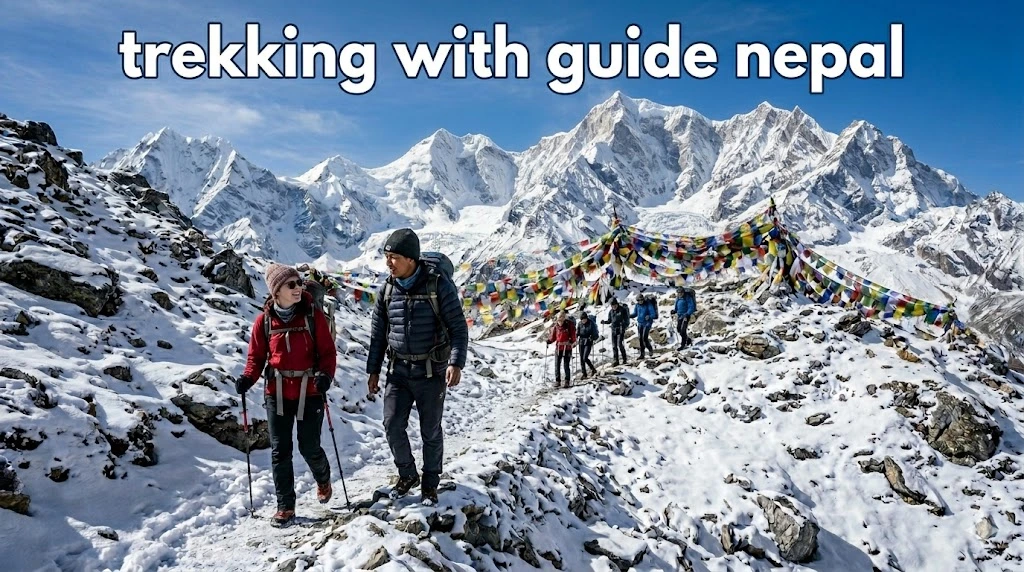
Trekking with a guide in Nepal is essential because it significantly enhances your safety, navigation, and cultural understanding throughout the journey. The Himalayan trails are often rugged, remote, and prone to sudden weather changes, which can be difficult for even experienced trekkers to manage alone. Licensed trekking guides possess deep local knowledge of the terrain, weather patterns, and potential hazards, allowing them to steer you clear of dangerous areas and help prevent common trekking issues like altitude sickness. Their expertise ensures a smoother and safer trekking experience, especially in high-altitude and less-traveled regions.
Moreover, guides add immense value by sharing rich cultural insights about Nepal’s diverse ethnic groups, traditions, and history that you might otherwise miss. They also take care of important logistics such as obtaining permits and managing accommodation arrangements, which reduces stress and allows you to focus fully on the adventure. By hiring a licensed trekking guide, you also contribute directly to local economies, supporting responsible tourism and empowering mountain communities.
Key Benefits
- Expert trail navigation and hazard awareness
- Prevention and management of altitude sickness
- Cultural storytelling and local insights
- Permit management and logistical support
- Direct economic support to local communities
- Promotion of responsible and sustainable tourism
How Does a Licensed Trekking Guide Enhance Trekking Safety in Nepal?
A licensed trekking guide plays a critical role in enhancing trekking safety by closely monitoring your health and responding promptly to any signs of altitude sickness or fatigue. They are trained to recognize early symptoms such as headaches, nausea, and dizziness, and can adjust your trekking pace or suggest rest days to help your body acclimatize properly. This proactive approach greatly reduces the risk of serious altitude-related illnesses.
In addition to health monitoring, guides carry essential first aid supplies and maintain communication with rescue teams or local health posts in case of emergencies. They ensure you follow safe trekking practices, including proper hydration, nutrition, and pacing. Guides also help you avoid hazardous routes affected by landslides, avalanches, or bad weather, which can be unpredictable in the Himalayas. Their presence offers peace of mind, especially in remote areas where immediate help is not accessible.
Safety Contributions
- Early detection and management of altitude sickness
- Emergency preparedness and communication with rescue teams
- Guidance on hydration, pacing, and nutrition
- Real-time monitoring of trail and weather conditions
- Support during medical emergencies or evacuation
What Cultural and Local Knowledge Do Nepal Trekking Guides Offer?
Nepal trekking guides provide a rich cultural context that transforms a simple trek into a deeply meaningful experience. They introduce trekkers to the customs, festivals, and daily lives of Nepal’s many ethnic groups such as Sherpas, Gurungs, and Tamangs. These guides often facilitate visits to local homes, monasteries, and village festivals, allowing travelers to engage authentically with the communities they pass through.
Guides explain the significance of sacred sites, traditional architecture, and local flora and fauna, enriching your understanding of the region’s spiritual and natural heritage. For example, on the Manaslu Trek, guides share Tibetan Buddhist practices, while in the Everest region, they offer insights into Sherpa mountaineering culture. This insider knowledge fosters respect for local traditions and encourages responsible tourism practices that benefit both visitors and hosts.
Cultural Insights Include
- Traditional festivals and ethnic customs
- Religious sites and spiritual practices
- Local architecture and historical landmarks
- Indigenous plants, animals, and natural environment
- Authentic interactions with community members
How Do Guides Assist with Trek Logistics and Permits in Nepal?
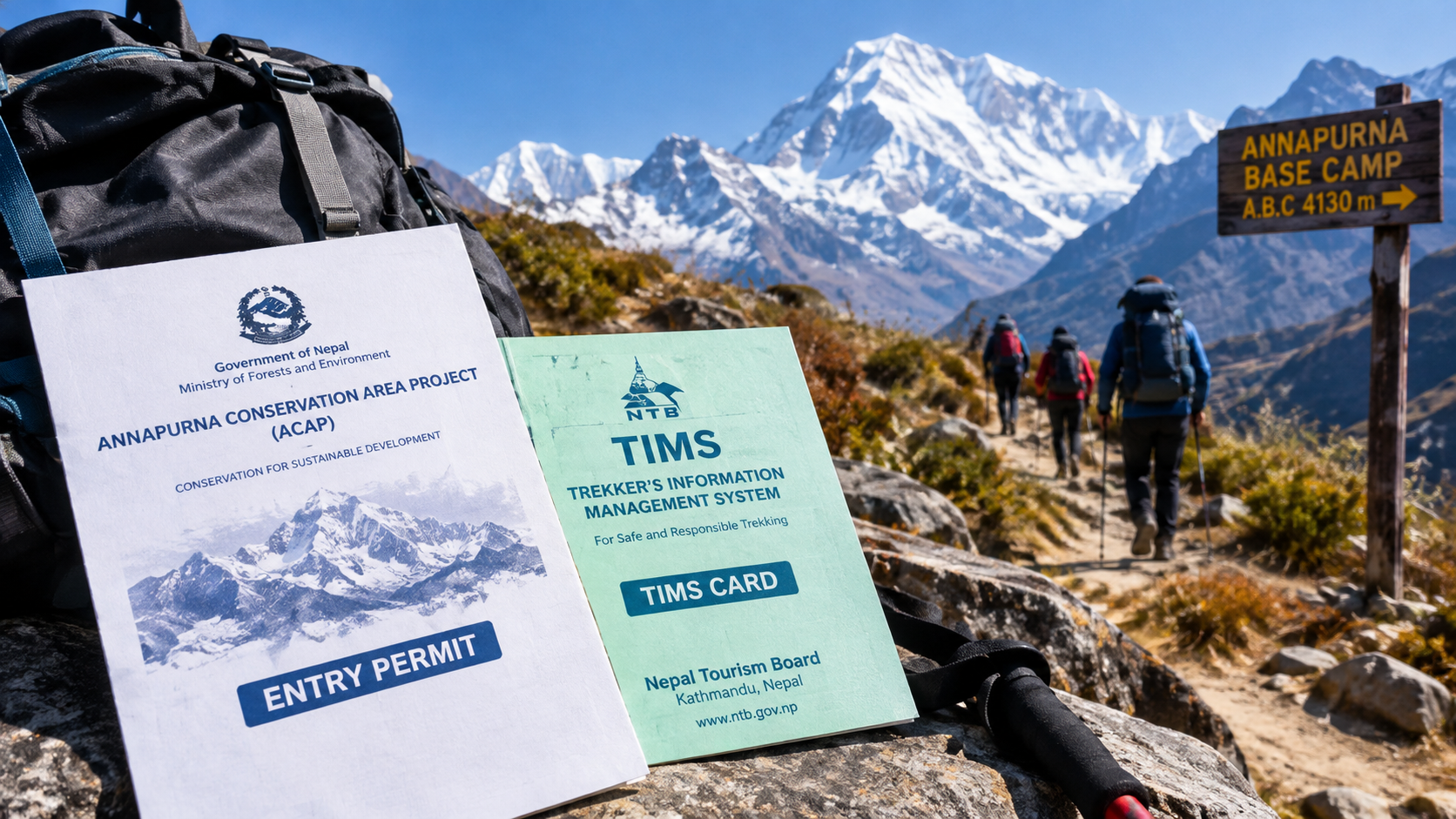
Guides play a vital role in simplifying trek logistics and navigating the often complex permit system in Nepal. Trekking permits such as the TIMS card and national park entry passes are mandatory and vary depending on the trekking region. Obtaining these permits independently can be confusing and time-consuming for first-time visitors.
Licensed trekking guides handle all the necessary paperwork efficiently, ensuring that permits are secured on time and correctly, which helps avoid fines or trekking delays. Beyond permits, guides coordinate transportation from Kathmandu or Pokhara to trailheads, arrange accommodation in mountain lodges or teahouses, and manage meal planning, which can be challenging in remote areas with limited options. Their local connections often secure better lodging and food quality, enhancing your comfort during the trek.
Logistical Support Includes
- Obtaining and managing trekking permits and entry passes
- Coordinating transport to and from trailheads
- Booking accommodation and arranging meals
- Navigating local regulations and customs
- Handling unexpected changes or emergencies
What Economic Impact Does Hiring a Trekking Guide Have on Local Communities?
Hiring a trekking guide provides significant economic benefits to local communities, many of whom rely on tourism as a primary source of income. Most guides come from the regions where they work, so your payment directly supports their families and contributes to the local economy. This income helps sustain traditional livelihoods such as farming, handicrafts, and hospitality services.
In addition to wages, guides often recommend local businesses for food, lodging, and souvenirs, spreading tourism revenue more broadly across villages. This economic support encourages sustainable tourism practices and helps preserve cultural heritage by providing incentives to maintain local traditions and protect the natural environment. Choosing ethical guides committed to responsible tourism ensures that your trek positively impacts the communities you visit.
Economic Benefits
- Direct employment and income for local guides and families
- Support for village businesses, artisans, and food vendors
- Promotion of sustainable and responsible tourism practices
- Preservation of cultural heritage and traditional livelihoods
- Encouragement of community development initiatives
What Are the Benefits of Sustainable and Responsible Trekking with a Guide in Nepal?
Sustainable and responsible trekking with a guide helps protect Nepal’s fragile mountain ecosystems and respects local cultures. Guides educate trekkers on minimizing waste by avoiding single-use plastics and disposing of garbage properly. They encourage sticking to marked trails to prevent soil erosion and disturbance to wildlife habitats.
Guides also serve as cultural mediators, helping travelers understand and respect local customs, dress codes, and religious practices. This respectful behavior fosters goodwill and preserves the cultural fabric of mountain communities. Supporting eco-friendly accommodations and local products through your guide promotes environmental conservation and economic sustainability, ensuring that Nepal’s natural beauty and cultural richness endure for future generations.
Sustainability Practices
- Waste reduction and responsible disposal
- Avoidance of plastic and non-biodegradable materials
- Respect for wildlife and natural habitats
- Support for eco-friendly lodges and local products
- Promotion of cultural sensitivity and respect
How Does Guided Trekking Compare to Independent Trekking in Nepal?
Guided trekking offers distinct advantages in safety, convenience, and cultural engagement compared to trekking independently. While independent trekking provides freedom to set your own pace and itinerary, it requires thorough planning, navigation skills, and complex permit management, which can be overwhelming for many travelers.
Guides provide up-to-date trail information, emergency support, and local insights that independent trekkers might miss. They help you avoid overcrowded routes, suggest hidden gems, and manage unexpected challenges like weather changes or health issues. For most travelers, especially those new to high-altitude environments, a Everest Base Camp Trek for Beginners ensures a safer, more enjoyable, and culturally richer experience.
Comparison Highlights
- Enhanced safety and emergency readiness
- Streamlined permit and logistical management
- Access to insider cultural knowledge and local stories
- Flexibility through personalized guidance
- Reduced stress and increased confidence
Which Popular Trekking Routes in Nepal Benefit Most from Hiring a Guide?
Popular trekking routes such as Everest Base Camp Trek, Annapurna Circuit Trek, and Manaslu Circuit Trek benefit greatly from hiring a guide due to their length, remoteness, and technical challenges. These routes require careful acclimatization, permit management, and navigation through diverse terrains.
Guides help manage altitude sickness risks by monitoring your health and adjusting the itinerary when needed. They facilitate access to restricted areas by handling special permits and provide valuable cultural insights along the way. Other Himalayan trekking routes, especially those less frequented or more rugged, also gain from guides’ expertise in weather forecasting, trail conditions, and local hospitality networks.
Ideal Routes for Guides
- Everest Base Camp Trek for altitude and crowd management
- Annapurna Circuit Trek for diverse terrain and cultural stops
- Manaslu Circuit Trek for restricted permits and remote access
- Other remote or technically demanding Himalayan trails
How Do You Choose a Licensed Trekking Guide in Nepal?
Choosing a licensed trekking guide involves verifying their credentials through official channels such as the Nepal Tourism Board or reputable trekking agencies. Licensed guides have undergone training in first aid, safety protocols, and local knowledge, ensuring professionalism and competence.
It is important to check reviews and testimonials from previous trekkers to gauge the guide’s reliability, communication skills, and personality. Meeting your guide before the trek to discuss your expectations, health status, and trekking goals helps ensure a good match. The best guides are passionate about sharing Nepal’s culture and environment, committed to responsible tourism, and attentive to your safety and comfort.
Selection Tips
- Verify official licensing and certifications
- Research reviews and recommendations
- Communicate your needs and health concerns upfront
- Choose guides affiliated with responsible tourism organizations
- Look for guides with experience on your chosen trekking route
What Are Common Myths About Trekking with Guides in Nepal?
Several myths surround trekking with guides in Nepal, including the belief that guides are too expensive or unnecessary and that they restrict your freedom. In reality, hiring a guide is an investment in safety, convenience, and cultural enrichment that often saves money and stress in the long run.
Another misconception is that guides only speak Nepali or enforce rigid itineraries. Many licensed guides speak fluent English and tailor the trek to your pace and preferences, offering flexibility and personalized experiences. Dispelling these myths helps travelers recognize the true value a guide brings to their Himalayan adventure.
Myth vs Reality
- Guides are affordable and worth the cost
- They enhance freedom by managing logistics
- Most speak English and communicate well
- Treks are customized to individual needs
- Guides improve safety and enrich cultural understanding
What Does a Licensed Trekking Guide in Nepal Do?
A licensed trekking guide leads trekkers safely through the mountains by managing all aspects of the journey. They ensure that permits are in order, monitor your health, and provide cultural and natural interpretation along the way. Guides coordinate with porters, lodges, and local communities to make your trek smooth and enjoyable.
Their role extends beyond navigation. They act as health monitors, emergency responders, and cultural ambassadors. By combining expert knowledge with local hospitality, guides enhance both the safety and the richness of your Safe and Sustainable Trek in the Himalayas.
How Can a Mountain Guide Nepal Help Prevent Altitude Sickness?
Mountain guides help prevent altitude sickness by carefully pacing your ascent, encouraging adequate hydration, and recommending rest days to allow your body to acclimatize. They monitor for early symptoms like headaches or nausea and can adjust the itinerary or arrange medical evacuation if necessary.
Their experience and vigilance are crucial for reducing the risks associated with high-altitude trekking, enabling you to enjoy the mountains safely and healthily.
What Trekking Permits Are Required in Nepal?
Trekking permits in Nepal are essential for regulating tourism, ensuring safety, and supporting environmental conservation. While requirements vary by region, here is a breakdown of the most common permits:
- TIMS Card (Trekkers’ Information Management System): This is a mandatory record-keeping system for most trekking routes in Nepal. It helps track trekker information to provide assistance in case of emergencies.
- National Park & Conservation Area Permits: If your trek passes through protected areas, you must obtain entry permits like the MCAP (Manaslu Conservation Area Permit) or ACAP (Annapurna Conservation Area Permit). These fees directly support local biodiversity and trail maintenance.
- Restricted Area Permit (RAP): Certain regions are designated as “Restricted Areas.” Because of their cultural and environmental sensitivity, the government requires a special RAP. These permits can only be obtained through a government-registered trekking agency, and they often mandate that you trek with a licensed guide.
- Local Government Fees: Some rural municipalities now collect a local entry fee to fund regional development and trail infrastructure.
Expert Handling for a Seamless Journey
Applying for these permits independently is often not possible for restricted zones, and even for open areas, the bureaucracy can be complex. Licensed guides and agencies handle the entire application process, ensuring your documentation is accurate, valid, and ready for checkpoints. This proactive approach saves you significant time in Kathmandu and prevents legal issues or fines while on the trail.
For those planning to explore one of Nepal’s most iconic restricted regions, our comprehensive Manaslu Circuit Trek includes full support for obtaining all necessary permits, allowing you to focus entirely on the breathtaking Himalayan landscape.
How Does Guided Trekking Support Local Communities in Nepal?
Guided trekking supports local communities by providing employment opportunities and encouraging trekkers to use local services such as lodges, restaurants, and shops. Guides promote responsible tourism by fostering respect for local culture and the environment.
This support helps preserve traditional livelihoods and cultural heritage while contributing to sustainable community development and environmental conservation.
What Makes the Best Trekking Guide in Nepal?
Trekking with a guide in Nepal is more than just having someone lead the way. A skilled guide enhances your safety, helps you understand local culture, manages unexpected challenges, and ensures you get the most from your Himalayan adventure. Whether you are trekking to Everest Base Camp, Annapurna, Langtang, or remote regions like Manaslu and Tsum Valley, the right guide can transform a good trek into a truly unforgettable experience.
If you are looking for an affordable and reliable trekking company in Nepal, choosing a trusted local operator with experienced guides, transparent pricing, and personalized service can make all the difference. Contact us today to start planning your perfect Himalayan adventure and experience Nepal’s mountains with confidence.
FAQs About Licensed Trekking Guides in Nepal
What does a licensed trekking guide do in Nepal?
A licensed trekking guide leads trekkers safely through the mountains, manages logistics, monitors health conditions, arranges accommodations, and provides valuable information about local culture, history, and nature.
Why should I hire a licensed trekking guide for a Himalayan trek?
Hiring a licensed trekking guide improves safety, helps with navigation, assists during emergencies, and enhances your understanding of local communities and mountain environments.
Are trekking guides mandatory in Nepal?
Yes, on many trekking routes in Nepal, including several restricted and protected areas, trekkers are required to hire a licensed guide according to government regulations.
How does a trekking guide help prevent altitude sickness?
A trekking guide monitors your physical condition, recognizes early symptoms of altitude sickness, recommends proper acclimatization, and takes immediate action if health issues arise.
Can a trekking guide help during emergencies?
Yes, licensed trekking guides are trained to handle emergencies, coordinate rescue operations, arrange medical assistance, and ensure trekkers receive help quickly when needed.
What are the benefits of trekking with a local guide?
Local guides provide authentic cultural insights, support local communities, help you communicate with residents, and make the trekking experience more meaningful and enjoyable.
Do trekking guides arrange permits and accommodations?
Yes, guides often assist with trekking permits, lodge bookings, transportation arrangements, and other logistics, making the journey more convenient for trekkers.
How does a trekking guide support sustainable trekking?
A licensed guide promotes responsible travel by encouraging environmentally friendly practices, respecting local culture, and supporting community-based tourism throughout the trek.