


- 370 Views
- 10 Min Read
- (0) Comment
Why Timing Matters for Trekking in Nepal?
Choosing the best time to trek in Nepal can have a significant impact on your overall experience. Weather conditions, mountain visibility, trail quality, and trekking safety vary considerably throughout the year. A route that offers clear Himalayan panoramas and comfortable walking conditions in autumn may be affected by heavy rainfall, snow, or poor visibility during another season.
The right trekking season not only enhances the scenery but also improves trail accessibility, accommodation availability, and overall comfort on the journey. Whether you’re planning a trek to Everest Base Camp, Annapurna Base Camp, the Manaslu Region, or a remote Himalayan destination, understanding Nepal’s seasonal patterns is essential for making informed travel decisions. Below is a detailed breakdown of the best trekking seasons in Nepal and what you can expect during each period.
Autum( September to November) The Peak touring Season
Autumn is widely considered the best time to trek in Nepal and is the most popular season among both domestic and international trekkers. Following the summer monsoon, the skies clear dramatically, creating ideal conditions for trekking across the Himalayas. The combination of stable weather, excellent visibility, and comfortable temperatures makes autumn the preferred season for iconic routes such as the Everest Base Camp Trek, Annapurna Circuit Trek, Annapurna Base Camp Trek, and Manaslu Circuit Trek.

Best time to visit Nepal with clear Himalayan mountain views during autumn
One of the biggest advantages of trekking during autumn is the exceptional mountain visibility. The monsoon rains wash away dust and haze, leaving the atmosphere clean and crisp. As a result, trekkers can enjoy uninterrupted views of Nepal’s highest peaks, including Everest, Annapurna, Manaslu, Dhaulagiri, and Langtang. Daytime temperatures in lower trekking regions generally range between 10°C and 20°C, while higher elevations remain cool but comfortable for hiking with proper layering.
Weather Highlights
| Factor | Autumn Conditions |
|---|---|
| Sky Conditions | Clear and sunny |
| Visibility | Excellent |
| Day Temperature | 10°C–20°C (lower elevations) |
| Rainfall | Very low |
| Trail Conditions | Dry and stable |
| Mountain Views | Outstanding |
Best Treks in Autumn
Everest Base Camp Trek
Autumn offers some of the clearest views of Mount Everest and the surrounding Himalayan giants. Stable weather and dry trails make the journey through the Khumbu region more enjoyable and predictable.
Annapurna Circuit Trek
The Annapurna Circuit is at its finest during autumn, with clear mountain panoramas, pleasant temperatures, and excellent conditions for crossing Thorong La Pass.
Manaslu Circuit Trek
For trekkers looking for a less crowded alternative, the Manaslu Circuit Trek provides spectacular mountain scenery, authentic cultural experiences, and ideal trekking conditions during the autumn months.
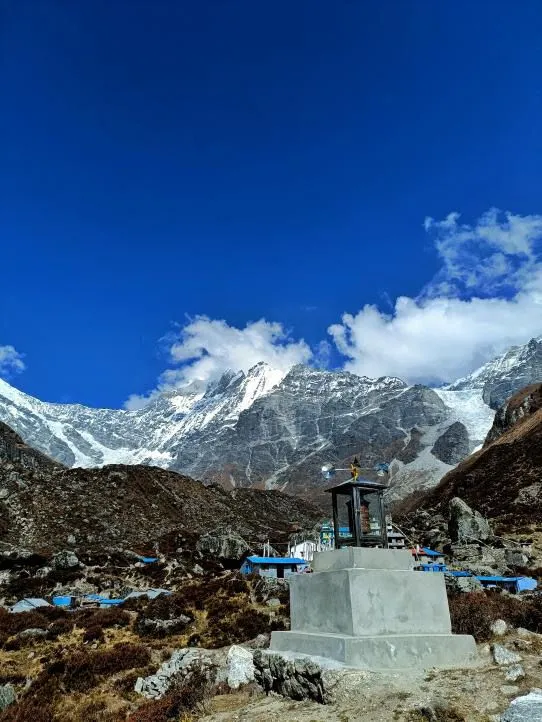
The trekking atmosphere is another reason why autumn remains Nepal’s busiest season. Tea houses, villages, and trekking trails come alive with adventurers from around the world. Major Nepalese festivals such as Dashain and Tihar also take place during this period, offering visitors a unique opportunity to experience local culture and traditions alongside their trekking adventure.
Trekker Insight
Many experienced trekkers consider October the best month of the entire year for trekking in Nepal. Early mornings often begin with crystal-clear skies, and mountain views typically remain visible throughout the day. While popular routes can be busier than other seasons, the exceptional scenery and reliable weather conditions often outweigh the crowds.
Expert Advice
Because autumn is the peak trekking season, flights, accommodation, guides, and permits should be arranged well in advance. Booking early is particularly important for popular destinations such as Everest Base Camp and Annapurna. Trekkers should also prepare for colder temperatures at higher elevations by carrying appropriate layers, especially for early morning starts and overnight stays above 3,500 meters.
Key Takeaway:
Autumn offers the most reliable combination of clear skies, comfortable temperatures, stable weather, and breathtaking mountain views, making it the best time to trek in Nepal for most travelers.
Spring( March to May) A Season of Blossoms and Beauty
Spring is another excellent time to trek in Nepal and is considered the second most popular trekking season after autumn. As winter snow begins to melt and temperatures gradually rise, the Himalayan landscapes come alive with colorful rhododendron forests, blooming wildflowers, and vibrant greenery. The combination of pleasant weather, longer daylight hours, and spectacular mountain scenery makes spring a favorite season for trekkers and nature enthusiasts.

Weather conditions during spring are generally stable, particularly from late March through May. Daytime temperatures at lower elevations typically range between 15°C and 25°C, creating comfortable trekking conditions. Mornings often begin with clear skies and excellent mountain visibility, while occasional afternoon haze may develop later in the season. Higher-altitude regions remain cool but are usually free from the harsh winter conditions experienced in previous months.
Weather Highlights
| Factor | Spring Conditions |
|---|---|
| Sky Conditions | Mostly clear |
| Visibility | Good to excellent |
| Day Temperature | 15°C–25°C (lower elevations) |
| Rainfall | Low to moderate |
| Trail Conditions | Dry and comfortable |
| Mountain Views | Excellent during mornings |
Best Treks in Spring
Annapurna Base Camp Trek
Spring transforms the Annapurna region into a colorful landscape filled with blooming rhododendron forests. Combined with stunning views of Annapurna, Machhapuchhre, and Hiunchuli, it is one of the most rewarding times to visit the area.
Langtang Valley Trek
The Langtang Valley Trek offers beautiful alpine scenery, diverse flora and fauna, and comfortable trekking conditions close to Kathmandu. Spring is particularly attractive for wildlife enthusiasts and photographers.
Ghorepani Poon Hill Trek
Known for its breathtaking sunrise views over the Annapurna and Dhaulagiri ranges, the Ghorepani Poon Hill Trek becomes even more spectacular when the surrounding hillsides are covered in blooming rhododendrons.
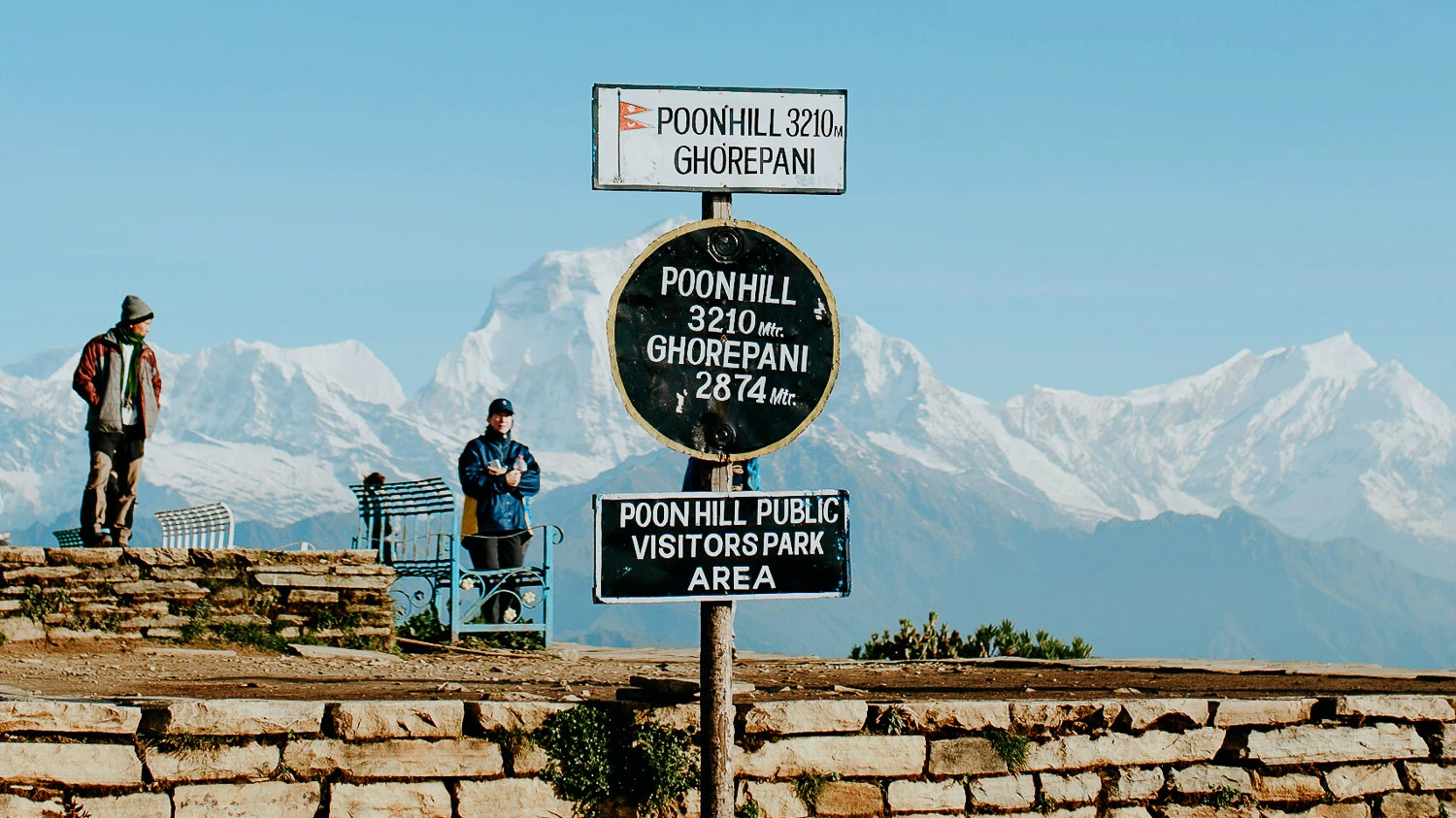
One of the biggest highlights of spring trekking in Nepal is the vibrant natural scenery. Forests throughout the mid-hills burst into color, creating a striking contrast against the snow-covered Himalayan peaks. The season is especially appealing for photographers, bird watchers, and travelers seeking a combination of mountain views and rich biodiversity.
Trekker Insight
During April, many trekking trails in the Annapurna and Langtang regions are lined with red, pink, and white rhododendron blossoms. Early mornings often provide the clearest mountain views, while warmer afternoons create comfortable conditions for long days on the trail.
Expert Advice
Spring is an excellent choice for trekkers who prefer slightly warmer temperatures than autumn. However, as temperatures increase toward May, haze can occasionally reduce visibility in some regions. Starting hikes early in the morning is often the best way to enjoy clear mountain panoramas and avoid afternoon cloud buildup.
Key Takeaway:
Spring offers a perfect balance of comfortable weather, blooming landscapes, and spectacular Himalayan views, making it one of the best times to trek in Nepal for nature lovers, photographers, and first-time trekkers alike.
Winter( December to February) Quiet Trails and Crisp Views
Winter is another option for trekking in Nepal, particularly for travelers seeking quieter trails and a more peaceful mountain experience. While colder temperatures and snowfall can affect higher-altitude routes, many lower and mid-altitude treks remain accessible and offer excellent trekking conditions. The season rewards trekkers with crisp air, clear skies, and some of the most spectacular mountain views of the year.
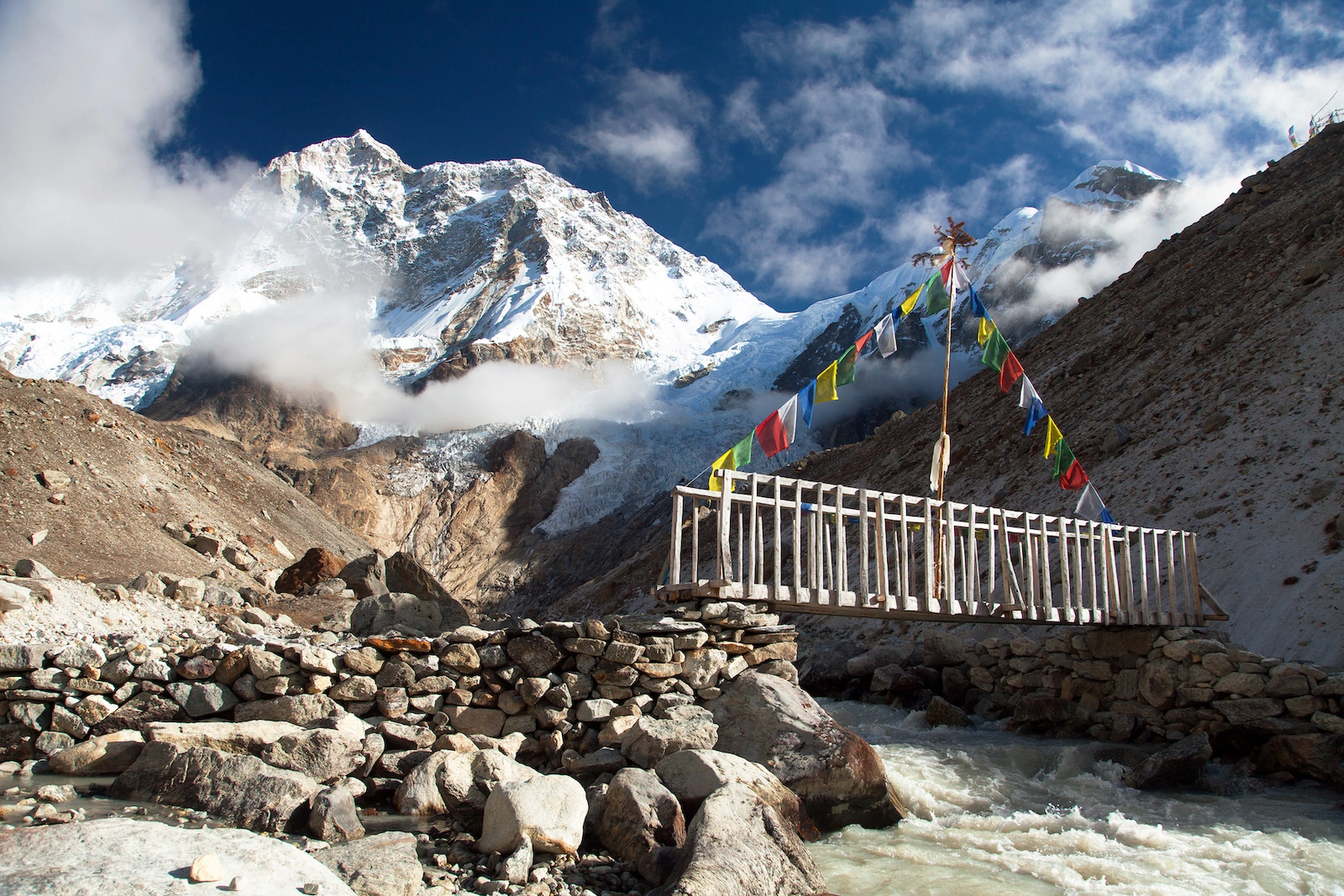
Temperatures vary significantly depending on elevation. Lower trekking regions often experience cool but comfortable daytime conditions, while higher areas can see temperatures drop to -15°C or lower, especially during the night. Snowfall is common on high passes and alpine sections, which may make certain routes more challenging or temporarily inaccessible.
Weather Highlights
| Factor | Winter Conditions |
|---|---|
| Sky Conditions | Clear and sunny |
| Visibility | Excellent |
| Day Temperature | Cool to cold |
| Night Temperature | Can fall below -15°C at high elevations |
| Rainfall | Very low |
| Trail Conditions | Dry at lower elevations, snowy at higher elevations |
Best Treks in Winter
Ghorepani Poon Hill Trek
This short and relatively low-altitude trek remains one of the best winter trekking options in Nepal. Clear winter mornings provide outstanding sunrise views over the Annapurna and Dhaulagiri ranges.
Everest Panorama Trek
The Everest Panorama Trek allows trekkers to experience the beauty of the Khumbu region without reaching extreme altitudes. Winter often brings crystal-clear views of Everest and surrounding peaks.
Helambu Trek
Located close to Kathmandu, the Helambu Trek is less affected by heavy snowfall and offers a quieter alternative to Nepal’s more popular trekking routes.
One of the biggest advantages of winter trekking is the sense of solitude. Popular trails that are crowded during autumn and spring become noticeably quieter, allowing trekkers to enjoy a more peaceful connection with nature and local mountain communities. Accommodation is usually easier to find, and trekking routes feel less congested.
Trekker Insight
Winter mornings often provide exceptionally clear mountain views. However, temperatures can be very cold before sunrise and after sunset, particularly above 3,000 meters. Proper layering and cold-weather gear become essential for comfort throughout the trek.
Expert Advice
Winter trekking is best suited for trekkers who are comfortable with cold conditions and prepared with appropriate equipment. A quality down jacket, warm sleeping bag, insulated gloves, and thermal layers are highly recommended. Before planning a high-altitude trek, check trail and weather conditions carefully, as heavy snowfall can affect mountain passes and remote routes.
Key Takeaway:
Winter trekking in Nepal offers solitude, clear mountain views, and a unique Himalayan experience. While colder temperatures require extra preparation, the peaceful trails and stunning scenery make it a rewarding season for well-prepared trekkers.
Summer/ Thunderstorm( June to August) Lush and Off- the- Beaten- Path
Summer in Nepal coincides with the monsoon season, bringing regular rainfall, lush greenery, and dramatically transformed mountain landscapes. Although this period is often considered the off-season for trekking, it can still be an excellent time to explore specific regions that lie in the Himalayan rain shadow. For trekkers seeking quieter trails, vibrant scenery, and unique cultural experiences, summer offers a different perspective on Nepal’s mountains.

The monsoon brings warm temperatures, high humidity, and frequent rain showers, particularly in central and eastern Nepal. While some popular trekking routes can become muddy and experience reduced mountain visibility, the countryside becomes exceptionally green, rivers flow at full strength, and forests are at their most vibrant. The reduced number of trekkers also creates a more peaceful experience on many trails.
Weather Highlights
| Factor | Summer/Monsoon Conditions |
|---|---|
| Sky Conditions | Mixed, with frequent clouds |
| Visibility | Variable |
| Rainfall | High |
| Humidity | High |
| Landscape | Lush and green |
| Trail Traffic | Low |
Best Treks in Summer
Upper Mustang Trek
Upper Mustang is one of Nepal’s best monsoon trekking destinations because it lies within a rain-shadow region north of the Himalayas. The area remains relatively dry, making it ideal for trekking during the summer months.
Dolpo Region Trek
The remote Dolpo region offers a unique combination of Tibetan culture, dramatic landscapes, and limited rainfall. Its isolated location makes it one of the most rewarding trekking destinations during the monsoon season.
Annapurna Rain-Shadow Treks
Areas such as Upper Mustang, Nar Phu Valley, and sections of the Upper Annapurna region receive significantly less rainfall than other parts of Nepal, providing favorable trekking conditions even during the monsoon.
One of the most appealing aspects of summer trekking is the opportunity to experience Nepal’s remote and less-visited regions. Trails are quieter, local interactions feel more authentic, and the countryside is at its most colorful. The season is particularly attractive for travelers interested in culture, photography, biodiversity, and off-the-beaten-path adventures.
Trekker Insight
Monsoon trekking can be highly rewarding in the right destination. While lower trails may be wet and muddy, rain-shadow regions often experience dry conditions and comfortable temperatures. Trekkers are frequently rewarded with dramatic landscapes, fewer crowds, and unique cultural encounters that are harder to find during peak seasons.
Expert Advice
If trekking during summer, choose destinations carefully. Rain-shadow areas such as Upper Mustang and Dolpo are far better options than routes that receive heavy monsoon rainfall. Waterproof clothing, backpack covers, quick-drying layers, and proper footwear are essential. Flexibility in travel plans is also important, as weather can occasionally affect transportation schedules.
Key Takeaway:
Summer trekking in Nepal is best suited for travelers seeking remote adventures, fewer crowds, and lush landscapes. By choosing rain-shadow regions, trekkers can enjoy rewarding Himalayan experiences even during the monsoon season.
The best time to trek in Nepal ultimately depends on the type of experience you are looking for. Autumn offers the clearest skies, stable weather, and spectacular mountain views, making it the most popular trekking season. Spring brings blooming rhododendron forests, comfortable temperatures, and vibrant landscapes that appeal to nature lovers and photographers. Winter rewards trekkers with peaceful trails and crystal-clear panoramas, while summer opens opportunities to explore remote rain-shadow regions such as Upper Mustang and Dolpo with fewer crowds.
No matter when you choose to visit, Nepal’s Himalayas offer unforgettable adventures, rich cultural experiences, and some of the world’s most breathtaking mountain scenery. By selecting the right season for your trekking goals, you can make the most of your journey and enjoy a safer, more rewarding experience in the mountains. Start planning your Himalayan adventure and discover the season that best matches your travel style and trekking aspirations.


Leave a comment: