- 1.1k Views
- 13 Min Read
- (0) Comment
The Kathmandu to Lukla flight takes just 20–25 minutes, but planning it correctly can make or break your entire Everest trek. What most travelers don’t realize until they start booking is that Kathmandu to Lukla flights no longer depart from Kathmandu at all.
Since 2019, all fixed-wing Lukla flights operate from Manthali Airport in Ramechhap, a 4–5-hour drive from the capital. This guide covers everything you need to know for 2026: current prices, airline options, the Ramechhap logistics, helicopter alternatives, weather delays, and how to book without the headaches.
Why Lukla flights now depart from Ramechhap instead of Kathmandu
Lukla flights now depart from Ramechhap instead of Kathmandu because Nepal’s Civil Aviation Authority moved all fixed-wing Lukla operations to Manthali Airport in Ramechhap district in 2019 to reduce congestion at Kathmandu’s single international runway. Tara Air, Sita Air, and Summit Air operate morning departures between 6:00 AM and 10:30 AM from Ramechhap, with flight times of 20–25 minutes and one-way fares around USD 180–230 for foreign nationals.
For trekkers, this change means an early morning drive before the flight itself. The road from Kathmandu to Ramechhap covers approximately 130 km and takes around 4–5 hours, depending on conditions. Most trekking agencies arrange private or shared vehicles departing Kathmandu between 2 and 3 AM to reach Ramechhap before the first flights at dawn.
- Distance from Kathmandu to Ramechhap: approximately 130 km
- Drive duration: around 4–5 hours, depending on road conditions
- Departure time from Kathmandu: typically 2–3 AM to catch dawn flights
- Direct Kathmandu departure: only available via helicopter charter
Kathmandu to Lukla flight prices in 2026
The cost of flying to Lukla depends on whether you’re booking the flight alone or as part of a package that includes ground transport from Kathmandu. Prices vary slightly between airlines and booking platforms, but the range remains fairly consistent across the industry. Understanding what’s included in each fare type helps you budget accurately and avoid surprise costs at the airport.
Standard one-way flight fare
A one-way flight from Ramechhap to Lukla costs approximately USD 180–230 per person for foreign nationals. This price covers the 20–25 minute flight only and does not include the drive from Kathmandu. Nepali and Indian nationals pay a lower government-regulated fare, typically around NPR 6,000–8,000.
Ramechhap to Lukla flight with ground transport included
Many trekking agencies bundle the Kathmandu-to-Ramechhap drive with the flight ticket. Combined packages typically cost USD 199–250 per person one-way and include a private or shared vehicle, the flight, and coordination at both ends.
Luggage allowance and extra baggage fees
Lukla flights operate on small STOL aircraft with strict weight limits. STOL stands for Short Take-Off and Landing, a category of aircraft designed for runways too short for conventional planes. The standard checked baggage allowance is 10 kg, with an additional 5 kg carry-on allowance. Excess baggage fees run approximately USD 1–2 per kg, payable at the airport before boarding.
| Fare Type | Approximate Cost (USD) | Includes Transport |
| Flight only (Ramechhap–Lukla) | 180–230 | No |
| Flight + ground transport | 199–250 | Yes |
| Helicopter (shared seat) | 350–500 | Yes |
| Helicopter (private charter) | 2,500–4,000 | Yes |
Daily Lukla flight schedule
Lukla flights don’t operate on a typical airline schedule. Mountain weather dictates everything, which means a narrow morning window is all that’s available.
Airlines don’t publish fixed departure times the way they do for commercial routes. Instead, flights launch in sequence as soon as conditions allow, with pilots making real-time decisions based on visibility and wind at both ends of the route.
Morning departure window
The first flights typically depart Ramechhap around 6:00 AM, with the last flights aiming to leave before 10:30–11:00 AM. Multiple airlines operate back-to-back during this window, sometimes launching flights every few minutes when conditions are good.
Why do all flights to Lukla leave before mid-morning
All flights to Lukla leave before mid-morning because thermal winds build in the mountain valleys and clouds roll in from the south as the day progresses. By late morning, visibility at Lukla’s runway drops significantly, and wind gusts make the approach unsafe for small aircraft. No flights operate after late morning regardless of passenger demand. Pilots fly this route by sight rather than by instruments, so clear visibility is essential for a safe landing.
Airlines flying to Lukla, Nepal
Three domestic carriers handle the bulk of Lukla flights, and all use similar aircraft specifically designed for short-runway operations. These airlines operate under Nepal’s Civil Aviation Authority regulations and maintain comparable safety standards. While each carrier has its own history and fleet, the practical differences between them are minimal for most trekkers. The choice of airline is often determined by availability rather than preference, as all three follow the same operational protocols on the Ramechhap–Lukla route.
Tara Air
Tara Air is the longest-operating Lukla carrier and part of the Yeti Airlines group. The airline has been flying this route for decades and maintains a consistent presence on the Ramechhap–Lukla sector.
Summit Air
Also known as Goma Air, Summit Air operates a modern fleet of STOL aircraft. The carrier has built a track record on the Ramechhap–Lukla route and is a common choice among trekking agencies.
Sita Air
Sita Air is another established domestic carrier serving the Lukla route. The airline has been operating in Nepal’s mountain aviation sector for years and contributes to daily flight operations.
- Aircraft type: Twin Otter or similar STOL planes (15–19 passengers)
- Flight duration: approximately 20–25 minutes
- All three airlines: similar pricing, similar aircraft, similar operational standards
Helicopter options for flying to Lukla
Helicopters offer an alternative when fixed-wing flights are grounded or when travelers want to skip the Ramechhap drive entirely. Unlike the small STOL aircraft that operate from Ramechhap on strict morning schedules, helicopters can depart directly from Kathmandu and often fly in conditions that would ground planes. This flexibility makes them a practical backup option during weather delays and a premium choice for trekkers who prefer to avoid the pre-dawn drive to Ramechhap.
Helicopter flights to Lukla take approximately 45–50 minutes from Kathmandu and land at the same Tenzing Hillary Airport where fixed-wing flights arrive. The cost is significantly higher than standard flights, but the convenience and reliability can justify the expense, especially when weather disruptions threaten to derail tight international flight connections or limited trek schedules. Both private charters and shared-seat options are available depending on budget and group size.
Private charter helicopter from Kathmandu
A private helicopter charter flies directly from Kathmandu to Lukla in approximately 45–50 minutes, bypassing Ramechhap completely. This option costs USD 2,500–4,000 for the aircraft, and up to 5 passengers can share the cost. When weather grounds planes at Ramechhap, helicopters can often still fly due to their greater maneuverability.
Shared-seat helicopter
Everest Helicopter Tour services allow individual travelers to book a single seat and split the charter cost with other passengers. These flights also depart directly from Kathmandu, typically costing USD 350–500 per person. This middle-ground option avoids the early-morning drive while keeping costs more manageable than a private charter.
What the flight from Kathmandu to Lukla is actually like
For first-timers, the Lukla flight delivers equal parts awe and adrenaline. The experience is unlike any commercial flight you’ve taken before.
Understanding what happens during those 20 minutes in the air makes the approach less intimidating. Preparation starts with knowing the flight itself is just one piece of a larger logistical puzzle.
The twenty-minute flight over the Himalayas
The flight from Ramechhap to Lukla takes 20–25 minutes. The small aircraft climbs over terraced hillsides and deep river valleys before snow-capped Himalayan peaks appear on the horizon. On clear days, Everest itself becomes visible. Window seats on the left side of the plane generally offer the best mountain views on the approach to Lukla.
Landing at Tenzing Hillary Airport
Tenzing Hillary Airport in Lukla has one of the world’s most challenging runways at just 527 meters long with a 12% uphill gradient. The steep slope helps planes slow down quickly after touchdown. The final approach threads between mountain walls, and the landing is abrupt by design. STOL aircraft are specifically built for airports like this, where conventional planes cannot operate safely.
Weather delays and Lukla flight cancellations
Weather delays aren’t just possible on the Lukla route—they’re expected. The mountain environment shifts quickly, and conditions that look clear at dawn can deteriorate within minutes, grounding flights without warning.
Understanding how the weather affects operations helps you plan realistically. Cancellations happen even during peak season, and no airline can guarantee departure times when visibility and wind are the deciding factors.
Why Lukla flights get cancelled
Lukla flights get cancelled because low clouds, poor visibility, and high winds make the visual approach to the mountain runway unsafe. Pilots fly this route by sight rather than by instruments, so if they cannot see the runway clearly, they do not fly.
- Cloud cover: obscures the mountain runway approach
- Wind gusts: dangerous for small aircraft on a short runway
- Monsoon season: highest cancellation rates from June to August
- Morning fog: can delay even peak-season flights at Ramechhap or Lukla
What happens when your flight is delayed
When flights are cancelled, passengers wait at Ramechhap airport for conditions to improve. If weather doesn’t clear, flights are rebooked in sequence for the following day. During prolonged bad weather, delays can stack up for multiple days, with trekkers waiting at the airport or in nearby lodges for updates.
How trekking agencies handle Lukla flight delays
Experienced trekking agencies anticipate weather disruptions and build solutions directly into their service. A good guide manages accommodation, rebooking, and alternative transport during delays.
- Buffer days: built into trek itineraries at the start and end to absorb delays
- Accommodation: guides arrange lodging and meals during extended delays in Ramechhap or Lukla
- Helicopter backup: agencies can arrange helicopter transfers at extra cost if flight delays threaten international connections
- Communication: support staff keep travelers informed of flight status and next steps
Booking through a full-service agency means someone is managing logistics while you focus on the trek itself. Wilder Way Trekking includes Lukla flight coordination in all Everest Base Camp Trek packages and other Everest region itineraries.
Best time of year to fly to Lukla
Timing your flight during the right season dramatically improves the chances of flying on schedule. Weather patterns in the Himalayas follow predictable cycles, and choosing the right months can mean the difference between smooth departures and multi-day delays at Ramechhap.
The season you choose affects not just flight reliability but also trail conditions, visibility, and overall trekking experience. Understanding when flights operate most reliably helps you plan realistic itineraries and avoid the frustration of extended weather delays.
Peak trekking seasons with reliable flights
Spring (March–May) and autumn (September–November) offer the most stable weather and the most reliable flight operations. Skies are generally clear, visibility is good, and cancellation rates are at their lowest. These months also provide the Best Time to Trek in Nepal conditions in the Khumbu region.
Months to avoid for Lukla flights
The monsoon months (June–August) bring heavy rain and frequent cloud cover, causing the highest rates of flight cancellations. Winter (December–February) can also bring cold temperatures, potential snow delays, and a reduced number of scheduled flights.
How to book a Kathmandu to Lukla flight
Three main options exist for booking, each with different trade-offs in terms of convenience and flexibility. Most trekkers book through their trekking agency, which simplifies logistics and provides support during delays. Independent travelers can also book directly through online portals or walk-in agencies in Kathmandu, though this requires managing ground transport and rebooking on your own.
1. Book through your trekking agency
This is the most common method. The agency handles flight booking, coordinates ground transport to Ramechhap, and manages any rebooking or alternative arrangements if flights are delayed. Wilder Way Trekking includes all Lukla flight arrangements in Everest region packages.
2. Book online through a Lukla flight portal
Dedicated booking websites specialize in Lukla flights and allow independent travelers to book directly. However, independent bookers are responsible for arranging their own transport to and from Ramechhap airport.
3. Book directly at a travel agency in Kathmandu
Walk-in booking is possible at travel agencies in Thamel, Kathmandu. However, during peak season, flights often sell out weeks or months in advance, so availability may be limited.
Essential tips before flying to Lukla
A few practical preparations make the Lukla flight experience smoother.
- Arrive in Kathmandu at least one day early: allows time to prepare and reach Ramechhap without rushing
- Keep one buffer day before your international departure: protects against weather delays on the return flight
- Pack essentials in your carry-on: checked bags may sometimes arrive on a different flight
- Bring snacks and water: Ramechhap airport has limited facilities
- Confirm your booking 24 hours ahead: flight times can shift
Everest treks that begin with the Lukla flight
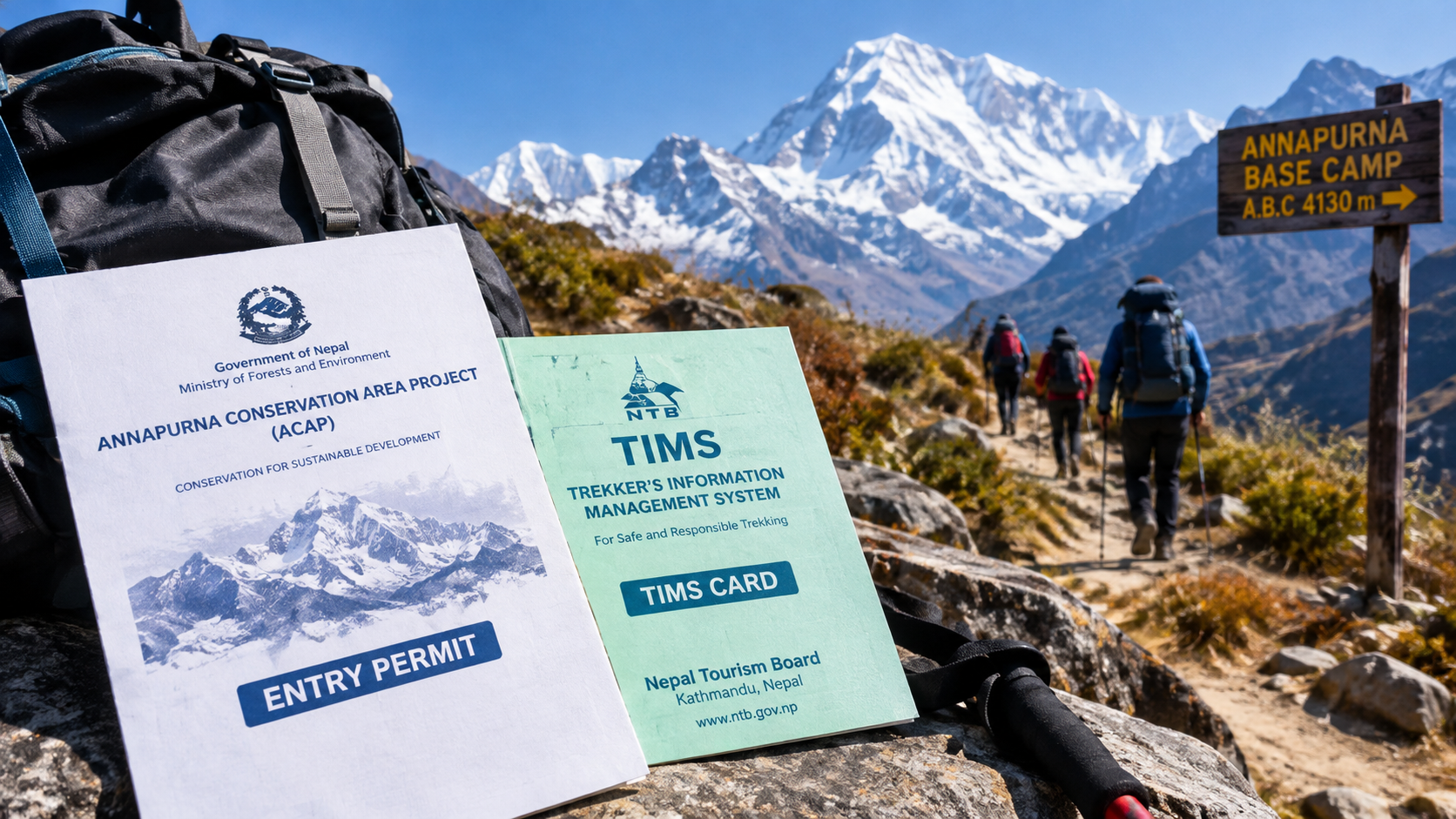
Every major Everest trek starts with the flight to Lukla. Once you land, the trail begins almost immediately. If the Lukla flight logistics feel daunting, treks like Everest Base Camp vs. Annapurna Base Camp offer a compelling alternative that skips mountain flights entirely.
Everest Base Camp Trek
The classic route takes approximately 12–14 days, starting from Lukla and ascending through Sherpa villages to Everest Base Camp at 5,364 meters. The Best 14-Day Everest Base Camp Itinerary is the most popular Everest region trek and a realistic goal for first-time trekkers with proper preparation.
Three Passes Trek
A challenging 17–19 day circuit for experienced trekkers, crossing three high passes—Kongma La, Cho La, and Renjo La—all above 5,000 meters. The Everest Three Passes Trek – 17 Days combines the classic Everest Base Camp route with high-altitude pass crossings, offering a more adventurous alternative to the standard trek. This route requires previous trekking experience and solid acclimatization.
Gokyo Lakes Trek
An alternative route featuring the turquoise Gokyo Lakes and an ascent of Gokyo Ri viewpoint for panoramic views of Everest and surrounding peaks. The Gokyo Ri Trek – 11 Days offers a quieter alternative to the crowded Everest Base Camp trail while delivering equally stunning mountain scenery.
Plan your Everest trek with Wilder Way Trekking
Wilder Way Trekking is an affordable Nepal operator specializing in Everest region treks. The company handles all Lukla flight booking, provides experienced local guides, offers support during delays, and designs itineraries with buffer days built in.
- Flight logistics handled: Lukla flight booking and Ramechhap transport included in packages
- Buffer days built in: itineraries account for potential weather delays
- Helicopter backup options: helicopter transfers can be arranged if needed
- Government-registered operator: fully licensed for all Everest region trekking
FAQs
Can I fly directly from Kathmandu to Lukla without going to Ramechhap?
During peak seasons, all scheduled fixed-wing airline flights depart from Ramechhap, not Kathmandu. The only way to fly directly from Kathmandu to Lukla is by chartering a private helicopter or booking a seat on a shared helicopter flight.
What documents do I need to board a Lukla flight?
Passengers need their passport or other valid photo ID and the flight ticket provided by the airline or trekking agency. Trekking permits like the Khumbu Pasang Lhamu Rural Municipality Permit are checked in Lukla after landing, not at the departure airport.
Is travel insurance required for the Lukla flight?
Airlines don’t require proof of insurance to board. However, comprehensive travel insurance covering high-altitude trekking and helicopter evacuation up to 6,000 meters is recommended for anyone trekking in the Everest region.
How early do I arrive at Ramechhap airport?
Arriving at Ramechhap airport at least 30–45 minutes before the scheduled departure time is typical. Since most travelers drive from Kathmandu the same morning, this means leaving the hotel around 2–3 AM.
What happens to my checked baggage if the Lukla flight is cancelled?
Baggage stays with passengers at the airport. Bags are not loaded onto the aircraft until the flight is confirmed for departure, so if a flight is cancelled, passengers take their bags to overnight accommodation.
Can I get a refund if my Lukla flight is cancelled due to weather?
Weather-related cancellations typically result in rebooking on the next available flight rather than a refund. Checking the specific cancellation and rebooking policy of the airline or trekking agency before booking is helpful.
Are there treks that avoid flying to Lukla entirely?
Yes, the classic “Pioneers’ Route” from Jiri to Everest Base Camp bypasses the flight entirely. However, this adds approximately 7–8 extra trekking days to reach the point where the flight-based trek begins.