
- 149 Views
- 17 Min Read
- (0) Comment
The gear lists that appear when you search for Everest trekking equipment often include ice axes, crampons, oxygen systems, and $15,000 worth of technical mountaineering equipment. That’s summit expedition gear, not the actual Everest trekking gear you need for the Everest Base Camp trek.
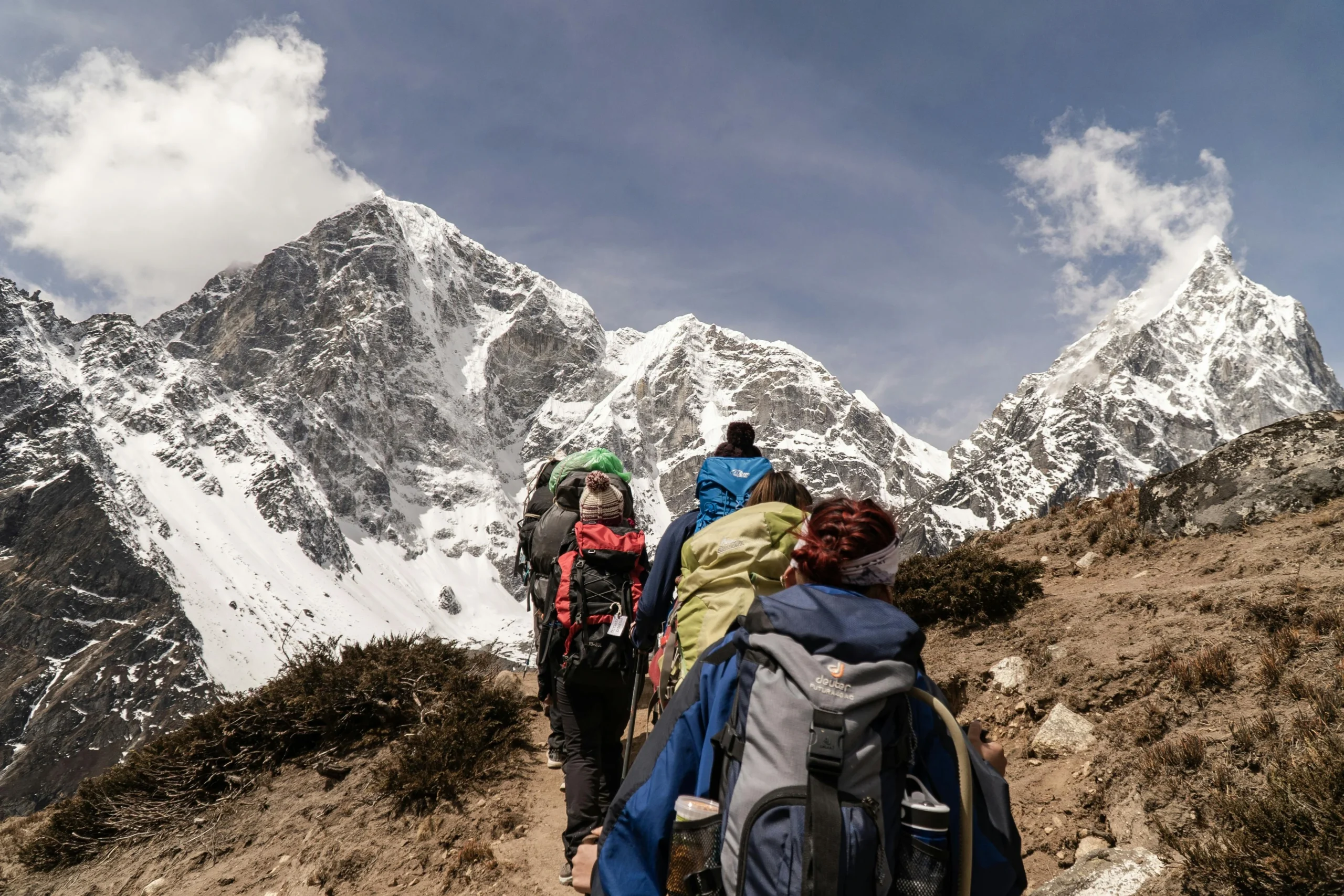
The EBC trek reaches 5,364m on established trails, sleeping in tea houses, with porters carrying the heavy load. This Everest trekking gear guide covers the practical equipment for that trek: layered clothing, sturdy hiking boots, sleeping systems, and the accessories that make the difference between a comfortable journey and a difficult one.
Essential gear for your Everest Base Camp trek
The Everest Base Camp trek reaches 5,364m and follows established trails, which means this is trekking, not mountaineering. Summit expeditions require $15,000+ in technical climbing equipment like 8000-meter boots, crampons, ice axes, oxygen systems, and down suits rated to -40°C. The EBC trek, on the other hand, calls for layered clothing, sturdy hiking boots, and practical accessories for variable mountain weather.
Many gear lists online mix up trekking and expedition equipment, which creates confusion. For the EBC trek, you’re walking on well-maintained paths, sleeping in tea houses, and carrying a daypack while porters handle the heavier load.
- Footwear: Hiking boots, camp shoes, gaiters, trekking socks
- Clothing layers: Base, mid, and outer shell system
- Sleep system: Sleeping bag, liner, travel pillow
- Bags: Daypack, duffel for porters, dry bags
- Accessories: Trekking poles, headlamp, sunglasses, water bottles
Trekking boots and footwear for Everest
Proper footwear is the single most important gear decision for the EBC trek. The right boots prevent blisters, protect ankles on rocky terrain, and keep feet warm and dry across 130+ kilometers of trail.
Footwear failures—blisters, cold toes, wet socks, or ankle injuries—can end a trek prematurely or make every step miserable from Lukla to Base Camp. Getting boots right from the start means the difference between focusing on the stunning mountain scenery and limping through each day counting down kilometers until the next tea house.
Hiking boots
Waterproof hiking boots with ankle support work well for EBC, and they’re completely different from the technical 8000-meter mountaineering boots used for summit expeditions. Look for boots with a stiff sole for rocky terrain, a waterproof membrane like Gore-Tex, and enough room for thick socks without pinching. Breaking them in thoroughly before departure prevents the genuinely miserable blisters that can derail a trek above Namche Bazaar.
Camp shoes
Lightweight sandals or sneakers give feet a chance to breathe and recover at tea houses each evening. After 6–7 hours on the trail, switching out of boots makes a noticeable difference to comfort and helps feet dry out overnight.
Gaiters
Gaiters prove useful on snowy sections near Gorak Shep and Base Camp, keeping debris and snow out of boots. They’re not essential in peak season but worth packing for shoulder season treks or if conditions turn wintry.
Trekking socks
Merino wool or synthetic moisture-wicking socks prevent blisters and regulate temperature. Pack at least 4–5 pairs.
- Merino wool: Natural odor resistance, excellent temperature regulation
- Synthetic: Quick-drying, durable, more affordable
- Layering tip: A thin liner sock under a thicker outer sock reduces friction
Clothing layers for the Everest Base Camp trek
The layering system works by combining base, mid, and outer layers that can be added or removed as conditions change. Temperature swings of 25°C or more between sunny afternoons and freezing nights are common, so understanding how each layer functions makes packing decisions much simpler. This approach prevents the common mistake of packing a single heavy jacket that’s either too warm during the day or insufficient at night.
Base layers
Synthetic or merino wool tops and bottoms sit against the skin and wick moisture away from the body. Wicking means the fabric pulls sweat to the outer surface where it evaporates, keeping you dry and warm. Cotton absorbs moisture and holds it against the skin, which leads to dangerous chilling at altitude.
Insulating mid layers
Fleece jackets, down vests, and lightweight puffy jackets trap warm air while allowing moisture to escape. A quality fleece plus a packable down jacket covers most conditions between Lukla at 2,860m and Gorak Shep at 5,164m.
Outer shell and rain gear
Waterproof, breathable hard shell jackets and pants protect against rain, snow, and wind. Above Lobuche, wind chill becomes a serious factor even on clear days, so shell layers double as wind protection at higher elevations.
Trekking pants
Lightweight, quick-dry, stretchy pants work best for daily trekking. Convertible zip-off options offer versatility for warmer lower elevations. Cotton jeans are heavy, slow to dry, and uncomfortable when wet.
Thermal underwear
Lightweight thermal underwear adds warmth for sleeping and cold mornings without bulk. One set covers evenings and early starts above Dingboche.
Sleeping bag requirements for EBC trek
The sleeping bag decision often comes down to renting versus buying, and both approaches work depending on budget and future trekking plans. Buying makes sense for trekkers planning multiple high-altitude adventures, while renting offers a practical solution for one-time EBC trekkers who want to avoid the upfront cost and luggage space of a quality cold-weather bag. The choice also depends on how much control you want over gear quality, since owning your own bag guarantees cleanliness and performance, while rentals require careful inspection but save hundreds of dollars.
Temperature rating
A sleeping bag rated to -15°C to -20°C comfort provides adequate warmth in tea house dormitories, which are unheated above Namche Bazaar. Quality bags meeting this specification can be rented in Kathmandu’s Thamel district for approximately $1–2 per day.
Sleeping bag liner
A silk or fleece liner adds 5–10°C of warmth and keeps the bag clean, which is especially helpful when renting. Liners pack small, weigh almost nothing, and make a noticeable difference on cold nights above 4,000m.
Travel pillow
Tea house pillows vary dramatically in quality. A compact inflatable or compressible travel pillow improves sleep quality, which directly affects acclimatization and energy levels.
Backpacks and bags for Everest trekking
The standard system involves carrying a daypack yourself while porters transport a larger duffel bag. This arrangement keeps daily loads manageable while ensuring all gear reaches each tea house. Porters typically handle the duffel in the morning and deliver it to the next accommodation by afternoon, allowing trekkers to focus on the trail with only essential items on their backs.
Daypack
A 30–40 liter daypack carries everything needed during trekking hours: water bottles (minimum 2 liters), snacks and lunch items, rain gear and an extra warm layer, camera and electronics, sunscreen, sunglasses, lip balm, and personal medications.
Duffel bag for porters
A soft-sided duffel bag of 60–80 liters holds clothing, sleeping bag, and non-essential items. Responsible trekking standards limit porter loads to 20–25kg total, so packing thoughtfully matters. Hard-sided luggage is difficult for porters to carry and doesn’t compress well.
Dry bags and stuff sacks
Waterproof dry bags and stuff sacks organize gear inside the duffel and protect against rain. Even with rain covers, moisture finds its way into bags during multi-day treks.
Headwear and gloves for high-altitude trekking
The body restricts blood flow to extremities at altitude, making head and hand protection critical. The items below are for trekking conditions, not the expedition-grade mitts and balaclavas required for summiting.
Sun hat
A wide-brimmed sun hat protects against intense high-altitude UV radiation. Above 4,000m, UV intensity increases significantly with elevation gain.
Warm beanie
A fleece or wool beanie covers cold mornings, evenings, and sleeping. Heat loss through the head is significant at altitude, and a warm hat makes tea house nights considerably more comfortable.
Buff and balaclava
A buff is a tubular neck gaiter that offers remarkable versatility: face protection from wind and dust, neck warmth, a headband, or a light hat. Pack one as a minimum, and many trekkers bring two.
Liner gloves
Thin liner gloves work for mild temperatures and allow dexterity for camera operation and phone use. They’re also useful as a first layer under heavier gloves.
Insulated gloves
Thicker waterproof gloves handle higher elevations and cold mornings, particularly above Lobuche and during the pre-dawn Kala Patthar climb. These are standard insulated gloves, not the expedition mitts used for summiting.
Mt Everest trekking equipment and accessories
Several accessories significantly improve safety and comfort on the trail, and these items earn their weight many times over. The difference between a well-equipped trekker and an underprepared one often comes down to these smaller pieces of gear rather than the major items like boots or jackets. Investing in quality accessories prevents common problems that can turn a challenging trek into a miserable one, and the relatively small cost and weight of these items make them some of the best value decisions in the entire packing process.
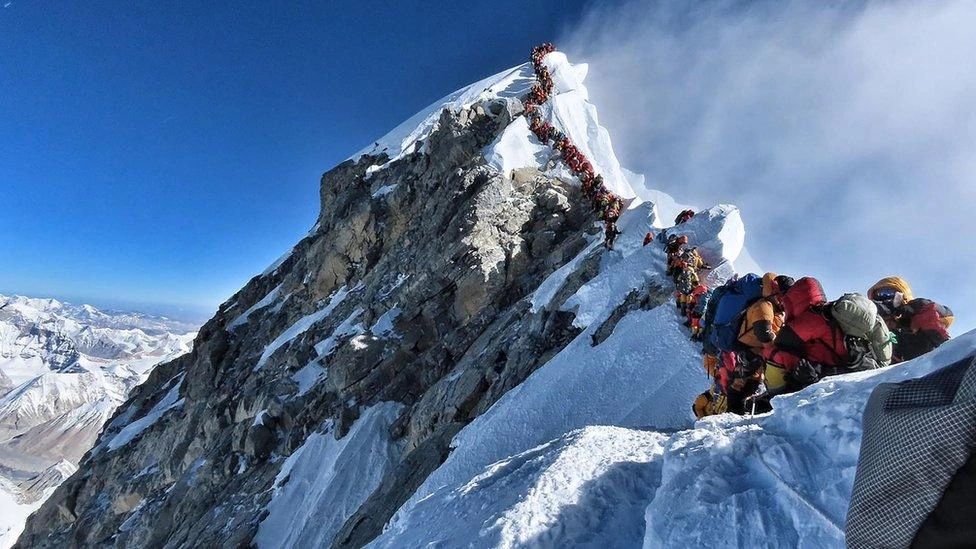
Everest Trekking Gear
Trekking poles
Collapsible trekking poles with interchangeable baskets reduce knee strain on descents, particularly the long drop from Tengboche to Phakding. They’re not ice axes; they’re walking aids that make a substantial difference over 14 days of trekking. Adjusting pole length for uphills (shorter) and downhills (longer) helps maintain proper posture and reduces joint stress.
Headlamp
A headlamp is essential for early morning starts, since the Kala Patthar sunrise hike begins around 4am and for power outages at tea houses. Bringing spare batteries helps because cold drains them faster than expected.
Water bottles and hydration system
Wide-mouth bottles with a minimum 2-liter total capacity are less likely to freeze than narrow openings. Hydration bladder tubes can freeze solid above 4,500m, making bottles the more reliable choice at higher elevations.
Sunglasses and glacier goggles
Category 3–4 UV protection sunglasses are mandatory. Snow blindness is a real risk above the tree line, and the consequences are painful and debilitating. Side shields or wraparound frames provide additional protection near glaciers.
Electronics and power for the Everest Base Camp trek
Modern trekkers carry devices, and the Khumbu presents unique challenges: cold weather drains batteries rapidly, and charging options become limited and expensive at higher elevations. Smartphones, cameras, and headlamps are essential tools on the trail, but they’re vulnerable to the extreme conditions above 4,000m. Understanding how altitude affects electronics, and planning power management accordingly prevents the frustration of dead batteries at critical moments like the Kala Patthar sunrise.
Camera and smartphone
Cold temperatures drain batteries 2–3 times faster than normal. Keeping devices inside a jacket, close to body warmth, and only removing them for use extends battery life. A protective case helps because drops on rocky trails are common.
Spare batteries and power banks
Tea houses charge for electricity, typically $3–5 per device above Namche, and power can be unreliable at higher elevations. A high-capacity power bank of 20,000 mAh or more provides independence from tea house charging for the full trek.
Solar chargers
Solar chargers work as backup but depend heavily on weather conditions. They’re useful in clear conditions but unreliable during cloudy periods common in shoulder seasons.
Toiletries and personal care for EBC
Showers become rare or unavailable above Dingboche, so hygiene requires adaptation. The cold, the limited water supply, and the physical demands of high-altitude trekking mean that personal care shifts from routine to strategic.
Tea houses at lower elevations like Namche Bazaar and Tengboche typically offer hot showers for $3–5, but above 4,000m, the combination of freezing temperatures and limited water makes showering impractical or impossible. Most trekkers go 5–7 days without a proper shower during the higher sections of the trek.
This isn’t as uncomfortable as it sounds because the cold air reduces sweating, and everyone on the trail is in the same situation. Wet wipes, hand sanitizer, and strategic washing of key areas become the practical approach to staying clean enough without risking illness from cold exposure.
Sunscreen and lip balm
SPF 50+ sunscreen and lip balm with sun protection are essential because UV intensity at 5,000m is dramatically higher than at sea level. Reapplying every 2–3 hours, especially on exposed skin and lips, prevents painful burns.
Wet wipes and hand sanitizer
Wet wipes become the primary hygiene method when showers aren’t available. Biodegradable options minimize environmental impact, and hand sanitizer before meals helps prevent stomach issues that can derail a trek.
Toilet paper and hygiene essentials
Carrying a personal supply in the daypack is practical because tea houses don’t always provide toilet paper.
Medications and first aid for Everest trekking
Altitude sickness prevention and basic first aid preparation are non-negotiable aspects of EBC trek planning. Consulting a doctor before departure allows for discussion of personal health considerations. A well-stocked medical kit and understanding of altitude-related symptoms can make the difference between completing the trek safely and requiring emergency evacuation.
Altitude sickness prevention
Acute Mountain Sickness, or AMS, affects trekkers regardless of fitness level. Discussing Diamox (Acetazolamide) with a doctor before the trek is worthwhile because it’s a prescription medication that aids acclimatization but isn’t appropriate for everyone.
- Mild AMS symptoms: Headache, fatigue, loss of appetite, nausea
- Severe warning signs: Confusion, breathlessness at rest, loss of coordination
- Golden rule: Ascend slowly; descend immediately if symptoms worsen
Basic first aid kit
A compact first aid kit covers common trail issues: blister care, including moleskin, bandages, and antiseptic; pain relief like ibuprofen and paracetamol; anti-diarrheal medication; wound care supplies; and rehydration salts.
Personal prescriptions
Bringing a full supply plus extra of any personal prescriptions is important because pharmacies are limited above Lukla. Keeping medications in original packaging helps with customs and identification.
Food and snacks to pack for Everest Base Camp
Tea houses provide meals, but personal snacks supplement energy needs during long trekking days and provide familiar comfort when appetite decreases at altitude.
Energy bars and trail mix
Calorie-dense, lightweight snacks like energy bars and trail mix provide quick fuel during trekking hours. Bringing familiar brands from home is practical because selection at altitude is limited and expensive.
Electrolyte supplements
Electrolytes are minerals like sodium, potassium, and magnesium that are lost through exertion and essential for hydration. Tablets or powder added to water aid acclimatization and prevent dehydration-related headaches.
Comfort snacks from home
Familiar comfort snacks boost morale when tea house food becomes repetitive. Chocolate, dried fruit, or favorite treats from home make a surprising difference to mental wellbeing above 4,000 m.
Seasonal gear differences for Everest treks
Gear requirements vary significantly by season, and the table below outlines key modifications.
| Season | Months | Sleeping Bag Rating | Additional Gear |
| Peak spring | March–May | -15°C | Standard gear list |
| Peak autumn | October–November | -15°C | Standard gear list |
| Winter | December–February | -25°C or lower | Heavier down jacket, expedition gloves, warmer boots |
| Monsoon | June–September | -15°C | Extra rain gear, waterproofing, gaiters |
Peak-season gear
October–November and March–May offer the best weather conditions, and the standard gear list applies. These months see the most trekkers and the most predictable conditions.
Winter and shoulder season gear
December–February treks require upgraded warmth across all categories. Expect snow on trails above Tengboche, colder tea houses, and temperatures dropping below -20°C at night above Lobuche.
Renting or buying gear in Kathmandu
Kathmandu’s Thamel district offers extensive gear rental and purchase options, making it possible to travel light and equip locally.
Rental quality in Thamel
Down jackets and sleeping bags are commonly rented, but quality varies considerably. Inspecting gear carefully by checking zippers, seams, and insulation loft before committing is worthwhile. Reputable shops offer better equipment at slightly higher prices.
What to bring from home
Personal fit items work best when brought from home, while bulky items can often be rented to save luggage space.
- Bring from home: Broken-in boots, socks, base layers, underwear, personal medications
- Good to rent: Sleeping bag, down jacket, trekking poles, duffel bag
Lukla flight weight limits and packing tips
Domestic flights to Lukla enforce strict baggage limits that affect packing decisions. The small aircraft used on the Kathmandu-Lukla route have limited cargo capacity, and airlines strictly enforce weight restrictions to maintain safe operating parameters on one of the world’s most challenging mountain airstrips.
Baggage allowance for Lukla flights
Most carriers allow 10–15kg checked baggage plus a small carry-on. Excess weight incurs charges of approximately $1–2 per kilogram. Confirming exact limits with the trekking company before departure prevents last-minute surprises.
How to organize your daypack and duffel
Keeping valuables and daily essentials in the daypack is practical because the duffel with porters may arrive later at tea houses. Daypack contents include passport and permits, camera and electronics, rain gear, a warm layer, water and snacks, and medications.
Common packing mistakes to avoid
- Over-packing: Every extra kilogram is felt on the trail
- New boots: Trekking in boots that aren’t fully broken in leads to blisters
- Insufficient layers: Underestimating cold at altitude creates discomfort
- No rain protection: Weather changes rapidly in mountains
How much does Mount Everest gear cost
EBC trekking gear costs significantly less than Everest summit expedition equipment. A realistic budget depends on the approach taken. Understanding these cost ranges helps trekkers make informed decisions about buying, renting, or mixing both strategies.
| Approach | Approximate Budget | Best For |
| Premium new gear | $800–1,500+ | Serious trekkers planning multiple expeditions |
| Budget new gear | $400–700 | First-time trekkers wanting their own equipment |
| Rent in Kathmandu | $50–150 | Budget travelers, one-time trekkers |
| Mix (bring essentials, rent bulky items) | $200–400 | Most practical for international travelers |
Do you need microspikes for Everest Base Camp trek
Microspikes are generally not required in peak season from October to November and March to May. They can be useful in winter or early spring when icy patches appear on trails above Lobuche. Microspikes are different from the technical crampons required for summiting because they’re lightweight traction devices that slip over hiking boots.
Complete Everest Base Camp packing checklist
| Category | Items |
| Footwear | Hiking boots, camp shoes, gaiters, trekking socks (4–5 pairs) |
| Clothing – Base | Base layer tops (2), base layer bottoms (2), underwear, sports bras |
| Clothing – Mid | Fleece jacket, down/puffy jacket, trekking shirts (2–3) |
| Clothing – Outer | Waterproof shell jacket, waterproof pants, trekking pants (2) |
| Sleep System | Sleeping bag (-15°C to -20°C), sleeping bag liner, travel pillow |
| Bags | Daypack (30–40L), duffel bag, dry bags, stuff sacks |
| Head & Hands | Sun hat, warm beanie, buff/balaclava, liner gloves, insulated gloves |
| Equipment | Trekking poles, headlamp, water bottles (2L total), sunglasses |
| Electronics | Camera, phone, power bank, spare batteries, charger cables |
| Toiletries | Sunscreen SPF 50+, lip balm SPF, wet wipes, hand sanitizer, toilet paper, toothbrush/paste |
| Medical | First aid kit, altitude medication (consult doctor), personal prescriptions, blister care |
| Documents | Passport, permits (arranged by trekking company), travel insurance, cash |
| Snacks | Energy bars, trail mix, electrolyte tablets, comfort snacks |
Start your Everest trek with Wilder Way Trekking
Wilder Way Trekking provides detailed gear guidance as part of planning your Everest Base Camp trek, helping trekkers understand exactly what to bring, what to rent, and what to leave behind. The team offers practical recommendations based on current trail conditions and seasonal requirements.
As a Nepal-based operator with government registration (No. 359458/81/82), Wilder Way handles permits, logistics, and local expertise. Affordable pricing, 24/7 support, and flexible booking options make planning straightforward.
Book Your Everest Base Camp Trek
FAQs
What do trekkers wear on a typical day hiking to Everest Base Camp?
Most trekkers wear moisture-wicking base layers, trekking pants, a mid-layer fleece, sturdy hiking boots, a sun hat, and sunglasses. A down jacket and warm hat are added for cold mornings, evenings, and higher elevations.
What is the 2pm rule on Everest treks?
The 2pm rule recommends arriving at the destination tea house by early afternoon to allow time to acclimatize, hydrate, and avoid trekking in colder temperatures when fatigue increases altitude sickness risk.
Can trekkers charge phones and cameras at tea houses on the EBC route?
Most tea houses offer charging for a fee of $3–5 per device, but reliability decreases with altitude. Carrying a high-capacity power bank is practical for the full trek.
What gear does a trekking company like Wilder Way provide?
Trekking companies arrange logistics like permits, guides, porters, and meals, while trekkers bring personal gear. Wilder Way provides a detailed checklist and advises on rentals during trip planning.
How far in advance do trekkers break in new hiking boots?
Breaking in new boots for several weeks before the trek, including multiple long walks on varied terrain, helps identify and fix any fit issues before departure.
What items can trekkers leave at their Kathmandu hotel?
City clothes, formal wear, and non-essential items can stay at the Kathmandu hotel, which typically stores luggage for free during the trek.
How can trekkers prevent blisters on the Everest Base Camp trek?
Wearing well-broken-in boots with moisture-wicking socks, addressing hot spots immediately with moleskin, and keeping feet dry throughout trekking hours all help prevent blisters.
Is travel insurance required for trekking in the Everest region?
Yes, travel insurance covering high-altitude trekking up to 6,000m and emergency helicopter evacuation is required for permits and is mandatory with reputable operators like Wilder Way