
- 117 Views
- 30 Min Read
- (0) Comment
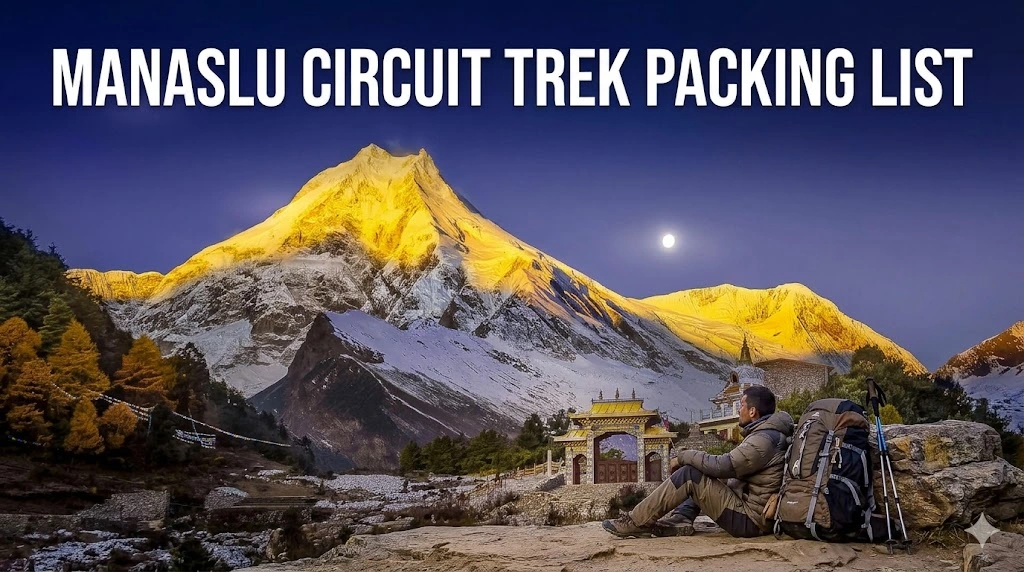
Planning your trek starts with the right Manaslu Circuit Trek packing list. The short answer is that you need layered clothing, quality trekking boots, a warm sleeping bag, a down jacket, essential medications, and a well-organized backpack capable of handling temperatures that can drop well below freezing near Larkya La Pass.
This guide covers exactly what to pack for the Manaslu Circuit Trek, including clothing, equipment, seasonal gear adjustments, medicines, backpack recommendations, and expert insights from local trekking professionals in Nepal. Whether you’re a beginner or an experienced hiker, you’ll find practical advice to help you pack lighter, stay comfortable, and avoid common mistakes.
Why Packing Matters on the Manaslu Circuit Trek
Packing matters on the Manaslu Circuit Trek because this remote wilderness route provides absolutely zero opportunities to buy or replace technical equipment once you leave Kathmandu. If your trekking boots fail or your down jacket is not warm enough, you face severe safety risks in the isolated high-altitude terrain. Proper gear ensures you stay dry, warm, and focused on the scenery.
Preparing for these changing environments is necessary because the trail transitions rapidly from humid, tropical lowlands to the freezing, windswept Larkya La Pass at 5,106 meters. You need a versatile layering system to handle extreme temperature swings that drop well below freezing. Without proper technical layers, managing the immense trail difficulty becomes dangerous as your body loses heat.
Quick Answer
Packing correctly makes the definitive difference between an enjoyable Himalayan adventure and a physically miserable experience on the trail. The rugged terrain demands that you carefully select every item to ensure maximum utility without adding unnecessary weight. Carrying the wrong gear will directly impact your physical stamina and overall comfort during long trekking days.
The Manaslu Circuit is a highly remote, high-altitude trek reaching 5,106 meters at the challenging Larkya La Pass. Unlike more commercialized routes in Nepal, equipment replacement opportunities are completely non-existent once you leave Kathmandu. You must rely entirely on what is inside your duffel bag to survive the harsh mountain elements safely.
Key Takeaways
- Weather changes rapidly: Clear skies can turn into sudden, heavy snowstorms within an hour.
- Temperatures can fall below -15°C: Freezing alpine nights require high-quality insulated clothing.
- Tea house facilities are basic: lodges provide beds but lack reliable interior heating systems.
- Gear shops are scarce: No replacement stores exist after the trek officially begins.
- Proper layering is essential: Combining base, mid, and outer layers effectively regulates body heat.
Expert Insight: Many trekkers underestimate how cold mornings become above Samdo and Dharamsala. A quality down jacket often becomes the most valuable item in their backpack.
Understanding Trek Conditions Before You Pack
Understanding trek conditions before you pack is crucial because the diverse environmental zones require specific gear combinations to keep you safe. You will begin your journey hiking through warm river valleys but will eventually cross ice-covered moraines at high altitudes. Knowing these transitions helps you eliminate unnecessary items while ensuring you carry the exact protective layers needed for survival.
The Manaslu Circuit combines subtropical valleys, alpine forests, glacial terrain, and a high mountain pass. Because you experience multiple climate zones over a single Manaslu Tsum Valley Trek, your clothing must be highly versatile and adaptable. Having a clear grasp of these diverse conditions allows you to pack light without compromising your warmth or overall safety.
Altitude Table
| Location | Elevation |
| Machha Khola | 930m |
| Jagat | 1,340m |
| Namrung | 2,630m |
| Samagaon | 3,530m |
| Samdo | 3,875m |
| Dharamsala | 4,460m |
| Larkya La Pass | 5,106m |
| Bimthang | 3,720m |
Weather Challenges
| Season | Day Temp | Night Temp |
| Spring | 5°C to 18°C | -8°C |
| Autumn | 4°C to 17°C | -10°C |
| Winter | -5°C to 10°C | -20°C |
| Monsoon | 10°C to 25°C | 5°C |
Complete Manaslu Circuit Trek Packing List
Your packing list should focus on layering, warmth, comfort, and weight management. Because the Manaslu Circuit Trek itinerary goes through many different weather zones, keeping your bag light helps you walk easily without getting too tired. Choosing versatile, high-quality gear lets you change clothes quickly when the mountain weather changes so you always stay safe.
The route requires careful planning as it is a remote trail with high mountains, and understanding why to trek the Manaslu Circuit is essential for every adventurer. Since you will walk for many weeks on rough tracks, every pound in your backpack matters for saving your energy. Sorting your gear into simple, clear groups helps you check that you have not left anything important behind in Kathmandu.
Main Categories
Clothing
- Thermal tops and bottoms: Lightweight merino wool or synthetic underwear that keeps sweat away from your skin.
- Fleece jackets: Warm fleece sweaters or light jackets to trap your body heat during chilly days.
- Windproof jacket and pants: Strong outer clothes that keep out heavy rain and cold winds while walking.
- Big down jacket: A thick, warm winter jacket with a hood for freezing nights and the pass.
Footwear
- Hiking boots: Waterproof boots with good ankle support that you have worn and broken in before.
- Camp shoes: Light sneakers or sandals to wear at night so your feet can rest.
- Warm socks: Several pairs of thick wool socks to keep your feet warm and prevent blisters.
- Gaiters: Simple leg covers to stop mud, small rocks, and deep snow from getting inside boots.
Sleeping Gear
- Warm sleeping bag: A heavy down sleeping bag that keeps you warm down to -10°C at night.
- Sleeping bag liner: A thin fabric liner to add extra warmth and keep your main bag clean.
- Earplugs and eye mask: Simple tools to help you sleep quietly in thin-walled tea house rooms.
Backpack
- Duffel bag: A large, tough waterproof bag used by porters to carry your main gear daily.
- Daypack: A small 30-liter backpack to carry your water, camera, jacket, and money while walking.
- Rain cover: A waterproof cover that stretches over your small daypack to protect it from rain.
Electronics
- Power bank: A large external battery to charge your mobile phone and camera on the trail.
- Extra batteries: Spare batteries for your camera because cold weather drains battery power very fast.
- Headlamp: A bright light worn on your head for early morning starts and dark bathrooms.
- Plug adapter: A small adapter plug that fits into standard wall sockets found in Nepal.
Toiletries
- Wet wipes: Big packs of wet tissues to clean your body when showers are not available.
- Quick-dry towel: A small microfiber towel that dries very fast even in cold mountain air.
- Sunscreen and lip balm: High-protection creams to stop the strong mountain sun from burning your skin.
- Hand sanitizer: Small bottles of alcohol gel to clean your hands before eating any food.
First Aid
- Altitude medicine: Diamox pills to help your body adapt safely to high mountain air.
- Basic medicines: Pills for treating loose stomach issues, bad headaches, colds, and constant coughing.
- Blister tape: Soft band-aids and medical tape to protect your feet from painful skin rubs.
- Water purification: Small tablets or liquid drops to make local river and tap water safe to drink.
Trekking Accessories
- Walking poles: Adjustable trekking sticks to reduce the pain on your knees when walking downhill.
- Sunglasses: Dark glasses that block UV rays to protect your eyes from bright snow blindness.
- Water bottles: Two strong plastic or metal bottles that can hold very hot drinking water.
Documents
- Passport and visa: Your original passport and copies of your official tourist entry visa for Nepal.
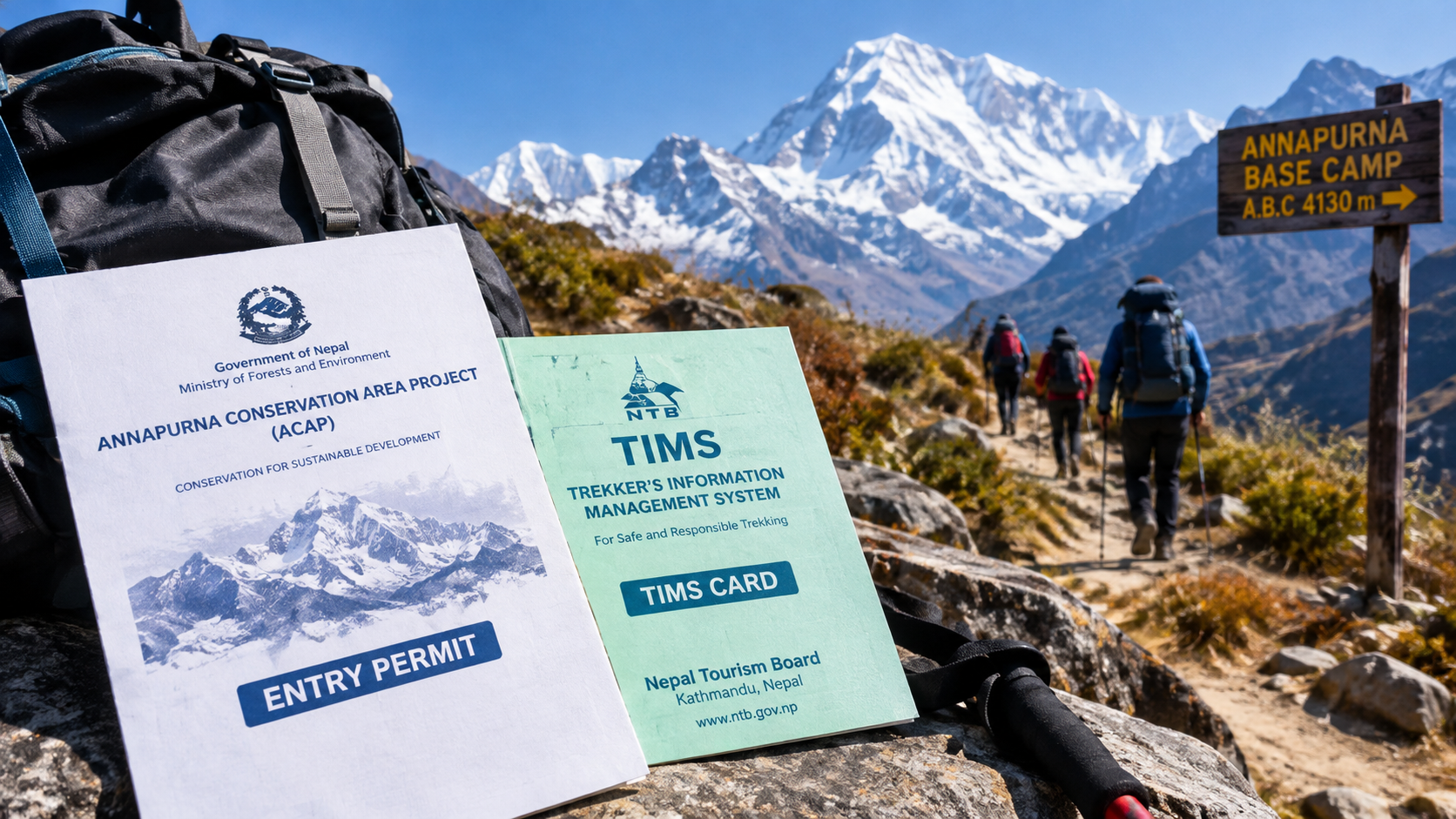
- Trek permits: All your official paper permits kept safe in a clear plastic folder.
- Passport photos: A few small photos needed for buying local SIM cards and permit forms.
- Insurance papers: Printed proof that your insurance covers helicopter rescue at high altitudes up to 6,000 meters.
Clothing Checklist for Manaslu Circuit Trek
You should pack a mix of light, warm, and waterproof clothes to stay safe on this long mountain trip. This matters because you will start walking in very hot, sticky valleys but will end up in freezing, snowy mountains. Packing the correct clothing items keeps you dry when you sweat and warm when you stop to rest at night.

Using a layer system is the smartest way to protect your body from cold winds and sudden mountain storms. You must avoid heavy clothes like jeans or cotton t-shirts because they stay wet for a long time and make you cold. By picking light clothes that dry fast, you can walk comfortably and keep your backpack light.
What Clothes Should I Pack for the Manaslu Circuit Trek?
You should pack light underwear, warm sweaters, rain jackets, and a very thick winter coat for the high mountains. This mix of clothes lets you add or remove items easily when the weather changes from hot to cold. Having these items ready ensures you can walk safely every day without getting too cold or wet.
- Base Layers:
- 2 thin thermal tops to keep your skin warm.
- 2 thin thermal bottoms to wear under your pants at night.
- 3 light hiking shirts that dry fast when you sweat.
- Mid Layers:
- 1 warm fleece jacket for walking on cool days.
- 1 light padded jacket to add more warmth when needed.
- Outer Layers:
- 1 waterproof rain jacket to protect you from wind and heavy rain.
- 1 pair of waterproof pants to keep your legs dry in the snow.
- Insulation Layer:
- 1 very thick down jacket that keeps you warm in freezing weather.
Is a Down Jacket Necessary?
Yes, a thick down jacket is 100% necessary because the mountain air gets freezing cold at night and in the early mornings. Once you walk past the high villages like Dharamsala, the temperature drops way below zero. When you stop walking at the end of the day, your body cools down fast and you will need immediate warmth.
This big winter coat keeps you safe and warm in the tea houses which do not have indoor heating. It is also vital for the long, freezing walk over the high Larkya La Pass where cold winds blow all day. Without a high-quality down jacket, you risk getting sick from the extreme cold in the high mountains.
Footwear Guide
You need good shoes because the trail has rough rocks, slippery mud, and deep snow that can hurt your feet. This long walk lasts for many days, so protecting your feet from pain and blisters is the most important goal. Wearing the right shoes keeps your feet dry and safe from twisted ankles on steep paths.
Good footwear makes your daily walk much easier and stops your legs from getting too tired. If your shoes fail or get wet in the cold mountains, your whole trip will become miserable and dangerous. Investing in the proper boots ensures you can enjoy the beautiful views without worrying about foot pain.
What Kind of Boots Are Best for the Manaslu Trek?
Mid-cut trekking boots are the best choice because they protect your ankles on rocky paths and keep your feet warm in the snow. They give you the right balance of safety, warmth, and strength needed for a high mountain trip. Choosing this type of boot ensures your feet stay safe from start to finish.
- Recommended Features:
- Waterproof membrane: A special lining inside the boot to keep rain and snow out.
- Ankle support: High sides that hold your ankles tight to prevent twisting on rocks.
- Aggressive grip: Deep rubber lines on the bottom of the boot to stop you from slipping.
- Broken-in before arrival: Wearing your boots at home first so they do not cause blisters on the trek.
Best Boot Categories
Mid-cut trekking boots are best for this trip, while thin sneakers should be left at home. This simple table shows you which shoes are safe to bring and which ones to avoid.
| Type | Recommended |
| Lightweight Hiking Boots | Yes |
| Mid-Cut Trekking Boots | Best |
| Trail Runners | Experienced hikers only |
| Casual Sneakers | No |
Additional Footwear
You should bring extra shoes and socks to change into after a long day of walking. This helps your feet rest and stay fresh for the next morning.
- Camp shoes: Light sneakers to wear inside the tea houses at night.
- Sandals: Easy slip-on shoes for going to the bathroom or taking a shower.
- 4–5 pairs wool socks: Thick, warm socks that keep your toes warm and cushion your steps.
Backpack Essentials
You must choose the right backpack size because carrying the wrong amount of weight can cause extreme back pain and make walking very difficult. If you bring a bag that is too big, you will pack unnecessary items that make your load heavy on steep hills. A properly sized pack helps you move freely and keeps your energy high during long days on the trail.
Your choice of bag depends entirely on whether you hire a helpful porter or carry all your own gear. If you have a porter, you only need to carry your daily items like water, extra clothes, and money in a small bag. Planning this setup beforehand ensures you do not waste money buying the wrong equipment in Kathmandu.
What Is the Best Backpack Size for Manaslu Circuit Trek?
The best backpack size is a 30 to 40 liter daypack if you use a porter, or a 55 to 70 liter pack if you carry everything yourself. This choice ensures you have just enough space for your gear without adding extra bulk. Choosing the correct bag makes your daily walk much easier and more comfortable.
| Trek Style | Backpack Size |
| With Porter | 30–40L Daypack |
| Independent Carry | 55–70L Backpack |
Essential Backpack Items
You should pack your daily essentials inside your backpack so you can reach them quickly without stopping for a long time. These items keep you safe, warm, and fueled while you are moving between the mountain villages.
- Water bottles: Two strong bottles to keep you hydrated during the sunny day.
- Snacks: High-energy bars and chocolates to give you quick strength on steep climbs.
- Rain jacket: A light waterproof coat that you can pull out fast when it rains.
- Camera: A small camera or phone to take pictures of the beautiful mountain views.
- Gloves: Warm hand covers to protect your fingers from cold mountain winds.
- Sunscreen: High-protection cream to stop the strong alpine sun from burning your skin.
- Power bank: A portable battery to charge your phone when there is no electricity.
- Documents: Your passport and official trek permits kept safe in a waterproof pocket.
Sleeping Gear
You must bring proper sleeping gear because mountain lodges do not have indoor heating, making the bedrooms freezing cold at night. While the owners do give you blankets, these covers are thin and will not keep you warm enough in the high villages. Having your own warm gear ensures you get a good night of sleep so your body can rest and stay healthy.
Getting cold at night can make you sick and ruin your walking energy for the next day. As you go higher up the mountain, the night temperatures drop fast and frost forms on the inside of the windows. Protecting yourself with the right sleep items is the best way to stay safe and comfortable during the cold dark hours.
Do I Need a Sleeping Bag for Manaslu Circuit Trek?
Yes, you 100% need a sleeping bag because the blankets at the tea houses are simply not warm enough when you get close to the high pass. A good sleeping bag traps your body heat and keeps you safe from the freezing night air. Bringing this item guarantees you stay warm and cozy no matter how cold it gets outside.
Recommended Sleeping Bag
You should choose your sleeping bag based on the time of year you choose to walk. This simple table shows the temperature rating your bag needs for each trekking season.
| Season | Rating |
| Spring | -10°C |
| Autumn | -10°C |
| Winter | -20°C |
Sleeping Accessories
You can pack a few small, extra items to make your sleep even better and warmer inside the simple lodge rooms.
- Sleeping bag liner: A thin cloth sheet to put inside your bag for extra warmth and cleanliness.
- Inflatable pillow: A small blow-up pillow that packs down tiny but keeps your head comfortable.
- Ear plugs: Small foam plugs to block out the noise of barking dogs and thin wooden walls.
Electronics and Gadgets
You need to plan your electronics carefully because there are no power outlets in the bedrooms, and charging your devices costs money at the front desk. The cold mountain air also drains your phone and camera batteries much faster than normal. Packing the right power items ensures you can always take photos and call for help in an emergency.
Essential Electronics
These are the most important electronic items you must carry in your small daypack every day.
- Smartphone: For taking photos, checking maps, and staying in touch with family.
- Camera: To capture the clear mountain views and beautiful local villages.
- Power bank (20,000mAh): A large external battery pack to charge your phone multiple times.
- Charging cables: All the cords needed to connect your devices to your battery pack.
- Headlamp: A small flashlight worn on your head for walking in the dark or using the bathroom at night.
Optional Items
These items are not required, but some walkers like to bring them for entertainment and tracking.
- Solar charger: A small panel to hang on your backpack to charge items using sunlight.
- Kindle: An electronic book reader to pass the time during long, cold evenings.
- GPS watch: A special watch to see how high you have walked and track your daily steps.
Pro Tip: Electricity becomes more expensive as you walk higher up the mountain. Teahouses charge a high fee to use their plugs, so carrying a large power bank saves you a lot of money.
Personal Hygiene Checklist
Keeping your body clean is very important on this trip to stop you from getting sick from germs or dirty water. Because there are very few hot showers available in the high mountains, you must bring items that help you clean yourself without water. Packing these light supplies ensures you stay fresh and healthy throughout the long walk.
Essentials
These are the basic cleaning items that every walker should have inside their backpack.
- Toothbrush: A standard brush to keep your teeth clean daily.
- Toothpaste: A small travel-sized tube of paste.
- Wet wipes: Big packs of wet tissues to wipe down your body when it is too cold for a shower.
- Hand sanitizer: A small bottle of alcohol gel to wash your hands before every meal.
- Biodegradable soap: Safe soap that does not hurt the local environment when you wash your face.
- Quick-dry towel: A thin microfiber towel that dries out fast in the cool mountain air.
Women-Specific Items
These extra hygiene items are essential for women to pack, as you cannot buy them along the remote trail.
- Sanitary products: Enough pads or tampons to last for the entire length of the trek.
- Menstrual cup: A reusable option that is easy to clean with boiled water.
- Disposal bags: Small, dark plastic bags to carry your trash safely until you find a bin.
Medical and First Aid Checklist
You must carry a small medical kit because there are no pharmacies or large hospitals along this remote mountain trail. If you get sick or hurt your foot, you will have to treat yourself using the items inside your bag until you reach a town. Packing the correct pills and bandages ensures that minor health problems do not turn into major emergencies that stop your trip.
Most health issues on the trail are simple things like headaches, upset stomachs, or bad cuts that are easy to fix if you have the right supplies. It is important to talk to your doctor before you travel so you know exactly how to use each medicine safely. Having these health tools ready gives you peace of mind as you walk higher into the mountains.
What Medicines Should I Carry on the Manaslu Trek?
You should carry a personal medical kit that includes altitude pills, painkillers, and simple stomach medicines approved by your doctor. This small kit helps you treat common trail illnesses quickly so you can keep walking comfortably. Keeping these items in your daypack ensures you can reach them the moment you start feeling unwell.
- Essential Medicines:
- Diamox: Special pills that help your body adjust to the thin mountain air and prevent altitude sickness.
- Ibuprofen: A helpful medicine to reduce body pain and swelling in your sore muscles.
- Paracetamol: A standard pill to stop simple headaches and lower your body fever.
- Anti-diarrheal tablets: Fast-acting pills to stop a loose stomach and diarrhea.
- Oral rehydration salts: Small powder packets to mix with water to save your energy when dehydrated.
- Antihistamines: Simple allergy pills to stop runny noses, itchy eyes, or bug bites.
- First Aid Supplies:
- Blister pads: Thick, sticky patches to protect your skin from painful shoe rubs.
- Bandages: Clean cloth wraps to cover cuts and keep dirt out of open wounds.
- Tape: Strong medical tape to hold your bandages and wraps tightly in place.
- Antiseptic cream: A germ-killing cream to put on scratches so they do not get infected.
Expert Insight: Blisters are often a bigger issue than altitude sickness during the first week of the trek. Taking care of small hot spots on your feet immediately prevents them from turning into painful open sores that make walking impossible.
Seasonal Packing Guide
You must adjust your gear list based on the time of year you choose to travel because the mountain weather changes completely between the seasons. A bag packed for the warm sun of spring will not keep you alive during the freezing snowstorms of winter. Checking the best time to visit Manaslu Circuit Trek helps you add the right extra items to stay safe.
Packing correctly for your specific season prevents you from carrying heavy, useless clothes while ensuring you have life-saving layers when you need them. Whether you need to fight the burning sun or block out freezing sub-zero winds, these small changes to your gear list will make your mountain journey much safer and more comfortable.
Manaslu Circuit Trek Packing List for Spring
- Add:
- Sunglasses: Strong dark glasses to protect your eyes from the bright sky.
- Sunscreen SPF 50+: Thick sun cream to stop the burning mountain sun from hurting your skin.
- Lightweight gloves: Thin hand covers to keep the wind off your fingers while walking.
Why?
Spring offers stable weather but strong UV exposure. The sun shines very bright at high altitudes, and the rays bounce off the rocks and snow, which can cause severe sunburn and eye pain if you are not protected.
Manaslu Circuit Trek Packing List for Autumn
- Add:
- Extra thermal layer: An extra set of warm underwear to wear under your clothes.
- Windproof gloves: Strong, thick gloves that block the freezing mountain gusts.
Why?
Autumn mornings become significantly colder at higher elevations. While the daytime weather is usually clear and beautiful, the temperatures drop very fast the moment the sun goes down behind the giant peaks.
Winter Packing List for Manaslu Circuit Trek
- Add:
- Expedition down jacket: The thickest, heaviest winter coat you can find.
- Heavy mittens: Big, insulated hand covers that keep your fingers pressed together for maximum warmth.
- Balaclava: A warm cloth mask that covers your whole head, neck, and face except for your eyes.
- Extra thermal layers: Multiple sets of thick wool underwear to layer your entire body.
Why?
Larkya La Pass can experience temperatures below -20°C. The winter cold in the high mountains is extreme and dangerous, meaning any bare skin can freeze within minutes if it is not covered by heavy, professional winter gear.
What Should I Pack for Crossing Larkya La Pass?
You must pack very carefully for the pass crossing because this is the hardest, highest, and coldest day of your entire trip. On this day, you will leave your warm lodge in the dark, early morning to walk up to 5,106 meters where the air is very thin. Pack for wind, cold, and long trekking hours, as you will walk for 8 to 10 hours on rough, rocky, and snowy trails with no tea houses along the way.

The weather at the top of the mountain can change instantly from a calm morning to a freezing storm with dangerous winds. If you get too cold or run out of energy on the steep track, there is no place to hide or buy hot food. Identifying the best time to cross Larkya La Pass ensures your body stays warm and strong until you walk safely down the other side of the mountain.
Larkya La Pass Packing Checklist
You should wear your warmest clothes and keep these essential items inside your daypack so you can reach them quickly during the climb.
- Down jacket: Your thickest, warmest winter coat to wear during the freezing early morning start.
- Thermal layers: Extra warm underwear tops and bottoms worn under your hiking clothes to trap body heat.
- Waterproof shell: A strong jacket and pants to block the heavy, biting winds at the top of the pass.
- Warm hat: A thick beanie or wool hat that completely covers your ears to stop heat from escaping your head.
- Buff: A soft neck scarf that you can pull up over your mouth and nose to breathe warm air and stop coughing.
- Sunglasses: Dark glasses that block UV rays to protect your eyes from the blinding sun reflecting off the white snow.
- High-energy snacks: Lots of chocolates, energy bars, and dried fruits to eat quickly while walking.
- 2 liters of water: Two strong bottles filled with hot water, kept inside your bag so they do not freeze into solid ice.
- Trekking poles: Strong walking sticks to help you balance on the steep, slippery downhill paths after the pass.
Common Mistake: Starting the pass crossing underdressed and relying on movement to stay warm. The mountain air is so freezing before sunrise that your body cannot create enough heat by walking alone, which can make you dangerously cold very fast.
Can You Rent Trekking Gear in Kathmandu?
You can easily rent high-quality trekking gear in Kathmandu before your trip begins. This option is perfect for walkers who do not want to spend a lot of money buying expensive winter items that they might only use once. Kathmandu has many gear shops that provide clean, well-maintained equipment for a very small daily fee.
Renting your equipment locally also helps you save a lot of space and weight in your flight luggage when traveling to Nepal. Most of these professional rental shops are located in one central neighborhood, making it very simple to try on different sizes. Taking advantage of these local shops keeps your travel planning easy and affordable.
Renting Gear in Thamel
Kathmandu’s Thamel area has numerous rental shops where you can find all your big mountain essentials. You can walk into these stores, check the quality of the gear yourself, and leave a small deposit to secure the items for your trek.
- Sleeping bags: Heavy-duty down bags rated for freezing mountain nights.
- Down jackets: Thick, warm winter coats with hoods to protect you from cold winds.
- Trekking poles: Strong, adjustable walking sticks to help your balance on steep trails.
- Backpacks: Large, comfortable bags with supportive straps for carrying your gear.
- Crampons: Small metal spikes that attach to your boots for walking safely on slippery ice (needed mostly in winter).
Rent vs Buy
Some items are great to rent to save money, but other personal items should always be bought new for your comfort and safety. This simple list helps you decide what to rent in Thamel and what to buy before you arrive.
- Sleeping Bag: Rent. A high-quality cold-weather sleeping bag is expensive to buy but very cheap to rent for a few weeks.
- Down Jacket: Rent. You can easily rent a thick, professional mountain coat instead of buying an expensive one you may not use again at home.
- Boots: Buy. You must buy your own hiking boots early so you can wear them at home and break them in before the trek to avoid painful blisters.
- Base Layers: Buy. Thin thermal underwear and socks fit tight against your skin and should be bought new for hygiene and a perfect personal fit.
Lightweight Packing List for Manaslu Trek
You should focus on reducing your bag weight because carrying a heavy load on steep mountain trails will make you very tired. When you pack less weight, you save your energy, protect your knees, and can walk much faster each day. Keeping your bag light is the best way to enjoy your trek without getting back pain.
A light pack also makes the long journey much safer when you cross the high, slippery mountain pass. Every extra item you pack adds pressure to your body during long hours of uphill walking. By choosing only the most important gear, you can move freely and feel comfortable from the start of the trail to the end.
How to Reduce Weight
You can easily lighten your load by leaving big, heavy items behind and choosing smart clothes that you can wear for multiple days. This helps you cut out extra weight without losing the warmth and safety you need in the mountains.
- Remove:
- Multiple jackets: Do not bring many different fashion coats; you only need one fleece and one warm down jacket.
- Excess clothing: Leave behind extra pairs of jeans, heavy cotton shirts, and too many changes of everyday clothes.
- Heavy books: Avoid carrying thick paper books that take up space and weigh down your bag.
- Large cameras: Skip giant camera lenses and heavy tripods unless you are a professional photographer.
- Keep:
- Layering system: Bring thin, light clothes that you can stack on top of each other to stay warm.
- Multipurpose clothing: Choose versatile items like hiking pants that can unzip into shorts when the weather gets hot.
- Essential safety gear: Always keep your first aid kit, water purifiers, and warm headlamp inside your pack.
Expert Tip: Most trekkers use only half the clothes they bring. You do not need a fresh outfit for every single day because you can wash light clothes easily along the trail or simply wear your hiking layers multiple times.
Common Packing Mistakes
You should learn about common packing mistakes before you start your trip so you do not carry heavy, useless gear up the mountain. Many walkers bring the wrong types of clothes or brand-new gear that can cause serious pain on the trail. Avoiding these simple errors will keep your body safe and make your daily walk much more comfortable.
Fixing these mistakes early helps you save money and space in your backpack. When you are walking for many hours on steep, rocky paths, even small errors in your gear can turn into big problems. By packing smart, you ensure that you stay warm, dry, and happy throughout the entire journey.
Top Mistakes to Avoid
- Overpacking Cotton Clothing: Cotton clothes like jeans and regular t-shirts dry very slowly and lose all their warmth when they get wet from your sweat or rain. Wet cotton stays cold against your skin, which can make you shiver and get sick in the high mountains.
- New Boots: Wearing brand-new boots that you have never worn before is a huge mistake because unbroken leather causes severe blisters. You must buy your boots early and wear them for short walks at home so they become soft and fit your feet perfectly before the trek.
- Ignoring Waterproof Storage: Regular backpacks can leak during heavy mountain rainstorms, which can ruin your expensive gear. You should always use small waterproof dry bags or plastic zip pouches to keep your cell phone, camera, and official paper permits completely dry.
- Too Many Clothes: You do not need to pack a different outfit for every single day of the trip because your bag will become way too heavy. Simple laundry opportunities exist in the lower villages where you can wash your light shirts, and you can easily wear your warm hiking layers multiple times.
Why Guided Trekkers Usually Pack Smarter
Hiring a local guide helps you pack much better because they know exactly how the mountain conditions change every day. Beginners often pack too many heavy clothes because they feel scared of the cold. A guide looks at your gear before you leave Kathmandu and removes the useless items so your backpack stays light and easy to carry.
Guides also understand how the weather behaves at high altitudes and what items are truly vital for your survival. Their main goal is to keep you safe while ensuring you do not waste your physical energy carrying extra weight. Listening to their advice guarantees you have a smooth, comfortable, and well-prepared journey.
How a Licensed Guide Helps You
A guide does much more than just show you the path; they manage your daily safety and help you make smart choices about your equipment.
- Assess weather conditions: They check the daily mountain reports to tell you exactly which warm clothes to put inside your daypack each morning.
- Identify unnecessary gear: They review your bags before the trek starts to help you leave heavy, useless items behind at your hotel.
- Manage altitude risks: They watch your health daily and know exactly when you need to slow down or drink more water to avoid sickness.
- Handle emergencies: If you get badly hurt or very sick, they can use their radio network to call for a rescue helicopter immediately.
Important Government Rules
For restricted-area routes like the Manaslu Circuit, hiring a certified guide is mandatory by Nepalese law. You cannot enter this mountain region alone as an independent walker because the trail sits very close to the sensitive border of Tibet.
There are strict police checkpoints in villages like Jagat and Samdo where officers will stop you to check your official paper permits and your guide’s license. If you try to walk without a registered guide, you will be stopped, fined a large amount of money, and forced to turn back immediately. Hiring a guide is not just a suggestion for your safetyit is a strict law that you must follow to do this trek. Restricted regions in Nepal often require these special permits, and if you are interested in experiencing Tibetan-influenced culture and isolated Himalayan landscapes, the Tsum Valley Trek offers a unique trekking experience that demands similar preparation and documentation requirements.
Conclusion
The Manaslu Circuit Trek is more than just a journey through the Himalayas—it’s an adventure that rewards preparation, resilience, and curiosity. Packing wisely allows you to focus less on discomfort and more on the incredible experiences waiting along the trail, from remote mountain villages to the breathtaking crossing of Larkya La Pass. Every item in your backpack should serve a purpose, helping you travel safely and confidently through one of Nepal’s most spectacular trekking regions.
As you begin planning your adventure, take time to prepare thoroughly, train well, and learn from local experts. For more trekking insights, practical guides, and to connect with an affordable trekking company, explore our resources and start turning your Manaslu dream into reality.
Frequently Asked Questions
What should I pack for the Manaslu Circuit Trek?
Focus on layered clothing, trekking boots, a sleeping bag, a down jacket, waterproof gear, medicines, and a properly sized backpack. The goal is to stay warm while keeping total weight manageable.
How cold does it get on the Manaslu Circuit Trek?
Temperatures near Larkya La Pass can drop below -15°C in spring and autumn and below -20°C during winter.
Do I need a sleeping bag?
Yes. Tea house blankets are usually insufficient at higher elevations.
Is a down jacket necessary?
Absolutely. It is one of the most important pieces of equipment for high-altitude comfort and safety.
Can I rent gear in Kathmandu?
Yes. Most major trekking equipment can be rented in Kathmandu, especially in Thamel.
What backpack size should I bring?
30–40L daypacks work well if using a porter. Independent trekkers generally need 55–70L backpacks.
What medicines should I carry?
Carry altitude medication approved by your doctor, pain relievers, anti-diarrheal medicine, blister treatment, and hydration salts.
Are trekking poles necessary?
Not mandatory but highly recommended, especially for descending from Larkya La Pass.
Can beginners do the Manaslu Circuit Trek?
Yes, with proper preparation, training, and guidance from experienced trekking professionals.
What is the most commonly forgotten item?
Extra batteries or a power bank. Cold temperatures drain electronics quickly.