- 142 Views
- 13 Min Read
- (0) Comment
Ever wondered what happens when everyone else says “don’t go” but your gut tells you otherwise? Most trekkers write off Langtang Valley completely during monsoon season, and honestly, that’s exactly what makes June through September one of the most rewarding times to visit.
In this blog, we’re diving deep into the Langtang Valley monsoon trek and why it might just be your best decision for 2026. Sure, the rain changes everything, but that’s the point. Waterfalls roar at full power, the forests turn this unreal shade of emerald green, and the trails? They’re practically yours alone. We’ll walk you through everything you actually need to know: the right gear, what trail conditions really look like, how to deal with leeches (yes, they’re a thing), smart itinerary planning, and those daily weather patterns that’ll shape every single decision you make out there.
Why Trek Langtang Valley During Monsoon Season
Trekking Langtang Valley during monsoon season (June to September) offers dramatic landscapes, solitude on the trails, and budget-friendly rates, despite challenges like rain, mud, and leeches. The valley transforms completely during these months. Waterfalls cascade at full force, rhododendron forests glow emerald green, and you’ll have the trails almost entirely to yourself. Most trekkers avoid the monsoon, which creates a genuine opportunity for those willing to embrace the conditions.
Teahouse owners have more time for conversation, guides move at a more relaxed pace, and you can often negotiate better rates on accommodation and services. Wildlife activity peaks during the rainy months too. Himalayan birds are more vocal, red pandas become more active, and the forests feel alive in ways the dry season simply doesn’t replicate. The combination of vibrant scenery, peaceful trails, and authentic cultural interactions makes monsoon trekking a rewarding experience for adventurous trekkers.
- Dramatic scenery: Valleys transform into vibrant green with rushing waterfalls at every turn.
- Solitude on trails: Far fewer trekkers compared to autumn and spring peak seasons.
- Wildlife activity: Best time to spot Himalayan birds, langur monkeys, and forest wildlife.
- Budget-friendly: Better rates on accommodation, guides, and porter services.
What to Expect on the Langtang Monsoon Trek
The Langtang monsoon trek is a 7 to 10 day journey through lush forests and high-altitude valleys, with daily weather patterns of clear mornings followed by afternoon rain. The main stops along the route include Syabrubesi (1,500m), Lama Hotel (2,500m), Langtang Village (3,500m), and Kyanjin Gompa (3,800m). From Kyanjin Gompa, an optional day hike to Tserko Ri viewpoint (4,984m) offers panoramic mountain views when weather cooperates.
Expect muddy and slippery trails, especially in forested sections below 3,000m, along with limited mountain visibility during afternoons due to cloud buildup. However, early mornings frequently offer crystal-clear views of Langtang Lirung and surrounding peaks before clouds roll in. The quieter, more introspective atmosphere on the trail allows for deeper connections with local communities and a more personal trekking experience compared to crowded peak seasons.
Mountain Visibility During Monsoon
Clouds regularly obscure major peaks during the afternoon, and you might go entire days without seeing Langtang Lirung clearly. However, early mornings frequently offer crystal-clear views of the surrounding ranges before the daily cloud buildup begins. The constant “cloud play” (mist rolling through valleys, peaks appearing and disappearing) adds a dramatic element that many photographers actually prefer.
Peak Wildlife and Flora in the Rainy Season
The monsoon is prime time for wildlife and flora observation. Red pandas, Himalayan tahr, and langur monkeys are more active during these months, and the forests are alive with birdsong. At higher elevations, wildflower blooms add vibrant color to the green landscape, creating scenes that simply don’t exist during the dry season.
Monsoon Weather and Temperature in Langtang Valley
Monsoon weather in Langtang Valley follows a predictable daily pattern: clear, sunny mornings with clouds building around midday and rain arriving in late afternoon or evening. Most heavy rainfall occurs at night, allowing for several hours of good trekking weather each morning. July and August are the wettest months, while June and September tend to be more moderate with lighter rainfall.
Temperatures vary significantly by elevation, ranging from 20 to 25°C at Syabrubesi (1,500m) to below freezing at Tserko Ri (4,984m) during nighttime. Understanding these temperature ranges helps with packing appropriate layers and planning your daily itinerary. Starting your trek by 6 to 7 AM maximizes clear visibility and helps you avoid afternoon rain, allowing you to reach your next teahouse before the daily downpour begins.
Temperature by Elevation
| Elevation | Location | Daytime Temp | Nighttime Temp |
|---|---|---|---|
| 1,500m | Syabrubesi | 20 to 25°C | 15 to 18°C |
| 2,500m | Lama Hotel | 15 to 20°C | 10 to 14°C |
| 3,500m | Langtang Village | 10 to 15°C | 5 to 8°C |
| 3,800m | Kyanjin Gompa | 8 to 12°C | 2 to 5°C |
| 4,984m | Tserko Ri | 5 to 10°C | Below 0°C |
Best Time of Day to Trek for Clear Views
Starting your hike by 6 to 7 AM maximizes clear visibility and helps you avoid the rain. This timing allows you to take advantage of morning skies and reach your next lodge by early afternoon, just as the daily rain typically begins. Any attempt on Tserko Ri works best with a pre-dawn start.
Monsoon Trail Conditions in Langtang Valley
Monsoon trail conditions in Langtang Valley include muddy and slippery paths, increased landslide risk in lower forested sections, and higher river water levels. The forested sections between Syabrubesi and Lama Hotel become particularly muddy and slippery during monsoon, with stone steps along the entire route becoming slick when wet. Adjusting your pace, walking carefully with trekking poles, and anticipating slower progress in these areas prevents falls and injuries.
Licensed guides are experts in identifying landslide-prone zones and know alternative routes when conditions warrant caution. Road access to the trailhead at Syabrubesi can occasionally be delayed due to landslides, which is why building buffer days into your itinerary is essential. Leeches are common below 3,000m but entirely manageable with proper preparation like leech socks, gaiters, and regular monitoring during rest stops.
Muddy and Slippery Trail Sections
The forested sections between Syabrubesi and Lama Hotel become particularly muddy and slippery during monsoon. Stone steps along the entire route can also become slick when wet. Adjusting your pace, walking carefully, and anticipating slower progress in these areas prevents falls and injuries.
Landslide Risk Areas to Know
Certain zones along the trail are more prone to landslides during the monsoon, particularly in the lower forested sections. Licensed guides are experts in identifying these areas and know alternative routes when conditions warrant. Road access to the trailhead at Syabrubesi can occasionally be delayed due to landslides, which is another reason buffer days matter.
How to Deal with Leeches on the Trail
Leeches are a common concern but entirely manageable with the right preparation. They’re most prevalent in the lower, forested elevations below 3,000m and become less of an issue as you gain altitude.
- Prevention: Tuck pants into socks or use leech socks and gaiters.
- Deterrents: Apply salt, tobacco water, or insect repellent to boots and lower legs.
- Monitoring: Check your legs, socks, and boots regularly during rest stops.
- Removal: Slide a fingernail or flat edge under the leech’s head to break suction (don’t pull).
- Aftercare: Clean the bite area with antiseptic; bleeding is normal and stops naturally.
River Crossings and Water Levels
During the monsoon, streams and rivers run much higher and faster than in dry seasons. Major suspension bridges remain safe, though their surfaces can be slippery. Some smaller log or stone crossings may become more challenging or washed out, requiring careful navigation with your guide’s assistance.
What to Pack for Langtang Monsoon Trek
Packing for the Langtang monsoon trek requires waterproof gear, quick-dry clothing, and protective equipment for electronics and documents. A high-quality waterproof jacket with sealed seams, waterproof rain pants, and a waterproof pack cover are non-negotiable essentials. Waterproof hiking boots with deep, aggressive tread and gaiters protect against mud, water, and leeches on slippery trails.
Choose synthetic or merino wool fabrics for all layers, as they dry much faster than cotton, and pack extra pairs of socks and underwear. Always keep one complete outfit sealed in a waterproof bag, reserved exclusively for wearing in the evenings at the teahouse. Use dry bags and ziplock bags to protect electronics, your passport, and permits from moisture, and consider adding silica gel packets to absorb ambient moisture.
Waterproof Clothing and Rain Gear
A high-quality waterproof jacket with sealed seams and a good hood is non-negotiable. “Water-resistant” won’t cut it. Pair this with waterproof rain pants and a waterproof pack cover. Using internal dry bags for organization and extra protection is highly recommended. Ponchos tend to be cumbersome and ineffective in wind.
Footwear for Wet and Muddy Trails
Waterproof hiking boots with deep, aggressive tread for grip are essential for monsoon conditions. Gaiters are highly recommended to keep mud, water, and leeches out of your boots. Also pack a pair of camp sandals or flip-flops for use in wet lodges. Your feet will thank you.
Protecting Electronics and Documents from Moisture
Use dry bags and ziplock bags to protect all electronics, your passport, and permits. Consider adding silica gel packets to bags containing cameras and phones to absorb ambient moisture. A waterproof phone case is also a wise investment for trail photography.
Quick-Dry Layers and Extra Clothing
Choose synthetic or merino wool fabrics for all your layers, as they dry much faster than cotton. Pack extra pairs of socks and underwear. Crucially, always keep one complete outfit sealed in a waterproof bag, reserved exclusively for wearing in the evenings at the teahouse.
Tip: Test all your waterproof gear before leaving home. A jacket that leaks at 3,500m with no alternatives is a serious problem.
What Permits and Insurance Do You Need for Langtang Monsoon Trek?
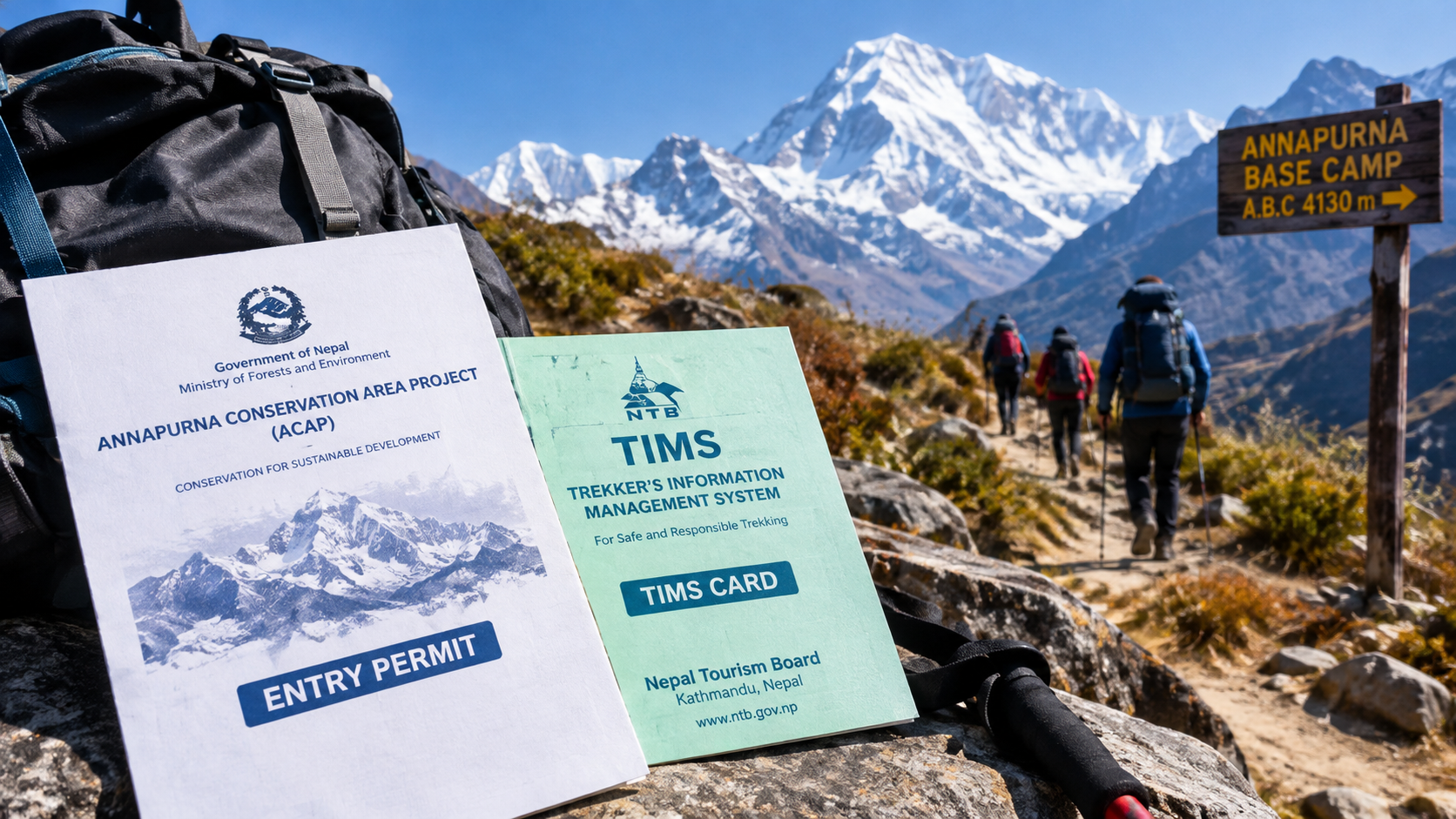
You need two permits for the Langtang trek: the Langtang National Park Entry Permit (approximately $30 USD) and the TIMS (Trekkers’ Information Management System) card, which tracks trekkers for safety purposes. Both permits can be obtained in Kathmandu before your trek or at the park entry point in Dhunche, though arranging them in advance through your trekking agency saves valuable time and hassle on the trail.
All foreign trekkers must hire a licensed guide under current Nepal regulations. This isn’t optional. During monsoon season, a guide becomes even more valuable for navigating wet trails, making critical safety decisions about landslide-prone areas, and reading local weather patterns. Comprehensive travel insurance covering high-altitude helicopter evacuation, medical treatment, and trip cancellation is essential rather than optional, as weather delays, trail closures, and flight cancellations are more common during the rainy season.
What Teahouse Accommodation is Available During Monsoon?
Major teahouses in Lama Hotel, Langtang Village, and Kyanjin Gompa remain open during monsoon season, though they operate with fewer staff and reduced services compared to peak trekking months. Some smaller lodges close for the low season, which is why pre-booking through a trekking agency is recommended to ensure your rooms are confirmed along the entire route.
Expect fewer menu options at teahouses during monsoon, and be aware that drying rooms may not be operational. Bring your own solutions like quick-dry clothing and waterproof bags for wet gear. Electricity from generators may run less frequently, so charge your devices whenever power is available. The upside is more personal attention from teahouse owners who have more time for conversation and cultural exchange during the quieter season.
How Should You Plan Your Langtang Monsoon Itinerary?
Build at least two to three extra buffer days into your standard 7 to 10 day Langtang itinerary to account for potential weather delays during monsoon season. These buffer days provide essential cushion for road closures to Syabrubesi, waiting out heavy rain on the trail, or flight cancellations. What feels like “extra” time often becomes necessary time for safe travel.
Start your daily trek at or before dawn (6 to 7 AM) to maximize clear mountain visibility and complete your hike before afternoon rain typically begins around midday. Use weather-forced rest days productively for acclimatization, allowing your body to adjust to lower oxygen levels at higher altitudes. A flexible mindset turns unexpected delays into valuable opportunities for better altitude adjustment, improving your overall health and safety on the trek.
How Do You Stay Safe Trekking Langtang in Monsoon?
Check weather forecasts daily using apps when you have signal, but more importantly, talk to your guide and lodge owners about local conditions. They have invaluable experience reading weather patterns specific to Langtang Valley. Use trekking poles as essential safety equipment on wet, slippery rocks and muddy downhill sections, as they dramatically improve stability and reduce knee strain on challenging terrain.
Always keep at least one complete, dry outfit (including socks, base layers, and warm jacket) sealed in a waterproof dry bag to prevent hypothermia when temperatures drop. Stay hydrated throughout the day even if you don’t feel thirsty, as humidity and cooler air can mask dehydration symptoms. Before starting your trek, discuss the emergency evacuation plan with your guide and carry emergency contact numbers, understanding that helicopter rescue may be delayed by poor visibility during monsoon conditions.
Plan Your Langtang Monsoon Trek with Confidence
With deep local expertise in navigating monsoon conditions, Wilder Way Trekking ensures your adventure is safe, well-planned, and unforgettable. We specialize in flexible itinerary planning, provide licensed guides with extensive monsoon experience, and offer 24/7 support throughout your journey. Our end-to-end logistics cover everything from permits and transport to accommodation, so you can focus on the experience itself. As a government-registered company, we’re your trusted partner for trekking in Nepal.
FAQs About Langtang Valley Monsoon Trek
Is helicopter rescue available during monsoon in Langtang Valley?
Yes, helicopter evacuation services operate during the monsoon, but flights are often delayed by poor visibility and may wait for a clear weather window to open. This makes comprehensive travel insurance that covers high-altitude helicopter evacuation absolutely essential.
How can trekkers dry wet clothes and gear at teahouses?
Many teahouses have a wood stove in the main dining hall where you can hang items to dry overnight. However, dedicated drying rooms may not be operational during the low season. The most reliable solution is to bring quick-dry fabrics and always keep a spare set of dry layers packed away in waterproof bags.
What mobile network coverage exists on the Langtang trek route?
Ncell and NTC networks provide intermittent 3G/4G coverage at major stops like Langtang Village and Kyanjin Gompa, but signals are often unreliable and can disappear completely during heavy weather. Relying on mobile communication for emergencies isn’t advisabl
Can foreign trekkers hike Langtang solo during monsoon season?
No. Under current regulations in Nepal, all foreign trekkers are required to hire a licensed guide for all treks, including the Langtang Valley route. Solo trekking without a guide is not permitted.
Can foreign trekkers hike Langtang solo during monsoon season?
No. Under current regulations in Nepal, all foreign trekkers are required to hire a licensed guide for all treks, including the Langtang Valley route. Solo trekking without a guide is not permitted.
What happens if a landslide blocks the Langtang trail?
Your licensed guide will be aware of local conditions and know alternative routes if a section of the trail is blocked. If a landslide blocks the main road to Syabrubesi, you may face delays of a day or more, which is another reason why building buffer days into your itinerary is highly recommended.
How crowded is Langtang Valley during monsoon compared to peak seasons?
The monsoon is the quietest season in Langtang, with significantly fewer trekkers on the trail compared to the crowded autumn and spring seasons. You may have entire sections of the trail and teahouses largely to yourself, allowing for a more intimate and peaceful experience.
Are there local festivals in the Langtang region during monsoon months?
Yes, the Tamang and Sherpa communities who live in the Langtang region celebrate various local and religious festivals during the summer months. Your guide can inform you of any village celebrations that may be happening during your trek, offering a chance for authentic and memorable cultural experiences.