
- 184 Views
- 13 Min Read
- (0) Comment
The Langtang Valley trek sits closer to Kathmandu than any other major Himalayan route, which makes it tempting to treat as an easy weekend extension. That assumption gets trekkers into trouble every season.
Reaching elevations above 4,200m with limited medical facilities along the trail, Langtang demands the same respect as Nepal’s more famous routes. This guide covers altitude sickness prevention, trail conditions, gear requirements, emergency protocols, and the practical decisions that separate a safe trek from a preventable incident.
Why Safety Matters on the Langtang Valley Trek
For a safe Langtang Valley trek, prioritize altitude acclimatization, carry waterproof gear, and consider hiring a local guide. The 7–10 day route reaches elevations above 4,200m and faces unpredictable mountain weather. Walking slowly, staying hydrated with 3–4 liters daily, and preparing for potential landslides during rainy seasons separates a memorable adventure from a medical emergency.
The 2015 earthquake devastated Langtang village, and while the area has been rebuilt and trails are fully operational, that event serves as a reminder that the Himalayas demand respect. Medical facilities along the route are basic at best, and evacuation depends entirely on weather conditions. Proper preparation prevents the vast majority of incidents.
What Are the Main Risks on the Langtang Trail
The Langtang Valley trek is considered moderate in difficulty, but “moderate” in the Himalayas still means remote terrain, significant altitude, and weather that changes without warning. Knowing what could go wrong helps you prepare for what probably won’t.
Altitude-Related Risks
The trek reaches Kyanjin Gompa at 3,830m, with optional day hikes climbing above 4,700m. At these elevations, altitude sickness becomes a genuine concern regardless of fitness level or previous mountain experience. Symptoms can appear suddenly and affect anyone.
Weather and Environmental Hazards
Mountain weather in the Langtang region shifts rapidly. Clear morning skies can turn to snow, fog, or heavy rain within hours, particularly during afternoon periods. Monsoon season brings landslide risks on certain trail sections, and temperatures at higher elevations drop dramatically after sunset.
Trail and Terrain Challenges
The path includes steep ascents, rocky sections, river crossings on suspension bridges, and narrow trails carved into hillsides. Post-earthquake reconstruction has improved infrastructure, though some sections still require careful footing. Trails are well-marked throughout.
Remote Location Concerns
Once you leave Syabrubesi, access to hospitals, pharmacies, and emergency services becomes extremely limited. The nearest proper medical facility is back in Kathmandu. Helicopter evacuation is possible from several points along the trail, but weather delays can extend wait times significantly.
How to Prevent Altitude Sickness on the Langtang Trek
Altitude sickness represents the primary health risk on this route, and it’s also the most preventable. The key lies in giving your body time to adjust.
Understanding AMS, HAPE, and HACE
Three altitude-related conditions exist on a spectrum of severity:
- AMS (Acute Mountain Sickness): The most common form, presenting as headache, nausea, and fatigue. Uncomfortable but manageable with rest and descent if needed.
- HAPE (High Altitude Pulmonary Edema): Fluid accumulates in the lungs, causing severe breathing difficulty. Life-threatening and requires immediate descent.
- HACE (High Altitude Cerebral Edema): Fluid builds in the brain, leading to confusion and loss of coordination. A medical emergency requiring evacuation.
Symptoms to Watch For
Recognizing early warning signs allows you to respond before conditions worsen. Persistent headache not relieved by hydration or standard painkillers is often the first indicator. Loss of appetite, nausea, dizziness, and unusual fatigue follow. Shortness of breath while resting, rather than just during exertion, signals a more serious response. Confusion or difficulty walking in a straight line means descending immediately.
Acclimatization Strategies That Work
Your body produces more red blood cells at altitude, but this process takes time. The “climb high, sleep low” approach involves gaining elevation during the day, then descending to sleep at a lower altitude when possible. Limiting daily altitude gain to 300–500m once above 3,000m gives your body adequate adjustment time. Drinking 3–4 liters of water throughout each trekking day supports the process, while avoiding alcohol and sleeping pills prevents masking symptoms.
Best Acclimatization Stops Along the Trail
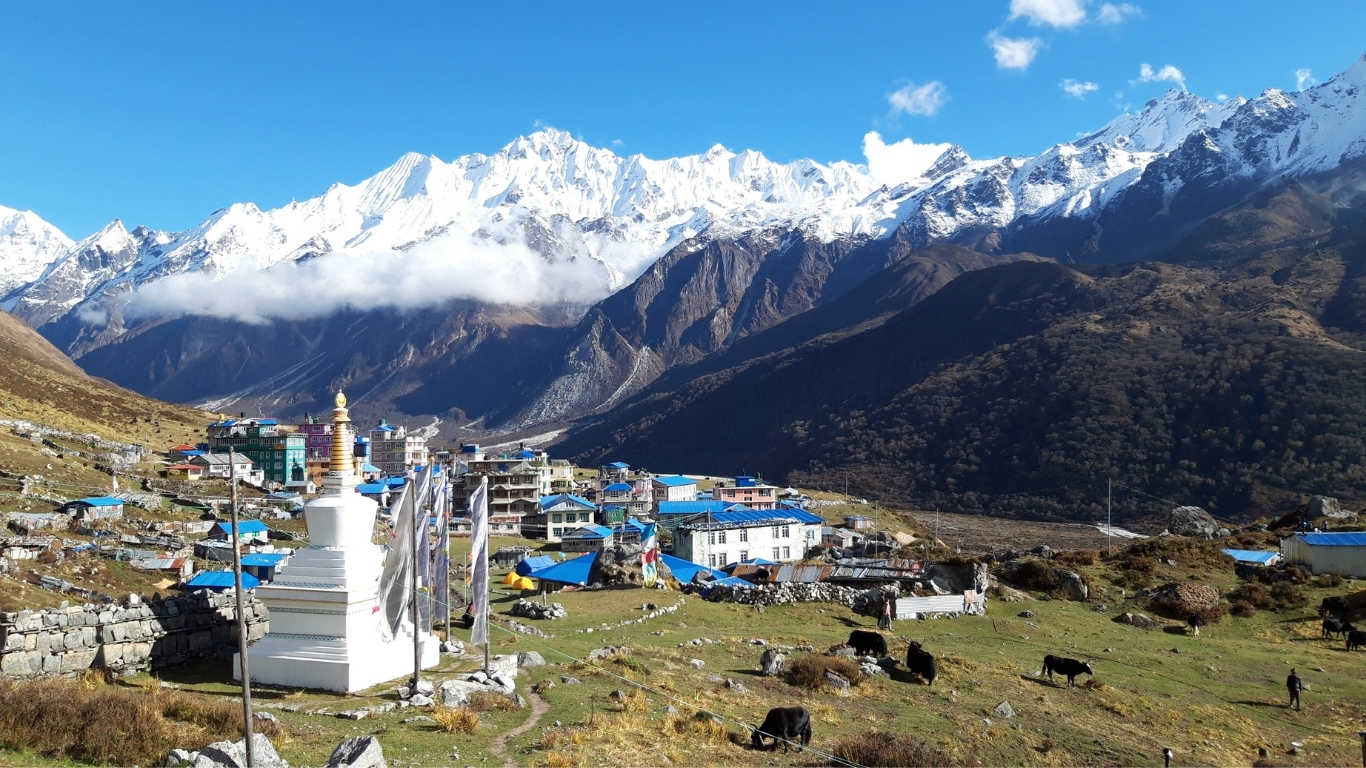
The Langtang route offers natural acclimatization points built into most itineraries. Lama Hotel at 2,380m works as a good first stop after the initial climb from Syabrubesi. Langtang Village at 3,430m serves as a critical rest point before pushing to higher elevations. At Kyanjin Gompa (3,830m), taking a rest day allows for the optional hike to Tserko Ri at 4,984m, which applies the “climb high, sleep low” principle effectively.
When to Consider Altitude Medication
Acetazolamide (Diamox) is commonly used as a preventative measure and is available at pharmacies in Kathmandu. It works by speeding up acclimatization, though it’s not a substitute for proper pacing. Side effects include tingling in fingers and toes and increased urination. Consulting a doctor before your trek helps determine whether it’s appropriate for your situation.
Langtang Trail Conditions After the Earthquake
The 2015 earthquake triggered a massive landslide that buried much of Langtang village. Understandably, some trekkers still wonder whether the area is safe.
The trails have been fully rebuilt, teahouses are operational, and the route is considered safe for trekking. The reconstructed Langtang village sits slightly relocated from its original position, and a memorial site honors those who were lost. Tourism directly supports the community’s recovery.
Best Season and Weather for a Safe Langtang Trek
Timing significantly affects both safety and enjoyment, and choosing the best time to visit Langtang Valley starts with understanding the region’s distinct seasons.
| Season | Months | Weather Conditions | Safety Considerations |
| Spring | March–May | Warming temperatures, rhododendron blooms, occasional afternoon showers | Generally safe; some haze at lower elevations |
| Autumn | Sept–Nov | Clear skies, stable weather, best visibility | Optimal conditions; most popular season |
| Monsoon | June–Aug | Heavy rainfall, leeches, landslide risk | Not recommended due to trail hazards |
| Winter | Dec–Feb | Cold temperatures, possible snow above 3,500m | Passable but requires cold-weather experience |
Spring Trekking Conditions
March through May brings warming days, cold nights, and spectacular rhododendron blooms along the lower trail sections. Visibility tends to be clearest in early spring before afternoon clouds build. Occasional rain showers are possible but rarely disruptive.
Autumn Trekking Conditions
September through November offers the most stable weather window. Skies are clear, mountain views are exceptional, and temperatures remain comfortable during trekking hours. This is peak season, meaning teahouses fill up quickly.
Monsoon and Winter Risks to Avoid
The June–August monsoon brings genuine hazards: slippery trails, leeches in forested sections, landslide risk on exposed slopes, and consistently poor visibility. December through February is passable for experienced trekkers with proper cold-weather gear, though some teahouses close and snow can block higher sections without warning.
Essential Safety Gear for Langtang Valley Trekking
Packing the right gear isn’t about bringing everything. It’s about bringing what actually matters for safety in variable mountain conditions.
Clothing and Layering Essentials
Temperature swings of 20°C or more between midday sun and nighttime are common. A proper layering system handles this better than bulky single items: moisture-wicking base layers (avoiding cotton), an insulating fleece or lightweight down jacket, and a waterproof windproof outer shell. Warm hat, sun hat, gloves, and quality trekking socks cover extremities. Broken-in waterproof trekking boots with ankle support complete the foundation.
Navigation and Communication Equipment
While the trail is well-marked, backup options provide peace of mind. A detailed physical trail map supplements phone apps. A headlamp with extra batteries covers early starts or emergencies. A whistle allows emergency signaling. A fully charged power bank and phone with offline maps downloaded before departure round out the essentials.
Emergency and First Aid Supplies
Basic medical preparedness covers most common trail issues: a first aid kit with bandages, antiseptic, and blister treatment; altitude sickness medication if recommended by your doctor; oral rehydration salts for dehydration or stomach issues; personal medications with a doctor’s note; water purification tablets or filter; and high-SPF sunscreen with lip balm offering UV protection.
Why Trekking With an Experienced Guide Improves Safety
Solo trekking is legally permitted on the Langtang route, but hiring a local guide significantly reduces risk. Guides bring route knowledge that no guidebook captures. They know which sections become problematic after rain, where weather patterns shift, and how to recognize early altitude sickness symptoms in their clients.
Experienced guides carry emergency communication devices and have established relationships with teahouse owners and evacuation services. They can communicate with locals in situations where language barriers might otherwise cause problems. Beyond safety, a good guide enriches the experience with cultural context and local insights.
Water, Food, and Hygiene Safety on the Langtang Trail
Gastrointestinal illness sidelines more trekkers than altitude sickness in some seasons. Prevention is straightforward but requires consistent attention.
Safe Drinking Water Practices
Stream water along the trail looks pristine but carries contamination risks. Never drinking untreated water from streams or taps is the baseline. Water purification tablets, UV purifiers, or filters work consistently. Boiled water is available at teahouses, though verifying proper boiling helps. Bottled water creates plastic waste, making purification methods the preferred approach.
Food Safety at Teahouses
Teahouse food is generally safe when following a few guidelines. Freshly cooked, hot meals served immediately pose the lowest risk. Dal bhat (rice and lentils) is nutritious, filling, and reliably safe. Raw vegetables and salads at higher elevations carry more risk where washing water quality varies. Meat quality decreases with altitude, making vegetarian options safer choices higher up.
Preventing Common Trail Illnesses
Simple hygiene practices prevent most problems. Washing hands frequently or using hand sanitizer before every meal is the foundation. Not sharing water bottles or utensils with other trekkers limits transmission. Carrying oral rehydration salts addresses diarrhea before dehydration compounds altitude issues.
Emergency Preparedness and Helicopter Evacuation
Knowing what happens if something goes wrong provides practical preparation.
Emergency Contact Numbers and Resources
Keeping key contacts accessible in both phone and on paper covers communication gaps. The Nepal Tourism Board emergency line, Himalayan Rescue Association, your trekking agency’s emergency contact, your country’s embassy in Kathmandu, and the nearest health posts at Dhunche and Syabrubesi form the essential list.
How Helicopter Evacuation Works in Langtang
When evacuation is needed, the process typically unfolds like this: your guide or teahouse owner contacts rescue services via satellite phone or mobile network, a helicopter is dispatched from Kathmandu weather permitting, and landing occurs at cleared areas near Kyanjin Gompa or other designated points. Weather delays are common since helicopters cannot fly in poor visibility or high winds. Insurance verification happens before dispatch.
Communication Options Along the Trail
Mobile network coverage (NTC works better than Ncell) is intermittent at villages. WiFi is available at most teahouses for a small fee. Satellite communicators like Garmin inReach provide reliable emergency contact. Lodge owners can help contact emergency services if needed.
Travel Insurance Requirements for High-Altitude Trekking
Standard travel insurance policies often exclude high-altitude trekking and helicopter evacuation. Your policy specifically covers trekking at elevations up to 5,000m (for the Tserko Ri day hike), emergency helicopter evacuation, medical treatment and repatriation, and trip cancellation and interruption. Purchasing insurance before departure and carrying both physical and digital copies of your policy ensures coverage verification doesn’t delay evacuation.
Is the Langtang Valley Trek Safe for Beginners
Yes, with proper preparation. The Langtang Valley trek is achievable for fit beginners who approach it thoughtfully.
The route doesn’t require technical climbing skills or previous high-altitude experience. What it does demand is realistic self-assessment, adequate physical preparation, and the willingness to listen to your body and your guide.
Beginners who train properly, allow sufficient acclimatization time, and trek with experienced guides complete Langtang successfully every season. The key is treating “moderate difficulty” with the respect it deserves rather than underestimating what the Himalayas require.
Fitness and Experience You Need
No technical climbing skills are required. The trail involves walking, not mountaineering. Cardiovascular fitness for sustained uphill walking over multiple hours forms the foundation. The ability to trek 5–6 hours daily while carrying a daypack is the practical benchmark. Prior multi-day hiking experience is helpful but not essential.
Langtang Trek Difficulty Compared to Other Routes
Langtang sits in the moderate difficulty range for Nepal treks. It’s easier than Everest Base Camp (longer duration, higher altitude) and Annapurna Circuit (more days, higher pass). The daily effort is similar to Poon Hill trek. Advantages include shorter duration at 7–10 days, fewer crowds, and no flights required to reach the trailhead. Trekkers wanting a longer challenge can extend into the Langtang Gosaikunda trek, which adds sacred alpine lakes over 13 days.
How Langtang Safety Compares to Everest and Annapurna Treks
For trekkers deciding between Nepal’s major routes, safety factors vary across several dimensions.
| Factor | Langtang | Everest Base Camp | Annapurna Circuit |
| Maximum Elevation | ~4,984m (Tserko Ri) | 5,364m | 5,416m (Thorong La) |
| Trek Duration | 7–10 days | 12–14 days | 12–21 days |
| Crowd Levels | Moderate | High | Moderate-High |
| Rescue Access | Good helicopter access | Multiple evacuation points | Variable by section |
Langtang offers a comparable Himalayan experience with somewhat easier logistics, lower maximum altitude, and significantly fewer crowds than the more famous routes.
Quick Safety Tips and Pre-Departure Checklist
1. Book With a Reputable Local Trekking Operator
A registered trekking operator in Nepal will have emergency protocols, trained guides, and established rescue relationships.
2. Get Travel Insurance With Evacuation Coverage
Confirming your policy covers trekking up to 5,000m and includes helicopter rescue before departure prevents complications.
3. Allow Extra Days for Proper Acclimatization
Building buffer days into your itinerary rather than rushing the schedule lets your body set the pace.
4. Pack Appropriate Safety Gear
Headlamp, first aid kit, emergency communication device, and proper layering for temperature swings cover the essentials.
5. Stay Hydrated and Maintain Good Nutrition
Drinking 3–4 liters of water daily and eating substantial meals even when appetite decreases at altitude supports acclimatization.
6. Know the Warning Signs of Altitude Sickness
Familiarizing yourself with altitude sickness symptoms before the trek allows early recognition if they appear.
7. Keep Emergency Contacts Accessible
Storing numbers in your phone and on paper, plus sharing your itinerary with someone at home, creates backup communication.
8. Respect Weather Warnings and Local Advice
If guides or locals advise against continuing, they understand conditions that may not be immediately apparent.
Trek Langtang Valley Safely With Wilder Way Trekking
Wilder Way Trekking builds safety into every Langtang itinerary through proper acclimatization scheduling, experienced local guides, and 24/7 support throughout your trek. As a government-registered Nepal operator, we maintain emergency protocols and direct relationships with rescue services. Our guides are locally certified, trained in altitude sickness recognition, and carry emergency communication equipment.
Book Your Langtang Valley Trek
FAQs About Langtang Valley Trek Safety
Can I trek Langtang Valley solo or is a guide required?
Solo trekking is legally permitted on the Langtang route. Hiring a guide significantly improves safety through local knowledge, emergency response capability, and assistance with communication and navigation in remote areas.
What permits do I need for the Langtang Valley Trek?
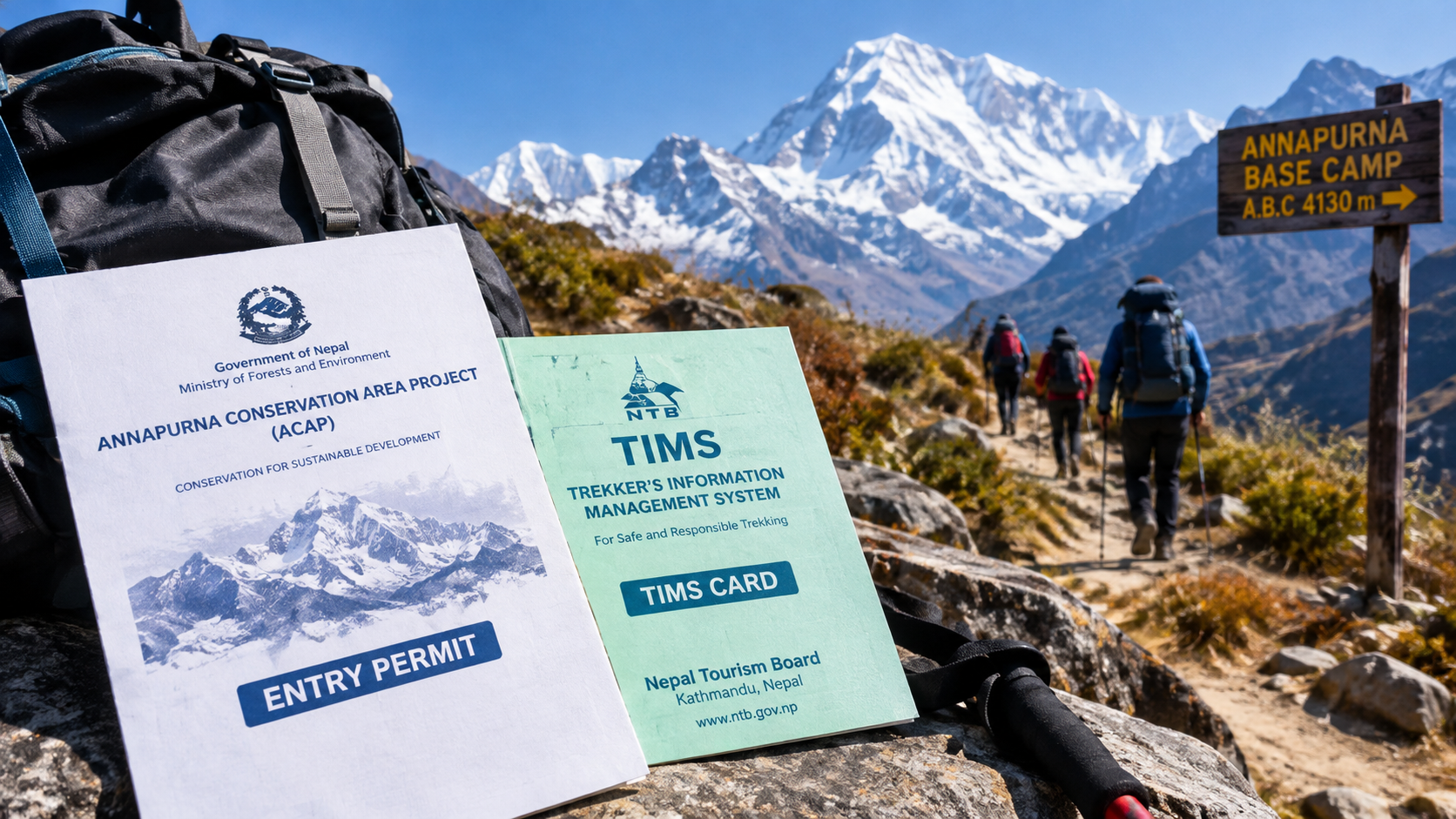
Trekkers require a Langtang National Park entry permit and a TIMS (Trekkers’ Information Management System) card. Both are obtainable in Kathmandu or at the park entrance in Dhunche
Is there cell phone service on the Langtang trek?
Mobile coverage on the NTC network is available intermittently at villages along the trail. Most teahouses offer WiFi for a small fee, though connections become less reliable at higher elevations.
What altitude medication is recommended for the Langtang trek?
Acetazolamide (Diamox) is the most commonly used preventative medication and is available at pharmacies in Kathmandu. Consulting your doctor before the trek helps determine appropriate dosage.
Are there dangerous wildlife encounters on the Langtang trail?
Wildlife encounters are rare. While Langtang National Park is home to red pandas and Himalayan black bears, these animals typically avoid human contact on established trekking routes
How many days does proper acclimatization require on the Langtang trek?
A well-designed Langtang Valley trek itinerary includes at least one dedicated acclimatization day, typically at Kyanjin Gompa. Individual needs vary, and additional rest days are appropriate if any altitude symptoms appear.