- 128 Views
- 16 Min Read
- (0) Comment
Ever wondered why most trekkers skip Langtang Valley between December-February and June-August? They assume “off-season” automatically means poor conditions and disappointing experiences. But here’s what they’re really missing out on: empty mountain trails, affordable pricing, and the unhurried pace that lets you actually connect with the landscape instead of just passing through it.
In this blog about Langtang Valley trekking in low season, we’ll show you why winter and monsoon months might actually be the best time for your trek if you know what to expect. You’ll discover the hidden advantages that draw experienced trekkers back during these quieter months, learn what conditions you’ll actually face on the trail, and get practical advice on preparing for a trek that rewards flexibility and proper planning with experiences the crowded seasons simply can’t offer.
When is the low season for Langtang Valley Trekking
Langtang Valley’s low season splits into two distinct periods: winter (December to February) and monsoon (June to August). Each offers unparalleled solitude and lower costs compared to the crowded spring and autumn months. Winter brings stunning snow-covered landscapes and crystal-clear mountain views, while monsoon transforms the valley into a lush green corridor with powerful waterfalls and blooming wildflowers that peak-season trekkers never witness.
Peak season runs from March to May and September to November, when stable weather draws the majority of visitors to the trail. Low season, by contrast, sees a dramatic drop in trekker numbers. You might encounter only a handful of other foreign trekkers over an entire week on the trail. This fundamentally changes the character of the experience, shifting it from tourism to something closer to genuine exploration in the mountains.
Why Trek Langtang Valley in Winter
Winter trekking in Langtang isn’t a compromise. It’s a genuinely different experience that many returning trekkers actually prefer over the busier months. The valley takes on a character that simply doesn’t exist during spring and autumn, with snow-covered landscapes, exceptional visibility, and a quietness that allows the mountains to speak without interruption from crowds or commercial atmosphere.
From crystal-clear mountain views to nearly empty teahouses, winter delivers advantages that go beyond simple cost savings. The cold demands proper preparation, but it rewards that preparation with dramatic scenery, authentic cultural interactions, and the kind of solitude that originally drew trekkers to the Himalayas. For those willing to pack the right gear and embrace the season, winter Langtang offers something peak months cannot replicate.
Crystal-Clear Mountain Views Without Haze
Dry winter air eliminates the atmospheric haze that softens mountain views during other seasons. Langtang Lirung (7,227m), Ganesh Himal, and the surrounding peaks appear with extraordinary sharpness against deep blue skies. Visibility can extend for hundreds of kilometers on clear mornings, creating conditions that photographers consistently describe as their best for Himalayan shots.
Snow-Covered Landscapes and Dramatic Scenery
The valley transforms under snow. Alpine meadows that appear green and gentle in autumn become stark white expanses. Frosted forests create dramatic contrasts, and the entire landscape takes on an almost otherworldly quality that peak-season trekkers simply don’t see.
Nearly Empty Trails and Lodges
Solitude is perhaps winter’s greatest gift. Where autumn might see dozens of trekkers arriving at Kyanjin Gompa each afternoon, winter often brings single digits. Teahouses feel more like family homes than busy hostels, and the trail itself becomes a private corridor through the mountains.
Lower Prices on Accommodation and Guides
Teahouse rates typically drop during low season, and guide and porter fees become more negotiable. Package trek pricing from reputable operators often includes off-season discounts that can reduce overall costs by 15 to 25% compared to peak months.
Authentic Cultural Interactions with Locals
With fewer tourists demanding attention, lodge owners and villagers have more time for genuine conversation. The Tamang communities of Langtang Valley are known for their warmth, and winter creates space for cultural exchange that rushed peak-season visits rarely allow. You might find yourself invited to share butter tea by the fire while a lodge owner shares stories of life in the valley.
Why Trek Langtang Valley in Monsoon
Monsoon trekking carries a reputation that scares away most visitors, which is precisely why it appeals to a certain type of trekker who values solitude and dramatic natural conditions over guaranteed comfort. The valley becomes something entirely different during these months: wilder, greener, and more dramatic than the dry-season landscape most trekkers experience. Rain transforms the environment into a living, breathing ecosystem at peak vitality.
The challenges are real: afternoon rainfall, muddy trails, and occasional leeches at lower elevations. But so are the rewards for those who prepare properly. Monsoon delivers the year’s most vibrant scenery, the steepest discounts, and an experience that feels more like wilderness exploration than organized tourism. If you can embrace the wet conditions and pack accordingly, monsoon Langtang offers something genuinely unique in the trekking world.
Lush Green Valleys and Roaring Waterfalls
The transformation is dramatic. Valleys that appear brown and dry in autumn turn emerald green. Waterfalls swell to their most powerful, and rivers run at peak flow with thunderous energy. The landscape feels alive in a way that dry-season visitors never witness.
Blooming Wildflowers and Vibrant Flora
Monsoon brings wildflowers to the lower elevations, and rhododendrons that bloomed in spring give way to a different palette of alpine flowers. Nature enthusiasts and botanists often prefer this season specifically for the vegetation, which reaches its peak lushness during July and August.
Fewest Trekkers of the Entire Year
If winter is quiet, monsoon is nearly silent. You might go entire days without seeing another foreign trekker. The trails belong to you, the lodges feel like private retreats, and the experience becomes something closer to exploration than tourism.
Significant Discounts on Treks and Lodging
Monsoon sees the steepest discounts of the year. Guided packages, teahouse stays, and transport all drop in price as operators compete for the limited visitors willing to trek during the rains.
Unique Atmospheric Photography Conditions
Mist, dramatic clouds, and rain-washed landscapes create moody, artistic photography opportunities unavailable in peak seasons. The light behaves differently, colors saturate more deeply, and the atmosphere itself becomes a subject.
What to Expect on Langtang Trails in Winter
Winter trekking in Langtang is entirely achievable for properly prepared trekkers, but success depends on understanding the actual conditions rather than romanticizing them. The valley doesn’t care about your enthusiasm. It responds to your preparation. Temperatures regularly drop below freezing at night, snow covers trails above 3,000 meters, and daylight hours compress significantly compared to summer months.
Know what temperatures, trail surfaces, and daylight limitations you’ll face, pack accordingly, and the experience becomes challenging but manageable rather than miserable. Winter rewards preparation with exceptional clarity, dramatic snow-covered landscapes, and the kind of solitude that makes every step feel earned. The cold is real, but so is the beauty it creates across the valley.
Temperatures Dropping Below Freezing at Night
Above 3,000 meters, nighttime temperatures regularly drop to -10°C to -15°C. Teahouse rooms are unheated, and even with blankets provided, a properly rated sleeping bag (-15°C minimum) becomes essential. Layering systems matter enormously. Thermal base layers, insulated mid-layers, and a quality down jacket form the core of winter comfort.
Snow-Covered Trails Above 3,000 Meters
Trail conditions change significantly in winter. Packed snow and occasional ice patches become common above Lama Hotel. Careful footing replaces the casual walking of autumn. Microspikes or light traction devices are recommended for sections above 3,500 meters, though full crampons are typically unnecessary on the standard route.
Shorter Daylight Hours for Trekking
Winter daylight is compressed to roughly 10 hours of usable light compared to 13+ hours in summer. Earlier starts and earlier arrivals at lodges become the norm, and daily trekking windows shrink accordingly.
Some Higher Elevation Lodges May Close
Lodges at Kyanjin Gompa and beyond may operate with limited services or close entirely during the coldest months. Advance booking through a guide with local relationships helps ensure availability.
- Nighttime temperatures: Sub-zero at elevations above 3,000m
- Trail surface: Snow and ice patches common above Lama Hotel
- Daylight: Approximately 10 hours of usable light
- Lodge availability: Reduced at higher elevations; advance coordination recommended
What to Expect on Langtang Trails During Monsoon
Monsoon trekking requires a different mindset than dry-season hiking, one that embraces rather than resists the rain. The typical pattern brings clear mornings followed by afternoon showers, sometimes heavy enough to turn trails into muddy streams. Waterproof gear isn’t optional; it’s the difference between manageable discomfort and genuine misery. Leeches appear below 2,500 meters, and mountain views often hide behind afternoon clouds.
The rewards are real, but so are the challenges. Flexibility becomes essential. Rigid schedules and monsoon trekking don’t mix well. Heavy rain can cause minor landslides that require route adjustments, and visibility varies dramatically throughout the day. Set realistic expectations, pack comprehensive waterproofing, and the experience delivers something genuinely unique: a living, breathing landscape at peak vitality that dry-season trekkers never witness.
Daily Afternoon Rainfall and Muddy Paths
The typical monsoon pattern brings clear mornings followed by afternoon showers, sometimes heavy. Trails become muddy and slippery, particularly on descents. Waterproof boots, gaiters, and rain gear aren’t optional. They’re the difference between manageable discomfort and genuine misery.
Leeches on Lower Elevation Trails
Below 2,500 meters, leeches are present during monsoon. They’re harmless but unpleasant. Prevention methods work well: gaiters, leech socks, and salt carried in a small container. Most trekkers find that after the first day or two, leeches become a minor annoyance rather than a major concern.
Occasional Cloud-Obscured Mountain Views
High peaks may be hidden by clouds, particularly in afternoons. Mornings often offer clearer views, so early starts become even more valuable. Setting realistic expectations helps. You might not see Langtang Lirung every day, but when it appears through breaking clouds, the moment feels earned.
Potential Trail Disruptions from Landslides
Heavy rain can cause minor landslides, particularly on steeper sections. Experienced guides monitor conditions and reroute when necessary. Flexibility in your itinerary becomes important. Rigid schedules and monsoon trekking don’t mix well.
- Rain pattern: Afternoons typically wet, mornings clearer
- Trail hazards: Mud, slippery sections, leeches below 2,500m
- Visibility: Mountain views best in early morning
- Route adjustments: Minor detours may be needed
How Much Money You Save Trekking Langtang in Low Season
Nearly every cost category drops when demand decreases: teahouse accommodation, guide and porter fees, package trek pricing, and transport to the trailhead all see reductions during winter and monsoon months. Teahouse rates typically drop 20 to 30% below peak-season pricing, while guide and porter fees become negotiable with reductions of 15 to 20% common. Package treks from reputable operators often include off-season discounts that can reduce overall costs by 15 to 25% compared to peak months.
The combination of savings across categories makes low season attractive for budget-conscious trekkers who don’t mind trading guaranteed sunshine for financial flexibility. Transport costs decrease as demand drops, and the competitive environment among operators creates opportunities for negotiation that simply don’t exist during busy months. For trekkers willing to embrace seasonal conditions, the financial advantages add up quickly across a multi-day trek.
| Cost Category | Peak Season | Low Season |
|---|---|---|
| Teahouse accommodation | Higher demand pricing | Reduced rates (often 20 to 30% lower) |
| Guide/porter fees | Standard rates | Negotiable, typically 15 to 20% lower |
| Package trek pricing | Full price | Off-season discounts common |
| Transport to trailhead | Peak pricing | Lower demand pricing |
Choosing Between Winter and Monsoon for Langtang Valley Trek
Both low seasons offer solitude and savings, but they deliver fundamentally different experiences that appeal to different trekker preferences. Winter is cold but dry, demanding serious insulation and cold-weather gear while rewarding preparation with crystal-clear mountain views and snow-covered landscapes. Monsoon is warmer but wet, requiring comprehensive waterproofing while delivering lush greenery, powerful waterfalls, and atmospheric photography conditions unavailable in any other season.
Trail conditions shift dramatically between seasons. Winter challenges concentrate above 3,500 meters where snow and ice require careful footing, while monsoon difficulties often appear lower on the trail where mud, leeches, and potential washouts become the primary concerns. Your choice depends on whether you prefer stark, dramatic clarity or vibrant, living landscapes. Both seasons reward proper preparation, but they demand different gear priorities and different mindsets about what constitutes ideal trekking conditions.
Weather and Temperature Differences
Winter is cold but dry; monsoon is warmer but wet. Gear priorities shift accordingly. Winter demands serious insulation, while monsoon requires comprehensive waterproofing.
Trail Conditions and Accessibility
Winter brings snow and ice at elevation; monsoon brings mud and potential washouts at lower elevations. Winter challenges tend to concentrate above 3,500 meters, while monsoon difficulties often appear lower on the trail.
Scenery and Photography Potential
Winter offers stark, dramatic snow scenes with exceptional clarity. Monsoon offers lush greenery, powerful waterfalls, and atmospheric conditions that create moody, artistic images.
| Factor | Winter (Dec to Feb) | Monsoon (Jun to Aug) |
|---|---|---|
| Temperature | Cold, sub-zero nights | Mild, humid days |
| Precipitation | Minimal | Daily afternoon rain |
| Trail surface | Snow, ice patches | Mud, slippery rocks |
| Scenery | Snowy alpine landscapes | Green valleys, waterfalls |
| Crowds | Very few trekkers | Fewest of the year |
Is Low Season Langtang Trekking Suitable for Beginners
Langtang Valley is considered a moderate trek accessible to beginners even in low season, though additional preparation becomes important compared to peak-month attempts. The trail is well-established, the altitude profile is manageable (maximum around 4,984m at Tserko Ri), and teahouses provide shelter throughout the route—whether you follow the standard valley itinerary or the extended Langtang Gosaikunda trek. The technical difficulty doesn’t increase during winter or monsoon. The trail remains the same. But the margin for error decreases when conditions become more challenging.
The key difference for beginners in low season is that proper gear investment matters more when temperatures drop or rain persists for days. Guided support becomes more valuable when trail conditions are challenging and lodge availability is uncertain. Physical preparation remains the same: build cardio and leg strength 6 to 8 weeks before arrival. But mental preparation for discomfort and flexibility becomes equally important. Beginners can absolutely succeed in low season, but they need realistic expectations and proper support systems.
- Physical preparation: Build cardio and leg strength 6 to 8 weeks before arrival
- Guided support: Strongly recommended for low season conditions
- Gear investment: Proper cold-weather or waterproof equipment essential
- Flexibility: Be prepared for itinerary adjustments based on conditions
Essential Gear for Low Season Langtang Treks
Gear selection can make or break a low-season trek. The right equipment transforms challenging conditions into manageable ones, while inadequate gear turns discomfort into genuine misery. Winter demands quality insulation and layering systems that protect against sub-zero temperatures, while monsoon requires comprehensive waterproofing that keeps you dry through hours of afternoon rainfall. The investment matters more during low season because the margin for error shrinks when conditions become more extreme.
Quality matters more than quantity in both seasons. A properly rated sleeping bag, waterproof boots with ankle support, and season-appropriate layering systems form the foundation of comfort and safety. Microspikes for winter ice, gaiters for monsoon leeches, and dry bags for electronics all earn their weight when conditions demand them. The gear list isn’t dramatically longer than peak season. It just needs to perform at a higher level when the environment becomes less forgiving.
Cold-Weather Layering for Winter Treks
Quality matters more than quantity. Thermal base layers (wool or synthetic, never cotton), an insulated mid-layer, and a heavyweight down jacket rated to at least -15°C form the core system. A windproof shell completes the protection.
Waterproof Gear for Monsoon Treks
Comprehensive waterproofing is non-negotiable during monsoon. A quality waterproof jacket and pants, a pack cover, dry bags for electronics, and quick-dry clothing all earn their weight.
Footwear and Traction for Challenging Trails
Waterproof trekking boots with ankle support work for both seasons. For winter above 3,500 meters, microspikes provide essential traction on icy sections.
- Base layers: Moisture-wicking thermals (wool or synthetic)
- Insulation: Down or synthetic jacket rated to -15°C
- Shell: Waterproof, breathable outer layer
- Footwear: Waterproof boots with ankle support, microspikes for winter
Teahouse and Lodge Availability During Low Season
Teahouses along the main Langtang Valley route remain open year-round, though some higher-elevation options may close or operate with limited services during the coldest winter months or heaviest monsoon periods. The main villages (Lama Hotel, Langtang Village, and Kyanjin Gompa) maintain at least one or two operating lodges even in the quietest months. You won’t face a situation where no accommodation exists, but your choices become more limited compared to peak season when every lodge operates at full capacity.
Hot showers and phone charging may be limited or unavailable at higher elevations during low season as lodges reduce services to match reduced demand. Advance coordination through a guide with local relationships helps ensure availability and prevents situations where you arrive to find your preferred lodge closed. Carrying backup food (extra snacks and emergency supplies) provides insurance against unexpected situations where meal options become limited or weather delays force an extra night at a particular location.
Why Guided Treks Are Valuable for Low Season Adventures
Experienced guides provide value during low season that goes beyond navigation. Trail condition knowledge, lodge coordination, weather monitoring, and emergency response capability all become more important when conditions are challenging and other trekkers are scarce.
Low season Langtang trekking isn’t about settling for less. It’s about choosing something different. The cold demands preparation, the rain requires flexibility, but both seasons reward those willing to embrace them with experiences that crowded trails simply cannot replicate. Empty valleys, genuine cultural connection, and landscapes at their most dramatic await trekkers who look beyond the peak-season calendar. If you’re ready to experience Langtang as few others do, working with the best company for Langtang Valley trekking in low season ensures you’re prepared for the conditions while supported throughout the journey. The mountains are waiting. Plan your trek when they’re at their quietest and most rewarding.
FAQs About Langtang Valley Trekking in Low Season
Are permits required for Langtang Valley treks during low season?
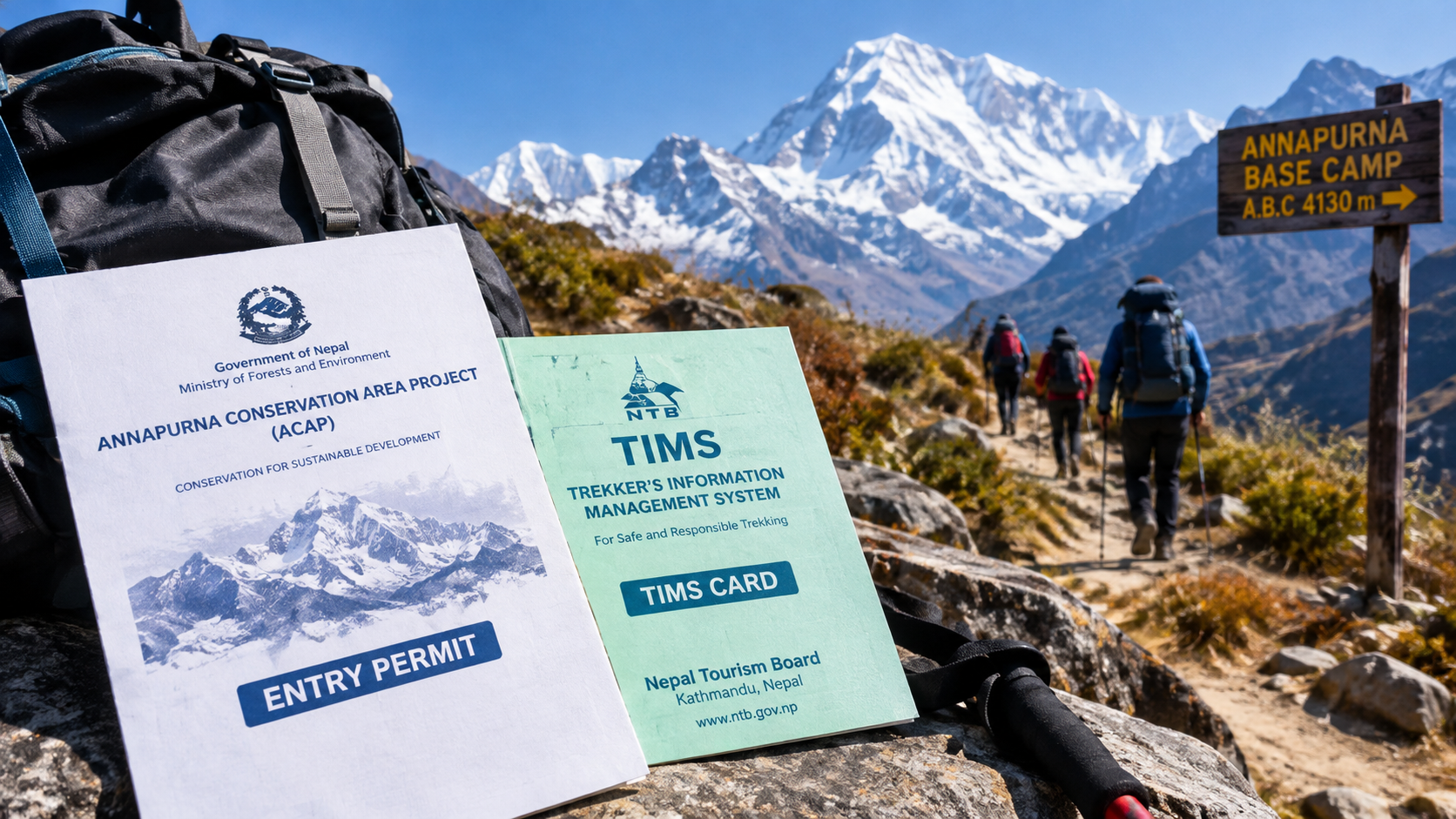
Yes, the same permits required during peak season apply year-round. The Langtang National Park Entry Permit and the TIMS card are mandatory regardless of when you trek. Permit offices in Kathmandu and at the park entrance remain operational throughout the year.
Can I complete the Langtang Valley trek without a guide in low season?
While technically permitted, trekking without a guide during low season is not recommended due to reduced lodge availability, potential trail difficulties, and limited emergency support options in remote areas.
What is the best month for low season Langtang trekking?
December offers the best balance for winter trekking: stable weather before the coldest months, with snow already present at higher elevations. For monsoon, June provides the mildest conditions before peak rainfall arrives in July and August.
How do emergency evacuations work during Langtang low season?
Helicopter evacuation remains available year-round but may face weather delays during monsoon or heavy snowfall. Comprehensive travel insurance covering high-altitude rescue (up to 5,000m minimum) is essential.
Do I need crampons or microspikes for winter Langtang trekking?
Microspikes or light traction devices are recommended for winter treks above 3,500 meters where ice patches form. Full crampons are typically unnecessary for the standard Langtang Valley route.