


- 143 Views
- 21 Min Read
- (0) Comment
Mardi Himal Base Camp – Short and Easiest Trek in Annapurna Region making it an ideal choice for trekkers seeking a shorter yet rewarding adventure. This trek takes you to Mardi Himal Base Camp, offering spectacular views of the Annapurna range, Machapuchare (Fishtail), and Mardi Himal. With its moderate difficulty level, the trek is suitable for those with some hiking experience. Along the way, you’ll trek through beautiful rhododendron forests, charming Gurung villages, and serene alpine meadows, making it a perfect introduction to the Himalayan landscape.
The trek begins from Pokhara and takes you through lush forests, picturesque villages, and terraced fields. The journey gradually ascends to Mardi Himal Base Camp, situated at an elevation of 4,500 meters, where trekkers are rewarded with breathtaking views of Mardi Himal, Machapuchare (Fishtail), and Annapurna South. The trek offers an excellent opportunity to witness the Himalayan flora and fauna, including rhododendron forests and Himalayan tahr.
One of the main attractions of the Mardi Himal Trek is its off-the-beaten-path nature. It is relatively less touristy compared to other treks in Nepal, providing trekkers with a peaceful and serene experience. The route is well-defined, making it suitable for trekkers with moderate fitness levels. It takes about 5-7 days to complete the trek, making it an ideal option for those looking for a short but rewarding adventure.
With its unique combination of natural beauty, cultural diversity, and manageable difficulty level, the Mardi Himal Trek is a must-do for adventure enthusiasts visiting Nepal. Whether you’re a seasoned trekker or a beginner, this trek offers something for everyone, making it an unforgettable experience in the heart of the Himalayas.

What are the Major Highlights of Mardi Himal Base Camp – Short and Easiest Trek in Annapurna Region?
The Mardi Himal Trek is one of Nepal’s most scenic and serene trekking routes, offering a perfect blend of natural beauty, culture, and adventure. Here are the major highlights of the trek:
1. Stunning Himalayan Views
One of the key attractions of the Mardi Himal Trek is the panoramic view of the majestic Annapurna Range, including Mardi Himal, Machapuchare (Fishtail), and Annapurna South. These peaks are visible at different stages of the trek, particularly from the Mardi Himal Base Camp at 4,500 meters, which provides the most spectacular views.
2. Off-the-Beaten-Path Experience
Mardi Himal is a less crowded alternative to the popular Annapurna Base Camp Trek. This trek offers a peaceful, tranquil experience, away from the usual trekking crowds. It’s perfect for trekkers seeking solitude and a more authentic, unspoiled natural experience.
3. Diverse Landscapes
The trek takes you through a variety of landscapes, from lush forests of rhododendron, oak, and bamboo, to alpine meadows and rocky terrain. As you ascend, the landscape transforms, giving you a unique opportunity to experience the change in flora and fauna at different altitudes.
4. Cultural Encounters of Gurung and Magar Villages in Annapurna Region
Along the trek, you’ll pass through traditional Gurung and Magar villages. The locals, who are warm and welcoming, provide an insight into the culture and lifestyle of the indigenous people of the region. Staying in teahouses run by the locals also allows for a more authentic cultural exchange.
5. Moderate Difficulty Level
The Mardi Himal Trek is suitable for trekkers of moderate fitness levels. It doesn’t require technical climbing skills, but it does involve some uphill walking, particularly as you near the base camp. The trek is manageable within 5-7 days, making it ideal for those short on time but wanting a Himalayan adventure.
6. Flora and Fauna
The route is rich in biodiversity. You can spot a variety of wildlife, including the Himalayan tahr, wild boars, and various species of birds. The forests are particularly vibrant in spring when the rhododendrons bloom, creating a colorful atmosphere.
7. Mardi Himal Base Camp
The trek culminates at Mardi Himal Base Camp, offering some of the most stunning views of the Annapurna and Machapuchare mountain ranges. It’s a relatively new trekking destination, so the area remains pristine and less commercialized, giving trekkers a raw and unspoiled Himalayan experience.
8. A Great Alternative to Annapurna Base Camp
While the Annapurna Base Camp Trek is famous, it can get crowded. Mardi Himal Trek provides an alternative, delivering equally stunning views and similar experiences, without the crowds. It’s a perfect choice for trekkers who want a peaceful trek with spectacular mountain views.
The Mardi Himal Trek is an ideal choice for trekkers who want to explore the Annapurna region, enjoy majestic views, immerse in nature, and experience local culture without the hustle and bustle of more popular trekking routes.

What are the Things which do not Miss During the Mardi Trek?
The Mardi Himal Trek is a captivating adventure, offering breathtaking views, diverse landscapes, and cultural encounters. To ensure you make the most of your journey, here are the things you should not miss during the Mardi Himal (Short and Easy Hiking Trail) trek in Nepal:
1. Mardi Himal Base Camp
Reaching the Mardi Himal Base Camp at 4,500 meters is the ultimate highlight of the trek. The panoramic views of the Annapurna range, including Mardi Himal, Machapuchare (Fishtail), and Annapurna South, are absolutely mesmerizing. It’s the perfect spot for photography and soaking in the beauty of the Himalayas.
2. Sunrise and Sunset Views
Catching the sunrise and sunset from strategic viewpoints like Deurali or Low Camp is a must. The changing light on the snow-capped peaks creates a magical experience. The sight of the first rays of the sun illuminating the mountains is unforgettable.
3. Rhododendron Forests in Bloom (Spring Trekking)
If you trek during the spring season (March to May), you’ll be treated to vibrant rhododendron forests. The colorful flowers covering the hillsides make the trek even more enchanting. This is an experience you can’t miss, as it adds a burst of color to the already beautiful landscapes.
4. Interacting with Local Communities
The Gurung and Magar people living in the villages along the trek are warm and friendly. Take time to interact with the locals, visit their villages, and experience their way of life. Their hospitality and stories about the region add depth to your cultural experience.
5. Machapuchare (Fishtail) View
Machapuchare, known as Fishtail Mountain, is one of the most iconic peaks in the region. The views of this majestic mountain are visible from several points along the trek, including the High Camp and Mardi Himal Base Camp. Don’t miss the chance to capture its beauty in your photos.
6. Trekking Through Lush Forests
The trek takes you through various landscapes, but the dense forests of rhododendron, oak, and bamboo are among the most serene and beautiful parts of the journey. Hiking through these green corridors offers a peaceful respite and a chance to experience the region’s rich biodiversity.
7. Low Camp to High Camp Ascend
The Low Camp to High Camp section is one of the most exciting parts of the trek, where the scenery begins to dramatically change. As you move higher, you’ll witness stunning mountain views and increasingly alpine terrain. The transition from the lush forests to the open ridges with views of the snow-capped peaks is a key moment on the trek.
8. Wildlife Spotting
Keep an eye out for local wildlife, especially Himalayan tahr, wild boars, and a variety of birds. The trek passes through rich wildlife habitats, and though sightings are not guaranteed, the chance to spot these creatures in their natural environment adds a thrilling element to your adventure.
9. Trekking with Stunning Views of the Annapurna Range
The views of the Annapurna Range from various vantage points throughout the trek are spectacular. The towering peaks, including Annapurna South and Hiunchuli, provide the perfect backdrop as you trek along the trail. These views are a major highlight, so make sure to take plenty of time to appreciate them.
10. Teahouse Stays and Local Cuisine
The Mardi Himal Trek features cozy teahouses that offer a chance to taste the local Nepali cuisine. Don’t miss out on enjoying dal bhat, momo, and sherpa stew. Teahouses are also great places to unwind, interact with fellow trekkers, and experience the local hospitality.
11. Photography at Scenic Viewpoints
Throughout the trek, there are several scenic viewpoints where you can capture stunning images of the Himalayas, forests, and villages. Key spots for photography include Deurali, Low Camp, and the final destination at Mardi Himal Base Camp. Make sure your camera is ready to capture the beauty of these natural landscapes.
12. Resting at the High Camp
The High Camp is an essential stop before heading to Mardi Himal Base Camp. The views from here are extraordinary, and it’s a great place to rest and acclimatize before continuing to the base camp. It’s also an excellent spot to enjoy the sunrise or sunset.
Truly experience the magic of the Mardi Himal Trek, be sure not to miss these highlights. From awe-inspiring mountain views to cultural encounters with local communities and the serene beauty of the landscapes, each element adds a unique layer to your trekking experience.

Mardi Himal Trek Compare with Poon Hill Trekking in Nepal!
Both the Mardi Himal Trek and Poon Hill Trek are popular trekking routes in the Annapurna region of Nepal, offering stunning views of the Himalayas and a rich cultural experience. However, each trek has its own unique features and appeals to different types of trekkers. Here’s a detailed comparison of the two treks Mardi and the Poon Hill.
1. Trek Duration
- Mardi Himal Trek:
- Duration: 5-7 days
- The Mardi Himal Trek is a bit longer compared to the Poon Hill Trek and takes trekkers to higher altitudes, with a challenging yet rewarding journey to Mardi Himal Base Camp.
- Poon Hill Trek:
- Duration: 4-5 days
- The Poon Hill Trek is shorter and more accessible, making it an ideal option for those with limited time or beginner trekkers.
2. Difficulty Level Compare between Mardi and the Poon Hill Trekking
- Mardi Himal Trek:
- Difficulty: Moderate to Challenging
- The trek to Mardi Himal Base Camp involves higher altitudes and some steeper, more rugged terrain, making it more challenging. It requires good physical fitness, although it is still manageable for those with some trekking experience.
- Poon Hill Trek:
- Difficulty: Easy to Moderate
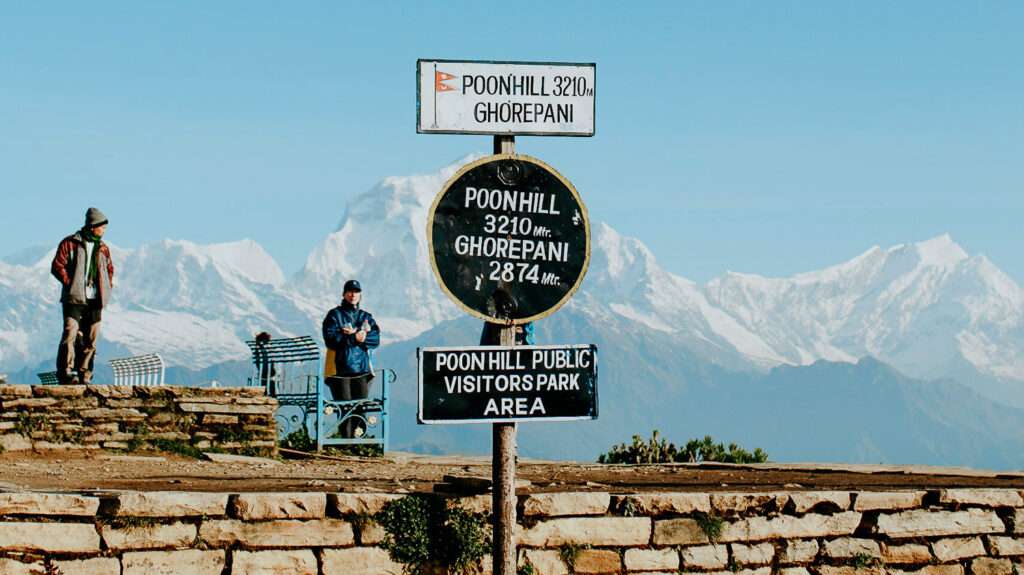
- The Poon Hill Trek is considered an easier and shorter trek, making it suitable for beginners or those looking for a less strenuous experience. The maximum altitude is around 3,210 meters at Poon Hill, which is relatively lower compared to Mardi Himal Base Camp.
3. Altitude
- Mardi Himal Trek:
- Highest Point: 4,500 meters at Mardi Himal Base Camp.
- The Mardi Himal Trek reaches higher altitudes, and trekkers may need to acclimatize to avoid altitude sickness.
- Poon Hill Trek:
- Highest Point: 3,210 meters at Poon Hill.
- The Poon Hill Trek stays at a lower altitude, reducing the risk of altitude sickness and making it a more suitable option for those new to trekking in the Himalayas.
4. Scenic Views
- Mardi Himal Trek:
- Offers panoramic views of Annapurna, Mardi Himal, Machapuchare (Fishtail), and Annapurna South.
- The views become more dramatic as you ascend, especially from Mardi Himal Base Camp, where the landscape transitions from lush forests to alpine terrain.
- Poon Hill Trek:
- Known for its iconic sunrise views over the Annapurna and Dhaulagiri mountain ranges. Poon Hill is one of the best spots in Nepal for watching the sunrise with stunning vistas of peaks like Annapurna I, Machapuchare, and Dhaulagiri.
- The trek also offers a variety of landscapes, from terraced fields to dense forests and charming villages.
5. Crowds
- Mardi Himal Trek:
- Less crowded and relatively off-the-beaten-path.
- The Mardi Himal Trek is a quieter, more secluded route compared to the Poon Hill Trek, which can be appealing to those seeking solitude in the mountains.
- Poon Hill Trek:
- More popular and attracts more tourists, especially during peak seasons.
- As one of the most famous short treks in Nepal, the Poon Hill Trek can get crowded, particularly at sunrise when trekkers gather to witness the stunning views.
6. Cultural Experience
- Mardi Himal Trek:
- Passes through remote Gurung and Magar villages, offering a deeper cultural experience with a glimpse of the rural Himalayan lifestyle.
- The trek provides a more authentic and intimate cultural experience due to its less touristy nature.
- Poon Hill Trek:
- Offers a rich cultural experience as well, with visits to Ghandruk, Tadapani, and other traditional villages.
- The Poon Hill trek is well-established, with more teahouses and accommodations along the way, which makes it a good choice for those who want a comfortable cultural experience.
7. Accessibility
- Mardi Himal Trek:
- Starting Point: Kande (a 1-2 hour drive from Pokhara).
- The trailhead can be accessed easily from Pokhara, but some parts of the trek are more rugged and remote compared to the Poon Hill route.
- Poon Hill Trek:
- Starting Point: Nayapul (a 1.5-hour drive from Pokhara).
- The trailhead is more accessible and has a better-established infrastructure, making it easier for travelers to navigate.
8. Accommodation and Facilities compare Mardi and Poon Hill Trekking
- Mardi Himal Trek:
- Accommodation: Basic teahouses and lodges along the route.
- The facilities on the Mardi Himal Trek are simple but adequate, with fewer options compared to the Poon Hill route.
- Poon Hill Trek:
- Accommodation: Well-developed teahouses and lodges.
- Since Poon Hill is a more popular trek, it offers a more developed infrastructure, with a range of teahouses and restaurants available throughout the route.
9. Best Season to Trek
- Mardi Himal Trek:
- Best Season: Spring (March-May) and Autumn (September-November).
- These seasons offer clear skies, moderate temperatures, and the best views of the mountains.
- Poon Hill Trek:
- Best Season: Spring (March-May) and Autumn (September-November).
- Like Mardi Himal, these seasons are ideal for trekking in the Poon Hill region, with pleasant weather and clear mountain views.
10. Cost
- Mardi Himal Trek:
- Generally cheaper due to the shorter duration and simpler teahouse accommodations. However, the cost can vary depending on the trekking season and whether you choose a guide or porter.
- Poon Hill Trek:
- Similar in cost to the Mardi Himal Trek but may be slightly more expensive due to the higher number of trekkers and more developed infrastructure.
Summary:
- Mardi Himal Trek is ideal for trekkers looking for a longer, more remote adventure with higher altitudes and fewer crowds. It offers dramatic mountain views and a more authentic cultural experience.
- Poon Hill Trek, on the other hand, is perfect for those seeking a shorter, easier trek with stunning sunrise views of the Annapurna and Dhaulagiri ranges. It is a more popular and accessible trek, suitable for beginners and those looking for a quick, scenic Himalayan experience.
Both treks (Mardi Himal vs Poon Hill) are exceptional in their own right, and your choice will depend on your preferences, fitness level, and the type of experience you’re looking for in the Annapurna region.
Best Season to Do Mardi Himal ( The Short and Easy Hiking Trek in Nepal) and Why?
The best seasons for the Mardi Himal Trek (a short and relatively easy trekking option in Nepal) are Spring (March to May) and Autumn (September to November). Here’s why these seasons are ideal for trekking in the Mardi Himal:
1. Spring (March to May)
- Milder Weather: The weather during Spring is generally mild and pleasant, with temperatures ranging from 10°C to 15°C during the day at lower altitudes. At higher elevations like Mardi Himal Base Camp, temperatures can drop to -5°C to -10°C at night. The lower chances of heavy snowfall make the trek easier.
- Clear Skies & Stunning Views: Spring provides clear skies and spectacular views of the Annapurna, Mardi Himal, and Machapuchare peaks. The air is crisp, and you can enjoy panoramic views of the Himalayas with minimal cloud cover.
- Floral Beauty: Spring is when the rhododendron forests along the trail are in full bloom. The vibrant red, pink, and white flowers create a stunning contrast against the backdrop of snow-capped mountains, making the landscape even more magical.
- Moderate Crowd: While Spring is a popular trekking season, it is not as crowded as the Autumn season. This offers a balance of good weather and fewer trekkers, allowing for a more peaceful experience.
2. Autumn (September to November)
- Stable Weather: Autumn offers stable and predictable weather, with mild daytime temperatures (ranging from 12°C to 17°C) and cold nights at higher elevations (down to -5°C). The chances of rainfall are low, and the conditions are ideal for trekking.
- Clear Views: Like Spring, Autumn provides clear skies with magnificent views of the Annapurna Range, Mardi Himal, and Machapuchare. The air is clean and crisp, offering the best visibility of the surrounding mountain peaks.
- Perfect Trekking Conditions: The trail is dry and less slippery, which is particularly important when trekking through forests and ridges. This makes the trek relatively safe and comfortable for all levels of trekkers.
- High Trekker Traffic: Autumn is the peak trekking season in Nepal, so while it’s the best for weather and visibility, expect more trekkers. If you’re okay with the hustle and bustle, this is a great time to meet fellow adventurers.
Why These Seasons?
- Weather: Both Spring and Autumn offer the best weather conditions, with clear skies, moderate temperatures, and little chance of heavy rainfall or snow. The temperature is not too hot or too cold, making trekking more comfortable, especially for a short trek like Mardi Himal.
- Scenic Beauty: These seasons ensure that you can enjoy the full range of natural beauty, including the vibrant colors of rhododendron flowers in Spring and clear, unobstructed views of the mountains.
- Safe and Comfortable: Both seasons offer ideal trekking conditions, with dry trails, milder temperatures, and low risk of altitude sickness, making them perfect for a short and relatively easy trek like Mardi Himal.
Avoiding the Winter and Monsoon
- Winter (December to February): While the winter months offer beautiful views, the cold can be quite harsh, especially at higher altitudes. Snow and icy trails can make hiking challenging, and some teahouses may be closed due to low tourist activity.
- Monsoon (June to August): The monsoon season is characterized by heavy rainfall, which can make trails slippery and increase the risk of landslides. Visibility is also poor due to the clouds and rain, making it a less ideal time for trekking.
The best seasons to do the Mardi Himal Trek are Spring (March to May) and Autumn (September to November) because of the mild weather, clear skies, and optimal trekking conditions. These seasons offer stunning views of the mountains, vibrant flora, and a safe, comfortable trekking experience.
Frequently Asked Questions (FAQs): The Mardi Himal Trek (Short and Easiest Trek in Nepal)
1. What is the Mardi Himal Trek?
The Mardi Himal Trek is a relatively short and moderate trek located in the Annapurna region of Nepal. It takes you to the base camp of Mardi Himal, offering stunning views of the Annapurna range, Machapuchare (Fishtail), and Mardi Himal itself. The trek is known for its off-the-beaten-path experience, making it ideal for trekkers seeking a peaceful and scenic adventure.
2. How long does the Mardi Himal Trek take?
The trek typically takes 5 to 7 days, depending on the route and your pace. The trek is flexible and can be shortened or lengthened according to your schedule, making it a great option for trekkers with limited time.
3. What is the highest point of the Mardi Himal Trek?
The highest point of the Mardi Himal Trek is Mardi Himal Base Camp, located at 4,500 meters (14,763 feet). It offers breathtaking views of the Annapurna and Machapuchare mountain ranges.
4. Is the Mardi Himal Trek suitable for beginners?
Yes, the Mardi Himal Trek is considered moderate in difficulty, making it suitable for trekkers with some experience in hiking. While it is not technically challenging, the higher altitude may require some physical fitness, so beginners should have a good level of stamina and be prepared for long days of walking.
5. What is the best season for the Mardi Himal Trek?
The best seasons for trekking Mardi Himal are Spring (March to May) and Autumn (September to November). These seasons offer clear skies, moderate temperatures, and minimal rainfall, providing the best trekking conditions.
6. Do I need a guide for the Mardi Himal Trek?
While it’s possible to do the Mardi Himal Trek without a guide (if you’re familiar with trekking in Nepal), it is highly recommended to trek with a guide or porter. Guides can help you navigate the trail, provide local insights, and ensure your safety, while porters can carry your heavy gear. The route is well-marked, but a guide can enhance your experience and ensure a smoother trek.
7. What permits do I need for the Mardi Himal Trek?
You will need the following permits for the Mardi Himal Trek:
- Annapurna Conservation Area Permit (ACAP)
- TIMS Card (Trekkers’ Information Management System)
These permits can be obtained in Pokhara or Kathmandu before starting the trek. The cost of the permits is reasonable and can vary depending on the season.
8. What are the accommodations like on the Mardi Himal Trek?
The Mardi Himal Trek offers simple but comfortable accommodation in teahouses along the route. The teahouses provide basic amenities such as beds, blankets, and hot food. The accommodation is modest, but trekkers will find it adequate for resting after a day’s hike. More developed facilities are available in the lower villages, while teahouses become more basic as you ascend.
9. What kind of fitness level is required for the Mardi Himal Trek?
The Mardi Himal Trek is moderately challenging and requires a good level of fitness. If you’re comfortable with day hikes, walking for several hours on uneven terrain, and at high altitudes, you should be able to complete the trek. Regular cardio exercises like walking, running, or cycling can help improve your stamina before the trek.
10. Can I get altitude sickness on the Mardi Himal Trek?
Although Mardi Himal Base Camp is located at 4,500 meters, the risk of altitude sickness is lower compared to other high-altitude treks. However, if you’re ascending too quickly or not allowing proper acclimatization, you may still experience mild symptoms. It’s important to take it slow, drink plenty of water, and rest if you feel any symptoms of altitude sickness (such as headaches, dizziness, or nausea).
11. What should I pack for the Mardi Himal Trek?
Essential items for the Mardi Himal Trek include:
- Warm clothing (layers, including fleece jacket, down jacket, and thermal wear)
- Waterproof jacket and pants
- Trekking boots and gaiters (for muddy trails)
- Sleeping bag (if not provided by your teahouse)
- Trekking poles (optional but helpful)
- Sunscreen, sunglasses, and a hat for sun protection
- First-aid kit (with personal medications)
- Headlamp or flashlight
- Water bottle (refillable with purification tablets)
12. Is Wi-Fi available on the Mardi Himal Trek?
Wi-Fi is available in most of the larger teahouses along the Mardi Himal Trek, especially in the lower regions like Pokhara and Ghandruk. However, as you ascend, Wi-Fi may become less available, and in higher altitudes, the internet may be limited or unavailable.
13. How much does it cost to do the Mardi Himal Trek?
The cost of the Mardi Himal Trek depends on various factors like the time of year, the need for a guide or porter, and your accommodation choices. On average, the trek costs between $300 to $500 per person, including permits, transportation, guide/porter fees, accommodation, and meals. This estimate can vary based on your preferences and the length of the trek.
14. Can I extend my trek or combine it with another trek?
Yes, if you want a longer trek or wish to explore more of the Annapurna region, you can combine the Mardi Himal Trek with the Annapurna Base Camp Trek or the Poon Hill Trek. These treks can be extended or modified depending on your preferences and fitness level.
Conclusion: Mardi Himal ( Short Trek in Annapurna Region)
The Mardi Himal Trek, recognized as the short and easiest trek in Nepal, presents an unparalleled opportunity for both novice and seasoned trekkers. Its best seasons, Spring (March to May) and Autumn (September to November), ensure ideal weather conditions, characterized by mild temperatures and clear skies. This trek not only showcases breathtaking views of the Annapurna range but also allows for an immersive experience in the region’s diverse landscape and rich culture. Selecting the Mardi Himal Trek guarantees a rewarding adventure tailored to your preferences and abilities.
With its moderate difficulty level, stunning sunrise and sunset views, vibrant rhododendron forests (during spring), and the opportunity to experience authentic Nepali culture, the trek is suitable for both beginner and intermediate trekkers. The best times to visit are during the Spring (March-May) and Autumn (September-November) seasons, when the weather is perfect for trekking and the visibility of the mountains is at its best.
Whether you’re planning a short adventure or a longer trek in the Annapurna region, the Mardi Himal Trek should be at the top of your list. From its remote charm to its breathtaking views of the Himalayas, this trek offers an experience that’s second to none. So, if you’re ready for an adventure in the Himalayas, pack your gear and set out on the Mardi Himal Trek — an experience you’ll remember for a lifetime.
Plan your Mardi Himal Trek today and experience the magic of Nepal’s hidden gem!


Leave a comment: