- 202 Views
- 12 Min Read
- (0) Comment
The difference between a trek you’ll remember forever and one you’d rather forget often comes down to a single decision: which company you book with. At 5,000 meters, when the air is thin and your body is working harder than it ever has, the quality of your guide, the logic of your itinerary, and the reliability of your operator matter more than any gear you packed.
This guide breaks down how to evaluate everest base camp trek companies, profiles the best global and local operators, and explains what separates a professional outfit from one that cuts corners where it counts.
Why Your Choice of EBC Trek Company Matters
Top-rated Everest Base Camp trek companies in Nepal include experienced local operators like Ace the Himalaya, Nepal Hiking Team, and Wilder Way Trekking, alongside international operators like G Adventures and Intrepid Travel. What separates a good operator from a mediocre one becomes very clear above 4,000 meters, when you’re relying on your guide’s judgment, your company’s emergency protocols, and logistics that were arranged months before you landed in Kathmandu.
The EBC trek reaches 5,364 meters. At that altitude, the quality of your operator directly affects your safety, your acclimatization schedule, and whether you actually enjoy the experience or simply endure it. A professional company handles the invisible work: permit processing, teahouse bookings during peak season, Lukla flight coordination, and the daily decisions that keep trekkers healthy when the air gets thin.
- Safety at altitude: Experienced operators build proper acclimatization days into itineraries and train guides to recognize early altitude sickness symptoms
- Logistics complexity: Permits, Lukla flights, and teahouse reservations require local coordination that professional companies manage seamlessly
- Guide quality: Knowledgeable guides enhance the trek through cultural context, pacing adjustments, and genuine attention to your wellbeing
- Value for money: Choosing poorly can mean hidden costs, corner-cutting on safety, or guides who lack the experience to manage emergencies
What to Know Before Booking Mount Everest Treks
Before evaluating companies, some baseline knowledge about the trek itself helps you ask better questions and spot operators who know what they’re doing.
Understanding the trek’s physical demands, seasonal windows, and logistical requirements gives you the context to separate experienced operators from those who oversimplify what it takes to reach 5,364 meters safely. The questions you ask during the booking process matter more when you know what answers to expect.
Best Seasons for Mount Everest Trekking
The two main trekking windows are pre-monsoon (March to May) and post-monsoon (September to November). Weather during both periods is stable, with clearer skies and predictable trail conditions. October is widely considered the single best time to visit EBC: dry, crystal-clear views from Kala Patthar, and slightly fewer crowds than May.
Trek Difficulty and Fitness Requirements
The EBC trek is challenging but achievable for fit, healthy adults. No technical climbing skills are required, and the trails are well-marked throughout. The real challenge is altitude, not terrain. If you can hike 5 to 6 hours on consecutive days with a daypack, you likely have the fitness foundation for this trek. A structured training plan can help you build that base from sea level in about 12 weeks.
Standard Itinerary Length and Daily Distances
A typical trek duration ranges from 11 to 14 days. Daily hiking averages 5 to 7 hours, covering 8 to 15 km depending on terrain and acclimatization requirements. The 14-day format is generally preferred because it includes proper rest days and buffer time for Lukla flight delays, which happen regularly.
Permits and Logistics Handled by Operators
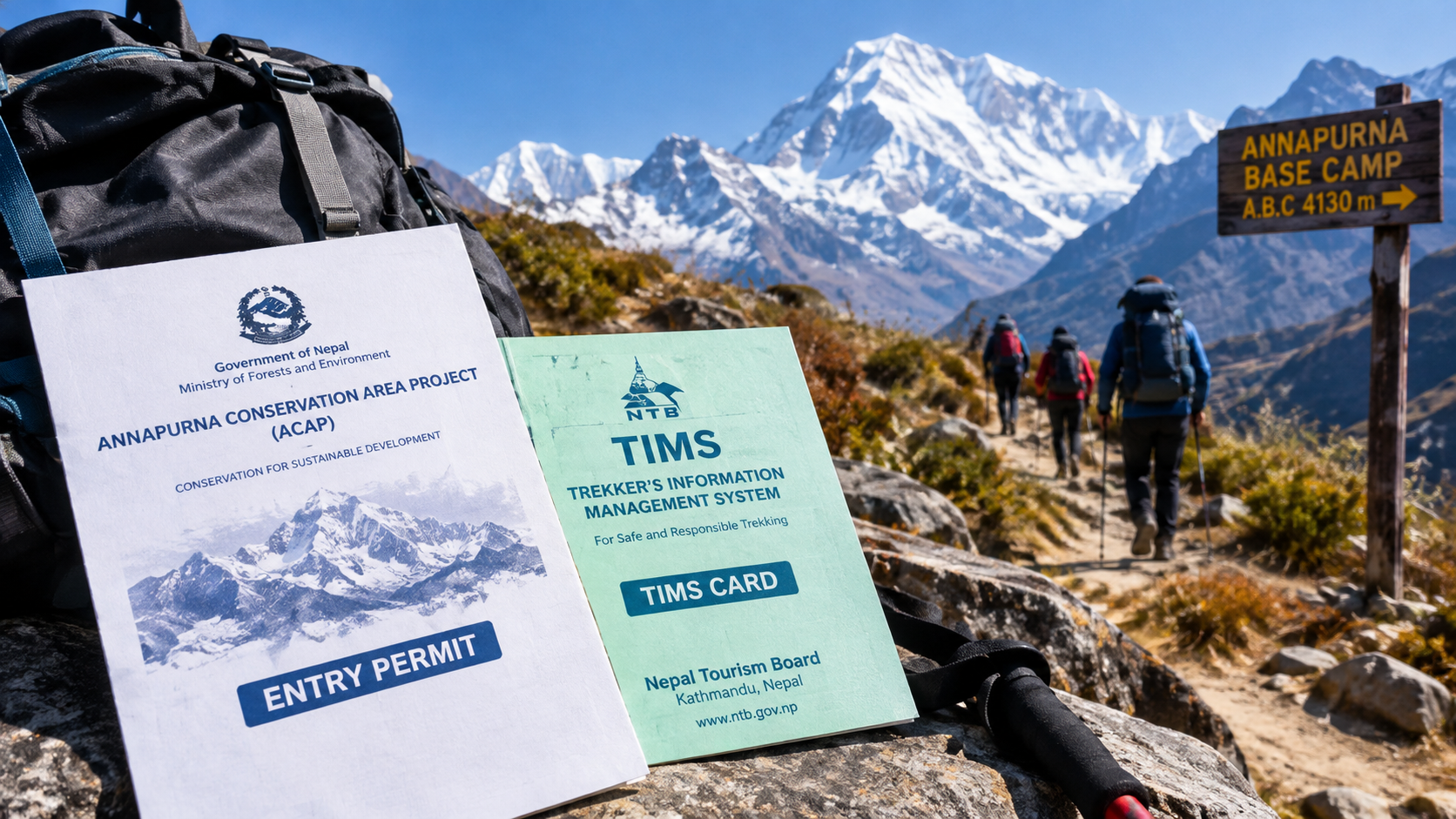
Trekkers require two main permits: the Sagarmatha National Park entry permit and a TIMS card (Trekkers’ Information Management System). A third fee (the Khumbu Pasang Lhamu Rural Municipality Fee) is collected at the trailhead. Reputable Everest Base Camp trek operators handle all permit arrangements as part of their package.
How to Evaluate Everest Base Camp Trek Companies
Not all operators are equal, and the differences become apparent above 4,000 meters. Here’s what to look for when comparing options.
The criteria below separate professional outfits from those that cut corners. Some factors (like pricing) are easy to compare on a spreadsheet. Others (like how a guide responds when a trekker shows early signs of altitude sickness) only reveal themselves on the trail. Focus on the details that matter at altitude, not just the ones that look good in a brochure.
Safety Standards and Emergency Protocols
When evaluating a company, ask directly about safety standards. Do guides carry emergency oxygen? What is the evacuation procedure? Do guides have wilderness first aid training?
- Satellite phone or emergency communication devices on every trek
- Helicopter evacuation insurance coordination
- First aid kit and supplemental oxygen availability
- Clear protocols for altitude sickness symptoms
Guide Credentials and Guide-to-Trekker Ratio
Key guide credentials include licensing by the Nepal Tourism Board and several years of high-altitude trekking experience. A ratio of one guide per six to eight trekkers is standard for group treks, while private treks offer one-to-one guiding for personalized pacing.
Acclimatization Schedule and Itinerary Design
The best everest base camp trekking company will build proper rest days into the itinerary at key altitudes (Namche Bazaar at 3,440m and Dingboche at 4,410m) rather than rushing the schedule. If an operator offers a 10-day EBC trek, that’s worth questioning. The altitude doesn’t adjust to your flight home.
Pricing Transparency and Inclusions
To compare companies accurately, understanding what’s included versus excluded from the quoted price matters. Hidden costs add up quickly.
| Typically Included | Often Excluded |
| Airport transfers | Travel insurance |
| Teahouse accommodation | Personal gear |
| Meals during trek | Tips for guides/porters |
| Permits and fees | Bar bills and snacks |
| English-speaking guide | Extra nights in Kathmandu |
Responsible Tourism Practices
Responsible trekking includes fair porter wages, effective waste management policies, and community support initiatives. Fair treatment of staff is a sign of a quality operator who invests in the trail and the people who make it possible.
Guaranteed Departures and Cancellation Flexibility
Reputable companies offer guaranteed departure dates and clear refund or rescheduling policies. For international travelers booking flights months in advance, asking about cancellation terms before committing is worth the conversation.
Best Global Everest Base Camp Trekking Companies
Internationally recognized operators book nepal hike to base camp trips through local ground partners. They suit travelers who want international booking support and established reputations.
These companies offer the reassurance of Western customer service standards, comprehensive travel insurance coordination, and the ability to book months in advance with familiar payment systems, though that convenience typically comes with a price premium over direct local booking.
Intrepid Travel
Intrepid Travel is known for small-group responsible travel with a strong sustainability focus. The company is committed to fair porter welfare policies and suits travelers who want international booking support combined with local ground operators.
G Adventures
G Adventures offers budget-friendly group tours with a social impact focus. Popular with younger and solo travelers, the company has an established reputation and thousands of verified reviews across platforms.
Exodus Travels
Exodus Travels is a UK-based adventure specialist with experienced leaders. The company suits active travelers seeking challenging itineraries and offers EBC extensions like Island Peak for those wanting a summit experience.
REI Adventures
REI Adventures is the US-based outdoor retailer’s travel arm, offering high-quality gear support and member discounts. The company appeals to North American trekkers wanting a trusted Western operator.
Best Local Everest Base Camp Trek Operators in Nepal
Nepal-based operators offer direct booking, deep local expertise, and often better value than international alternatives. Working directly with the people who actually run the trek eliminates middleman markups.
Local companies employ guides who live in the Khumbu region year-round, not just during trekking season. They maintain relationships with teahouse owners, understand weather patterns from experience rather than forecasts, and respond to logistical challenges (like Lukla flight delays) with the kind of flexibility that only comes from being on the ground.
Booking locally also means your money goes further. Without the overhead of international offices and marketing budgets, Nepal-based operators can offer competitive pricing while still paying guides fairly and maintaining safety standards. The trade-off is that you’re booking directly rather than through a familiar Western platform, but for most trekkers, that’s a small adjustment for significant savings and more authentic expertise.
Wilder Way Trekking
Wilder Way Trekking is a government-registered, Kathmandu-based operator offering competitive tax-inclusive pricing, flexible itineraries, and 24/7 support via WhatsApp and phone. The company provides complete trip services (hotels, transport, and visa assistance) so travelers aren’t piecing together logistics from multiple providers.
Book Your EBC Trek with Wilder Way
Ace the Himalaya
Ace the Himalaya is a well-reviewed local operator emphasizing safety and sustainable practices. The company has a strong TripAdvisor presence and offers classic EBC routes plus extensions to Gokyo Lakes and Island Peak.
Nepal Hiking Team
Nepal Hiking Team is an established local company with broad regional coverage, known for customizable itineraries and experienced Sherpa guides. The company is particularly good for trekkers wanting to modify standard routes.
Himalayan Wonders
Himalayan Wonders is a local operator offering cultural tours alongside trekking, suiting travelers who want to combine Mount Everest tours with heritage experiences in Kathmandu Valley.
Popular Mount Everest Tours and Trekking Packages
Understanding itinerary options helps when comparing what different companies offer.
The packages below represent the most common routes trekkers choose, each with different time commitments, difficulty levels, and scenery. Knowing what’s standard helps you spot when an operator is cutting days from acclimatization schedules or padding itineraries with unnecessary stops.
Classic Everest Base Camp Trek
The standard 12 to 14 day route via Lukla to EBC and back is the most popular option. It includes acclimatization days at Namche Bazaar and Dingboche, and most first-time trekkers choose this route.
EBC with Gokyo Lakes Extension
Adding the turquoise Gokyo Lakes and Gokyo Ri viewpoint extends the trek to 16 to 18 days. The extension suits trekkers wanting fewer crowds and more dramatic scenery away from the main trail.
Three Passes Trek
The challenging 18 to 21 day circuit crosses the Kongma La, Cho La, and Renjo La passes. It suits experienced trekkers seeking remote terrain and a more demanding physical challenge.
EBC with Island Peak Climbing
Combining the base camp trek with a 6,189m summit attempt on Island Peak requires basic mountaineering skills. Operators offering this itinerary hold peak climbing permits and provide technical equipment.
What Reviews Reveal About Top EBC Operators
Online reviews are useful, but only when you know how to read them. Platforms like Google, TripAdvisor, and Trustpilot contain patterns that reveal more than individual ratings.
- Guide-specific mentions: Reviews naming guides and describing specific experiences tend to be authentic
- Response to complaints: How a company handles negative feedback shows commitment to customer service
- Recency: Reviews from the past 1 to 2 seasons provide the most current information
- Cross-platform verification: Checking multiple platforms, not just the company’s website, gives a fuller picture
Tip: Reddit threads and Facebook trekking groups often contain unfiltered recommendations from recent trekkers. The r/Everest subreddit is particularly useful for candid operator feedback.
Why Trekkers Choose Wilder Way for Nepal Hike to Base Camp
Trekkers choose Wilder Way because the differences that matter most at 5,000 meters aren’t the ones you’ll find in a brochure. We operate from Kathmandu, not a Western office coordinating through third parties. The guides who lead your trek are the same people who planned it, who know the teahouse owners by name, and who’ve walked these trails in every season. That local presence translates into better logistics, faster problem-solving, and the kind of expertise that only comes from living in the mountains year-round.
Local Himalayan Expertise and Government Registration
As a Nepal-based and government-registered operator (Reg. No. 359458/81/82), Wilder Way has deep regional knowledge across Everest and other Himalayan destinations. The guides live in the mountains year-round rather than arriving seasonally.
Competitive Pricing with Tax-Inclusive Packages
Wilder Way offers transparent, competitive pricing with taxes included per person. Direct booking eliminates middleman markups that international platforms add.
24/7 Support and Ultimate Flexibility
The company provides 24/7 support via WhatsApp and phone for trip planning, the ability to customize itineraries, and integrated services (hotels, transport, and visa assistance) for complete trip support.
FAQs
How do I verify a trekking company’s government registration in Nepal?
Checking the Nepal Tourism Board’s official registry or asking the company for their registration number and tourism license confirms legitimacy. Legitimate everest base camp trekking companies display credentials on their website or provide them upon request.
What is the ideal guide-to-trekker ratio for EBC treks?
A ratio of one guide per six to eight trekkers is standard for group treks. Private treks offer one-to-one guiding for personalized pacing and attention.
Do EBC trek companies offer payment plans or deposit options?
Most operators require a deposit at booking (often around 20 to 30% of the total cost) with the balance due before departure. Some offer installment plans for trips booked well in advance.
How do trekking companies handle altitude sickness emergencies?
Reputable operators train guides to recognize symptoms, carry supplemental oxygen, and coordinate helicopter evacuation to Kathmandu hospitals when descent alone is insufficient.
Can I extend my Everest Base Camp trek to include Gokyo Lakes or Island Peak?
Most operators offer extension packages that add 3 to 7 days to the trek. Discussing extensions during the booking process ensures permits and logistics are arranged in advance
What visa support do Nepal trekking companies provide?
Many companies assist with visa-on-arrival guidance, and reviewing travel tips for visiting Nepal before departure helps first-timers navigate logistics beyond the trek itself. Some, like Wilder Way Trekking, offer integrated visa services to help international travelers secure tourist visas before departure.
How much is appropriate to tip guides and porters on EBC treks?
Tipping is customary in Nepal. A common guideline is USD 15 to 20 per day for lead guides and USD 10 to 15 per day for porters, with the total divided among the group.
What happens if weather delays the Lukla flight during my EBC trek?
Flight delays to and from Lukla are common. Fog, wind, and low visibility cancel flights without warning, sometimes for consecutive days. Quality operators build buffer days into itineraries and arrange alternative transport or adjusted schedules when delays occur.